
Reviewed · COLCA CANYON TOURS
Full Day Trip to Colca Canyon from Arequipa ending in Puno
Start before sunrise, finish under Andean stars. This 16-hour Colca Canyon trip packs the canyon, condor viewpoint, hot springs, wildlife stops, and a transfer to Puno into one day. I like the clever route from Arequipa to Puno, since you see one of Peru’s great natural sights without giving up another hotel night or arranging a separate bus.
I also like that you can bring your luggage and that the pre-departure WhatsApp message gives you pickup details the day before. The main concern is comfort: the first vehicle may be a small minibus, and one customer found it cramped, noisy, and poorly suited to the long morning drive.
In This Review
- The five details that matter most
- Why this route makes practical sense
- The pre-dawn departure from Arequipa
- Yanque, Maca, and the village side of Colca
- The Cross of the Condor and the canyon view
- Hot springs for 40 to 45 minutes
- Chivay lunch and the vehicle change
- Patapampa at 4,800 meters
- Vicuñas, alpacas, and birds in Pampa Cañahuas
- Patahuasi, Lagunillas, and the final run to Puno
- What the $83 price really covers
- Who should book this Colca Canyon trip
- Should you book it?
- FAQ
- How long does the trip from Arequipa to Puno take?
- Where can I be picked up in Arequipa?
- Is breakfast included?
- Is lunch included?
- Is the Colca Canyon entrance ticket included?
- Are the hot springs included?
- Can I bring my luggage?
- What languages does the guide speak?
- Is the tour suitable for people with altitude concerns?
The five details that matter most
- A useful Arequipa-to-Puno connection: You visit Colca Canyon on the way to your next base rather than backtracking to Arequipa.
- A 2:30 to 3:05 a.m. pickup: Be ready at 2:30 a.m., even if your exact pickup falls later in that window.
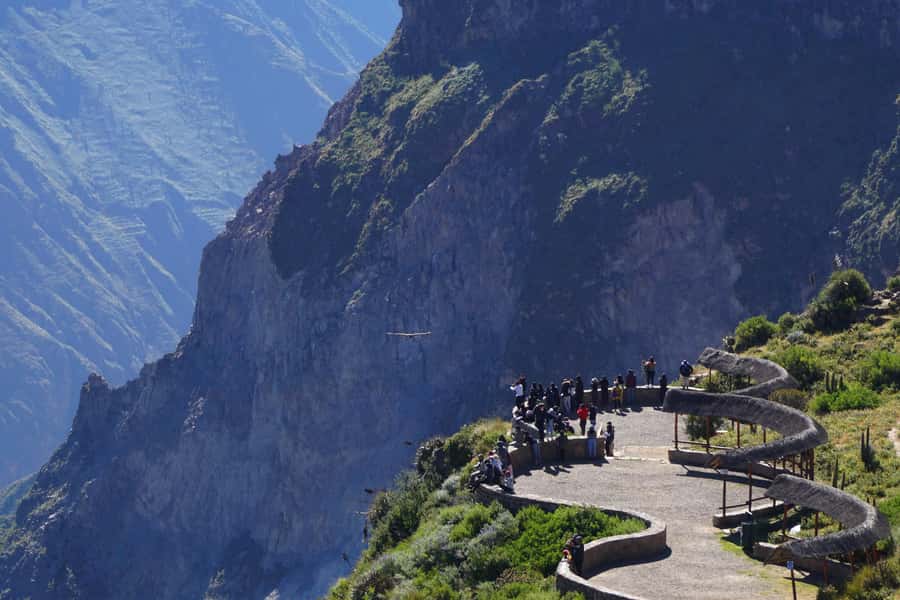
- Condors at the Cross of the Condor: About an hour is reserved for the canyon’s best-known viewpoint and wildlife.
- A 4,800-meter mountain pass: Patapampa is a serious altitude stop, so altitude sickness is a real concern.
- Extra costs to budget: The mandatory tourist entrance ticket is $19, while lunch and the hot springs cost extra.
- Mixed transport and guiding: The Arequipa to Colca section and the Colca to Puno section use different vehicles and may offer different levels of comfort and guiding.
Why this route makes practical sense
At $83 per person, the trip is priced as both a sightseeing tour and a long-distance transfer. That matters. A separate Colca excursion from Arequipa followed by another journey to Puno would take more planning, and you would need to arrange luggage storage or a second transfer.
Here, your luggage can come along without stated restrictions, and the final drop-off is at Plaza Mayor in central Puno. For a tight Peru schedule, that combination has real value. You spend the day moving in the right direction.
The tradeoff is the clock. This is not a relaxed canyon stay. You leave around 2:30 a.m., spend much of the day in vehicles, and reach Puno around 7 p.m. or earlier. You get the major sights, but you do not get much time for wandering through Chivay or sitting quietly at a viewpoint.
The tour operates in English and Spanish. A booking message with pickup information is sent through WhatsApp the day before departure. Since pickup is centered on Arequipa’s downtown area, confirm the exact arrangement if you are staying outside the central zone. The listed pickup options are Alfredo Rodríguez Ballón International Airport and Arequipa’s Historical Centre.
More Colca Canyon Tours in Arequipa
- 2-Day Tour Colca Canyon in Arequipa with end in Puno
★ 4.6 · 248 reviews - From Puno to Arequipa: 2 Days/1 Night Colca Canyon Tour
★ 3.6 · 83 reviews - Turist Bus Colca Canyon (Chivay) To Puno
★ 5.0 · 83 reviews
The pre-dawn departure from Arequipa
The first challenge is simply getting moving. Pickup begins between 2:30 and 3:05 a.m., and the instructions say to be ready at 2:30. That is early even by Peru excursion standards, so prepare your clothes, water, documents, and day bag the night before.
The first drive lasts about three hours. You head northwest toward Chivay, the main town associated with the Colca Canyon, passing behind the snow-covered Chachani area. At this hour, the road is mainly a chance to sleep, though a small vehicle and engine noise can make that difficult.
This is where the comfort warning matters most. One strongly negative account described the first bus as small and uncomfortable, with engine noise making the guide hard to understand. The second vehicle was described as roomier and better guided, so your experience may change after the midday vehicle swap.
I would bring a neck pillow, a warm layer, earplugs, and water. The trip reaches very high elevations later, but the morning can also feel cold. A light breakfast is included at Yanque or Chivay, which gives you a needed break after the early drive.
Yanque, Maca, and the village side of Colca
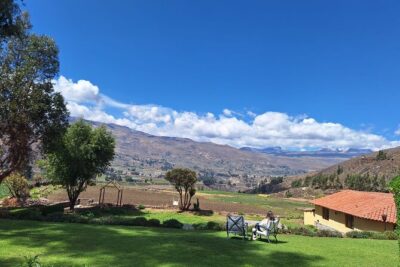
The first substantial stop is breakfast near Yanque or Chivay. Yanque and Maca are typical Colca settlements, and the route gives you glimpses of colonial churches, local clothing, and agricultural terraces.
The terraces are not just old stone shapes on a hillside. They are still used for crops such as corn, quinoa, and kiwicha. That working agricultural setting helps you see the canyon as a lived-in region, not only a scenic attraction.
The route also includes a guided visit and photo stop around Maca in the Caylloma area. The published timing places this portion at roughly an hour, though the exact time at each village may depend on traffic and the group.
Do not expect a long independent exploration here. This is a short introduction to the communities and their surroundings, with the guide providing context before the group continues toward the canyon. If local architecture, farming, and Andean daily life interest you, pay attention during these brief stops.
The Cross of the Condor and the canyon view
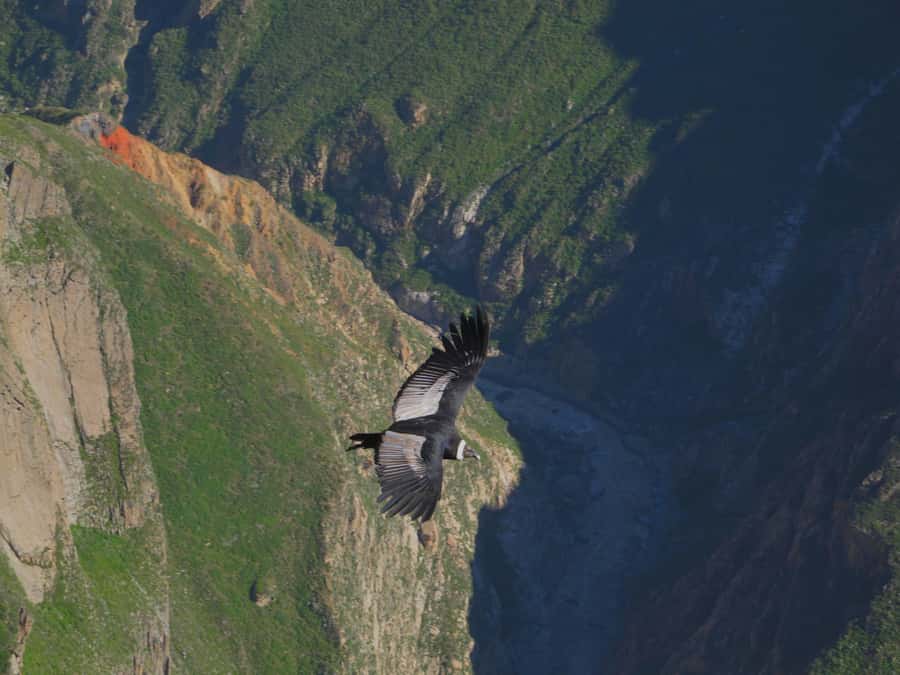
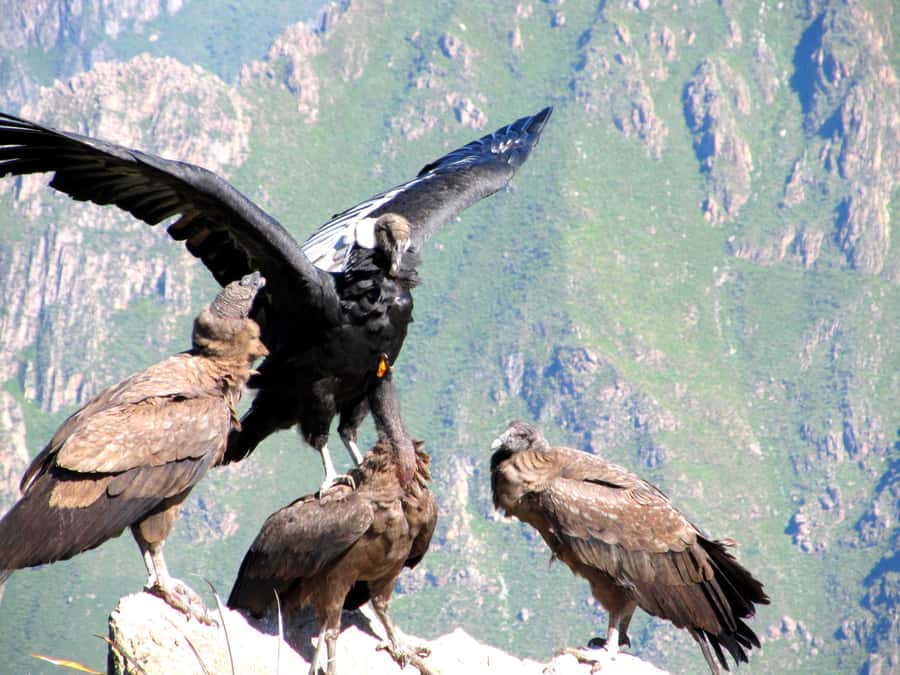
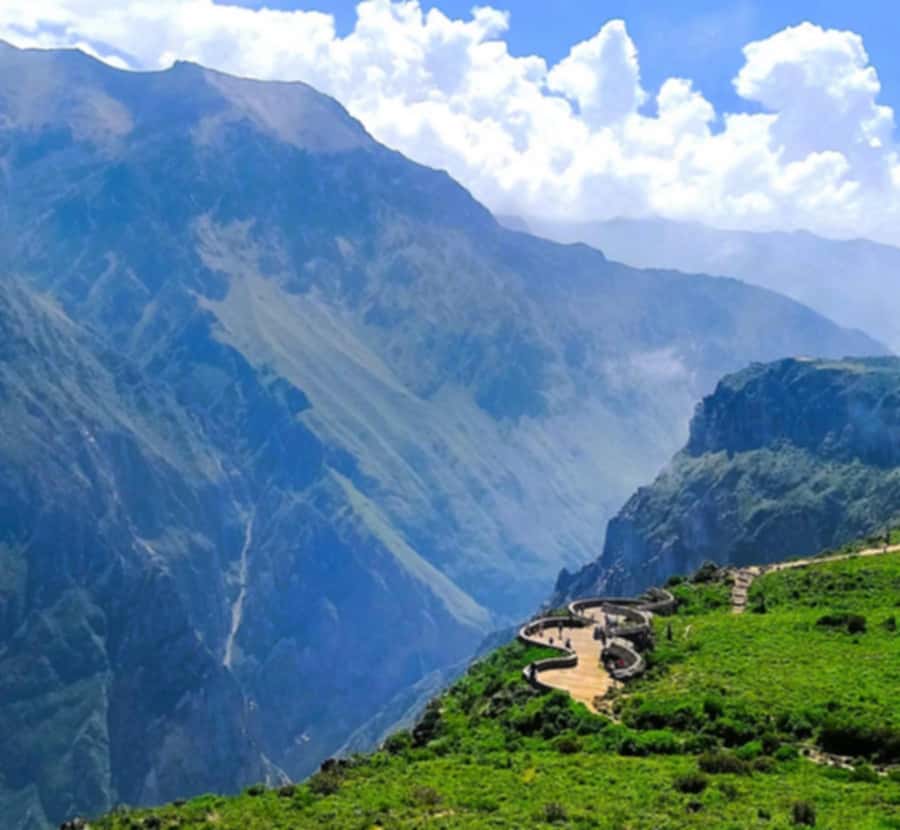
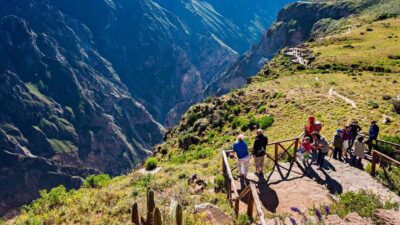
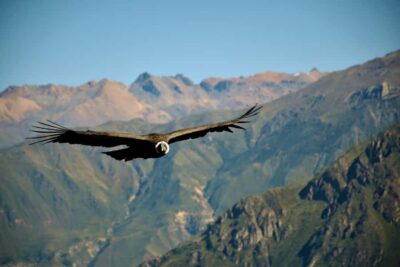
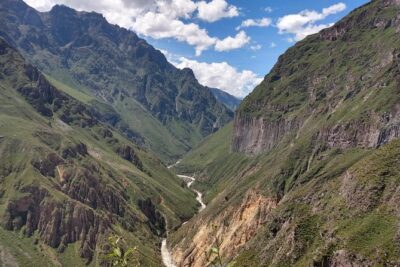
The main attraction comes after another drive of about an hour and a half. At the Cross of the Condor, you spend roughly an hour looking into the Colca Canyon and watching for Andean condors.
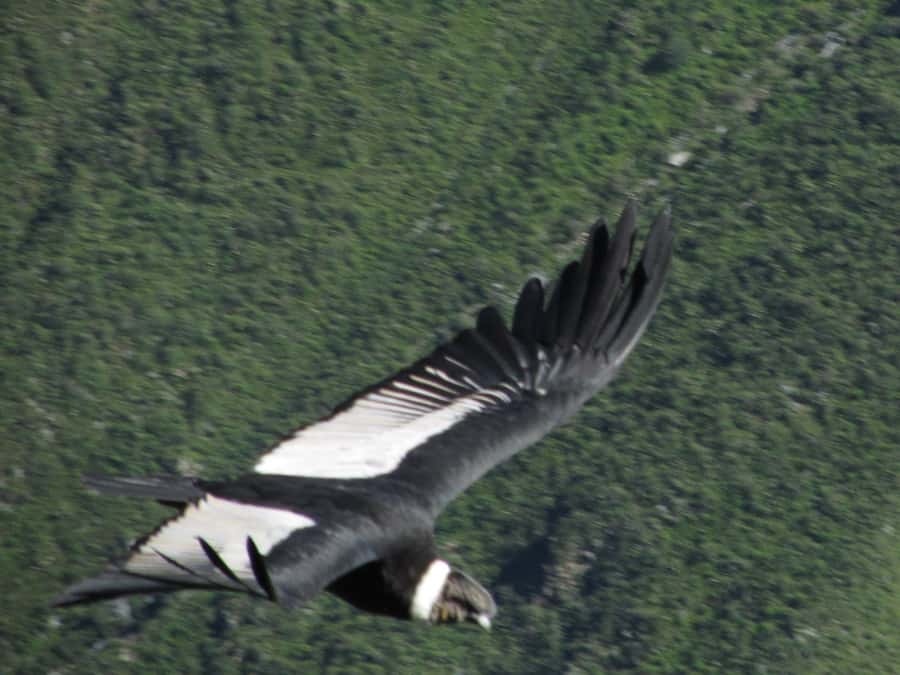
This viewpoint is the emotional center of the day. The canyon’s depth is the star, but the condors add movement to an otherwise enormous view. If birds appear, you may see them riding rising air currents above the canyon. The tour also allows time for a walk and wildlife viewing.
A practical caution is worth noting. One customer expected more photo stops and felt the canyon section did not provide enough of them. The schedule does include a photo stop and free time at the Colca Canyon, but the actual viewing conditions can shape the experience. If the birds are active and the air is clear, the hour can feel generous. If visibility is poor, the limited time may feel short.
Keep your camera ready, but do not spend the whole stop staring at a screen. The canyon is large enough to make photographs look flat compared with the real view. A few minutes simply watching the sky may be the best use of your time.
More Colca Canyon and condor trips:
- Tour Fullday Colca Canyon with Breakfast and Typical Lunch
★ 4.3 · 35 reviews - From Arequipa Trek : 2-Days of Hiking in the Colca Canyon
★ 4.5 · 35 reviews - From Arequipa: Fullday Tour Colca Canyon + Transfer To Puno
★ 4.4 · 17 reviews - From Arequipa: One Day Trip to Colca Canyon Ending in Puno
★ 4.0 · 14 reviews
Hot springs for 40 to 45 minutes
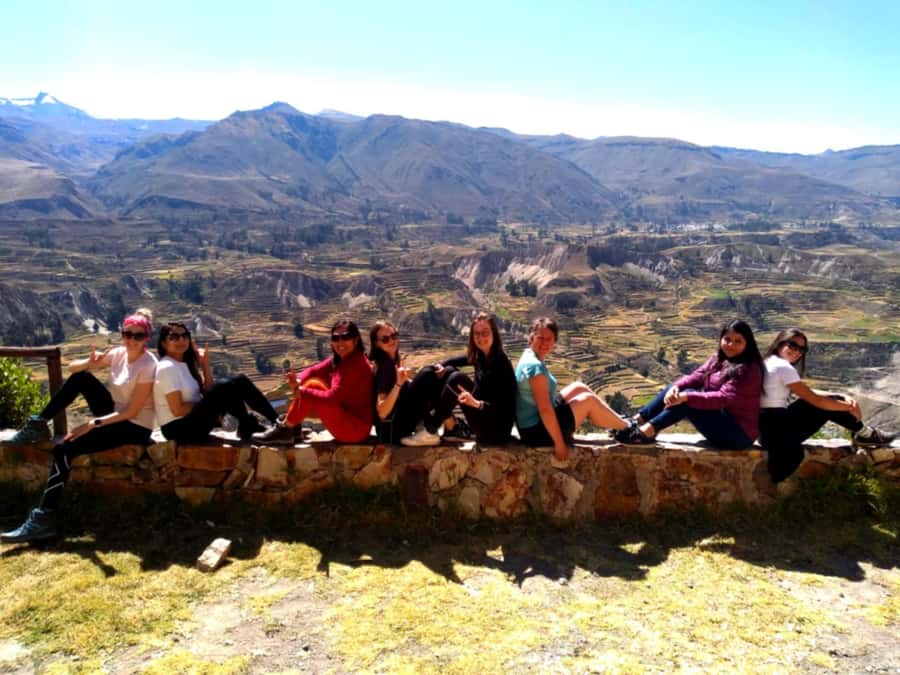
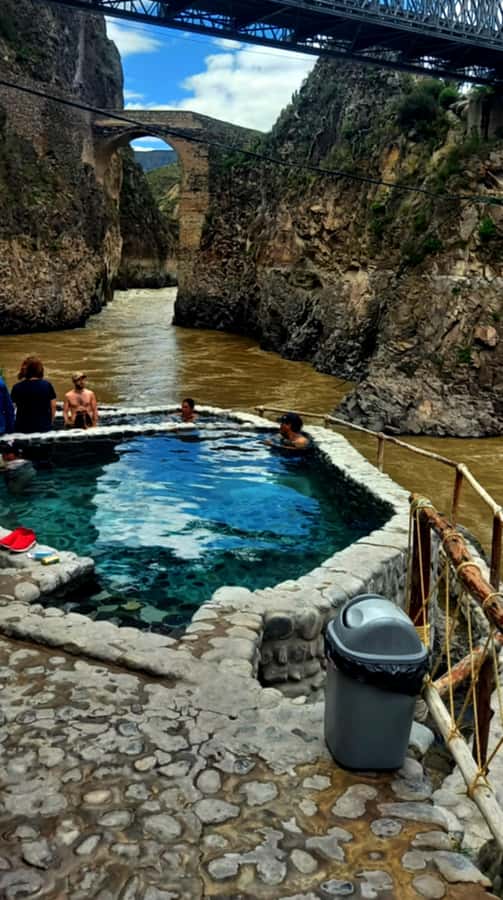
After the canyon, the bus heads toward the hot springs. The stop lasts about 40 to 45 minutes, and entry is not included in the $83 price.
This is an optional add-on, so you can decide based on your energy, budget, and interest. After a pre-dawn start, warm water may sound perfect. On the other hand, the hot springs shorten your time for rest or village exploration, and the entrance fee is extra.
The schedule describes the stop as a scenic drive and a hop-on, hop-off style break. That wording suggests a brief organized stop rather than a long spa visit. Bring a towel and swimwear only if you plan to enter, and confirm the current admission price before departure because it is not supplied here.
Chivay lunch and the vehicle change
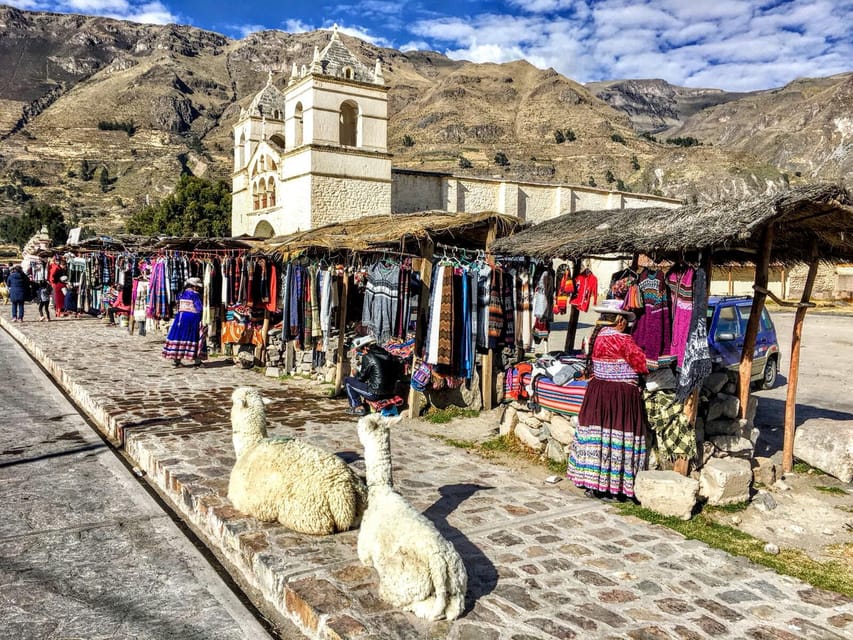
Around 12:50 p.m., the group reaches Chivay for lunch. Lunch is not included, so you need extra money. This is also your main midday chance to eat properly after the early breakfast.
Chivay is the natural service center for the canyon area, and the lunch stop helps break up the day. You also get some free time, though the exact length can be affected by the group’s arrival and the onward departure.
After lunch, the guide changes you to another tourist vehicle bound for Puno. This is an important part of the trip design. You are not simply staying on one bus all day. The second vehicle may be more spacious, and the feedback available for this experience specifically praised the second guide as more serious and effective than the first.
That change can be useful, but it also means the morning and afternoon may feel like two separate tours. If clear English commentary is important to you, ask at the start of the day how guiding will work in each vehicle. One customer had trouble understanding the English in the first section and felt the guide mainly spoke Spanish.
Patapampa at 4,800 meters
The road to Puno crosses Patapampa, listed at 4,800 meters, or about 15,000 feet. This is the highest point of the day and one of the most important practical details.
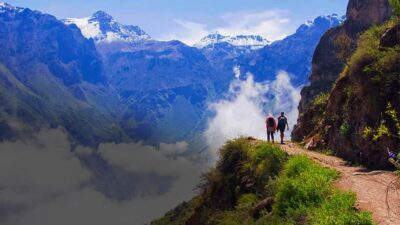
At the Volcanoes Viewpoint, you see snow-covered mountains and wide high-altitude scenery. The stop lasts about an hour in the schedule, giving you time to get out, look around, and take photographs.
The view is striking, but the altitude can be physically hard. One customer reported that a group of five experienced mountain sickness and needed oxygen after reaching their hotel. The tour information also excludes people with heart problems, pregnant women, children under six, and people over 95.
The operator does not promise oxygen assistance, and one account specifically criticized the lack of help with altitude sickness. That does not mean every passenger will have trouble, but you should take the warning seriously. Move slowly, avoid running, and tell the guide immediately if you feel unwell. If you have a known medical concern, get professional medical advice before booking.
Patapampa is not just another quick roadside photo stop. It is a demanding altitude exposure after a long day, so your physical condition should be part of the booking decision.
Vicuñas, alpacas, and birds in Pampa Cañahuas
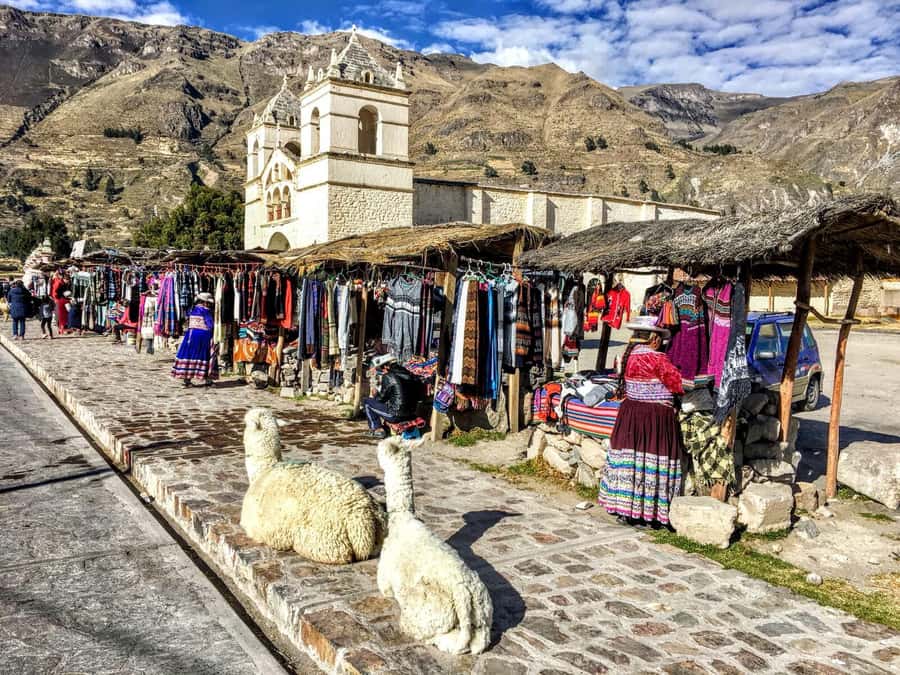
After Patapampa, the route continues through Pampa Cañahuas National Reserve. This section adds wildlife to a day that could otherwise be almost entirely about viewpoints and roads.
You may see wild vicuñas, as well as alpacas and llamas. The birdlife listed includes flamingoes, ibis, Andean geese, ducks, and the Andean eagle known as the Kara Kara. The stop at Pampa de Toccra is set aside for wildlife viewing and lasts about an hour in the schedule.
These animals make the long transfer more rewarding. You are not simply being delivered to Puno. The road becomes a moving lesson in the high Andes, with pauses to look for wildlife in open puna country.
Wildlife is never guaranteed, and the supplied details do not promise a specific number of sightings. Still, the reserve gives the trip a different rhythm after the canyon. Keep your phone or camera accessible, but remember that cold, wind, and altitude can make standing outside uncomfortable.
Patahuasi, Lagunillas, and the final run to Puno
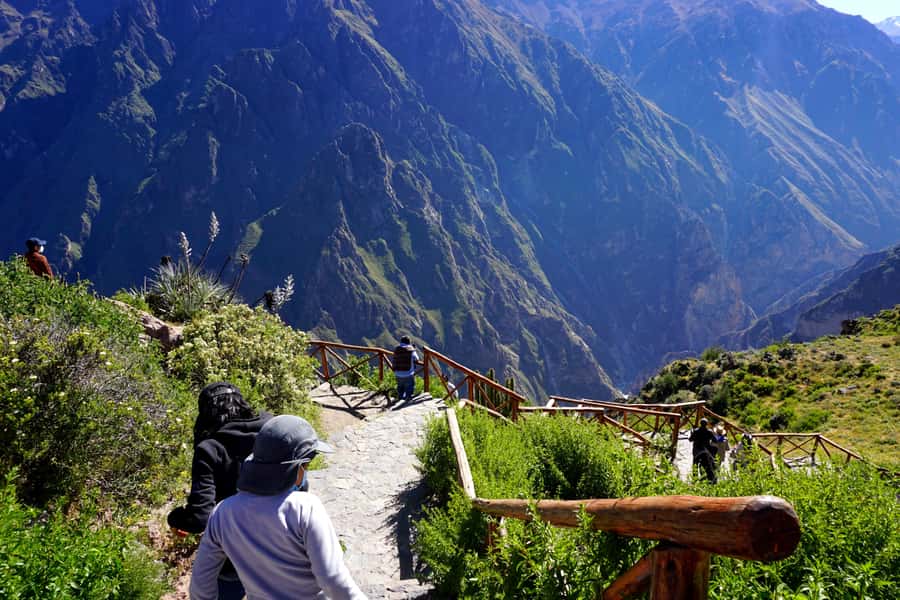
The later route includes stops at Patahuasi and Lagunillas, with scenic views and short breaks. Another stop is listed at Antuyo, with sightseeing and a longer scheduled portion of about two hours.
The stop descriptions are broad, so I would not book this trip expecting a detailed walking tour at each location. These breaks are mainly useful for stretching, photographs, and taking in the high-country scenery.
Lagunillas is especially valuable as a final scenic pause before Puno, though the supplied information does not promise a particular activity or wildlife sighting there. The day remains road-heavy, and the quality of these stops will depend on weather, light, and how closely the group keeps to time.
Arrival in Puno is expected around 7 p.m. or earlier. Drop-off is in the city center at Plaza Mayor. That central finish is handy if your accommodation is nearby, but the provided details do not promise hotel drop-off within Puno.
What the $83 price really covers
The $83 fare includes shared tourist transport, an official professional guide, continental breakfast, hotel pickup, and the transfer to Puno. For a full-day journey with two major destinations and several scenic stops, that is a fair price.
Still, calculate the real cost before booking. Add the mandatory $19 tourist entrance ticket, lunch, and the optional hot spring admission. Your total will be higher than the advertised fare, though it should remain reasonable for the amount of transport included.
The value is strongest for people who already need to travel from Arequipa to Puno. If you are returning to Arequipa after visiting Colca, this route may not be the right fit because its main purpose is onward transport.
The weak point is not the number of attractions. It is the long day and variable vehicle comfort. A shared minibus keeps the price down, but it also means less control over seating, noise, and rest time.
Who should book this Colca Canyon trip
I would choose this trip if you have limited time in southern Peru, want to see condors, and need to reach Puno without arranging separate transport. It suits active adults who can manage a pre-dawn start, a long road day, and a 4,800-meter pass.
It also works well for people who want a planned route rather than a private vehicle and a stack of separate tickets. The English and Spanish guide service, included breakfast, and central Puno arrival remove several small planning tasks.
I would hesitate if you have heart problems, are pregnant, have serious altitude concerns, or dislike long rides. Children under six are not accepted, and the trip is not suitable for people over 95.
Before booking, confirm three things: the exact pickup point, which vehicle handles each section, and how English commentary will be provided in the first minibus. Those questions address the only serious concerns raised about the experience.
Should you book it?
Book it if your Peru route already runs from Arequipa to Puno and you want the most efficient way to add Colca Canyon. The condor viewpoint, high mountain pass, wildlife reserve, and central Puno drop-off give this trip strong practical value.
Skip it if you want a slow canyon visit, dependable comfort, or extensive assistance with altitude problems. The tour is ambitious, useful, and scenic, but it is not gentle. Pack for a long day, budget the extra fees, and treat the high-altitude stops with respect.
FAQ
How long does the trip from Arequipa to Puno take?
The activity lasts about 16 hours. Pickup begins between 2:30 and 3:05 a.m., and arrival in Puno is expected around 7 p.m. or earlier.
Where can I be picked up in Arequipa?
The listed pickup options are Alfredo Rodríguez Ballón International Airport and Arequipa’s Historical Centre. Pickup is limited to the central downtown area, so confirm a meeting point if you are staying elsewhere.
Is breakfast included?
Yes. A continental breakfast is included, with a stop near Yanque or Chivay.
Is lunch included?
No. Lunch in Chivay is an additional expense.
Is the Colca Canyon entrance ticket included?
No. The mandatory tourist entrance ticket costs $19 per person.
Are the hot springs included?
No. The hot springs are optional, and admission costs extra. The stop lasts about 40 to 45 minutes.
Can I bring my luggage?
Yes. The tour information says you can bring your luggage without restrictions.
What languages does the guide speak?
The live guide service is offered in English and Spanish. A WhatsApp message with pickup information is sent the day before departure.
Is the tour suitable for people with altitude concerns?
The route reaches Patapampa at 4,800 meters, or about 15,000 feet. The activity is not suitable for people with heart problems, pregnant women, children under six, or people over 95. Take the altitude warning seriously before booking.
More 1-Day Tours
- Offer Price: Colca Canyon One Day in Arequipa with Breakfast
★ 4.5 · 4 reviews - From Arequipa: Colca Canyon and Condor Watching Day Trip
★ 3.7 · 3 reviews - Colca Canyon Day Trip: From Arequipa to Puno
★ 3.5 · 3 reviews - From Arequipa: 1 Day Tour to the Colca Canyon + Buffet lunch
★ 4.2 · 3 reviews
More Full-Day
- Full day excursion to Colca Canyon
★ 4.2 · 6 reviews - From Arequipa: Colca Canyon Full-Day Tour with Breakfast
★ 3.3 · 4 reviews - From Lima: Paracas and Huacachina Oasis Full Day Guided Tour
★ 4.7 · 1,780 reviews - From Cusco: Full-Day Group Tour of Machu Picchu
★ 4.7 · 1,767 reviews
Just added around Chivay
- From Arequipa: Colca Canyon and Condor Watching Day Trip★ 3.7 · 3 reviews
- Arequipa : Colca Canyon 2-Day Adventure★ 5.0 · 3 reviews
- 3-day trek to the Colca Canyon from Arequipa ending in Puno★ 4.2 · 3 reviews
- Colca Canyon Day Trip: From Arequipa to Puno★ 3.5 · 3 reviews
- 2 day 1 night trek / Colca Canyon★ 3.0 · 3 reviews
- From Arequipa: 1 Day Tour to the Colca Canyon + Buffet lunch★ 4.2 · 3 reviews
- 2-Day Colca Canyon Tour to Puno with accommodation★ 3.9 · 3 reviews
- From Puno: 2-Day Tour to Colca Canyon ending in Arequipa★ 4.1 · 4 reviews
Colca Canyon Tours, compared.
2-Day Tour Colca Canyon in Arequipa with end in Puno
Read our review →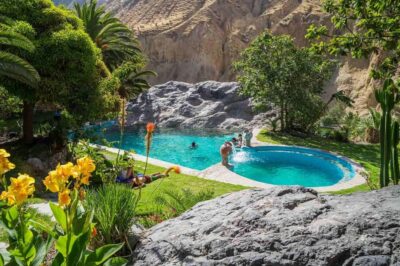
Browse the lists this tour appears in