
Reviewed · INCA TRAIL TREKS
4-Day Inca Jungle Adventure, Mountain Biking, Rafting and Zipline
Trade stone paths for wild adventure. This four-day route from Cusco combines mountain biking, rafting, hiking, and ziplining before finishing at Machu Picchu, making it a lively alternative to the classic Inca Trail. I like the small maximum group of 15, and I like that transport, three nights of lodging, meals, and the return train are included.
The main caution is comfort. Accommodation is basic hostal lodging, some walks are long, and the Machu Picchu entrance fee is not included in the $378 price. You also need good fitness, since the trip packs steep roads, humid trails, train-track walking, early mornings, and a long final day into one busy schedule.
In This Review
- The best parts of this four-day route
- What the $378 price really covers
- Day 1: Abra Málaga downhill by bike
- Day 2: Five hours through farms and forest
- Day 3: Coffee, Llactapata, and the road to Aguas Calientes
- Day 4: Reaching Machu Picchu on foot
- Lodging, meals, and what to pack
- Guide quality and group size
- Who should book this adventure?
- Should you book the Inca Jungle Adventure?
- FAQ
- Does the tour include the Machu Picchu entrance ticket?
- Is the bus from Aguas Calientes to Machu Picchu included?
- Is Huayna Picchu included?
- What meals are included?
- Is the train back to Cusco included?
- How large is the group?
The best parts of this four-day route
- Abra Málaga to Huamanmarca: Ride downhill from 4,316 meters into a warmer, tropical valley.
- A real working countryside: Walk past coca, coffee, cassava, banana, papaya, citrus, pineapple, mango, and other crops.
- Three kinds of adventure: The package includes biking, river rafting, and a high zipline over the river.
- Cocal Mayo hot springs: Pay about 30 soles for a soothing soak after the second day.
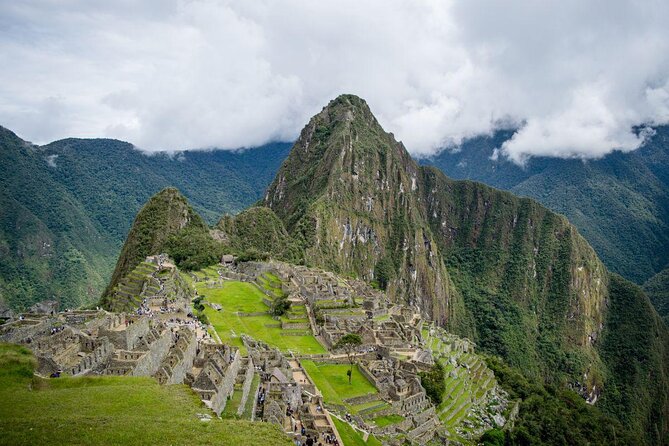
- Llactapata views: Hike through coffee country with views toward Machu Picchu.
- Circuit planning matters: Ask in advance about an early Circuit 2 entry and consider Huayna Picchu if available.
What the $378 price really covers
At $378 per person, this is not a luxury tour. It is a practical package that bundles the hard-to-arrange pieces of getting from Cusco to Machu Picchu by an adventurous route.
You receive a pre-departure briefing, transport from Cusco to Abra Málaga, an experienced Inca Jungle guide, biking equipment, zipline and rafting activities, three nights of lodging, three breakfasts, three lunches, and three dinners. The return train from Aguas Calientes to Ollantaytambo and onward transport to Cusco are also included.
That bundle has real value. Organizing the transfers, activities, lodging, meals, and train separately would take time and require careful coordination. The small group limit of 15 should also make it easier for the guide to manage pace, equipment, and safety than a large bus-based group.
Still, keep your extra costs in mind. The Machu Picchu entrance ticket is not included, and the listing says the circuit depends on availability. The bus between Aguas Calientes and Machu Picchu costs about $24 round trip if you do not want to walk. Huayna Picchu is also extra, listed at $79 per person when purchased through the company, while a detailed account put the separate cost at about 200 soles.
Lunch on the final day is not included either. You should also budget for the Cocal Mayo hot springs, optional train travel from Hidroeléctrica to Aguas Calientes, and personal spending in Aguas Calientes.
More Cycling Tours in Cusco
- Sacred Valley: Maras & Moray by Quad Bike from Cusco
★ 4.6 · 418 reviews - From Cusco: Quad bike tour Moray and Salt Mines
★ 4.7 · 314 reviews - From Cusco: Rainbow Mountain in ATV Quad Bikes + meals
★ 4.5 · 60 reviews
Day 1: Abra Málaga downhill by bike
Pickup begins between 6:00 and 7:00 a.m. in Cusco. The first stop is Ollantaytambo in the Sacred Valley, about an hour away, where you can buy breakfast and make final purchases.
This is useful because once you leave Ollantaytambo, your access to shops becomes limited. Buy snacks, water, and anything you forgot before the vehicle climbs higher.
The road continues for about another hour to Abra Málaga at 4,316 meters. Here the temperature and scenery change quickly. You begin in cold, high mountain air, then ride downhill toward a warmer part of the valley.
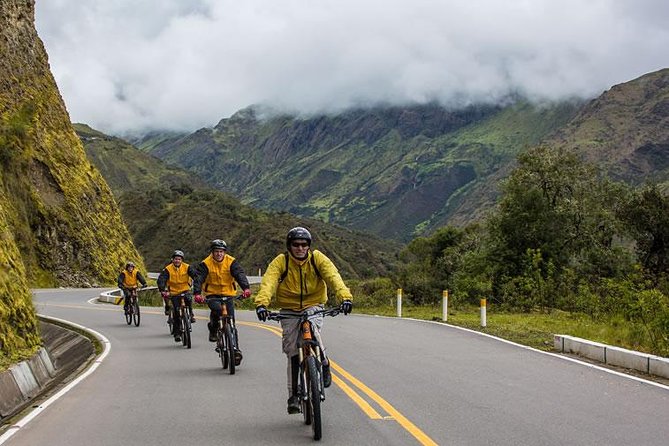
The cycling section lasts about two and a half hours. It is described as mostly downhill and suitable for beginners, though you should still be comfortable handling a bicycle on a long descent. The reward is speed, broad Andes views, and a clear sense of moving through several climate zones in one morning.
The guide provides the equipment. Wear clothing that can handle sun, wind, dust, and changing temperatures. A light waterproof layer is sensible, even if you may not need it.
The ride finishes near the archaeological site of Huamanmarca. Your guide explains the site before the group continues through fruit fields and along rivers. This is one of the strongest parts of the route because the scenery changes from high-altitude mountains to tropical agriculture instead of giving you only a succession of famous ruins.
The day ends in Santa María, where you eat lunch and spend the night. The published schedule also lists river rafting as part of the tour, and a detailed account places the rafting on this first day, with several good rapids. The written day-by-day program does not explain exactly when the rafting takes place, so confirm the timing and river conditions before departure.
Lodging on this first night is basic. Expect a simple shared hostal rather than a comfortable hotel. Cold water can be a possibility, which is not ideal after a dusty bike ride and rafting session. Food is included, but portions and quality may be modest.
Day 2: Five hours through farms and forest
After breakfast, you walk toward Waka Yupana. The first two hours are fairly easy, followed by roughly two hours of uphill walking and one hour downhill to the destination.
This is not a technical mountain route, but it is a full day on foot. The strongest reason to choose it is the countryside. The trail passes fields of coca, coffee, cassava, annatto, and tropical fruit. You might see bananas, papaya, citrus, pineapple, and mango growing along the way.
The agricultural setting gives the hike more purpose than a simple point-to-point walk. Your guide explains the crops and local farming, though the quality of commentary may depend on the individual guide. A detailed account described the guide as friendly but somewhat basic when explaining agriculture.
The high point is the view into the Wankar Q’asa canyon. After reaching the viewpoint, you descend for about an hour to Waka Yupana, where transport takes you to Santa Teresa for lunch.
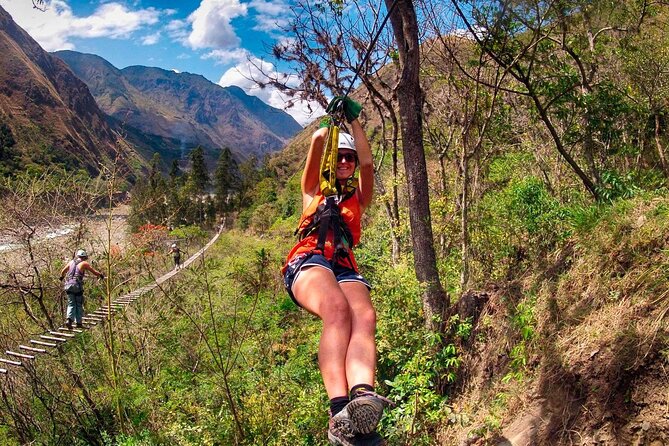
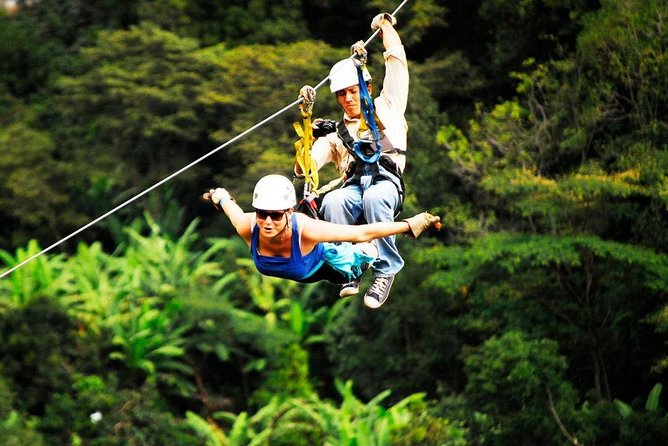
In the afternoon, you take on the zipline. The activity lasts about two hours and uses a pulley attached to a waist harness. It crosses high above the river, so it adds a strong jolt of excitement without requiring technical climbing skills.
After the zipline, you can visit the Cocal Mayo thermal baths. The fee is about 30 soles and is not included, but this is one extra I would seriously consider. Warm pools are a welcome reward after several hours of walking and an active zipline session.
You spend the night in Santa Teresa. This lodging is still simple, but it is generally the best of the three nights described in the available trip details. Dinner is included, as are breakfast and lunch for the day.
Day 3: Coffee, Llactapata, and the road to Aguas Calientes
Day three begins early, with breakfast at about 5:30 a.m. Local transport takes you roughly 45 minutes to Lucmabamba.
Lucmabamba is a highlight for anyone interested in coffee and rural life. You walk through tropical forest and organic coffee fields, with the chance to taste fresh coffee. This stop makes the route feel connected to the people and crops of the valley, not just to the major archaeological sites.
From there, you hike about two hours and 50 minutes to Llactapata. The climb is a serious morning effort, but the setting rewards you with views toward Machu Picchu. After visiting the site, you descend for about two hours.
The combination of uphill forest walking, coffee farming, archaeological remains, and a distant view of Machu Picchu makes this day more varied than its raw walking time suggests. You should still take it seriously. By this point, your legs have already handled biking, rafting, hiking, and ziplining.
Lunch comes at the Hidroeléctrica train station. After lunch, you pass Intiwatana, an ancient Inca rock associated with sun observation. The route then follows the railway toward Aguas Calientes.
Here you have two choices. If you are tired, you can take a train to Aguas Calientes, but that ticket is not included. If you still have energy, you can walk for about two hours beside the train tracks.
The walk is mostly flat, but it is not a relaxing stroll after the morning hike. Carry only what you need, keep your water close, and watch your footing. Your main luggage should be limited from the start because you will be carrying your things throughout the trip.
You spend the third night in Aguas Calientes, also called Machu Picchu Pueblo. The accommodation remains basic, and food portions may be lighter than earlier in the trip. Even so, arriving in town the evening before your Machu Picchu visit is valuable because it avoids a much longer same-day journey from Cusco.
More Inca Trail Treks in Cusco
- Cusco: 4-Day Inca Trail to Machu Picchu with Accommodation
★ 4.8 · 432 reviews - From Cusco: 7 Lakes Ausangate Trek with Breakfast and Lunch
★ 4.8 · 360 reviews - Cusco: Machu Picchu 2-Day Inca Trail with Panoramic Train
★ 4.9 · 260 reviews - From Cusco: 2-Day Inca Trail to Machu Picchu
★ 4.2 · 244 reviews
Day 4: Reaching Machu Picchu on foot
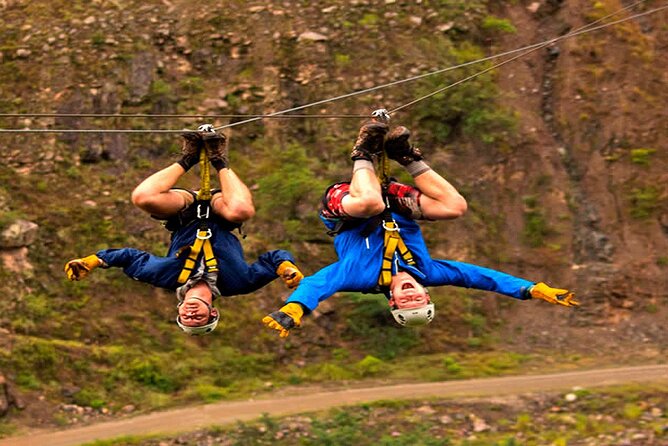
The final day starts around 4:00 a.m. You receive a packed breakfast and walk about 30 minutes to the Puente Ruinas checkpoint. From there, stairs climb for roughly another hour to the main entrance of Machu Picchu.
The schedule says about two and a half hours inside the citadel with a guide. This visit focuses on the main sectors, Inca culture, and the story of the site.
The climb is steep and may take 1.5 to 2 hours depending on your fitness. You can take the bus instead, but the bus is extra. If you have trained for the trip and your knees are in good shape, walking gives the morning a satisfying sense of effort. If you are exhausted, paying for the bus may be the sensible choice.
Your entry ticket is not included, and circuit assignment matters. Circuit 2 is the preferred option for seeing more of the principal areas, while Circuit 1 can offer a more limited visit. Ask the tour company before booking to confirm which circuit and time you are likely to receive. An early morning slot, around 7:00 a.m., can make the visit more comfortable before the site becomes busier.
Huayna Picchu is another possible add-on. It requires a separate ticket and involves a steep mountain climb, but it can provide an exceptional view over Machu Picchu. Do not add it casually. The fourth day is already long, and you should only choose it if you are fit and the available entry time works with your main circuit.
After your visit, you return to Aguas Calientes for lunch on your own. Then you board the train to Ollantaytambo, a journey of about two hours, before transferring to the company bus for Cusco.
Train timing can shape the entire final day. A late departure may leave little time for a proper meal and can put you back in Cusco around 10:00 p.m. If you prefer more breathing room, ask about an earlier afternoon train, provided the available schedule and your Machu Picchu entry permit allow it.
Lodging, meals, and what to pack
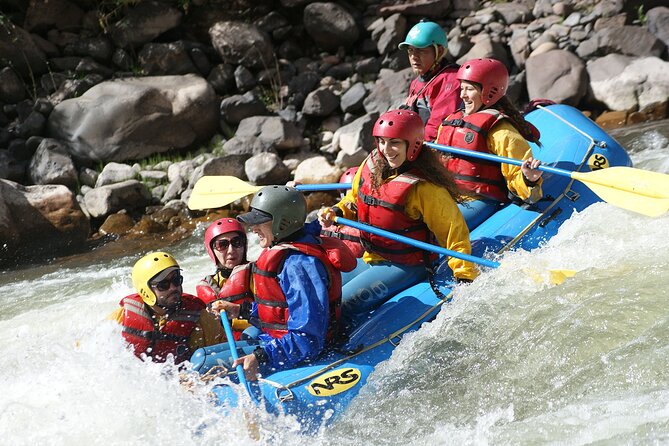
The three nights are in hostals, not upscale hotels. The first and third nights may be quite basic, and cold showers are possible. Treat the lodging as a clean place to sleep between active days, not as part of the holiday itself.
All three breakfasts, lunches, and dinners are included. That keeps the base price under control, but you should not expect elaborate meals or large portions every day. Carry snacks from Ollantaytambo, especially energy bars, fruit, or other compact food you already know you can eat during long walks.
Pack light. You will carry your own belongings during the week, so a comfortable daypack with a two-liter water bladder is a practical choice.
Useful items include:
- Hiking boots and good hiking socks
- Three or four moisture-wicking shirts
- One pair of long hiking pants
- Swimming shorts and a suitable top for the hot springs
- Sun hat and sunglasses
- Sunscreen and mosquito repellent
- Toothbrush, toothpaste, and a small bar of soap
- Phone, camera, charger, passport, and cash
- A light waterproof jacket and base layer
The climate around Machu Picchu is warmer and more humid than Cusco, even though the destinations are relatively close. Do not pack only for cool Andean weather.
Guide quality and group size
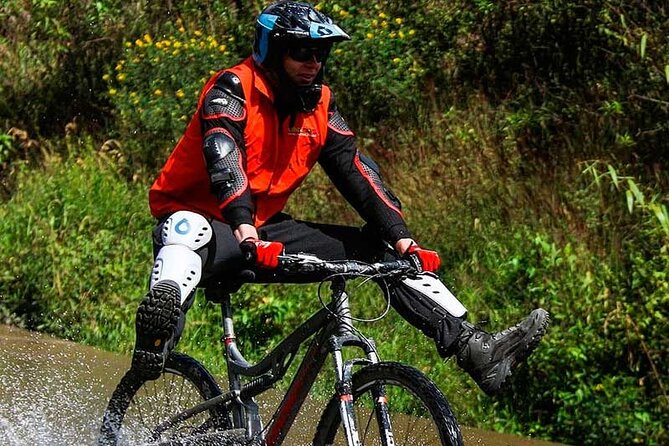
The group maximum is 15 people. That is small enough for a guide to organize activity equipment and walking breaks without turning the experience into a procession.
The Machu Picchu guide is described as culturally experienced, while the main adventure guide handles the outdoor activities. One account specifically praised Eber as friendly and effective at Machu Picchu, though quiet. Guide quality can shape your experience, especially during the agricultural walk and at the archaeological sites.
The published rating is 4.9 from 60 reviews, with 97 percent of customers recommending the experience. One detailed account tied to an early June 2024 trip gives useful practical warnings but was disputed by the operator, which said it could not match the booking to its passenger records. I would treat the concrete advice as useful preparation, while confirming current arrangements directly with Chullos Travel Peru.
Who should book this adventure?
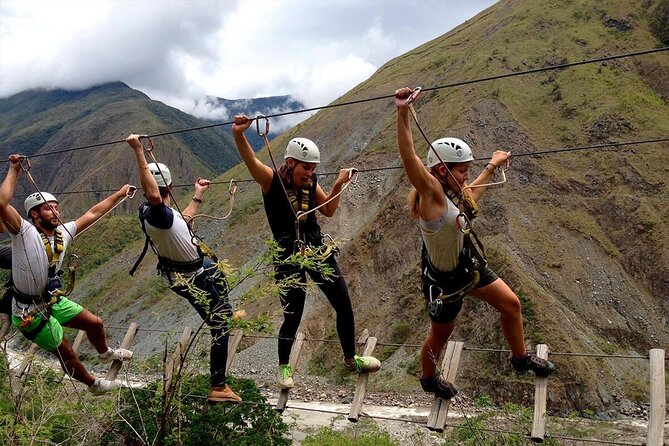
You should consider it if you want an active route to Machu Picchu and enjoy variety more than comfort. It suits people who would rather bike downhill, walk through coffee fields, ride a zipline, and possibly tackle rapids than spend four days on a single trekking path.
It is also a good fit if you want a guided package with meals, lodging, transfers, and a return train arranged for you. The small group is a plus for solo visitors and anyone who prefers a more personal experience.
Think twice if you need private, comfortable accommodation, dislike early starts, or have trouble with steep climbs and long walking days. The tour requires strong physical fitness, and the final two days can be tiring even if the individual sections do not look extreme on paper.
Should you book the Inca Jungle Adventure?
Book it if your priority is adventure and variety, and you are comfortable paying extra for Machu Picchu entry, buses, hot springs, and optional mountain tickets. The route gives you a lively introduction to the Andes, tropical farming areas, Inca sites, and Machu Picchu without the demands of a multi-day high-altitude trek.
Before paying, confirm three details: your Machu Picchu circuit, your entry time, and the exact rafting schedule. If possible, request an early Circuit 2 slot and ask about an afternoon return train. With those points settled, the $378 package offers a strong value for an energetic, no-frills route to one of Peru’s great sights.
FAQ
Does the tour include the Machu Picchu entrance ticket?
No. The Machu Picchu entrance fee is not included, and the circuit depends on availability. Confirm the assigned circuit with the tour company.
Is the bus from Aguas Calientes to Machu Picchu included?
No. The round-trip bus costs about $24 per person. You can also walk to the entrance, which takes roughly 1.5 to 2 hours from the checkpoint area.
Is Huayna Picchu included?
No. Huayna Picchu requires a separate ticket. The listed price is $79 per person when purchased through the company.
What meals are included?
The package includes three breakfasts, three lunches, and three dinners. Lunch on the final day in Aguas Calientes is not included.
Is the train back to Cusco included?
The train from Aguas Calientes to Ollantaytambo is included, as is the onward transport from Ollantaytambo to Cusco. A train from Hidroeléctrica to Aguas Calientes on day three is optional and not included.
How large is the group?
The tour accepts a maximum of 15 people. You should also have a strong physical fitness level for the biking, hiking, rafting, zipline, and Machu Picchu stairs.
More Treks to Machu Picchu
- Machu Picchu: Inca Trail 2-Day Overnight Guided Tour
★ 4.9 · 203 reviews - Short Inca trail to MachuPicchu || 2days – 1nigth ||
★ 5.0 · 103 reviews - Salkantay Trek Challenge – 3 Days / 2 Nights
★ 5.0 · 101 reviews - Small Group 5 Days Salkantay and Machu Picchu by Llactapata Tour
★ 5.0 · 88 reviews
More Zip Lines in Cusco
- Sam’s Zip Line in Sacred Valley
★ 5.0 · 75 reviews - Rafting & Zip line Urubamba River 1 Day
★ 5.0 · 75 reviews - Cusco Rafting and Zipline Adventure
★ 4.5 · 47 reviews - 07 Day: Inca Jungle Adventure with Mountain Bike, Rafting, Zipline & Trek
★ 5.0 · 36 reviews
Just added around Cusco
- Cusco: Rainbow Mountain and viewpoint red valley ( optional)★ 4.8 · 3 reviews
- Montaña de Colores: tour en cuatrimotos día completo★ 3.3 · 3 reviews
- Tour Pallay Punchu Trek Full Day★ 4.2 · 3 reviews
- Excursion Cusco – Puno – Titicaca Observatory Train★ 5.0 · 3 reviews
- Cusco: Palcoyo Mountain Day Trip with Breakfast and Lunch★ 4.8 · 3 reviews
- Maras Moray★ 5.0 · 3 reviews
- Tour to Laguna Humantay with breakfast and lunch from Cusco★ 4.7 · 3 reviews
- From Cusco:Chinchero, Moray, Maras, Ollantaytambo with lunch★ 5.0 · 3 reviews
Inca Trail Treks, compared.

4-Day Inca Trail to Machu Picchu with Accommodation
Read our review →
7 Lakes Ausangate Trek with Breakfast and Lunch
Read our review →
Machu Picchu 2-Day Inca Trail with Panoramic Train
Read our review →

Machu Picchu: Inca Trail 2-Day Overnight Guided Tour
Read our review →
Short Inca trail to MachuPicchu || 2days – 1nigth ||
Read our review →
Small Group 5 Days Salkantay and Machu Picchu by Llactapata Tour
Read our review →Browse the lists this tour appears in