
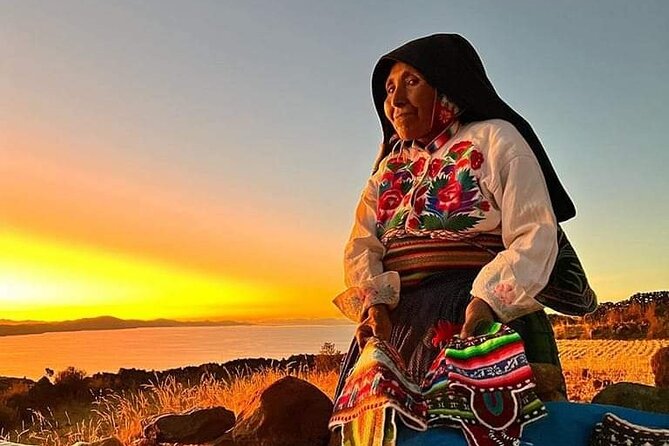
Reviewed · LAKE TITICACA TOURS
Titicaca Lake 2 Day 1 Night from Cusco to Puno
Two days, two nights, one big Andean journey. This trip links Cusco and Puno with a full day of historic stops, then carries you onto Lake Titicaca and its reed islands. I like the comfortable tourist buses and the way the route handles difficult transport planning for you. I also like the chance to visit both Uros and Taquile, rather than stopping at the lake for only a quick look. The main catch is important: you spend one night in Puno and the next night sleeping on the return bus, so this is really two days and two nights.
At $269 per person, the tour offers good value if you want transport, guides, entrance fees, island boat travel, a hotel, and meals bundled together. You should still expect a long, tiring schedule, high-altitude conditions, several guide changes, and some uncertainty about the exact standard of the accommodation.
In This Review
- Key points before you book
- Why this Cusco to Puno route works
- Day one: from Cusco to Andahuaylillas
- Raqchi and the Temple of Wiracocha
- Lunch in Sicuani, then the high point at La Raya
- Pukara before Puno
- Day two: onto Lake Titicaca
- Uros: reed islands with a complicated story
- Taquile: walking, customs, and trout
- Guides, buses, and the value of the package
- Is $269 a fair price?
- What to pack for this high-altitude trip
- Who should book this tour?
- FAQ
- How long does the tour last?
- What time is pickup in Cusco?
- Which archaeological sites are visited on the first day?
- Is lunch included?
- What islands are visited on Lake Titicaca?
- Where does the tour finish in Cusco?
Key points before you book
- The return trip includes an overnight bus: You leave Puno at 9:15 p.m. and reach Cusco at about 5:00 a.m. the next day.
- The first day is a moving museum: You visit Andahuaylillas, Raqchi, La Raya, Pukara, and other stops between Cusco and Puno.
- Uros and Taquile are very different: Uros shows life on artificial reed islands, while Taquile focuses on island customs, walking, and local food.
- The buses earn strong praise: Previous passengers valued their comfort and the smooth handoffs between transport and guides.
- Accommodation details need checking: The tour says hostel or accommodation, but it does not state a property name or room standard.
- Altitude matters: La Raya reaches 4,338 meters, and you should arrive acclimatized with warm clothing, water, sun protection, and personal medication.
Why this Cusco to Puno route works
Getting from Cusco to Puno is not simply a matter of going from one bus terminal to another. The road crosses high Andean country and passes several worthwhile archaeological sites. This tour turns that transfer into a full sightseeing day.
You leave your Cusco hotel at 6:30 a.m. and travel by tourist bus. That early start is necessary. By late afternoon, you arrive in Puno with the major stops already covered, rather than spending a separate day arranging them yourself.
I like this format for anyone with limited time. You see churches, ruins, mountain scenery, and small archaeological museums without needing to organize separate taxis, buses, tickets, and guides. The tradeoff is that the day has a fixed rhythm. You will have about 40 to 50 minutes at several sites, not hours for slow wandering.
The group is limited to a maximum of 15 people, which should make the guided stops easier than a large coach outing. Still, the bus route involves several handoffs, and one passenger had to contact the coordinator after being missed at a bus station. Keep your phone charged and save the local contact details.
More islands and reed villages on Titicaca:
- Full Day Lake Titicaca Tour from Cusco
★ 4.5 · 91 reviews - From Cusco: 2-Day Lake Titicaca Tour
★ 4.4 · 74 reviews - From Cusco: Titicaca Lake – Full day tour with sleeper bus
★ 3.9 · 72 reviews
Day one: from Cusco to Andahuaylillas
The first notable stop is Oropesa, followed by the Church of San Pedro in Andahuaylillas. The church dates to the 16th century and was built by Jesuits on a site considered sacred by the Incas.
It is often called the Sistine Chapel of America because of its painted interior and ornate decoration. You get about 40 minutes here. That is enough for a guided visit, but not much time to study every detail.
This stop is valuable because it shows how Spanish Catholic buildings were placed over earlier sacred sites. The church is not just a pretty colonial building. It reflects the complicated meeting of Catholic teaching, Inca religious geography, and local artistic traditions.
A guide can make the visit much more meaningful, especially if you ask about which elements are European and which were created by local artists. One guide on this route received criticism for spending too much time on chakras, numerology, and aliens instead of history. Your guide can shape the quality of the stop, so feel free to steer the conversation toward architecture, religion, and archaeology.
Raqchi and the Temple of Wiracocha
The route continues toward Chacacupe and then the Archaeological Park of Raqchi. The centerpiece is the Temple of Wiracocha, built in honor of the Inca deity of the same name.
Raqchi is not a single isolated ruin. It contains several areas with different purposes, which helps you picture it as a functioning settlement rather than a lone stone monument. You have roughly 50 minutes to see the principal remains with the guide.
The site is a good counterpoint to Andahuaylillas. In the church, you see colonial religious art and Spanish influence. At Raqchi, you are looking at an Inca-era ceremonial and administrative center. The contrast gives the first day a clear historical shape.
Wear shoes with a firm sole. The tour information calls for hiking shoes and a moderate level of fitness, and you should take that seriously. You do not need to be a serious hiker, but you will be walking and moving on a tightly timed schedule.
Lunch in Sicuani, then the high point at La Raya
The bus stops in Sicuani for a buffet lunch, with about an hour for the meal. This is included in the price, so you do not need to budget separately for the first day’s main meal.
A buffet is practical on a route like this. You can eat at your own pace and get back on the bus without the delays of ordering a full meal. Bring a few energy bars anyway, especially if altitude affects your appetite or you prefer an early snack.
After lunch comes La Raya Pass, the border between the Cusco and Puno regions. At 4,338 meters above sea level, it is the highest point on the route. The stop lasts only about 10 minutes, but the view is the reason to get off the bus.
You can expect cold air, high Andean peaks, and a short chance to stretch your legs. Ten minutes goes quickly, so keep your jacket and camera ready. This is not a long scenic walk. It is a brief roadside stop at a striking elevation.
Altitude can affect you here even if you feel fine in Cusco. The advice to acclimatize before the trip is sensible. Coca tea is suggested in the tour information, but the more important point is to take the high elevation seriously, avoid rushing, and carry any medication you need.
A few more Peru trips worth weighing up
- Cusco by Night: Planetarium Cusco, Dinner, and Pisco Sour
★ 5.0 · 75 reviews - From Cusco: 2-Night Lake Titicaca Excursion
★ 3.7 · 62 reviews - Rainbow Mountain and Red Valley Hike – 2 Days / 1 Night
★ 5.0 · 41 reviews - From Cusco: 3-Night Lake Titicaca Excursion
★ 4.3 · 17 reviews
Pukara before Puno
The final archaeological stop is Pukara, visited for about 30 minutes. The site is known for monolithic sculptures and pottery with geometric, animal, and human forms.
Half an hour gives you a useful introduction rather than a complete archaeological study. The stop works well at the end of the day because it is compact and focused. If you are fascinated by pre-Inca cultures, you may wish for more time. If your attention is fading after a full day on the road, the short visit may feel just right.
You reach Puno at about 5:30 p.m. and check into the included accommodation. The exact property is not identified, and this was a source of frustration for some customers. Ask in advance whether you will have a private room, what facilities are included, and where the accommodation is located.
You have the evening in Puno before the early start on day two. Use it for a simple meal, a short walk if you feel well, and an early night. Do not plan an ambitious evening. The next morning begins at 6:45 a.m.
Day two: onto Lake Titicaca
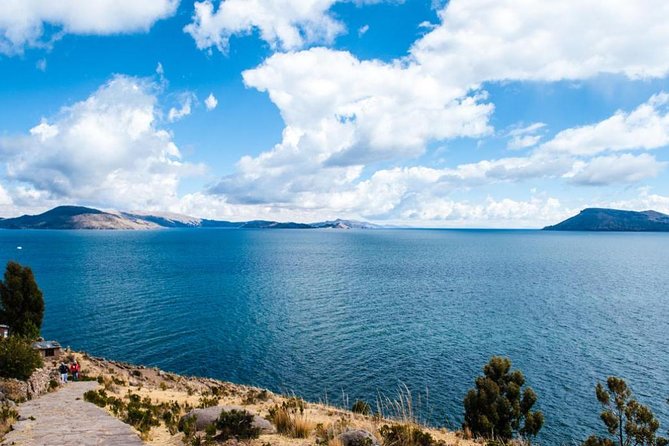
A hotel pickup at 6:45 a.m. takes you to the boat for a full day on Lake Titicaca. The lake extends along the Peru-Bolivia border and is famous as one of South America’s largest lakes and the highest navigable lake in the world.
The boat portion is listed as about 10 hours, including the island visits and travel time. That means you should prepare for a long day in open, exposed conditions. Bring a hat, sunglasses, sunscreen, a rain jacket or poncho, warm clothing, and a plastic bag for protecting small belongings.
The water is often calm, and the lake can reflect the bright high-altitude light. The Titicaca National Reserve around the lake protects unusual aquatic species, including giant frogs. The lake is also tied to Inca origin stories, which gives the scenery cultural importance beyond its size.
The boat fare and visits to Uros and Taquile are included. That is a major part of the tour’s value, since arranging transport to both islands independently can be awkward when you have only one day.
Uros: reed islands with a complicated story
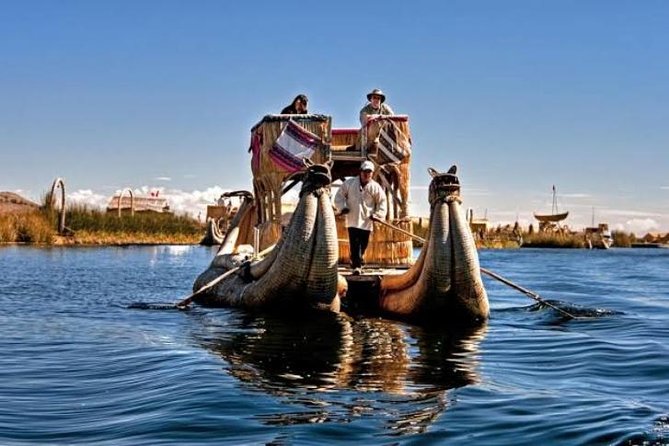
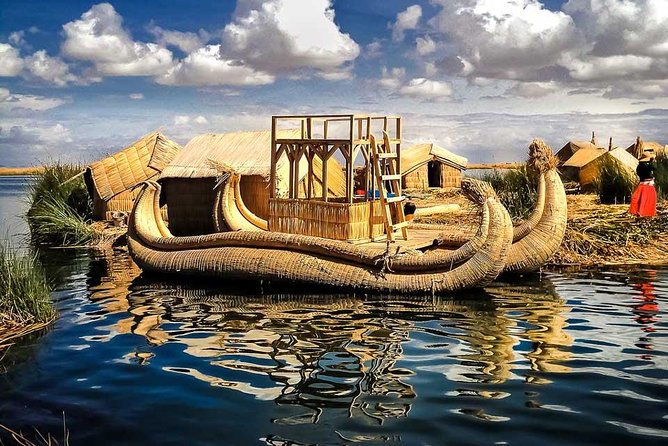
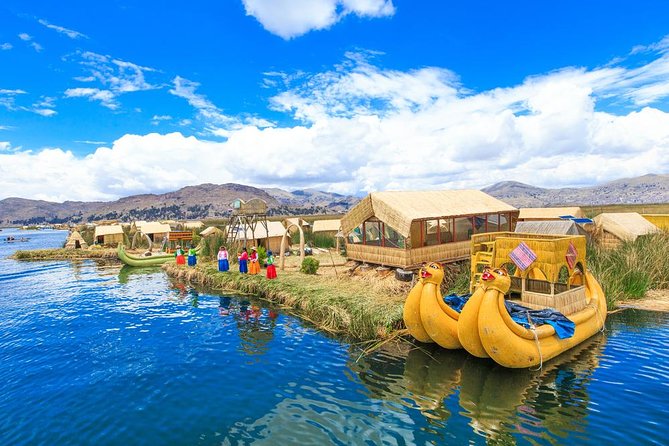
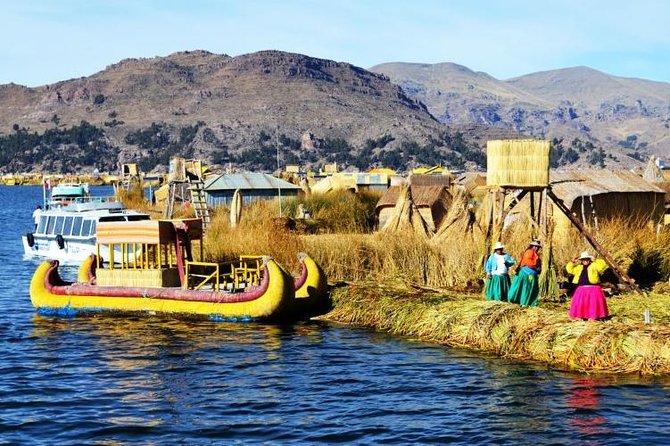
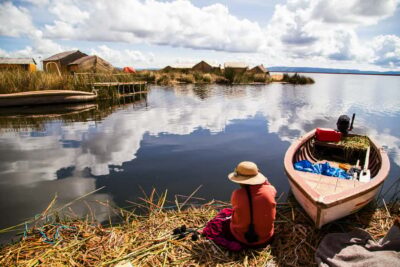
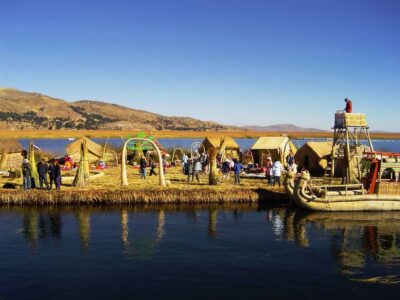
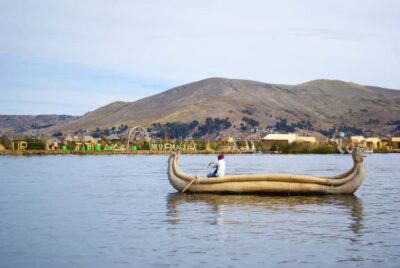
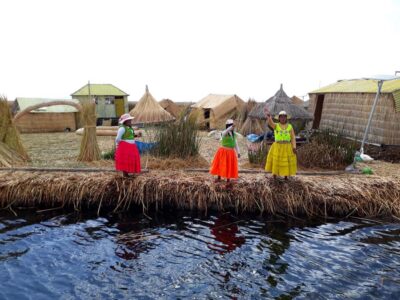
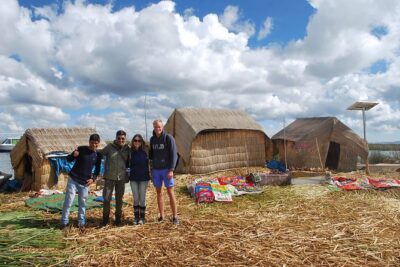
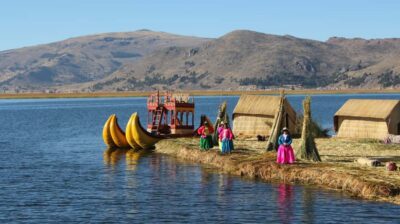
The first island visit is to Uros, a group of artificial, habitable islands made from totora reeds. The islands rest on layers of woven reeds and blocks of reed roots, with fresh material added as older layers break down.
You spend about an hour here. The visit gives you a close look at the island surfaces, construction materials, and daily life connected with the lake. The totora plant is not a decorative detail. It supports the physical islands and forms part of the local economy and traditions.
Uros is visually unusual, but try not to treat it as a simple photo stop. Listen carefully to the guide and ask how the islands are maintained, how people use the reeds, and how tourism fits into community life. The visit is brief, so you will receive an introduction rather than a complete picture of Uros society.
This is one of the most memorable parts of the trip for many people, and it is easy to see why. The islands look unlike ordinary land, yet the visit is not just about novelty. It shows how people have adapted their homes and routines to a changing lake environment.
Taquile: walking, customs, and trout
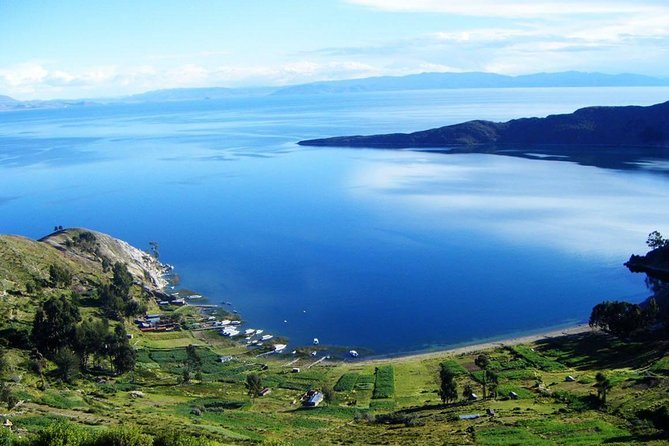
Taquile offers a very different kind of lake visit. The island is associated with local customs, rituals, beliefs, daily work, and contact with residents. The tour allows about an hour on the island, so expect a short guided introduction rather than an extended stay with a family.
The route may include walking on the island, and the information specifically recommends hiking shoes and moderate fitness. At high altitude, even a modest uphill walk can feel harder than expected. Move at your own pace and carry only a light backpack.
The island’s hills are viewed by local people as protective Apus, or sacred mountain spirits. That belief gives the scenery a cultural meaning that a quick viewpoint alone would miss. A good guide should help you understand the connection between place, ritual, and community life.
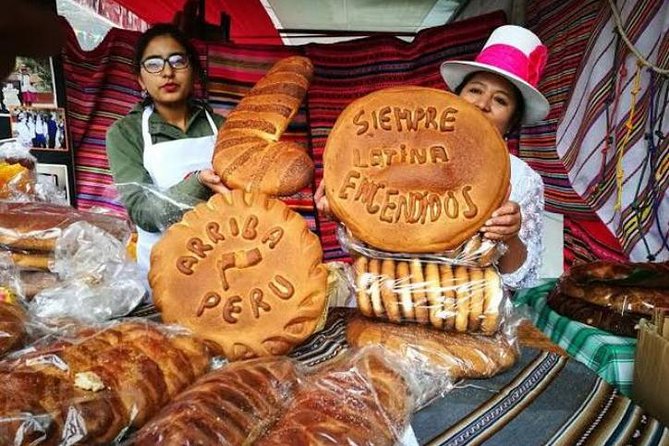
Lunch on Taquile is centered on lake trout. The meal is not included in the stated inclusions, despite the general promise of some meals, so carry extra Peruvian soles. Confirm the current lunch arrangement before departure if food costs matter to your budget.
The trout meal is one of the pleasant practical touches of the day, but you should not assume every expense on the island is covered. Extra money is listed as essential preparation, and that is good advice.
Guides, buses, and the value of the package
The tour uses professional guides, and the strongest praise goes to the clear explanations, attentive coordination, and pleasant staff. Manuel was singled out for doing a good job, while other passengers appreciated having two guides during the trip.
The changing guide structure can work well. One guide may handle the road stops and another may join the lake portion. The advantage is local focus at each stage. The drawback is that you need to pay attention to meeting points and instructions.
The buses received some of the most consistent praise. They were described as comfortable, and the route is designed around a tourist bus rather than a basic local bus. That matters on day one, when you are riding from early morning until late afternoon, and again on the overnight return.
The night bus is also the largest comfort compromise. You leave Puno at 9:15 p.m. after the lake day and arrive at the Cusco terminal at about 5:00 a.m. You may save the cost of another hotel night, but you will not get the same rest as you would in a bed.
The tour ends at the Cusco bus terminal, not necessarily at your hotel. Plan your next morning with that arrival point in mind.
Is $269 a fair price?
At $269 per person, I consider this a reasonable package for the right kind of schedule. You receive the Cusco to Puno tourist bus, several archaeological stops, a buffet lunch, a professional guide, accommodation in Puno, the island visits and boat travel, plus the overnight bus back to Cusco.
The value is strongest when you want convenience. You do not need to arrange separate transport to Andahuaylillas, Raqchi, La Raya, Pukara, Uros, or Taquile. You also avoid the risk of missing a connection between the road route, hotel, boat, and return bus.
The value is weaker if you dislike fixed schedules, shared transport, or overnight buses. You are paying for a lot of movement in a short period. Independent planning could give you more time in Puno or on the islands, but it would require more work and could cost more once you add boats, guides, meals, lodging, and intercity transport.
The unclear accommodation description is the main point I would resolve before paying. The tour promises a hostel or accommodation, but not a named hotel or clear room type. If a comfortable night is important to you, ask for those details directly.
What to pack for this high-altitude trip
Keep your main luggage organized and carry a light backpack for the day. You will want quick access to:
- Warm clothing for La Raya and the boat
- Hiking shoes with a secure sole
- Rain jacket or poncho
- Hat, sunglasses, and sunscreen
- Personal medication
- Water and energy bars
- Camera and a plastic bag for protection
- Extra Peruvian soles for lunch and small purchases
The tour accepts mobile tickets and confirms bookings at the time of reservation. Pickup is offered from hotels in Cusco and Puno, but pay close attention to the exact meeting instructions. Free cancellation is available up to 24 hours before the start time. Changes or cancellations inside that window are not accepted for a refund.
Who should book this tour?
I would choose this trip if you have only a short window between Cusco and Puno and want the major sights handled in one package. It suits you if you value comfortable buses, a small maximum group size, guided visits, and the chance to see both Uros and Taquile.
I would be cautious if you need a clearly named hotel, dislike overnight buses, or want long, quiet visits at each archaeological site. You should also postpone it if you are not acclimatized to high altitude or cannot manage a full day on your feet and a late night on the road.
The best way to book is to confirm three points first: the exact accommodation, the meal arrangement on Taquile, and the return pickup and terminal details. If those answers suit you, this is a practical and memorable way to connect Cusco’s archaeological route with the unusual island life of Lake Titicaca.
FAQ
How long does the tour last?
The scheduled sightseeing takes two days, but the return bus arrives in Cusco at about 5:00 a.m. the following day. In practical terms, you spend one night in Puno and one night on the bus.
What time is pickup in Cusco?
Pickup from your hotel in Cusco is scheduled for 6:30 a.m. on day one.
Which archaeological sites are visited on the first day?
The route includes Oropesa, Andahuaylillas, Chacacupe, Raqchi, La Raya, and Pukara, with a buffet lunch stop in Sicuani.
Is lunch included?
A buffet lunch in Sicuani on day one is included. Lunch on Taquile, including the lake trout meal, is not included in the stated inclusions.
What islands are visited on Lake Titicaca?
The boat trip visits the Uros Floating Islands and Taquile Island. The boat fare and island visits are included.
Where does the tour finish in Cusco?
The return bus arrives at the Cusco terminal at about 5:00 a.m. on the day after the lake excursion.
More 2-Day Experiences
- From Cusco: 2-Day Trip to the Sacred Valley and Machu Picchu
★ 4.6 · 265 reviews - Cusco: Machu Picchu 2-Day Inca Trail with Panoramic Train
★ 4.9 · 260 reviews - From Cusco: 2-Day Inca Trail to Machu Picchu
★ 4.2 · 244 reviews - Machu Picchu: Inca Trail 2-Day Overnight Guided Tour
★ 4.9 · 203 reviews
Just added around Cusco
- Cusco: Rainbow Mountain and viewpoint red valley ( optional)★ 4.8 · 3 reviews
- Tour Pallay Punchu Trek Full Day★ 4.2 · 3 reviews
- Montaña de Colores: tour en cuatrimotos día completo★ 3.3 · 3 reviews
- Excursion Cusco – Puno – Titicaca Observatory Train★ 5.0 · 3 reviews
- Cusco: Palcoyo Mountain Day Trip with Breakfast and Lunch★ 4.8 · 3 reviews
- Maras Moray★ 5.0 · 3 reviews
- Tour to Laguna Humantay with breakfast and lunch from Cusco★ 4.7 · 3 reviews
- From Cusco:Chinchero, Moray, Maras, Ollantaytambo with lunch★ 5.0 · 3 reviews
Lake Titicaca Tours, compared.
Lake Titicaca 2-Day Tour to Uros, Amantani and Taquile
Read our review →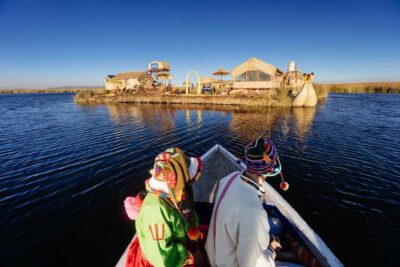
Full-Day Tour of Lake Titicaca and Uros & Taquile
Read our review →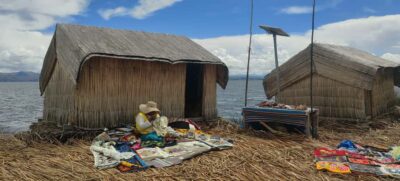
Browse the lists this tour appears in