
Reviewed · MACHU PICCHU TOURS
Small Group: 4-Day Inca Trail Trek to Machu Picchu
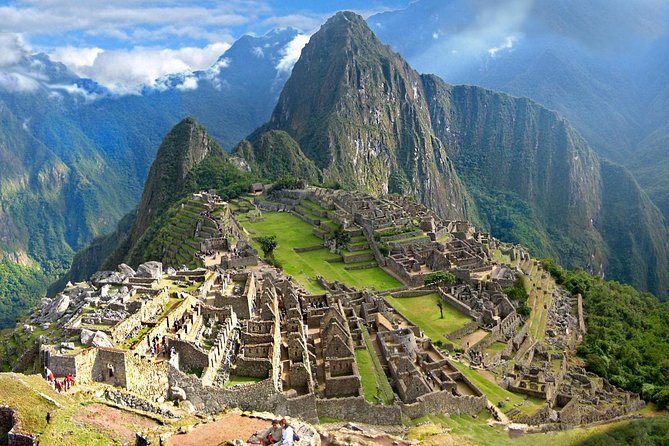
The trail is the real prize. This four-day Inca Trail trek earns its $850 price with two things I especially like: a small group capped at 10 people and a full support crew with a chef, porters, camping gear, meals, and transport. You also get the classic arrival at Machu Picchu through the Sun Gate, not a bus ride to the entrance. The main caution is simple: this is a serious high-altitude hike, with long days, steep stone steps, basic camps, and an early start on Day 1.
You will cross several climate zones, pass major Inca sites, and climb to 4,215 meters at Dead Woman’s Pass. I like that the experience keeps the focus on the trail itself, while still handling the awkward details, including food, tents, permits, trains, and the return to Cusco. Just remember that the sleeping bag, travel insurance, and Day 4 meals cost extra.
In This Review
- Key details before you commit
- Why the Inca Trail remains worth the effort
- Day 1: Km 82 to Wayllabamba
- Day 2: Dead Woman’s Pass at 4,215 meters
- Day 3: Runkurakay, Sayacmarca, and Wiñayhuayna
- Day 4: The Sun Gate and Machu Picchu
- Guides, cooks, and the human side of the trek
- What the $850 price really covers
- Fitness, altitude, and what to pack
- Who should book this Inca Trail trek?
- Should you book it?
- FAQ
- How long is the Inca Trail trek?
- What time does the tour begin?
- What is the highest point on the route?
- Are meals included?
- Is a sleeping bag included?
- Are Huayna Picchu and Machu Picchu Mountain included?
- What documents must I bring?
Key details before you commit
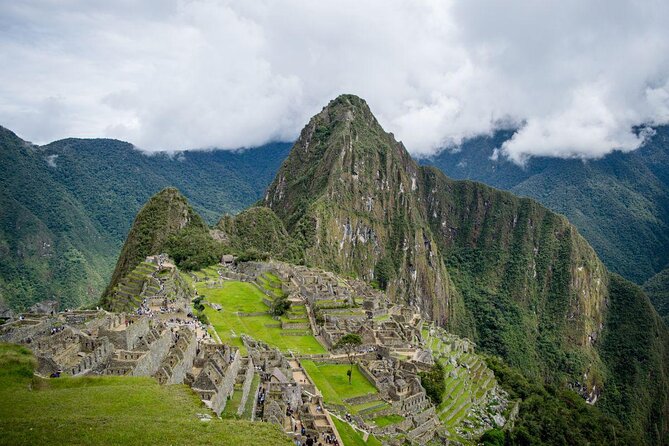
- A four-day route with a proper Sun Gate arrival: You reach Machu Picchu on foot through Inti Punku, the classic viewpoint above the citadel.
- A hard second day: Dead Woman’s Pass reaches 4,215 meters, or 13,828 feet, and the seven-hour hiking day includes a steep descent.
- Small-group support: The tour information gives a maximum of 10 hikers, while the included-services section says 12, so confirm the final group size before paying.
- A serious food operation: A chef prepares three breakfasts, three lunches, and three dinners, with past departures praised for generous, varied meals, including vegetarian options.
- Porter help without carrying everything: A personal porter carries up to 5 kilograms of your gear, while the wider crew handles cooking and camping equipment.
- Permits matter: Only 500 people, including hikers, guides, porters, and cooks, can enter the Inca Trail each morning, so booking five months ahead is wise.
Why the Inca Trail remains worth the effort
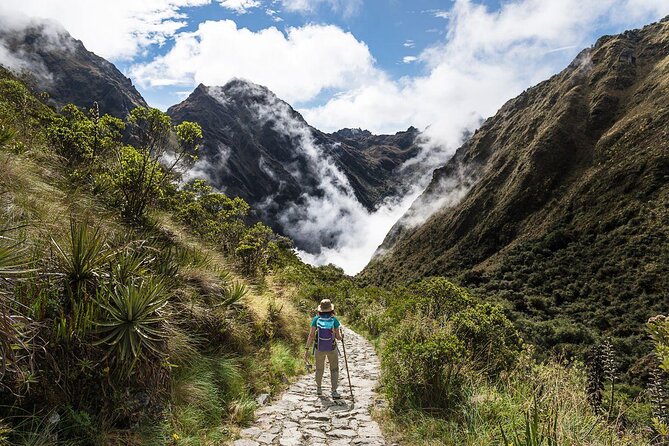
Machu Picchu is the headline, but the route gives you something the train and bus approach cannot. You walk through old settlements, ceremonial sites, terraces, cloud forest, high grassland, and narrow stone paths before the famous citadel appears below.
That gradual approach changes the feeling of the visit. You do not simply arrive at an archaeological site. You work toward it, one pass and one flight of stone stairs at a time. By the time you reach the Sun Gate, the ruins have already been part of your daily life.
This is also a regulated trek. Peru limits the route to 500 people each morning, counting the entire support staff. That limit helps keep the trail and camps in good condition, though it also means permits disappear quickly. The recommended booking window is at least five months ahead.
The price of $850 per person is not a bargain in the ordinary backpacker sense. It is a package price for a licensed, permit-based trek with a guide, cook, porters, tents, mattress, meals, transfers, train, and bus service. If you priced those parts separately, the arrangement would look more reasonable. Still, you should budget for a sleeping bag rental, insurance, optional mountain tickets, and your final day meals.
More Hiking & Trekking in Cusco
- From Cusco: 7 Lakes Ausangate Trek with Breakfast and Lunch
★ 4.8 · 360 reviews - Cusco: Rainbow Mountain Tour and Red Valley Hike (Optional)
★ 4.7 · 149 reviews - Cusco: Full-Day Rainbow Mountain & Red Valley Trekking Tour
★ 4.5 · 121 reviews
Day 1: Km 82 to Wayllabamba
The day begins at 5:00 a.m. with pickup from your central Cusco hotel. A private bus heads toward the Sacred Valley, passing Chinchero, Urubamba, and Ollantaytambo before reaching Km 82 after about two and a half hours.
That early start is not decorative. It allows the group to reach the official trailhead and begin walking before the day gets hot. You need to bring your own water for the first four hours. After that, water is included.
The first day covers about five hours of hiking. The route climbs toward Wilka Rakay, where you get views of Patallacta and the Kusichaca Valley. Patallacta is one of the first major Inca sites on the route, and its terraces give you an immediate sense that this is not just a mountain walk.
The climb is moderate compared with what comes next, but it is still a poor place to discover that your boots rub or your daypack is too heavy. Use the first day to settle into a steady pace. You will arrive at Wayllabamba at about 3,000 meters, or 9,842 feet, and camp there.
Your crew sets up the campsite and prepares dinner. The dining tent has tables and chairs, a small luxury that matters after several hours on your feet. Hot water is available each morning, and an inflatable mattress is included. The sleeping bag is not, though you can rent one locally through the operator.
Day 2: Dead Woman’s Pass at 4,215 meters
Day 2 is the physical test. After breakfast, you climb for about an hour to Tres Piedras, then continue into the cloud forest. The route eventually reaches Abra de Warmihuañusca, better known as Dead Woman’s Pass.
At 4,215 meters, this is the highest point of the trek. The climb can feel slow and demanding, especially if you are not used to altitude. You do not need to race. The useful approach is to keep your steps short, drink regularly, and accept that the group will move at a mountain pace.
The pass itself crosses a broad stretch of high Andean grassland. The views are wide and spare, with rugged peaks and open slopes. Reaching the top is a satisfying moment, but do not treat it as the end of the hard work. The trail drops steeply to Pacaymayo, where the campsite sits at about 3,600 meters.
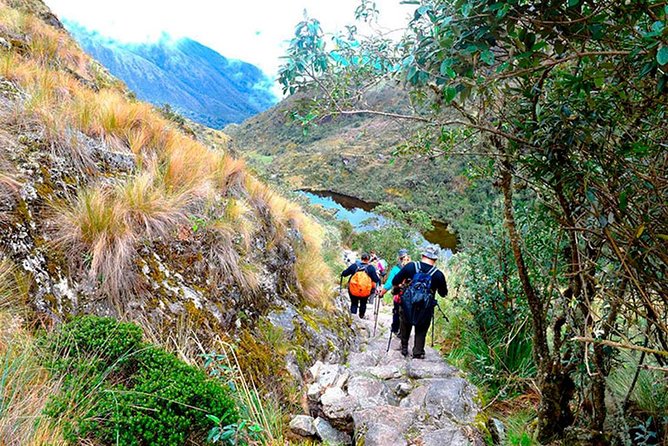
This day takes about seven hours. The descent may be harder on knees than the climb is on lungs, particularly on uneven stone steps. Hiking poles would be useful, although they are not listed among the included items, so plan accordingly.
The good news is that the support crew takes care of dinner and camp. The personal porter can carry up to 5 kilograms of your belongings. That does not mean you can pack without limits, since you still carry your daypack, water, rain gear, camera, medication, and other essentials.
Day 3: Runkurakay, Sayacmarca, and Wiñayhuayna
Day 3 is the longest day, at about eight hours, but it may also be the most rewarding for people who care about Inca engineering and changing scenery.
The first climb takes about 45 minutes to Runkurakay, an old resting site for people moving along the trail. Another 45-minute ascent brings you to Runkurakay Pass at 4,000 meters. This is the second highest point of the trek.
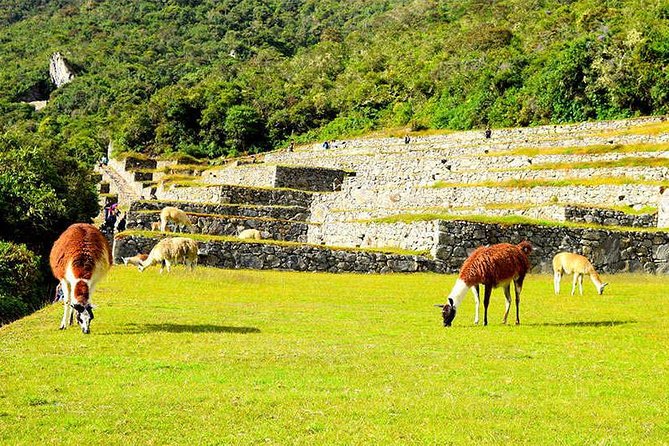
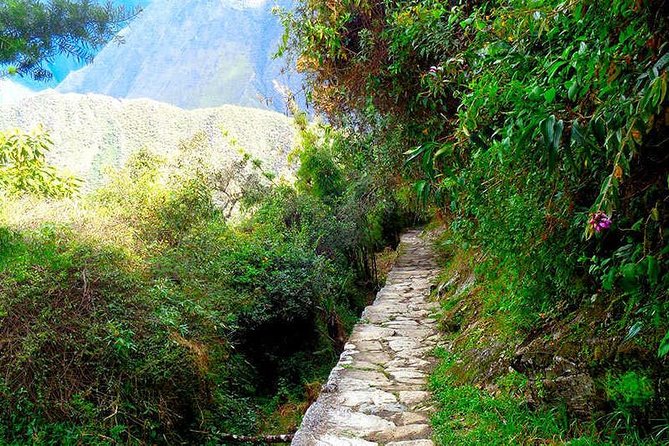
From the pass, you descend to Sayacmarca. The ruins occupy a steep mountainside, and their position shows how carefully the Incas used difficult ground. The stone paths here are well preserved, but this remains a walking route, not a smooth park path. Watch your footing and keep your hands free when possible.
Lunch comes at Chaquicocha. Afterward, the route enters high Andean cloud forest, with thick plant growth and possible wildlife sightings. The trail follows a narrow ridge toward Phuyupatamarca Pass, where you can look across the Sacred Valley and toward distant peaks. The views depend on cloud and weather, so do not plan the day around one perfect photograph.
The route then descends past ceremonial sites and agricultural terraces to Wiñayhuayna, the final campsite. Reaching this point is important because Machu Picchu is now close, but you still have an early morning ahead.
This is where the tour’s food and camp service can make a real difference. Past departures have praised chefs such as Sabino, Herminios, Mario, and Nazario for producing filling, varied meals in basic camp conditions. Vegetarian food has also received strong praise. You should still provide dietary requests before the trek rather than hoping the kitchen can improvise.
More Inca Trail Treks in Cusco
- Cusco: 4-Day Inca Trail to Machu Picchu with Accommodation
★ 4.8 · 432 reviews - Cusco: Machu Picchu 2-Day Inca Trail with Panoramic Train
★ 4.9 · 260 reviews - From Cusco: 2-Day Inca Trail to Machu Picchu
★ 4.2 · 244 reviews - Machu Picchu: Inca Trail 2-Day Overnight Guided Tour
★ 4.9 · 203 reviews
Day 4: The Sun Gate and Machu Picchu
The final morning starts early. You walk the last section of the Inca Trail to Inti Punku, the Sun Gate. The approach takes about an hour and is relatively easy compared with the previous days.
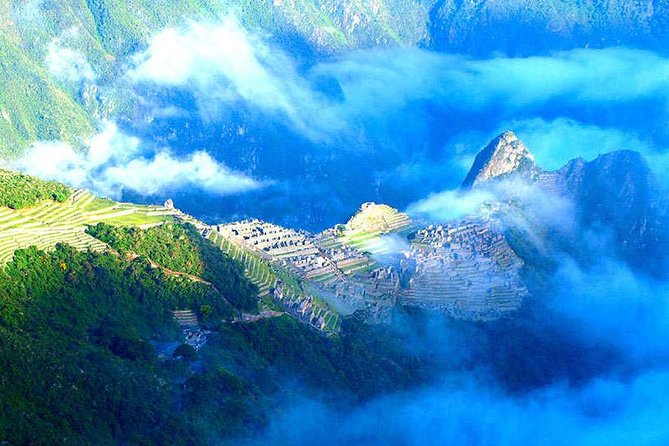
Weather controls the first view. On a clear morning, you may see the sun rise over the Andes and Machu Picchu below. Clouds can hide the citadel, so keep your expectations flexible. The viewpoint remains meaningful even if the famous reveal is delayed.
From Inti Punku, the trail drops for about 45 minutes to the upper terraces. This is the place for the classic wide view and photographs. You then enter the historic sanctuary for a guided visit covering temples, ceremonial areas, terraces, and storage structures.
The tour description includes admission to Machu Picchu, but it also notes an extra charge for a new ticket if you want re-entry. That detail matters. If you leave the site and hope to return later, confirm the current ticket arrangement before the trek.
Huayna Picchu and Machu Picchu Mountain are optional hikes that require advance booking and an additional ticket. Huayna Picchu rises to 2,720 meters, while Machu Picchu Mountain reaches 3,082 meters. After three days on foot, either climb adds work, so choose based on your stamina and interest rather than trying to collect every possible viewpoint.
The afternoon includes a return to Aguas Calientes, time for a break and lunch at your own expense, then a train to Ollantaytambo. A private van takes you from there back to Cusco. The full day is listed at about nine hours, so expect a late finish.
Guides, cooks, and the human side of the trek
A good guide matters most when the trail gets hard. The people associated with these departures include Freddy, Edwin, Herlin, Ronald, Paul, and Yoyo. Their reported strengths include clear explanations of Inca culture, humor during wet weather, careful pacing, and attention to how the group is feeling.
Freddy is especially praised for combining historical detail with personal reflection about Andean culture and tradition. Herlin is noted for stories about the ruins and his own life, while Ronald brings a strong connection to the trail, Machu Picchu, and his Peruvian ancestry. You cannot select a particular guide from the information provided, so treat these names as examples, not a guarantee.
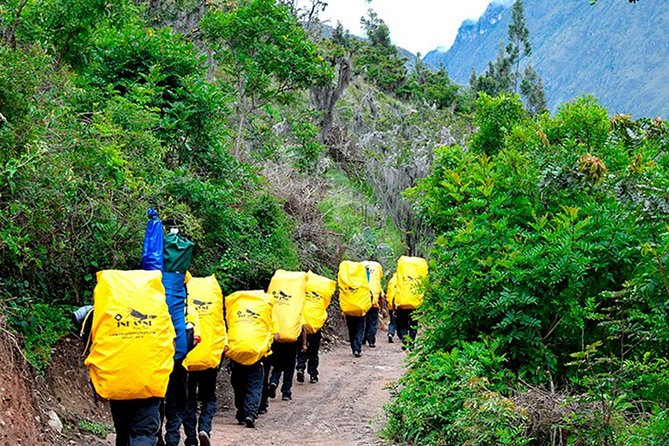
The porters are called chaskis, a Quechua word linked with the runners who carried messages across the Inca road system. Here, they carry cooking and camping equipment, while your personal porter handles up to 5 kilograms of your gear. Their work is a major part of what makes the package possible, and you should pack lightly and treat the crew with respect.
The chef may be the surprise highlight. Three-course meals, plentiful portions, fresh ingredients, and good seasoning have all been praised, even though the kitchen operates at camp. After Dead Woman’s Pass, a hot dinner is not a minor perk. It can determine how well you recover for the next day.
What the $850 price really covers
At $850, you receive more than a guided walk. The package includes:
- Hotel pickup and private bus transport to Km 82
- Inca Trail and Machu Picchu admission
- English-speaking guide
- Chef and porters
- Three breakfasts, three lunches, and three dinners
- Spacious four-person tents shared by two people
- Inflatable mattress and pillow
- Dining tent with tables and chairs
- Water after the first four hours of Day 1
- Oxygen bottle and first aid kit
- Hot water each morning
- Bus from Machu Picchu to Aguas Calientes
- Train and bus transport back to Cusco
That list explains the value. You are not carrying the kitchen, tent, fuel, or all your food. You also avoid arranging separate transport from the trailhead and back from Aguas Calientes.
The exclusions are worth noting. Breakfast on Day 1, lunch and dinner on Day 4, a sleeping bag, travel insurance, and tickets for Huayna Picchu are extra. The tour is non-refundable and cannot be changed after booking, so do not pay until your dates and fitness plans are firm.
Fitness, altitude, and what to pack
The operator describes the trek as suitable for people with moderate physical fitness. I would take that seriously. Four to eight hours of walking on consecutive days, high passes, steep descents, and altitude make this much harder than a normal sightseeing tour.
The minimum age is six, but age alone tells you little about readiness. A child or older adult should be assessed by a parent or doctor based on stamina and medical history. The experience is not recommended for people with back problems, heart disease, or other serious medical conditions.
Bring your original passport. A current passport is required on the day of the trek, and an ISIC card is needed if you want to qualify for the student discount.
Your clothing should include walking boots, a waterproof jacket or rain poncho, warm layers, a hat, gloves, shirts, and comfortable trousers. Add sunscreen of at least SPF 35, insect repellent, toiletries, hand sanitizer, personal medication, and a torch with spare batteries.
Weather can shift sharply. One past departure included heavy rain, hail, cold, strong sun, and soaked clothing. Pack for change, not for the forecast you saw in Cusco. Keep waterproof protection accessible in your daypack, not buried in a porter’s load.
Who should book this Inca Trail trek?
I would choose this trip if you want the classic four-day route, prefer a small group, and value having meals and camp work handled for you. It suits hikers who want a meaningful approach to Machu Picchu rather than the quickest possible visit.
It is also a good fit if you care about local staff and direct cultural context. The guides and porters are central to the experience, not background service providers. Their stories, pacing, and work shape the days.
I would not choose it if you dislike early mornings, basic camping, steep steps, or uncertain weather. If your main goal is simply to see Machu Picchu, a shorter rail-based visit will be less demanding. This tour asks you to earn the arrival.
Should you book it?
Book it if you want the trail to be part of the destination. The strongest reasons are the Sun Gate arrival, the small group, the excellent food setup, the porter support, and the careful transport plan from Cusco to the trail and back.
Before paying, confirm the final group limit, permit availability, sleeping bag cost, re-entry rules, and optional mountain tickets. Book at least five months ahead if possible. If you are fit enough for high-altitude hiking and accept that comfort comes in the form of a hot meal and a dry tent rather than a hotel room, this $850 trek offers a well-supported and memorable route to Machu Picchu.
FAQ
How long is the Inca Trail trek?
The trek lasts approximately four days. The hiking times are about five hours on Day 1, seven hours on Day 2, eight hours on Day 3, and nine hours on Day 4 including the Machu Picchu visit and return transport.
What time does the tour begin?
Pickup begins at 5:00 a.m. from your hotel in central Cusco.
What is the highest point on the route?
The highest point is Dead Woman’s Pass, also called Abra de Warmihuañusca, at 4,215 meters or 13,828 feet.
Are meals included?
Breakfast, lunch, and dinner are included for Days 1 through 3. Breakfast on Day 1 and lunch and dinner on Day 4 are not included.
Is a sleeping bag included?
No. A sleeping bag can be rented from the local tour operator.
Are Huayna Picchu and Machu Picchu Mountain included?
No. Both require advance booking and an additional entrance ticket.
What documents must I bring?
You must bring your original, current passport on the day of the trek. An ISIC card is also needed if you want to qualify for the student discount.
More Ways to Reach Machu Picchu
- The First Class Machu Picchu Train by Inca Rail
★ 4.0 · 182 reviews - From Cusco: 1-day Machu Picchu Tour by Train
★ 4.6 · 138 reviews - Private Tour to Sacred Valley and Machu Picchu from Cusco
★ 5.0 · 133 reviews - Machupicchu 1 day tour
★ 5.0 · 128 reviews
More Machu Picchu Tours in Cusco
- From Cusco: Full-Day Group Tour of Machu Picchu
★ 4.7 · 1,767 reviews - Machu Picchu Day Trip from Cusco
★ 4.5 · 1,644 reviews - Machu Picchu: Full-Day Tour from Cusco with Optional Lunch
★ 4.6 · 927 reviews - From Cusco: 2-Day Trip to the Sacred Valley and Machu Picchu
★ 4.6 · 265 reviews
Just added around Cusco
- Cusco: Rainbow Mountain and viewpoint red valley ( optional)★ 4.8 · 3 reviews
- Montaña de Colores: tour en cuatrimotos día completo★ 3.3 · 3 reviews
- Tour Pallay Punchu Trek Full Day★ 4.2 · 3 reviews
- Excursion Cusco – Puno – Titicaca Observatory Train★ 5.0 · 3 reviews
- Cusco: Palcoyo Mountain Day Trip with Breakfast and Lunch★ 4.8 · 3 reviews
- Maras Moray★ 5.0 · 3 reviews
- Tour to Laguna Humantay with breakfast and lunch from Cusco★ 4.7 · 3 reviews
- From Cusco:Chinchero, Moray, Maras, Ollantaytambo with lunch★ 5.0 · 3 reviews
Machu Picchu Tours, compared.



Machu Picchu: Full-Day Tour from Cusco with Optional Lunch
Read our review →
4-Day Inca Trail to Machu Picchu with Accommodation
Read our review →
2-Day Trip to the Sacred Valley and Machu Picchu
Read our review →
Machu Picchu 2-Day Inca Trail with Panoramic Train
Read our review →

Machu Picchu: Inca Trail 2-Day Overnight Guided Tour
Read our review →Browse the lists this tour appears in