
Reviewed · MACHU PICCHU TOURS
Salkantay trek to Machu Picchu – 5D/4N – Premium
The mountains make you work for the reward. This 5-day Salkantay trek links Humantay Lake, high mountain passes, cloud-forest scenery, and Machu Picchu in one demanding route. I like the mix of raw camping at SalkantayPampa and a final night in Aguas Calientes, and the $510 price covers major costs such as meals, entrances, trains, buses, guides, camping, and a sleeping bag.
I also like the small-group limit of 15 people and the range of scenery across the 64-kilometer route. The main caution is organization. One recent departure involved changing guides, missing parts of the planned program, and poor support when a participant became ill, so you should confirm the daily plan and emergency arrangements before setting out.
In This Review
- Key points to know before booking
- Why choose Salkantay instead of the Inka Trail
- Day one: Humantay Lake and SalkantayPampa
- Day two: SalkantayPampa to Chaullay
- Day three: Chaullay to Lucmabamba
- Day four: Llactapata, Hydroelectric, and Aguas Calientes
- Day five: Machu Picchu and the return to Cusco
- What the $510 price really covers
- Camping, comfort, and what to pack
- Guide quality and organization
- Who will enjoy this trek most
- Should you book the Salkantay Premium trek?
- FAQ
- How long is the Salkantay trek to Machu Picchu?
- How difficult is the route?
- What accommodation is included?
- Is the Machu Picchu entrance included?
- Is the return train included?
- What meals are not included?
Key points to know before booking
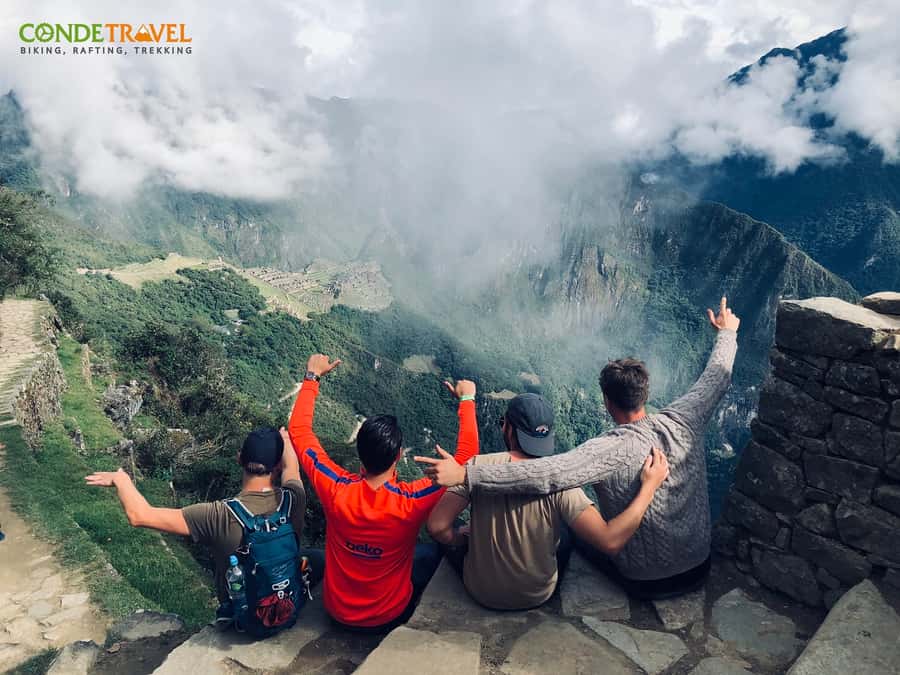
- Humantay Lake starts the trek with a serious effort: Day one covers about 16 kilometers and takes roughly seven hours.
- SalkantayPampa gives you the most authentic camp night: Expect three nights of camping, including the high mountain base camp.
- The route changes dramatically: You move from cold mountain scenery to warmer valleys, coffee country, and the trail near Machu Picchu.
- The price includes the expensive essentials: Your fee covers the Machu Picchu entry, round-trip citadel buses, meals listed in the plan, camping, hotel, train, and transfers.
- The trek is moderate to challenging, not a casual walk: Four days include long hiking days of six to seven hours.
- Guide consistency matters: Eduardo received strong praise for explaining nature, local traditions, and people, but another departure had three different guides.
Why choose Salkantay instead of the Inka Trail
The Salkantay route is the best-known alternative to the Inka Trail, and its appeal is easy to understand. You get a longer journey through changing environments rather than a short approach focused mainly on ruins and stone paths.
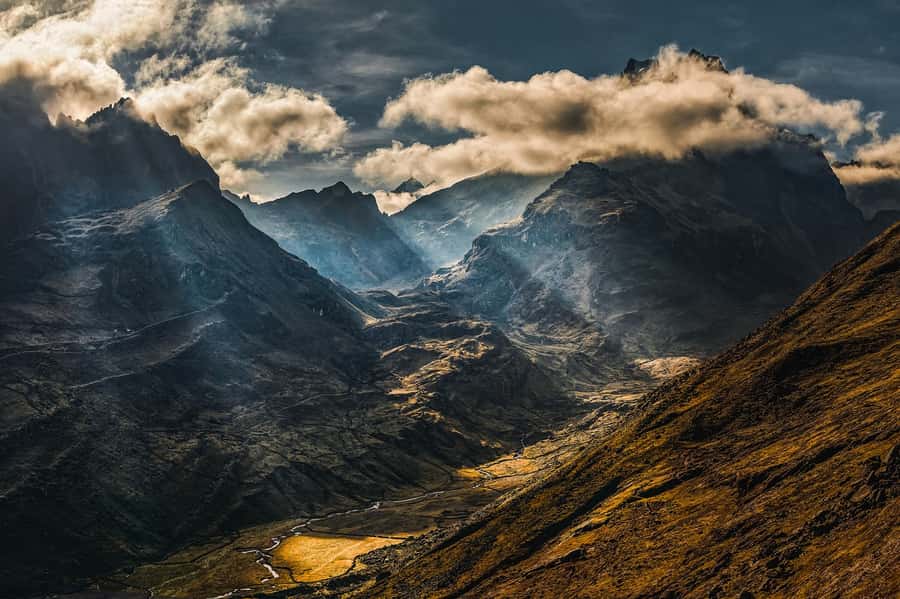
Here, the scenery does much of the talking. You begin near high mountain lakes and snow country, then descend toward warmer valleys before reaching Machu Picchu through the Hydroelectric route. That variety gives the trek a strong sense of travel, not just exercise.
The cost also makes sense for someone who wants a packaged trip. At $510 per person, you are paying for four nights, food listed in the schedule, a professional bilingual guide, a chef and assistants, entrance tickets, the return train, transport back to Cusco, and buses at Machu Picchu. Buying those parts separately would take more planning and could cost more, especially once you add transportation and park entry.
Still, this is not a soft adventure. A 64-kilometer route, steep sections, high elevation, cold nights, and long walking days require preparation. If you want a gentle visit to Machu Picchu with minimal effort, choose a shorter trip instead.
More Hiking & Trekking in Cusco
- From Cusco: 7 Lakes Ausangate Trek with Breakfast and Lunch
★ 4.8 · 360 reviews - Cusco: Rainbow Mountain Tour and Red Valley Hike (Optional)
★ 4.7 · 149 reviews - Cusco: Full-Day Rainbow Mountain & Red Valley Trekking Tour
★ 4.5 · 121 reviews
Day one: Humantay Lake and SalkantayPampa
The first day runs from Cusco to Humantay Lake and then onward to the SalkantayPampa base camp. The stated distance is about 16 kilometers, with around seven hours of walking.
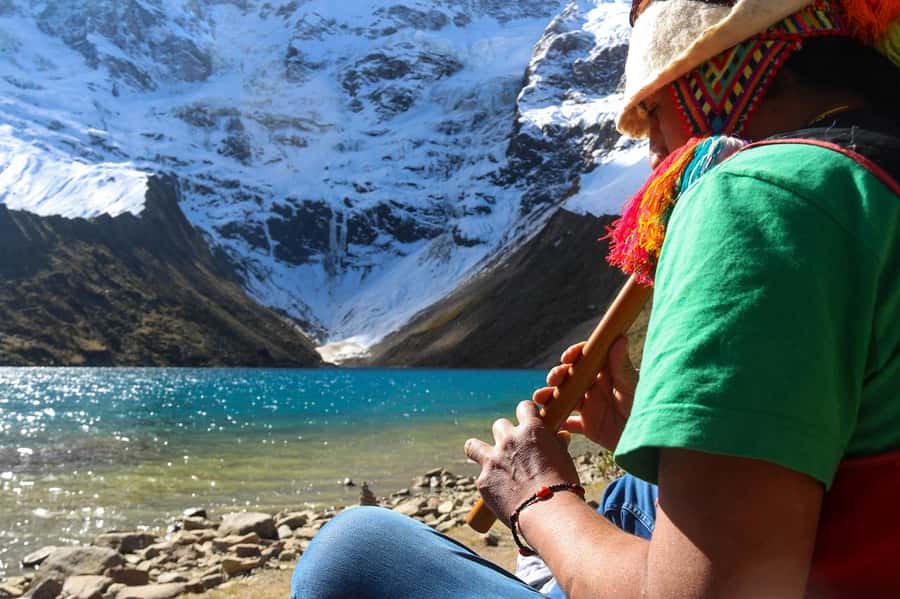
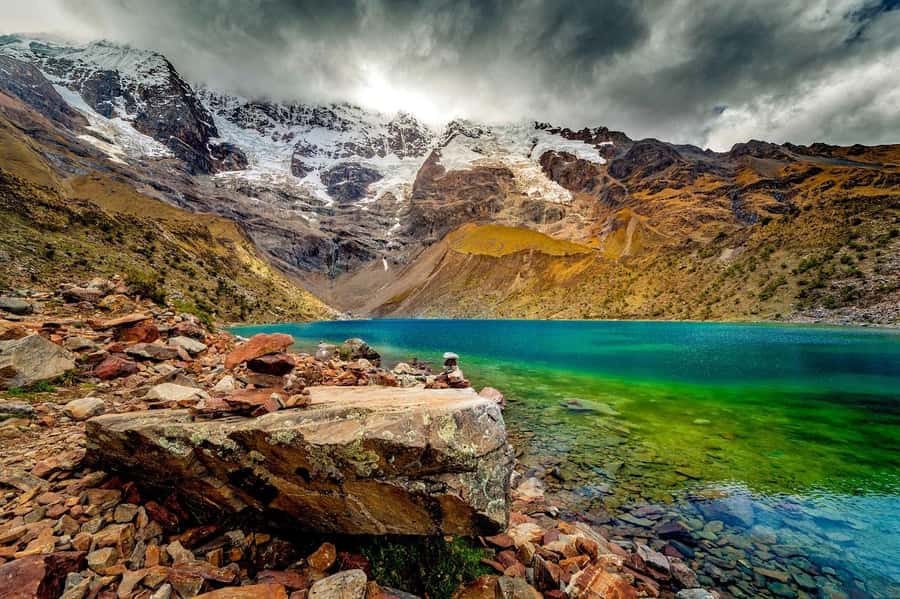
Humantay Lake is the visual prize early in the trip. Its high mountain setting gives you the kind of scenery that makes the first hard climb feel worthwhile. The route then continues toward SalkantayPampa, where you spend the night in a proper camp rather than a hotel.
That first night is important. SalkantayPampa is presented as an authentic camping experience, and it is likely to feel far more exposed and basic than the later night in Aguas Calientes. You should bring warm layers, a hat, a flashlight, and dry clothes. Snow clothing is specifically recommended, which tells you not to treat this as a warm-weather camping trip.
A sleeping bag is included, a useful saving since suitable cold-weather gear can be expensive to buy or rent. Even so, pack carefully. Your daypack should hold personal medication, water if supplied separately, sunscreen, a camera, and extra clothing. Keep your passport protected and accessible, since you need it for the trip.
The first day is also the point where fitness becomes clear. Seven hours on foot is a long opening day, especially after travel from Cusco. If you are not used to sustained walking, arrive with some training rather than relying on enthusiasm alone.
Day two: SalkantayPampa to Chaullay
Day two covers about 18 kilometers and takes approximately seven hours, making it the longest stated hiking day. The route begins at SalkantayPampa and ends in Chaullay.
This is the day to pace yourself. You will still be dealing with the effects of the high country, and the total distance can feel more important than any single climb. Comfortable closed-toe shoes are essential. Open-toed shoes are not allowed, and they would be a poor choice for this terrain in any case.
The camp setup includes a spacious dining tent and kitchen, with a chef and assistants handling the meals. That changes the experience in a useful way. You can concentrate on walking while the support team manages cooking and the basic camp routine.
Vegetarian food is available, but the included meals are only those specified in the daily plan. The first breakfast is not included, so you need to account for that small gap at the start. The final day’s lunch and dinner are also excluded, which matters because your return to Cusco continues after Machu Picchu.
Chaullay marks a change in the trip. You are no longer simply making your way through high mountain country. The following days move toward warmer valleys, and the scenery begins to shift in color, temperature, and vegetation.
Day three: Chaullay to Lucmabamba
The third day covers about 16 kilometers in roughly six hours, taking you from Chaullay to Lucmabamba. It is slightly shorter than the first two days, but you still need to treat it as a full hiking day.
This portion is valuable because the route becomes more varied. The Salkantay trek is not just a high-altitude march. As you descend, you reach a different climate and a different kind of rural setting. The change gives your legs some relief from the cold, though it does not remove the physical demands of the route.
Lucmabamba is one of the places where the trek feels more connected to local life and agriculture than to a single famous sight. The supplied information identifies it as part of the route but does not promise a particular farm visit or activity, so keep your expectations focused on the walk, the scenery, and the camp setting.
By this point, your relationship with the guide becomes especially important. A good guide can explain the plants, traditions, and communities you pass through, turning a long walk into a more meaningful experience. Eduardo was singled out for giving useful information about nature, traditions, and local people, and for making the group feel well cared for. If he is assigned to your departure, that is a real plus, though guide assignments can change.
The experience is in English, with a bilingual professional guide listed as part of the package. The group size is limited to 15, small enough for questions and personal attention when the operation is running well.
More Inca Trail Treks in Cusco
- Cusco: 4-Day Inca Trail to Machu Picchu with Accommodation
★ 4.8 · 432 reviews - Cusco: Machu Picchu 2-Day Inca Trail with Panoramic Train
★ 4.9 · 260 reviews - From Cusco: 2-Day Inca Trail to Machu Picchu
★ 4.2 · 244 reviews - Machu Picchu: Inca Trail 2-Day Overnight Guided Tour
★ 4.9 · 203 reviews
Day four: Llactapata, Hydroelectric, and Aguas Calientes
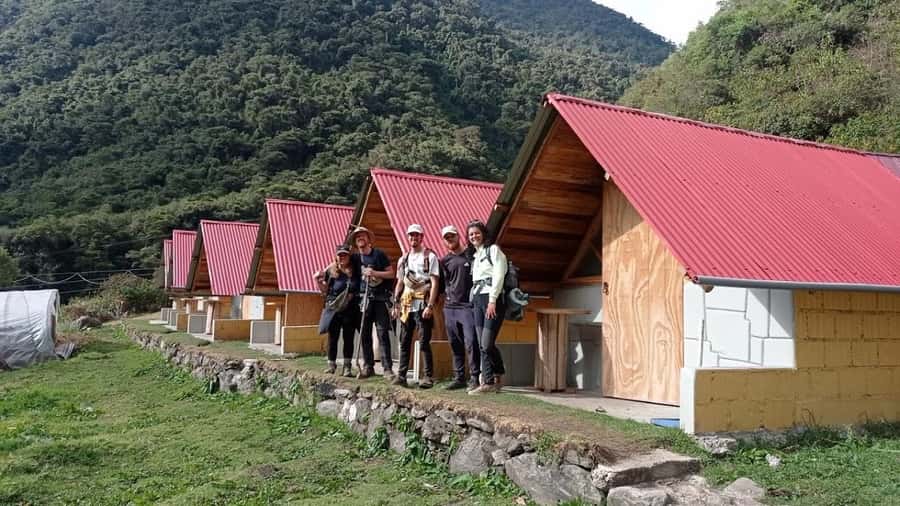
The fourth day covers about 14 kilometers and takes around six hours. You leave Lucmabamba, pass through Llactapata, continue to Hydroelectric, and finish in Aguas Calientes, also called Machu Picchu Pueblo.
This is the transition day between wilderness and the main attraction. Llactapata adds an archaeological and scenic element before the route heads toward Hydroelectric. The walk from Hydroelectric to Aguas Calientes is a well-known part of this approach, but the information provided does not specify every section or stop, so your guide should explain the day’s exact sequence at the start.
The biggest comfort upgrade comes that evening. After three nights at campsites, you spend one night in a hotel in Aguas Calientes. That means a bed, a chance to reorganize your belongings, and a more settled base before visiting the citadel.
This overnight stay also protects the Machu Picchu visit from becoming a rushed add-on. You are already in the town below the ruins, rather than trying to complete the final sightseeing and a long return journey on the same day.
One serious organizational issue deserves attention here. A recent departure reportedly lost two days in the village while dealing with tickets, and the promised single-guide arrangement became three different guides. That is not a minor inconvenience on a five-day trip. Ask who will meet you in Aguas Calientes, when your Machu Picchu entry time will be confirmed, and how the operator handles illness or route changes.
Day five: Machu Picchu and the return to Cusco
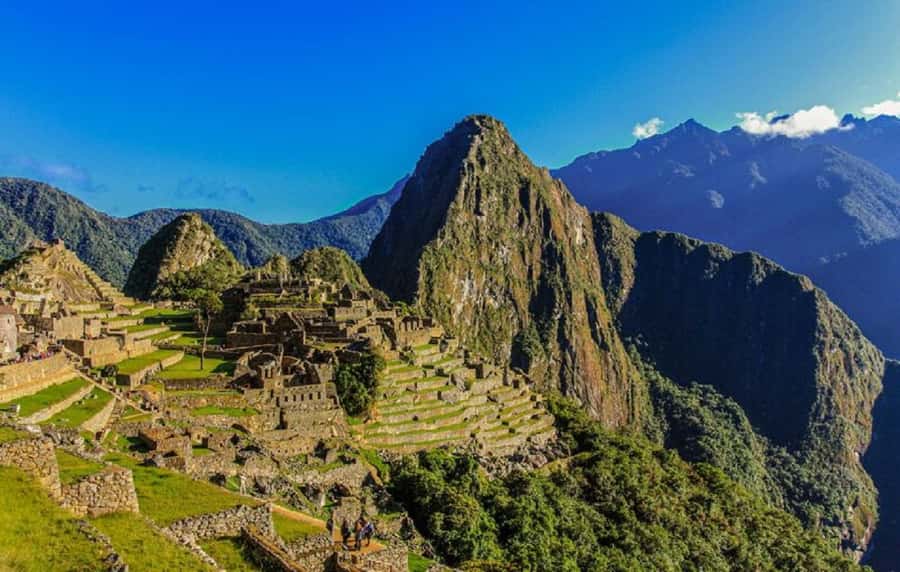
The final day is devoted to Machu Picchu, followed by the return journey to Cusco. The package includes entrance to the citadel and round-trip bus service between Aguas Calientes and Machu Picchu.
Those buses matter. After four days of walking, the uphill road to the citadel would be an unnecessary final test. The bus lets you save your legs for the archaeological site itself.
The standard Machu Picchu entry is included, but Huayna Picchu and Machu Picchu Mountain are not. If you want either additional climb, you need to arrange and pay for that separately, and you should not assume it can be added at the last moment.
After the visit, the return train runs from Aguas Calientes to Ollantaytambo. Transportation from Ollantaytambo to Cusco is also included. The final lunch and dinner are not included, so carry cash for food and other personal expenses.
The return schedule can make the final day long. You will have the citadel visit, the bus transfer, the train, and the road journey to Cusco. Keep your phone charged and your documents secure. A flashlight, cash, and a small bag remain useful even after the hiking is finished.
What the $510 price really covers
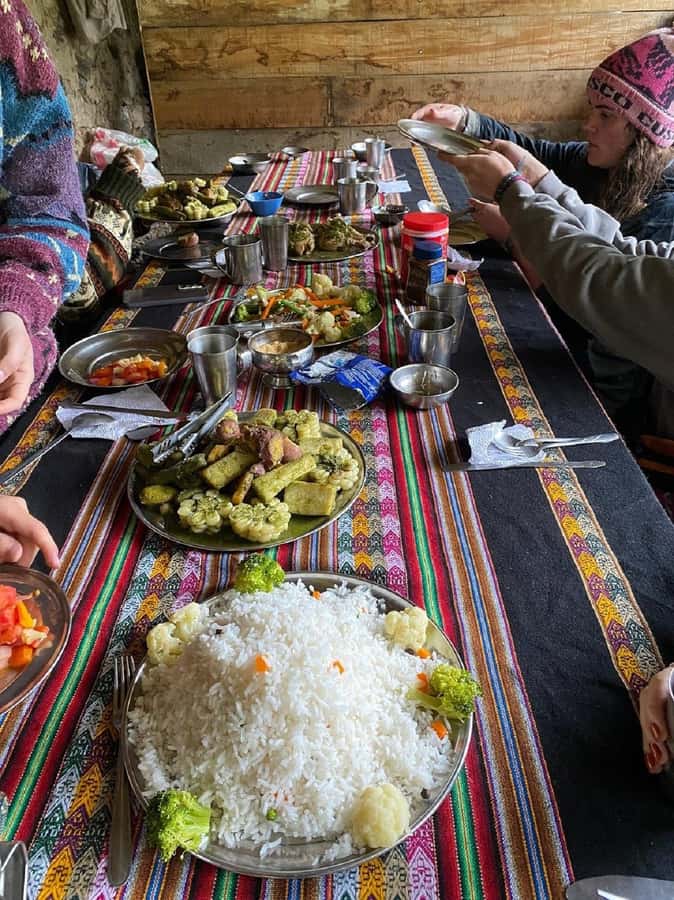
The strongest part of this price is the number of major pieces bundled together. You receive:
- All transfer services
- Entrance to the Mollepata to Salkantay route
- Entrance to Machu Picchu
- Round-trip buses to the citadel
- Three nights at campsites
- One hotel night in Aguas Calientes
- Meals named in the itinerary
- A chef and assistants
- A spacious dining tent and kitchen
- A sleeping bag
- The train to Ollantaytambo
- Transport from Ollantaytambo to Cusco
- An English-speaking professional guide
That is good value if the schedule operates as promised. The camping equipment and support crew are particularly useful because they spare you from carrying cooking gear and buying a sleeping bag for one trip.
The exclusions are limited but easy to overlook. Your first breakfast, final lunch, and final dinner are not covered. Personal care items are also yours to supply. Bring biodegradable sunscreen, medication, toiletries, and enough cash for those uncovered meals and small purchases.
The non-refundable policy adds financial risk. I would not book until your dates, fitness, health, and travel insurance are settled.
Camping, comfort, and what to pack
Three nights in camp give the trip its character, but they also require a realistic attitude. This is not a hotel-based tour with a scenic walk attached. You need to manage temperature changes, wet or dirty clothing, and limited personal space.
The included sleeping bag helps, but you should still pack warm clothing and a change of clothes. A hat, snow clothing, comfortable clothes, closed-toe shoes, flashlight, and daypack are specifically recommended. A garbage bag is also on the required list, useful for keeping wet or used clothing separate and carrying out personal waste.
A charged smartphone is worth bringing for communication, tickets, and photographs. Do not depend on it as your only safety tool, since battery life can fade during long days. Personal medication belongs in your daypack, not buried in luggage.
Oversize luggage is not allowed. Pack light and keep your main belongings organized. Baby strollers, wheelchairs, electric wheelchairs, crutches, alcohol, and drugs are not permitted. The activity is not suitable for children under five, pregnant women, people with heart or back problems, people with mobility impairments, wheelchair users, or people over 70.
Those limits are blunt, but the route itself is the reason. Four days of walking, with distances of 14 to 18 kilometers, is not suitable for every body.
Guide quality and organization
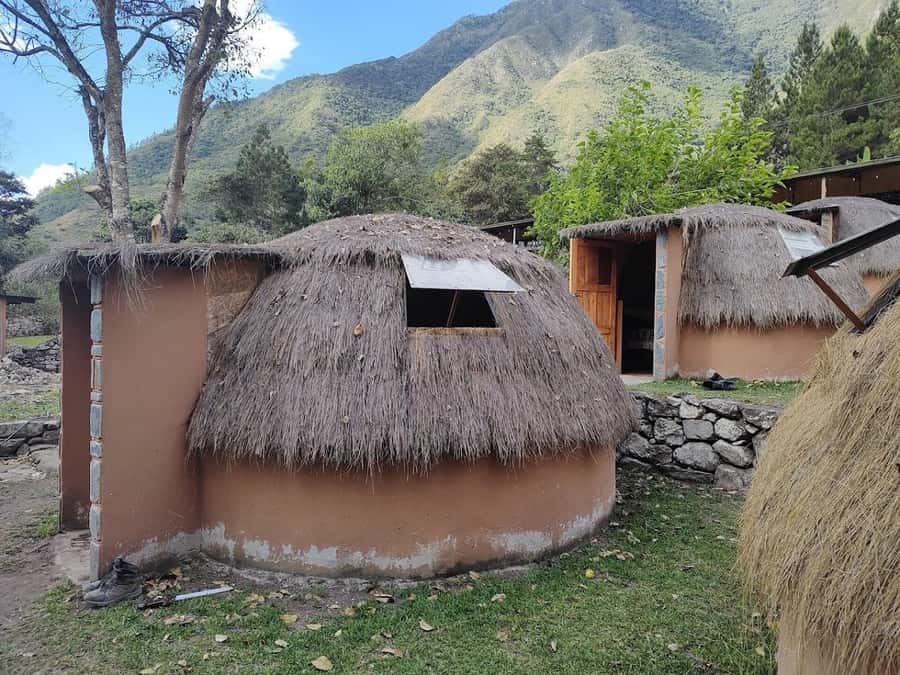
A strong guide can make this route much more than a series of long walks. Eduardo earned particular praise for explaining nature, local customs, and the people connected to the route. That kind of interpretation helps you understand what you are seeing instead of simply photographing it and moving on.
The small group limit of 15 should also help. You can ask questions without holding up a large coach group, and the guide has a better chance of noticing when someone is struggling.
But the operation needs consistency. One departure had three different guides despite an expectation that the same guide would stay with the group. The same departure also involved a participant becoming ill on the first day, with no radio available for an emergency call, followed by an unsupported hotel departure the next day.
I would ask specific questions before paying: Who is the lead guide? Is there a backup communication system? What happens if you cannot continue? How are hotel changes or medical problems handled? Clear answers will not remove every mountain risk, but they will show you how seriously the company manages it.
Pickup is included from your Cusco hotel. Wait in the lobby 10 minutes before the scheduled time. The driver carries a sign with your surname and the company logo, which makes the early morning meeting easier.
Who will enjoy this trek most
I would recommend this trip to you if you want Machu Picchu as the finish of a real physical journey. You should enjoy camping, accept long walking days, and like seeing several types of scenery in one trip.
It is also a good fit if you want a packaged experience without paying for a private tour. Meals, a chef, transport, park entry, the train, and camping are already arranged, while a group of no more than 15 keeps the scale manageable.
I would be cautious if you have serious medical concerns, mobility limits, back or heart problems, or little tolerance for cold camping. You should also reconsider if the extra climbs at Huayna Picchu or Machu Picchu Mountain are essential to your plan, since those entries are not included.
Should you book the Salkantay Premium trek?
Book it if the changing scenery, high-country camping, and all-in-one price appeal to you more than comfort and perfect predictability. The route offers a memorable progression from Humantay Lake and SalkantayPampa to warmer valleys, Llactapata, Hydroelectric, and Machu Picchu.
Before committing, confirm the exact daily schedule, guide assignment, emergency communication, and ticket arrangements in Aguas Calientes. The experience can offer excellent value and a superb guide, especially someone like Eduardo, but the organization must match the promise. Go prepared for a demanding trek, pack light and warm, and treat the $510 price as good value only after those practical details are clear.
FAQ
How long is the Salkantay trek to Machu Picchu?
The trip lasts 5 days and 4 nights. The hiking distance is about 64 kilometers, or 39 miles.
How difficult is the route?
It is rated moderate to challenging. The four main hiking days cover about 14 to 18 kilometers each and take approximately six to seven hours.
What accommodation is included?
The package includes three nights at campsites and one night at a hotel in Machu Picchu Pueblo, also called Aguas Calientes.
Is the Machu Picchu entrance included?
Yes. Entrance to the Machu Picchu citadel and round-trip bus service are included. Huayna Picchu and Machu Picchu Mountain entrances are not included.
Is the return train included?
Yes. The train from Aguas Calientes to Ollantaytambo is included, as is transportation from Ollantaytambo to Cusco.
What meals are not included?
The first breakfast and the final day’s lunch and dinner are not included. Meals specified in the itinerary are included, and vegetarian options are available.
More Ways to Reach Machu Picchu
- The First Class Machu Picchu Train by Inca Rail
★ 4.0 · 182 reviews - From Cusco: 1-day Machu Picchu Tour by Train
★ 4.6 · 138 reviews - Private Tour to Sacred Valley and Machu Picchu from Cusco
★ 5.0 · 133 reviews - Machupicchu 1 day tour
★ 5.0 · 128 reviews
More Machu Picchu Tours in Cusco
- From Cusco: Full-Day Group Tour of Machu Picchu
★ 4.7 · 1,767 reviews - Machu Picchu Day Trip from Cusco
★ 4.5 · 1,644 reviews - Machu Picchu: Full-Day Tour from Cusco with Optional Lunch
★ 4.6 · 927 reviews - From Cusco: 2-Day Trip to the Sacred Valley and Machu Picchu
★ 4.6 · 265 reviews
Just added around Cusco
- Cusco: Rainbow Mountain and viewpoint red valley ( optional)★ 4.8 · 3 reviews
- Montaña de Colores: tour en cuatrimotos día completo★ 3.3 · 3 reviews
- Tour Pallay Punchu Trek Full Day★ 4.2 · 3 reviews
- Excursion Cusco – Puno – Titicaca Observatory Train★ 5.0 · 3 reviews
- Cusco: Palcoyo Mountain Day Trip with Breakfast and Lunch★ 4.8 · 3 reviews
- Maras Moray★ 5.0 · 3 reviews
- Tour to Laguna Humantay with breakfast and lunch from Cusco★ 4.7 · 3 reviews
- From Cusco:Chinchero, Moray, Maras, Ollantaytambo with lunch★ 5.0 · 3 reviews
Machu Picchu Tours, compared.



Machu Picchu: Full-Day Tour from Cusco with Optional Lunch
Read our review →
4-Day Inca Trail to Machu Picchu with Accommodation
Read our review →
2-Day Trip to the Sacred Valley and Machu Picchu
Read our review →
Machu Picchu 2-Day Inca Trail with Panoramic Train
Read our review →

Machu Picchu: Inca Trail 2-Day Overnight Guided Tour
Read our review →Browse the lists this tour appears in