
Reviewed · MACHU PICCHU TOURS
Salkantay 5-Day Trek To Machu Picchu
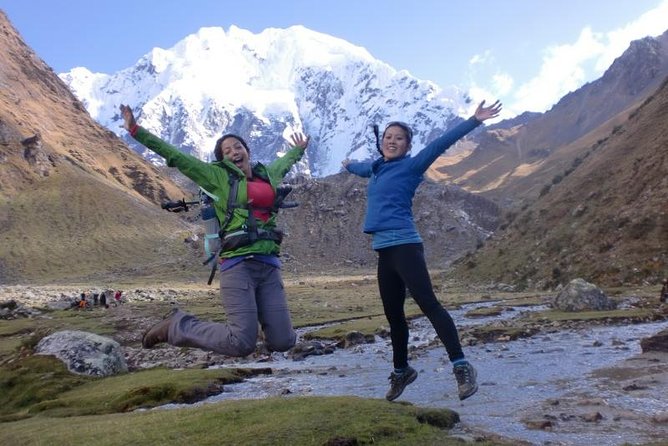
Five days can change your view of Peru. This demanding route links snow-covered Andean peaks with warm jungle valleys, ending at Machu Picchu after a guided visit and a long but memorable journey on foot. I love the contrast between the cold heights around Humantay Lake and the warmer, fruit-growing country near Santa Teresa. I also like that horses and mules carry camping gear plus up to 7 kilos for each trekker, so you do not need to haul your entire kit over the mountain pass. The main drawback is clear: this is a serious high-altitude hike, not a gentle walk to Machu Picchu.
The $797 price covers a lot: transport from Cusco to the trailhead, four nights of accommodation, meals, a bilingual guide, entrance fees, the Machu Picchu bus, the return train, and transfers back to Cusco. I like the small-group setup, with a maximum of 16 people and an average group size of four. Still, you should expect early starts, basic camping, long walking days, shifting temperatures, and a few optional costs along the way.
In This Review
- Key points before you book
- Why choose the Salkantay route?
- Day 1: Mollepata, Soraypampa, and Humantay Lake
- Day 2: The 4,650-meter mountain pass
- Day 3: Waterfalls and the warmer Santa Teresa valley
- Day 4: The railway path to Aguas Calientes
- Day 5: Early entry to Machu Picchu
- Camps, meals, and what the price covers
- Guides, group size, and transport
- Fitness, weather, and packing advice
- Is the Salkantay trek worth $797?
- Who should book this trek?
- FAQ
- How high does the Salkantay trek go?
- How many nights are spent camping?
- Is a sleeping bag included?
- Are meals included?
- Can I choose vegetarian meals?
- Is transport from Aguas Calientes to Cusco included?
- Can I visit Huayna Picchu or Machu Picchu Mountain?
- Should you book the Salkantay 5-Day Trek?
Key points before you book
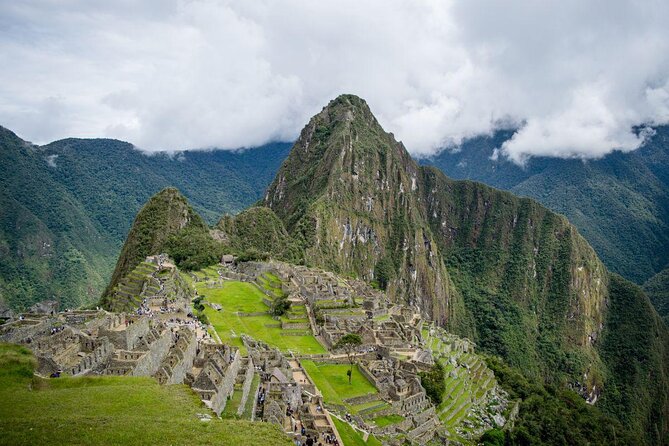
- The highest point reaches 15,200 feet: Day 2 crosses a pass at 4,650 meters between Salkantay and Humantay mountains.
- The scenery changes dramatically: You move from cold highland terrain to waterfalls, tropical plants, and a warmer climate near Santa Teresa.
- Gear support makes a hard trek more manageable: Horsemen and mules carry cooking equipment, camping supplies, and up to 7 kilos per trekker.
- The final night is in Aguas Calientes: You sleep in a three-star hotel before taking an early bus to Machu Picchu.
- The tour includes the major transport links: Tourist bus, train, local cars, and Machu Picchu shuttle buses are covered, though some portions are unguided.
- Preparation matters more than speed: Good fitness, warm clothing, rain protection, and careful passport details are essential.
Why choose the Salkantay route?
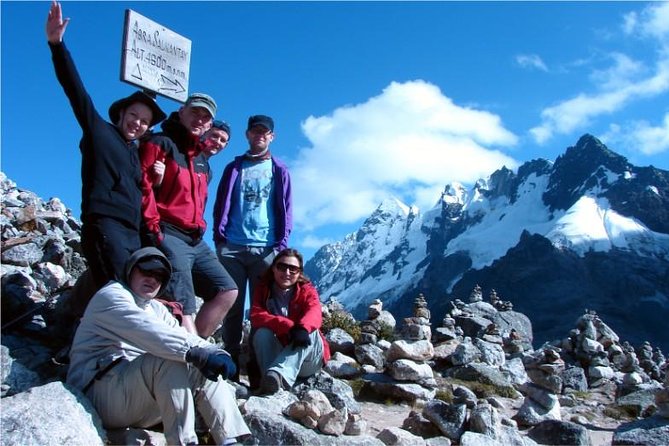
The Salkantay route offers a different feel from a direct train visit to Machu Picchu. You spend several days moving through the Andes under your own power, with the scenery changing as your altitude drops. The reward is not only the ruins at the end. It is the growing sense that you have crossed a large slice of southern Peru to reach them.
The route also gives you a look at rural communities and small settlements such as Soraypampa and Santa Teresa. The experience is active and practical rather than polished. You sleep in tents for three nights, eat meals prepared on the trail, and manage your day around weather, altitude, and your own legs.
The price is strong for a five-day package. You receive camping equipment, a basic sleeping pad, meals, a hotel night, a professional bilingual guide, entrance fees, and the return journey from Machu Picchu to Cusco. The value drops slightly if you add several extras, such as the Santa Teresa hot springs, a train from the hydroelectric station, or one of the optional mountain hikes.
More Hiking & Trekking in Cusco
- From Cusco: 7 Lakes Ausangate Trek with Breakfast and Lunch
★ 4.8 · 360 reviews - Cusco: Rainbow Mountain Tour and Red Valley Hike (Optional)
★ 4.7 · 149 reviews - Cusco: Full-Day Rainbow Mountain & Red Valley Trekking Tour
★ 4.5 · 121 reviews
Day 1: Mollepata, Soraypampa, and Humantay Lake
Pickup begins between 5:00 and 6:00 in the morning. You ride by tourist-class bus to Mollepata at 2,900 meters, where you can stretch your legs and buy snacks before continuing by car to Challacancha.
That early start is useful because the first day packs several major sights into one schedule. At Challacancha, the group checks equipment and makes final preparations before beginning the roughly three-hour walk to Soraypampa. Lunch comes with wide views of snow-covered peaks, a dramatic introduction to the route.
The afternoon hike to Humantay Lake takes about 1.5 hours each way. The climb is short compared with Day 2, but the altitude makes it feel harder than the distance suggests. You return to the campsite at Soraypampa, which sits at 3,920 meters.
This is the highest and coldest camp of the trip. Expect the first night to test your adjustment to altitude and cold. A warm layer, gloves, thermal clothing, a hat, and a good sleeping bag are not luxuries here. The sleeping bag is not included, but you can bring or rent one in Cusco.
Dinner comes at camp, followed by an early night. Day 1 is scenic, but it is also a useful warning: the trek begins at high altitude and does not ease you in at low elevation.
Day 2: The 4,650-meter mountain pass
Day 2 is the physical heart of the trek. After breakfast around 6:00 am, you walk for about four hours toward the highest pass, at 4,650 meters. The pass lies between Salkantay Mountain, at 6,267 meters, and Humantay Mountain, at 5,900 meters.
The views from the top are the payoff for the climb. Depending on conditions, you might see snow around the pass. The scale of the two peaks helps explain why this day feels so demanding. You are not simply walking uphill for an hour or two. You are spending much of the morning gaining altitude at a serious elevation.
An optional horse rental is available for roughly 100 to 120 soles to help reach the pass. This may be a sensible choice if altitude affects you, or if you want to save strength for the long descent. Ask about the option before the climb rather than waiting until you are already struggling.
After reaching the pass, you descend for about two hours to Huayracpampa for lunch. The route then continues downhill for another three hours to Challhuay or Colcapampa, near the upper jungle at about 2,900 meters.
The full day covers about 22 kilometers and takes nine to ten hours. That is a long day by any measure. The drop in altitude brings warmer air, but tired legs remain tired legs. I would treat this as the day that determines how enjoyable the rest of the trek will be.
Day 3: Waterfalls and the warmer Santa Teresa valley
After breakfast at about 6:30 am, the trail enters the upper jungle. You cross the Santa Teresa River and several smaller streams while walking through valleys filled with waterfalls, tropical plants, and fruit-growing areas.
This is where the route changes character. The cold, open highlands give way to a greener and warmer setting, and the air should feel easier after the previous day’s high pass. The walking is still active, but the day is shorter at roughly 15 kilometers and about 5.5 hours.
Lunch is served at La Playa, at around 2,200 meters. From there, a car takes you to Santa Teresa, at about 1,700 meters, where you camp for the night.
Santa Teresa offers a welcome chance to slow down. You can rest at camp or pay about 20 soles to visit the local hot springs. After three hard days, the hot water can be a worthwhile extra, especially if you prefer a little comfort without changing the overall nature of the trek.
The car transfer from La Playa is included. That matters because it keeps the day from becoming another marathon and gets you to the warmer campsite without adding several more hours on foot.
More Inca Trail Treks in Cusco
- Cusco: 4-Day Inca Trail to Machu Picchu with Accommodation
★ 4.8 · 432 reviews - Cusco: Machu Picchu 2-Day Inca Trail with Panoramic Train
★ 4.9 · 260 reviews - From Cusco: 2-Day Inca Trail to Machu Picchu
★ 4.2 · 244 reviews - Machu Picchu: Inca Trail 2-Day Overnight Guided Tour
★ 4.9 · 203 reviews
Day 4: The railway path to Aguas Calientes
Breakfast is scheduled for 8:00 am, a later start that gives your legs a little breathing room. The final walking day on the trail takes you from Santa Teresa to the hydroelectric station in about three hours.
The route then continues for another three hours toward Aguas Calientes, also known as Machu Picchu Pueblo. This is a slight uphill walk and covers about 18 kilometers in total, with an estimated walking time of six hours.
Lunch is a box meal at the hydroelectric station. From there, you can either keep walking or pay for an optional train to Aguas Calientes. A train transfer costs about $28, while a bus from Santa Teresa to the hydroelectric station costs about 10 soles if you want to shorten the earlier section.
I would save these options for genuine need rather than treating them as automatic upgrades. The walking route is part of what makes the Salkantay experience different, but fatigue, weather, or a minor injury can change the calculation. Having transport choices gives you some useful flexibility.
That night you stay in a three-star hotel in Aguas Calientes and eat dinner at a local traditional restaurant. After three nights under canvas, a bed and a shower will feel like a major event. The hotel room is shared with another solo trekker, while couples receive a private room.
Day 5: Early entry to Machu Picchu
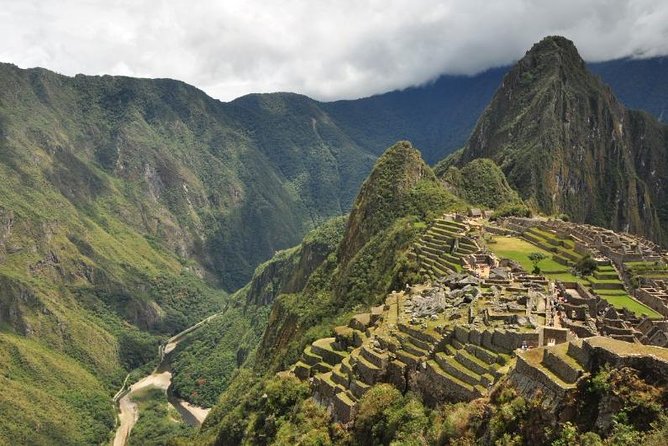
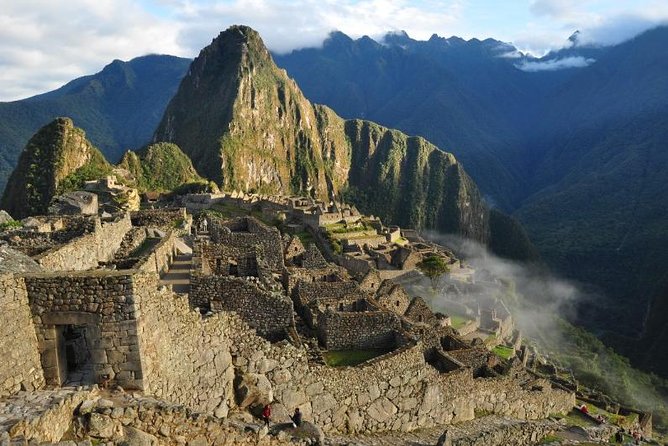
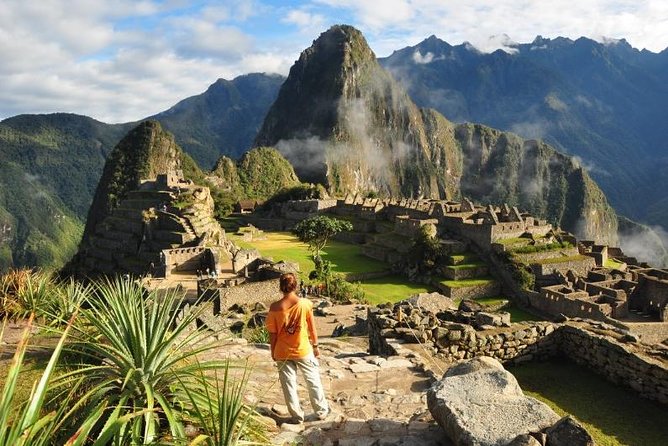
The final morning begins with one of the first buses, scheduled for 5:30 am. The ride to Machu Picchu takes about 25 minutes. The early timing is designed to catch the site in morning light, when mist may be lifting from the surrounding mountains.
Your guide leads a walking tour of roughly two hours. Afterward, you have time to explore the archaeological site on your own, within the access rules for your entry.
Huayna Picchu and Machu Picchu Mountain are optional additions. They cost extra and must be booked in advance. Huayna Picchu should be arranged at least two weeks ahead, while Machu Picchu Mountain requires at least one week. Do not wait until you arrive in Peru if one of these climbs is important to you.
After the visit, you take the bus back to Aguas Calientes, then a tourist train to Ollantaytambo and a bus onward to Cusco. The return is not guided, so you need to pay attention to the transfer instructions and keep your ticket and passport handy. Drop-off is late in the day at Plaza San Francisco, and you make your own way to your Cusco accommodation.
Camps, meals, and what the price covers
Three nights are spent camping. A tent for two people and a basic sleeping pad are included, but you need a sleeping bag. Solo travelers share a tent with another person, while couples have their own tent.
The food is one of the strongest practical features of the trip. The cooks prepare fresh meals with typical ingredients, and the menu can include quinoa, soups, eggs, pancakes, chicken, beef stew, fried rice, pasta, potatoes, plantains, cakes, tea, coca, coffee, and hot chocolate. Vegetarian meals are available if requested at least two days before departure.
The package includes four breakfasts, four lunches, four dinners, and three snacks. Day 1 breakfast, Day 5 lunch, and bottled water are not included, so carry extra cash for food, drinks, and trail supplies. Prices for water, sports drinks, and snacks can rise sharply along the route.
The support animals carry cooking and camping equipment, along with 7 kilos for each trekker. That allowance includes 3 kilos for a sleeping bag and mattress and 4 kilos of personal belongings. Pack carefully, because the limit is helpful but not generous.
Guides, group size, and transport
A professional bilingual guide leads the trek and the Machu Picchu tour. You also receive a pre-departure briefing at the Cusco office one day before departure, normally at 7:00 pm for this route. Bring your passport to check in before the briefing, and use the meeting to confirm departure details, rental gear, and questions about the hike.
The group maximum is 16, with an average size of four. That average is especially appealing. A small group can make breaks, meals, and pacing less awkward, while the 16-person limit keeps the experience from becoming a large procession.
You are not accompanied by a guide during the bus and train transfers. The transport is included, but those sections are on your own. Keep this distinction in mind if you prefer constant assistance.
Emergency oxygen is carried by the group. That is reassuring, but it does not replace proper acclimatization, sensible pacing, or medical advice if you have concerns about high altitude.
Fitness, weather, and packing advice
The operator describes the trek as demanding and recommends moderate physical fitness. I would take that seriously. Day 2 can reach nine or ten hours, and the altitude changes from around 4,000 meters to about 2,000 meters bring major temperature shifts.
Bring or rent hiking poles, rain pants, a poncho, trekking boots, sandals, warm socks, thermal layers, a sweater, gloves, sun protection, sunglasses, a flashlight, and waterproof bags. There is limited to no electricity during the trek, so spare batteries and a memory card are useful.
A water bottle, hand sanitizer, personal first-aid kit, and personal medication belong in your daypack. You should also carry your original passport, insurance card, and any required visa.
The route does not operate in January or February because of unfavorable weather conditions. Departures are offered on Monday, Wednesday, Thursday, and Saturday, with daily departures possible for groups of four or more. The minimum age is seven, but the physical demands mean age alone should not guide your decision.
Is the Salkantay trek worth $797?
For the right person, yes. The package combines a demanding route, a guide, camping support, four days of meals, a hotel night, Machu Picchu entry, and the major return transfers. Booking these pieces separately could be more work, and the included mules reduce the burden of carrying gear.
The extra costs are manageable but should be included in your budget. Add the sleeping bag rental if needed, hot springs if desired, possible horse support on Day 2, and optional transport near the hydroelectric station. Tips are optional, though customary. Suggested amounts are provided for guides, horsemen, and the cook.
The non-refundable booking rule also deserves attention. Once booked, the experience cannot be changed or refunded for any reason. Make sure your passport information is exact, including your full name, birth date, nationality, passport number, and expiry date. Your passport must be valid for at least six months after the travel date.
Who should book this trek?
I would recommend it if you want Machu Picchu to be the final chapter of a real mountain journey. It suits hikers who enjoy long days, basic camps, changing weather, and the satisfaction of reaching a famous site after substantial effort.
I would not choose it if you want a relaxed holiday, dislike shared camping, or have not prepared for altitude. A train-focused visit with hotel accommodation throughout would be kinder to your legs.
For families, the minimum age is seven, but the high pass and long walking days require careful judgment. A fit older child may manage well, while a young child unused to sustained hiking may not. The optional horse support gives some flexibility, but it does not turn the route into an easy walk.
FAQ
How high does the Salkantay trek go?
The highest point is a mountain pass at 4,650 meters, or about 15,200 feet, between Salkantay and Humantay mountains.
How many nights are spent camping?
You spend three nights camping during the trek. The fourth night is in a three-star hotel in Aguas Calientes.
Is a sleeping bag included?
No. A basic sleeping pad and tent are included, but you must bring or rent a sleeping bag in Cusco.
Are meals included?
The package includes four breakfasts, four lunches, four dinners, and three snacks. Day 1 breakfast, Day 5 lunch, and bottled water are not included.
Can I choose vegetarian meals?
Yes. Vegetarian meals are available, but you should request them at least two days before departure.
Is transport from Aguas Calientes to Cusco included?
Yes. The package includes the tourist train from Aguas Calientes to Ollantaytambo and a bus from Ollantaytambo to Cusco. The bus and train portions are not guided.
Can I visit Huayna Picchu or Machu Picchu Mountain?
Yes, both are optional at an additional cost. Huayna Picchu should be booked at least two weeks ahead, and Machu Picchu Mountain at least one week ahead.
Should you book the Salkantay 5-Day Trek?
Book it if you want a challenging, well-supported route with big scenery, local settlements, mountain camping, and a strong sense of arrival at Machu Picchu. Skip it if you need comfort, short walks, or flexible cancellation. At $797, it offers solid value for a fit hiker who prepares properly and accepts that the trail, not the hotel, is the main attraction.
More Ways to Reach Machu Picchu
- The First Class Machu Picchu Train by Inca Rail
★ 4.0 · 182 reviews - From Cusco: 1-day Machu Picchu Tour by Train
★ 4.6 · 138 reviews - Private Tour to Sacred Valley and Machu Picchu from Cusco
★ 5.0 · 133 reviews - Machupicchu 1 day tour
★ 5.0 · 128 reviews
More Machu Picchu Tours in Cusco
- From Cusco: Full-Day Group Tour of Machu Picchu
★ 4.7 · 1,767 reviews - Machu Picchu Day Trip from Cusco
★ 4.5 · 1,644 reviews - Machu Picchu: Full-Day Tour from Cusco with Optional Lunch
★ 4.6 · 927 reviews - From Cusco: 2-Day Trip to the Sacred Valley and Machu Picchu
★ 4.6 · 265 reviews
Just added around Cusco
- Cusco: Rainbow Mountain and viewpoint red valley ( optional)★ 4.8 · 3 reviews
- Montaña de Colores: tour en cuatrimotos día completo★ 3.3 · 3 reviews
- Tour Pallay Punchu Trek Full Day★ 4.2 · 3 reviews
- Excursion Cusco – Puno – Titicaca Observatory Train★ 5.0 · 3 reviews
- Cusco: Palcoyo Mountain Day Trip with Breakfast and Lunch★ 4.8 · 3 reviews
- Maras Moray★ 5.0 · 3 reviews
- Tour to Laguna Humantay with breakfast and lunch from Cusco★ 4.7 · 3 reviews
- From Cusco:Chinchero, Moray, Maras, Ollantaytambo with lunch★ 5.0 · 3 reviews
Machu Picchu Tours, compared.



Machu Picchu: Full-Day Tour from Cusco with Optional Lunch
Read our review →
4-Day Inca Trail to Machu Picchu with Accommodation
Read our review →
2-Day Trip to the Sacred Valley and Machu Picchu
Read our review →
Machu Picchu 2-Day Inca Trail with Panoramic Train
Read our review →

Machu Picchu: Inca Trail 2-Day Overnight Guided Tour
Read our review →Browse the lists this tour appears in