
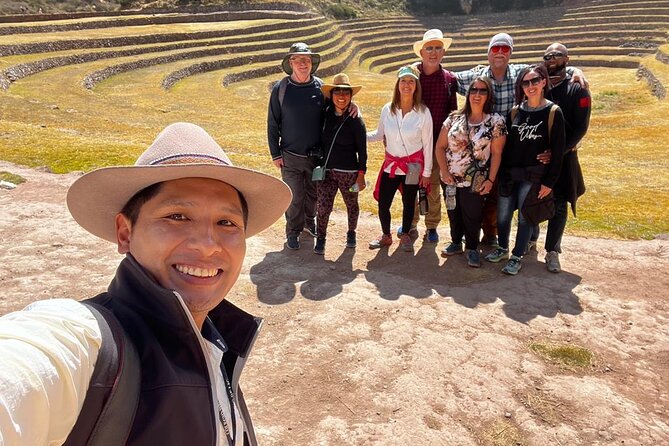
Reviewed · SACRED VALLEY TOURS
Sacred Valley of the Incas Tour with Moray & the Salt Mines
Seven Andean stops fill one long day. This Cusco tour packs Pisac, Ollantaytambo, Moray, the Maras salt mines, Chinchero, and a buffet lunch into roughly nine hours. I like the small group of up to nine people, which should make it easier to hear your guide and ask questions. I also like the mix of major Inca sites, working local traditions, and big valley views rather than visiting ruins alone.
The main catch is the pace. You cover a lot of ground, and one traveler found the schedule too rushed, with some visits lasting only about 30 minutes. You should also know that the $99 price does not include archaeological entrance fees or the separate Maras charge.
In This Review
- Key points at a glance
- Why this Sacred Valley day trip works
- 7:00 a.m. pickup and the Taray viewpoint
- Pisac: hillside ruins and a lively town
- Urubamba lunch: a useful pause in the middle
- Ollantaytambo: the day’s great Inca town
- Moray’s circular terraces and Inca farming
- Maras salt mines: an active Andean tradition
- Chinchero: textiles, terraces, and a royal connection
- Transport, group size, and the cost of the day
- What kind of guide makes the difference
- Who should book this tour?
- Should you book the Sacred Valley tour?
- FAQ
- Where does the tour start and finish?
- How long does the tour last?
- What is included in the tour price?
- Are entrance fees included?
- How many people are in the group?
- Can I cancel for a full refund?
Key points at a glance
- Taray viewpoint: A quick roadside stop gives you a clear look at the Urubamba River winding through the Sacred Valley.
- Pisac and Ollantaytambo: These are the strongest ruins on the route, with Pisac high above the town and Ollantaytambo’s old streets below its terraces.
- Moray’s circular terraces: The unusual rings show how the Incas tested growing conditions at different levels.
- Maras salt pools: Local families still use solar evaporation to produce salt, connecting an ancient-looking site with a living trade.
- Chinchero’s textiles and church: This quieter stop adds Andean weaving, Inca terraces, water channels, and a whitewashed church.
- Small-group format: With a maximum of nine people, the tour offers a more personal setting than a large coach trip, though the full schedule remains demanding.
Why this Sacred Valley day trip works
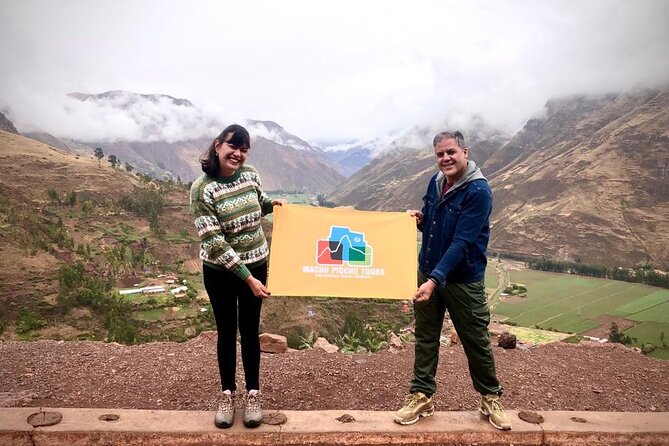
The Sacred Valley is not one single sight. It is a long corridor of villages, farmland, ruins, terraces, and mountain slopes between Cusco and the Urubamba River. This tour gives you a broad first look at that world in one day.
I especially like the way it combines famous places with sites that explain how people lived. At Pisac and Ollantaytambo, you see Inca planning and stonework. At Moray, you consider farming experiments. At Maras, salt production still follows a traditional solar method. Chinchero adds textiles, religious history, and irrigation.
That variety gives the day real purpose. You are not simply ticking off ruins. You are seeing how the Incas built, farmed, organized towns, and used the land. A licensed bilingual guide is included, and the strongest praise has focused on guides who explain clearly and answer questions patiently. Julio was singled out for his calm, thoughtful approach, while Adolfo was praised for his energy and helpful attitude.
The small vehicle and maximum group size of nine should help. You will still spend plenty of time on the road, but a small group usually makes it easier to follow explanations and keep the day moving.
The tradeoff is clear: this is a survey tour, not a slow archaeological visit. You see more places than you could manage independently in one day, but you will not have unlimited time at any of them.
More Sacred Valley Tours in Cusco
- From Cusco: Sacred Valley & Maras Salt Mines Tour with Lunch
★ 4.8 · 2,227 reviews - From Cusco: Moray, Maras Salt Mines & Chinchero Weavers Tour
★ 4.8 · 1,925 reviews - Cusco: Sacred Valley, Pisac, Ollantaytambo, Salt Mines Moray
★ 4.6 · 1,058 reviews
7:00 a.m. pickup and the Taray viewpoint
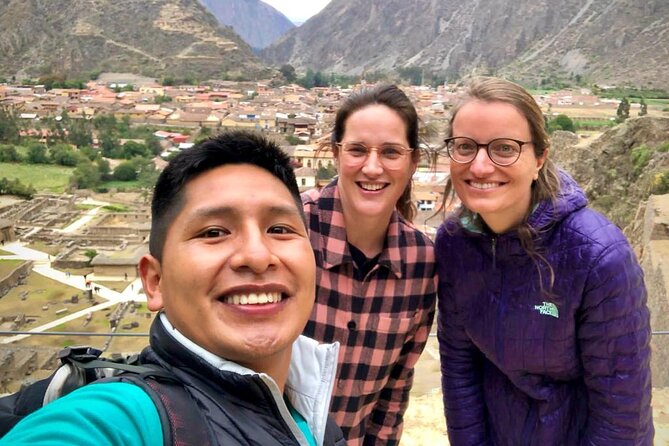
The day starts at 7:00 a.m. The listed meeting point is Plaza Regocijo in Cusco, one block from the Plaza de Armas. The tour returns to the same general meeting point in the evening, rather than providing a hotel drop-off at the end.
Your first meaningful stop is Taray, a viewpoint above the Sacred Valley. It is brief, but useful. From here, you can see the Urubamba River winding past villages and fields below. This view helps you understand the valley’s shape before you begin visiting its sites.
The early start matters because the itinerary is full. Bring water, wear shoes suited to uneven ground, and keep anything you need during the day easy to reach. The tour details do not promise a long morning break, so it is sensible to handle breakfast before departure.
Pisac: hillside ruins and a lively town
Pisac is one of the day’s major stops. The Inca complex sits on a hill above the modern town, and the vehicle takes you up to the main entrance. That saves you from beginning the visit with a steep climb from the town below.
A guide leads you through the complex, explaining the site and its place in Inca culture. The elevated setting is part of the appeal. You get views across the valley while looking at stone construction and terraces arranged along the hillside.
The planned visit lasts about 90 minutes, which is more generous than the shorter stops later in the day. Still, the site is large, so you should expect a guided overview rather than a detailed examination of every terrace and wall.
After the ruins, the vehicle takes you down to the main plaza in Pisac. On weekends, the narrow cobbled streets fill with local people selling handicrafts. That can add color to the stop, but it also changes the feel of the town. If you enjoy browsing, you may appreciate the chance to look around. If your priority is archaeology, keep an eye on the clock.
The listed information describes admission to Pisac as free within the itinerary, but the tour’s inclusions separately state that archaeological entrance tickets cost about $20, or 70 soles, per person. Because the pricing information is not perfectly consistent, confirm the exact ticket arrangement when booking.
Urubamba lunch: a useful pause in the middle
After Pisac, you continue to Urubamba, described as the lowest part of the Sacred Valley. This is the lunch stop, with a buffet at a local restaurant included in the tour price.
The meal is more than a pleasant extra. By this point, you will have left Cusco early and spent time walking around a hillside ruin. A sit-down buffet gives you a proper break before the afternoon visits.
Food quality can vary on organized tours, but the meal received strong praise, including from someone who had already spent 30 days touring South America and was physically worn out. That is a useful sign for anyone who worries about surviving a packed sightseeing day on snacks alone.
The tour does not specify the buffet menu, so I would not book it expecting a particular dish. Treat it as a practical included meal that keeps the day moving.
More of the Sacred Valley in a day:
- Cusco:Chinchero,Moray & Salt Mines drop-off in Ollantaytambo
★ 4.8 · 793 reviews - Sacred Valley: Chinchero, Moray, Ollantaytambo & Pisac+Lunch
★ 4.8 · 501 reviews - Sacred Valley: Maras & Moray by Quad Bike from Cusco
★ 4.6 · 418 reviews - Pisac Indian Market and Ollantaytambo Fortress with Lunch
★ 4.5 · 395 reviews
Ollantaytambo: the day’s great Inca town
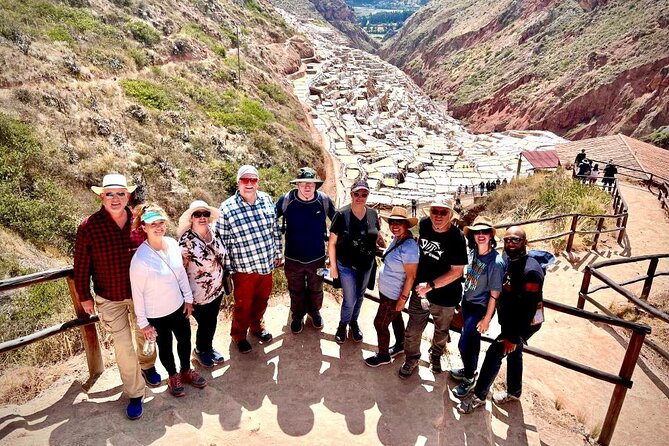
Ollantaytambo is probably the most important stop for understanding Inca town planning. The settlement is described as one of the oldest continuously inhabited villages from the Inca period, and the modern village sits between two Inca ruin areas.
Here you see more than isolated walls. Streets, terraces, stairways, and stonework show how the Incas planned a functioning town. The site also has a direct connection to modern trips toward Machu Picchu, since this is where people board trains and begin routes toward the Inca Trail.
The planned visit lasts around 90 minutes. That gives your guide enough time to explain the main features, though you should still expect a focused route. Ollantaytambo rewards attention to practical details: notice how the settlement fits into the valley, how the terraces rise above it, and how the ruins relate to the village still in use below.
This is also the point where a rushed schedule may bother you most. Ollantaytambo deserves time, and the full tour still has Moray, Maras, Chinchero, and the return to Cusco ahead. If your main goal is Inca architecture, consider whether you would prefer a tour that spends the entire day on fewer sites.
Moray’s circular terraces and Inca farming
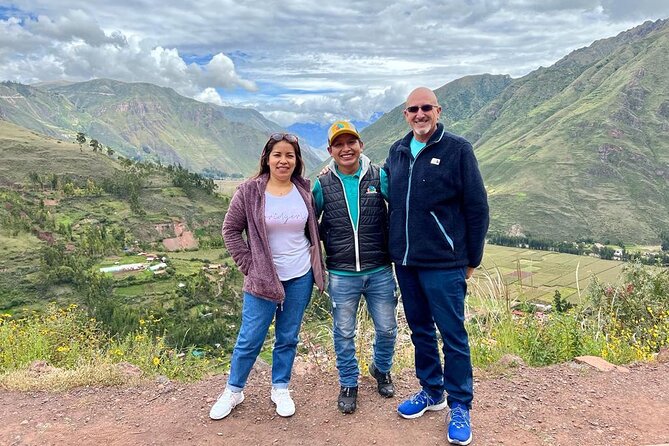
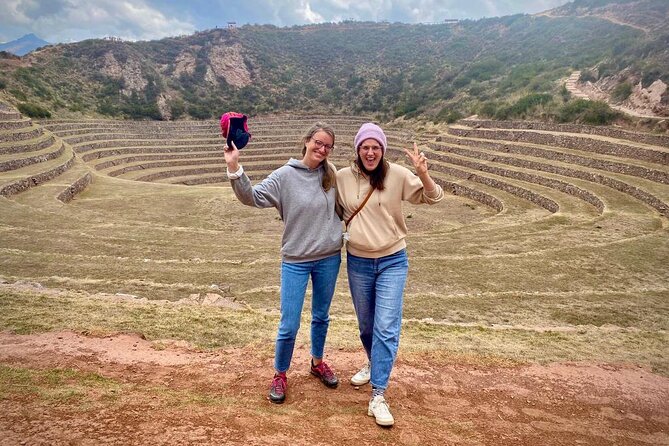
After Ollantaytambo, the route turns toward Moray and Maras. Moray is known for its circular agricultural terraces, which drop into broad bowl-shaped formations.
The guide explains the site as an agricultural laboratory. Each level has a different temperature, allowing the Incas to study the conditions needed for different crops. That makes Moray especially worthwhile for people who want more than stories about kings and battles. It shows practical experimentation and careful use of soil, water, and elevation.
You have about an hour at Moray. That is enough to take in the unusual shape of the terraces and hear the main explanation. It is less time than you might want if you enjoy photography or prefer to walk slowly around archaeological sites.
The entrance fee for Moray is not included. The stated archaeological ticket cost is about $20, or 70 soles per person, with the separate Maras fee listed as 10 soles. Since the wording about included admission is mixed, confirm whether the archaeological ticket covers the specific sites on your departure date.
Maras salt mines: an active Andean tradition
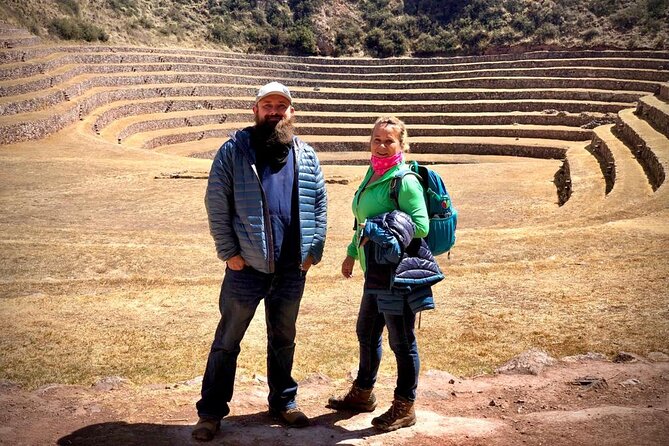
Maras is one of the most distinctive stops. The salt mines spread across a slope in a series of small pools, where salt is produced through solar evaporation.
The important point is that this is not only an old Inca-era attraction. Local people continue to pass the salt operation from one generation to the next. Your guide explains how the traditional method works and why the site still matters to the community.
I like this stop because it links scenery with work. The pools are visually striking, but the real value comes from understanding that they remain part of local life. It is a good reminder that the Sacred Valley is not an outdoor museum.
You receive roughly an hour here. Maras has a separate entrance charge of 10 soles per person, not included in the tour price. The tour also lists Maras as having a 10-sol entrance fee in two places, so plan for that additional cost.
Chinchero: textiles, terraces, and a royal connection
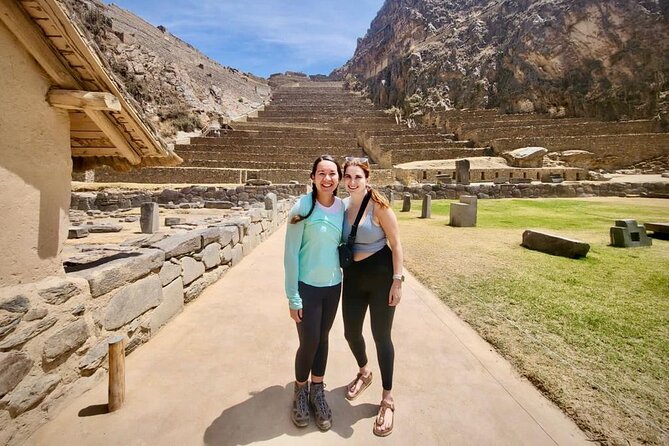
Chinchero closes the sightseeing portion of the day. It is described as a quiet Andean village often missed by visitors, with a strong textile tradition and a whitewashed church.
The church was built on the site of what was once a royal palace belonging to the Inca ruler Pachacutec. That pairing of Inca foundations and later colonial construction gives the stop a different character from Moray or Ollantaytambo.
Chinchero is also noted for its fertile soil, farming terraces, and water channels. These features help explain why the area mattered under Pachacutec. The terraces were not decoration. They supported agriculture, while the channels show how carefully the Incas managed water.
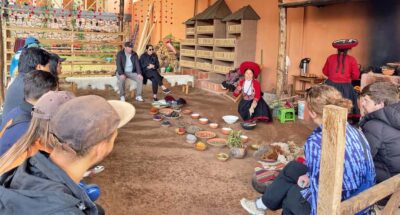
The textile tradition adds a living cultural element. You may find this stop especially useful if you want to understand Andean craft, not just stone ruins. At the same time, keep your expectations practical. The day includes several cultural and commercial settings, and one account criticized stops at shops selling silver, alpaca clothing, and snacks. If purchases are not your interest, listen to the cultural explanation and do not feel obliged to buy.
Transport, group size, and the cost of the day
The tour costs $99 per person and includes round-trip transport, a bilingual local guide, and buffet lunch. With a maximum of nine people, that is a reasonable price for a full-day route covering several separate parts of the valley.
You should budget beyond the advertised price. Archaeological entrance tickets are listed at $20, or 70 soles per person, and Maras adds 10 soles. Private expenses are not included. Because the ticket wording is inconsistent, verify the final amount before you go.
The vehicle handles the long connections between sites, which is the biggest practical benefit of an organized tour. Trying to coordinate Pisac, Ollantaytambo, Moray, Maras, and Chinchero independently in one day would require careful planning and several transport changes.
The downside is that the route is ambitious. One direct account praised the guide but felt the schedule allowed only about 30 minutes at some stops. The official timing lists one hour to 90 minutes at most major locations, but traffic, meals, group movement, and commercial stops can reduce actual sightseeing time.
That makes the tour best for you if you want a broad introduction. It is less suitable if you want long walks, extended photography, or quiet time at each ruin.
What kind of guide makes the difference
A good guide matters greatly on a route like this. The sites are impressive, but their purpose is not always obvious without context. At Moray, the guide connects temperature changes with agriculture. At Chinchero, the explanation can tie together the church, palace, terraces, and water channels.
Julio received praise for being kind, patient, and willing to answer questions. Adolfo was praised for bringing energy and useful information throughout the day. Luis, the driver, was specifically credited with driving safely and staying on top of the route.
Those comments point to the tour’s strongest feature: the human side. A small group gives the guide room to respond to questions, though the final experience will still depend on the person assigned to your departure.
The provider is Machu Picchu Tours. The activity is recommended by 100 percent of the supplied feedback and has a five-star rating from 61 reviews. That is a strong record, but the criticism about pacing is important enough to take seriously.
Who should book this tour?
I would choose this tour if you have one free day in Cusco and want to cover the Sacred Valley’s main variety in a single outing. It suits first-time visitors, people who want an organized route, and anyone who values a guide’s explanation more than independent wandering.
It also works well if you want to see both major archaeological sites and living traditions. Pisac and Ollantaytambo provide the grand ruins. Moray explains agriculture. Maras shows ongoing salt production. Chinchero brings in textiles, colonial architecture, and water management.
I would hesitate if you dislike early starts or tightly scheduled days. I would also think twice if your main goal is to spend a relaxed half-day at Ollantaytambo or Pisac. In that case, a shorter, more focused outing may suit you better.
Free cancellation is available if you cancel at least 24 hours before the start time. Changes or cancellations inside that window are not accepted for a refund.
Should you book the Sacred Valley tour?
Book it if you want breadth, convenience, and a small group. The included lunch, bilingual guide, transport, and excellent mix of sites make $99 a fair starting price, even after adding entrance fees.
Go in knowing that this is a busy introduction, not a slow cultural retreat. Keep your expectations realistic about time at each stop, confirm the admission costs, and be prepared for possible shopping stops. If you do that, this tour offers a strong one-day look at the Sacred Valley, with enough variety to make the long day worthwhile.
FAQ
Where does the tour start and finish?
The tour starts at Plaza Regocijo in Cusco at 7:00 a.m. It ends back at the meeting point in the evening, near Cusco’s Plaza de Armas.
How long does the tour last?
The tour lasts approximately nine hours.
What is included in the tour price?
Round-trip transport, a bilingual local guide, and a buffet lunch in Urubamba are included.
Are entrance fees included?
No. Archaeological entrance tickets are listed at about $20, or 70 soles, per person. Maras has a separate entrance fee of 10 soles per person. Confirm the final ticket details before booking because the admission wording varies.
How many people are in the group?
The tour has a maximum of nine travelers.
Can I cancel for a full refund?
Yes. You can cancel at least 24 hours before the experience starts for a full refund. Cancellations or changes made less than 24 hours before the start time are not accepted for a refund.
More Salt Pans and Inca Terraces
- From Cusco: Quad bike tour Moray and Salt Mines
★ 4.7 · 314 reviews - From Cusco: Moray, Maras Salt Mines & Chinchero Weavers Half-Day
★ 5.0 · 126 reviews - From Cusco: Chinchero, Moray, Maras and Ollantaytambo
★ 4.5 · 83 reviews - Cusco: Full-Day Sacred Valley and Maras Tour
★ 4.5 · 79 reviews
Just added around Cusco
- Cusco: Rainbow Mountain and viewpoint red valley ( optional)★ 4.8 · 3 reviews
- Tour Pallay Punchu Trek Full Day★ 4.2 · 3 reviews
- Montaña de Colores: tour en cuatrimotos día completo★ 3.3 · 3 reviews
- Excursion Cusco – Puno – Titicaca Observatory Train★ 5.0 · 3 reviews
- Cusco: Palcoyo Mountain Day Trip with Breakfast and Lunch★ 4.8 · 3 reviews
- Maras Moray★ 5.0 · 3 reviews
- Tour to Laguna Humantay with breakfast and lunch from Cusco★ 4.7 · 3 reviews
- From Cusco:Chinchero, Moray, Maras, Ollantaytambo with lunch★ 5.0 · 3 reviews
Sacred Valley Tours, compared.
Sacred Valley & Maras Salt Mines Tour with Lunch
Read our review →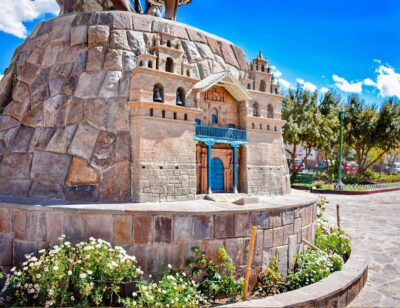
Moray, Maras Salt Mines & Chinchero Weavers Tour
Read our review →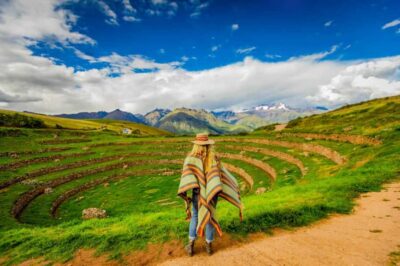
Sacred Valley, Pisac, Ollantaytambo, Salt Mines Moray
Read our review →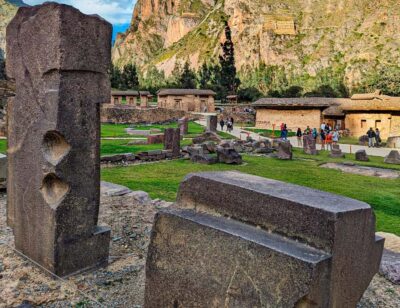
Chinchero,Moray & Salt Mines drop-off in Ollantaytambo
Read our review →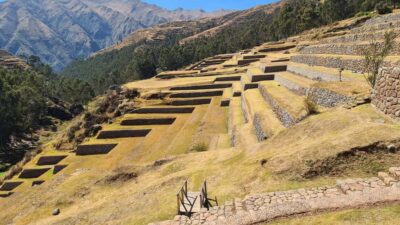
Sacred Valley: Chinchero, Moray, Ollantaytambo & Pisac+Lunch
Read our review →
Sacred Valley: Maras & Moray by Quad Bike from Cusco
Read our review →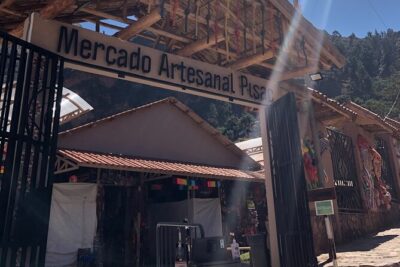
Pisac Indian Market and Ollantaytambo Fortress with Lunch
Read our review →
2-Day Trip to the Sacred Valley and Machu Picchu
Read our review →Browse the lists this tour appears in