
Reviewed · PUNO TOURS
Puno: Chucuito, Aramu Muru, and Juli Day Trip
Stone doors, sacred fields, and lakeside towns await. This nine-hour outing gives you a useful look at the quieter side of the Puno Region, beyond the usual Lake Titicaca trips. I especially like the mix of archaeological sites and living towns, along with the chance to see Juli’s painted churches and the unusual farming system called Waru Waru Andinos. The main drawback is time: Aramu Muru can feel rushed if you want both the hilltop view and a spiritual ceremony.
I also like the small group, limited to 15 people, and the hotel pickup in Puno. Guides such as Pablo have earned praise for clear explanations, architectural detail, and even literary references. Still, you should bring cash for entrance fees, ask how much time you will have at each stop, and compare the $40 price with local agencies before booking.
In This Review
- Key Points Before You Book
- Why This Day Trip Is Worth Your Time
- Leaving Puno for Chucuito
- The Chullpas of Molloco and Andean Farming
- Aramu Muru, the Gate of the Gods
- Juli, the Rome of Latin America
- Lunch and the Practical Side of the Tour
- What to Wear and Carry
- How the Guiding Can Shape the Day
- Who Should Book This Experience?
- Should You Book the Chucuito, Aramu Muru, and Juli Tour?
- FAQ
- How long does the tour last?
- Where does pickup take place?
- Which languages are available?
- How large is the group?
- Is lunch included in the price?
- Are entrance fees included?
- What should I bring?
- Is the tour wheelchair accessible?
- Can I cancel for a refund?
- Can I reserve the tour without paying immediately?
Key Points Before You Book
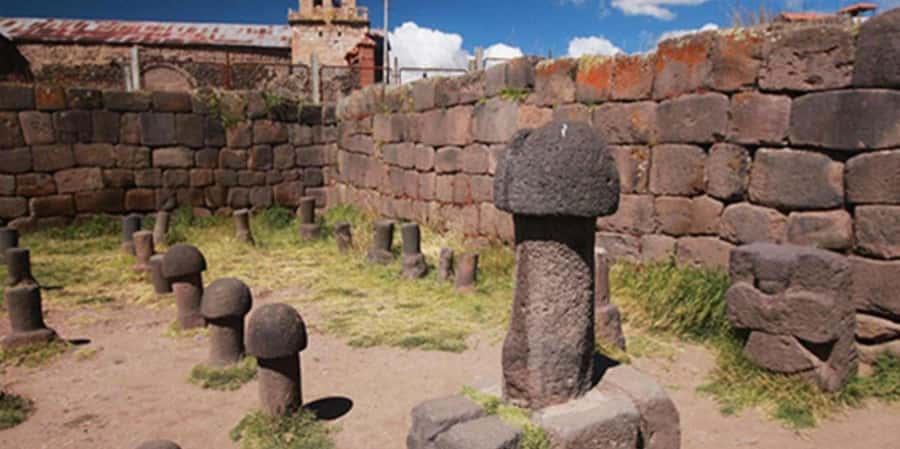
- Aramu Muru is the day’s most unusual stop: This carved stone portal, known as the Gate of the Gods, combines archaeology with local legend and spiritual practice.
- Juli gives the tour its strongest cultural finish: The town is called the Rome of Latin America because of its several historic churches, including San Pedro, San Juan de Letrán, and Santo Domingo.
- Chucuito offers more than a quick photo stop: You visit the Temple of Fertility and learn how pre-Columbian beliefs shaped the town.
- Waru Waru Andinos shows practical ancient farming: Raised fields helped create a warmer microclimate and protect crops from frost.
- Lunch and entry fees are extra: The tour includes transport and a guide, but you should carry money for admissions, food, and small purchases.
- The tour is best for active sightseers: Comfortable shoes, warm layers, sunscreen, and water are important, and the outing is not suitable for wheelchair users.
Why This Day Trip Is Worth Your Time
Puno is often treated as a base for Lake Titicaca, but the surrounding region has its own story. This trip takes you south through highland towns and archaeological sites that are less familiar than the lake’s floating islands. You get old stonework, church art, agricultural engineering, and Andean legends in one long day.
I like the range. The tour does not give you only ruins or only churches. Instead, each stop adds a different piece to the picture. Chucuito introduces local archaeology, Molloco brings funerary towers, Waru Waru Andinos explains farming, Aramu Muru adds mystery, and Juli shows how colonial religious art took root in the Andes.
The price is listed at $40 per person, which is reasonable if you value hotel pickup, round-trip transport, a live guide, and a small group. It is less attractive if you only want transport to the sites or if you are comfortable arranging a cheaper local excursion. One person found the price high compared with a local agency, so I would compare before paying.
The outing lasts about nine hours. That makes it a full day rather than a casual half-day sidetrack. You will spend plenty of time in a vehicle, but the travel connects several sites that are difficult to combine on your own without arranging private transport.
A few more Peru trips worth weighing up
- Day Trip to Uros Floating Islands and Amantani Island
★ 3.9 · 8 reviews - From Puno: Sun Island and Copacabana 1-Day Tour
★ 4.4 · 8 reviews - Sun island and Copacabana | From Puno or La Paz / Day Trip
★ 4.1 · 5 reviews
Leaving Puno for Chucuito
Pickup is available from your hotel in Puno, with the main meeting option listed at Plaza Mayor de Puno. You should wait in the hotel lobby from 10 minutes before the scheduled time. The vehicle ride is part of the value here, since you do not need to find separate transport for each stop.
Chucuito sits on a hill with views toward Lake Titicaca. That setting gives the first stop a strong sense of place. You are not simply looking at an isolated monument. You are seeing how a town, its hills, and the lake fit together.
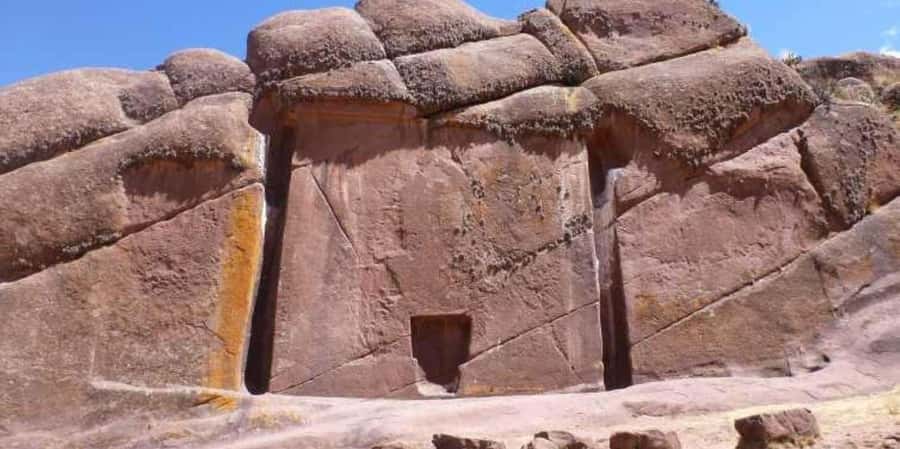
The town’s main attraction on this outing is the Temple of Fertility. The site connects to pre-Columbian ideas about fertility and reproduction, and the guide explains its archaeological importance. Some visitors may find the subject matter direct, but it is a useful reminder that Andean sacred sites often dealt with everyday survival: crops, families, animals, and the continuation of life.
I would pay close attention to the guide here. The site itself may not take long to see, but the explanation gives it meaning. A strong guide can connect the temple to broader Andean beliefs without reducing everything to a simple legend.
The Chullpas of Molloco and Andean Farming
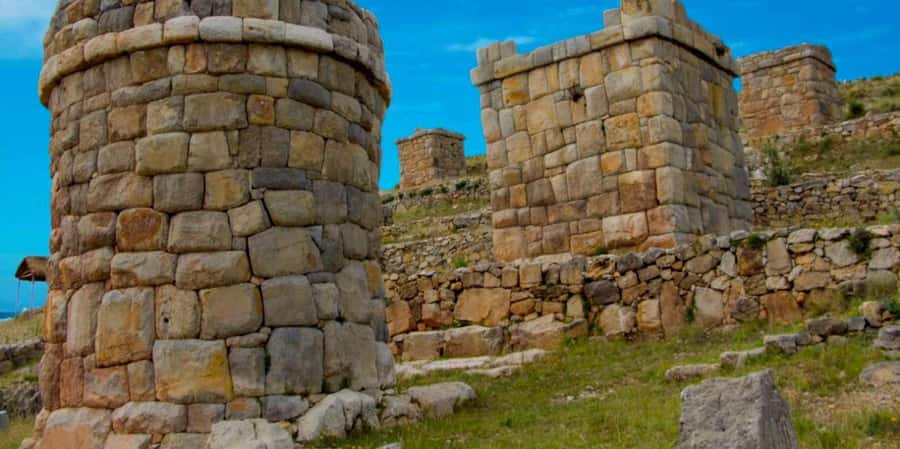
The Chullpas of Molloco are pre-Columbian funerary towers. These stone structures were connected with burial customs and show another side of the region’s ancient societies. They are not the largest ruins in Peru, but they reward a slower look at the masonry and the way the towers sit in the open highlands.
You may find this stop quieter than the more famous archaeological sites around Cusco. That is part of its appeal. There is less spectacle and more room to think about how communities honored their dead and marked important places.
The visit to the Waru Waru Andinos adds a practical note to the day. Waru waru are raised agricultural fields designed to help create a microclimate. Water around the raised beds could moderate temperatures, while the planting areas helped protect crops from frost.
This is one of the most useful stops for understanding Andean ingenuity. It shows that ancient farming was not simply a matter of planting on whatever ground was available. People adapted to cold nights, high elevations, and difficult growing conditions through careful design.
I like the contrast between the chullpas and the waru waru. One concerns death and ceremony, the other food and survival. Together, they show how much thought went into both the spiritual and practical sides of life in the region.
Aramu Muru, the Gate of the Gods
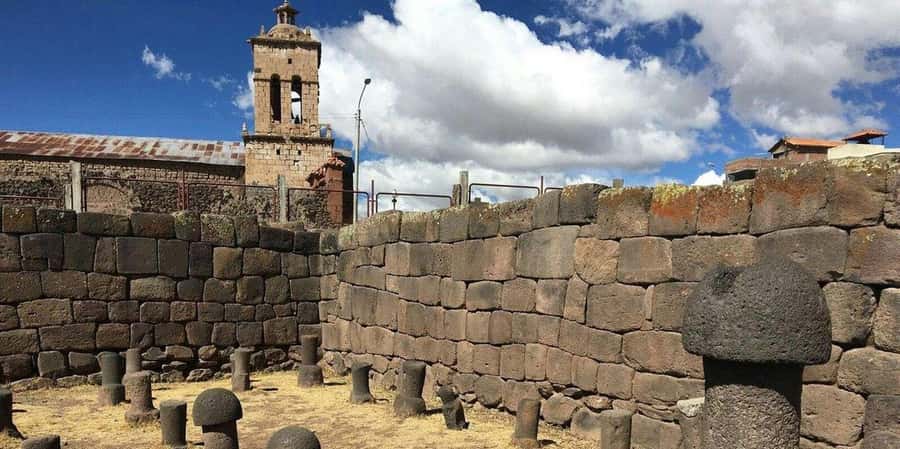
Aramu Muru is the tour’s most talked-about stop. The site is also called the Gate of the Gods, a name that tells you something about its power over the imagination. The stone portal is linked to an ancient legend in which various deities will one day arrive on Earth through the gateway.
You should approach this place with two ideas in mind. First, look at the stone itself and consider the skill and effort involved in carving or shaping it. Second, listen to the stories without expecting the guide to prove every supernatural claim. The value is in seeing how archaeology, local belief, and modern spiritual interest meet at one location.
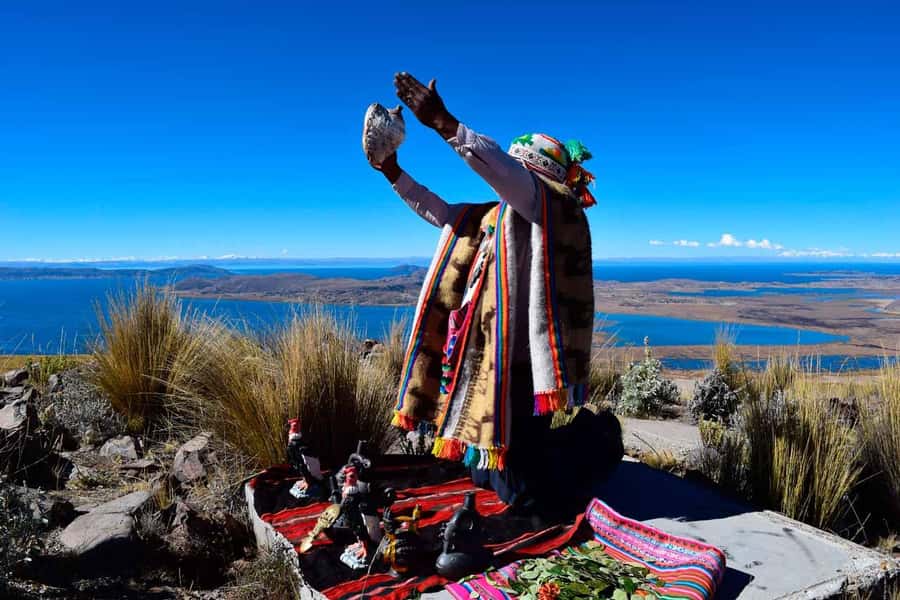
The stop may include time for photographs, a guided explanation, and a choice between walking up for a view or taking part in a shaman ceremony. You may not have enough time to do both. One useful tip is to decide before arriving which matters more to you. If you want the wider view, wear good shoes and be ready for an uphill walk. If the spiritual side interests you more, ask the guide how long the ceremony will take.
This is also the place where a thoughtful guide matters most. Some guides treat Aramu Muru as a quick photo stop. Others give the site a fuller explanation and allow room for the local spiritual traditions. Pablo has been praised for his detailed account of Inca architecture and for citing written sources, while another visitor enjoyed a spiritual element that gave the stop a more mysterious feel.
A guide also used a drone during one outing, adding an aerial view of the site. That is not something you should assume will happen every time, but it shows how the presentation can vary by guide and day.
A completely different sort of day out from Puno:
- From Cusco: Vinicunca Rainbow Mountain ATV Tour with Meals
★ 4.6 · 1,060 reviews - From Puno: Uros, Amantaní & Taquile Islands 2-Day Tour
★ 4.5 · 452 reviews - From Puno: Floating Islands of the Uros Half-Day Tour
★ 4.4 · 394 reviews - Lake Titicaca 2-Day Tour to Uros, Amantani and Taquile
★ 4.4 · 199 reviews
Juli, the Rome of Latin America
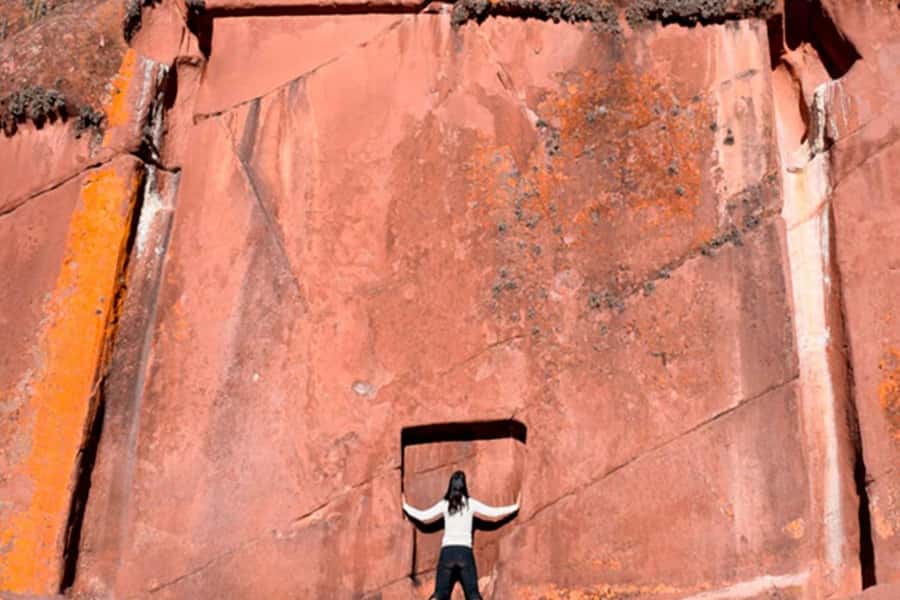
The final major stop is Juli, a town known as the Rome of Latin America. The nickname comes from its collection of historic churches rather than from any resemblance to the Italian capital. The town gives you a chance to see how Catholic art and local Andean traditions developed alongside one another.
The churches named on the route include San Pedro, San Juan de Letrán, and Santo Domingo. Inside, you can admire large paintings made by artists from the Cusco School. These works are important not only because they are attractive, but because church art was a major way religious ideas were taught during the colonial period.
I would allow yourself time to look closely at the paintings. Notice the scale, colors, figures, and details in the scenes. A guide can point out things you might miss if you simply walk through, especially when explaining the work of Cusco artists and the role of the churches in Juli.
Juli may be the stop where you most want extra time. One person felt that a lunch stop near the beach took time away from exploring the town. If you care more about streets, churches, and local atmosphere than about a leisurely meal, tell your guide early in the day.
Lunch and the Practical Side of the Tour
Lunch is planned at a local restaurant in Juli, but the meal is not included in the $40 price. The exact arrangement may vary. One account described a beach-area lunch stop where street food was the only option, so I would ask the guide what is available and how much time is set aside before choosing what to eat.
That uncertainty is worth noting because lunch can shape your impression of the afternoon. If you want a full sit-down meal, confirm the plan. If you prefer to keep moving, carry water and a small snack, though you should still follow the guide’s timing.
Entrance fees are also extra. The listed details do not provide the prices, so bring enough local currency and some small bills. A visitor specifically wished the entry costs had been explained in advance and did not have the right change. This is a small issue, but it can slow down a group.
The tour does include hotel pickup and drop-off, transport between the sites, and a live guide in Spanish or English. Smoking is not allowed. The group is limited to 15 people, which should make it easier to hear the guide and ask questions than on a large coach excursion.
What to Wear and Carry
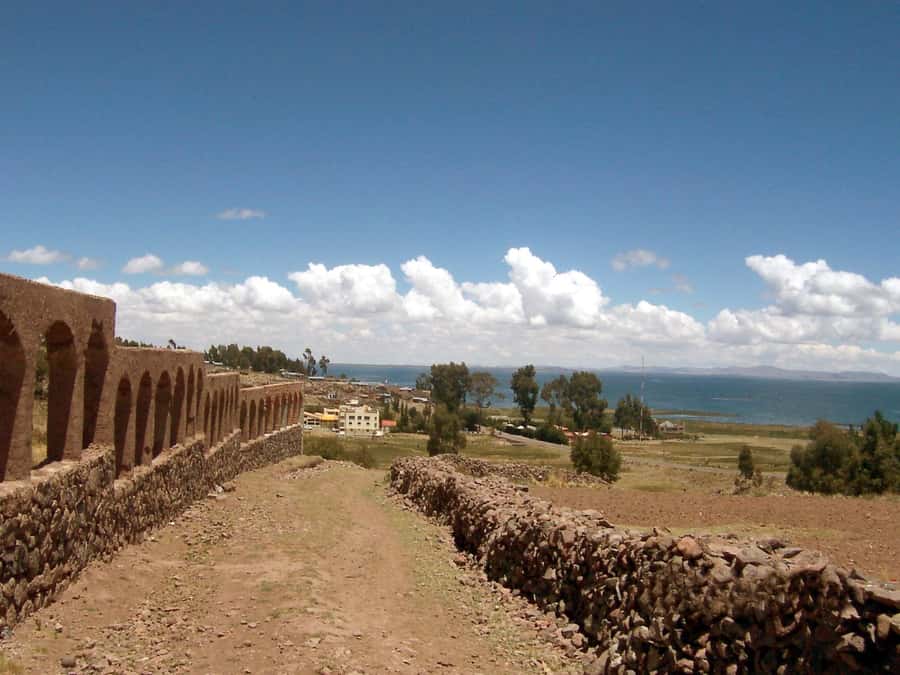
Puno’s high-altitude setting can bring strong sun, cold air, and quick changes in comfort. Wear warm clothing even if the day begins pleasantly. Layers are better than one heavy jacket because you can adjust them during walks and vehicle stops.
Comfortable shoes matter at Aramu Muru and the archaeological sites. You should also bring sunscreen, water, and a camera. The camera is allowed for personal use, and the open sites provide plenty of opportunities for photographs.
This outing is not suitable for wheelchair users. The information provided does not give detailed mobility notes for every stop, so anyone with walking concerns should ask the operator before booking. The tour also involves several stops in a single day, so you should be comfortable getting in and out of the vehicle and walking over uneven ground.
How the Guiding Can Shape the Day
The guide is one of the tour’s biggest strengths, but the experience depends on the person leading your group. Pablo and driver Adrian have been praised for being attentive and professional. Strong guiding is especially valuable at Chucuito, Waru Waru Andinos, and Juli, where the context matters as much as what you see.
English ability can vary. One English-speaking visitor found the historical explanations difficult to follow at times. If you are booking an English tour, do not hesitate to ask the guide to slow down or repeat a point. That is especially helpful at Aramu Muru, where legends and archaeological facts can easily become mixed together.
The guide’s approach may also affect the balance between history and spirituality. Some people prefer documented architecture and archaeology. Others enjoy the shaman ceremony and the mysterious side of Aramu Muru. You can make the day better by explaining your interests early.
Who Should Book This Experience?
I would recommend this tour if you want a broad look at the Puno Region in one day and do not want to organize several separate rides. It suits you if you enjoy archaeology, historic churches, Andean farming, and local legends in equal measure.
It is also a good match for anyone who wants a small group rather than a large bus. The maximum of 15 participants gives the guide a better chance to answer questions and keep the group together.
You may want another option if your priority is a long, relaxed visit at one site. The itinerary covers several places, and Aramu Muru or Juli may feel too brief for people who like to linger. You should also compare prices with local agencies if $40 feels high, particularly because food and entry fees are not included.
Free cancellation is available up to 24 hours before departure, and you can reserve now and pay later. Those terms help if your Puno plans are still changing, but they do not remove the need to check the starting time and confirm the pickup details.
Should You Book the Chucuito, Aramu Muru, and Juli Tour?
Book it if you want variety, reliable transport, and a guide to explain the meaning behind lesser-known sites near Puno. The strongest parts are the mix of Chucuito’s Temple of Fertility, the Molloco chullpas, the clever Waru Waru fields, and Juli’s churches.
Before you commit, ask two questions: how much time will you get at Aramu Muru, and exactly where will lunch take place? If you want both the view and the spiritual ceremony, the schedule may not allow it. If you are happy with a busy day and a wide sample of regional culture, this $40 outing offers a practical way to see far more than the lakeside sights alone.
FAQ
How long does the tour last?
The tour lasts nine hours, including transportation, guided visits, and the return to Puno.
Where does pickup take place?
Pickup is included from any hotel in Puno. Plaza Mayor de Puno is also listed as a pickup location. You should wait in your hotel lobby from 10 minutes before the scheduled pickup time.
Which languages are available?
The live tour guide is available in Spanish and English.
How large is the group?
The tour is limited to 15 participants.
Is lunch included in the price?
No. Meals are not included. Lunch is planned at a local restaurant in Juli, but the exact food arrangement may vary.
Are entrance fees included?
No. Entrance fees are extra, so bring money for admissions.
What should I bring?
Bring comfortable shoes, warm clothing, a camera, sunscreen, and water.
Is the tour wheelchair accessible?
No. The experience is not suitable for wheelchair users.
Can I cancel for a refund?
You can cancel up to 24 hours in advance for a full refund.
Can I reserve the tour without paying immediately?
Yes. The reserve-now, pay-later option allows you to book without paying at the time of reservation.
Just added around Puno
- Discover the Celestial Wonder of Sillustani: Towers of Time★ 4.2 · 3 reviews
- Puno: Two-day excursion to Uros, Amantani and Taquile★ 4.2 · 3 reviews
- From Puno: Travel to Cusco in Titicaca Train All Inclusive★ 3.9 · 3 reviews
- 5h tour from Puno to Aramu Muru portal and Inca Ruins★ 4.6 · 3 reviews
- From Puno: Excursion to Uros and Taquile Islands + Income★ 4.7 · 4 reviews
- Puno: 2-day Uros Kayak Tour with Homestay at Amantani Island★ 4.6 · 4 reviews
- FromPuno: Uros and Amantani Islands Full-Day Tour with Lunch★ 4.5 · 4 reviews
- Puno: Lake Titicaca, Uros, and Taquile Full-Day Tour★ 4.5 · 4 reviews
Puno Tours, compared.

Vinicunca Rainbow Mountain ATV Tour with Meals
Read our review →
Lake Titicaca 2-Day Tour to Uros, Amantani and Taquile
Read our review →
Full-Day Tour of Lake Titicaca and Uros & Taquile
Read our review →
Full-Day Route of the Sun Tour to Cusco with Lunch
Read our review →
Browse the lists this tour appears in