
Reviewed · LUNCH EXPERIENCES
Puno: Full-Day Route of the Sun Tour to Cusco with Lunch
Turn a long transfer into a full day out. This Route of the Sun trip from Puno to Cusco combines comfortable bus travel with four worthwhile stops, including Raqchi and Andahuaylillas. I like the spacious reclining seats, onboard bathroom, drinks, and strong bilingual guiding. I also like that the $44 fare includes lunch, making this much more than a basic bus ride. The main drawback is the extra 53 soles for site entries, plus a tightly managed schedule that gives you only a taste of each place.
You leave Puno at about 6:40 AM and reach Cusco around 5:30 PM, so this is a full day on the road. Still, the stops break up the journey well, and the Andes scenery gives you plenty to watch from your window. If you want the fastest transfer, take a direct bus. If you want history, local culture, and a much more interesting ride, this is the better use of your day.
In This Review
- Key points to know before booking
- Why this Puno to Cusco route earns its keep
- Leaving Puno at 6:40 AM
- Pucara Museum and the first Andean chapter
- Abra La Raya at the high point
- Buffet lunch near Sicuani
- Raqchi and the Temple of Wiracocha
- Andahuaylillas Church and its surprising interior
- Arriving in Cusco around 5:30 PM
- What the bus experience is really like
- Who should book this Route of the Sun tour?
- Should you book it?
- FAQ
- How long does the Route of the Sun tour take?
- Where does the tour start in Puno?
- Where does the tour end in Cusco?
- Which places are visited along the route?
- Is lunch included?
- Are entrance fees included?
- Is the tour offered in English?
- What is included on the bus?
Key points to know before booking
- Four guided stops turn transport into sightseeing: You visit the Pucara Museum, Abra La Raya, Raqchi, and Andahuaylillas.
- The bus is a major part of the value: Expect climate control, reclining seats, generous legroom, a clean bathroom, power outlets on some buses, and drinks served during the ride.
- The extra entry fee is 53 soles: This covers the Pucara Museum, Raqchi Complex, and Andahuaylillas Church, and is paid locally.
- Lunch is included near Sicuani: The buffet offers beef, chicken, fish, side dishes, salads, desserts, and herbal drinks.
- The day runs on a firm schedule: The stops are well spaced, but you will not have hours to wander independently.
- English and Spanish guiding adds real value: Guides such as Elisabeth, Manuel, and Juan Carlos have been praised for clear explanations and attentive service.
Why this Puno to Cusco route earns its keep
At $44 per person, this is an appealing alternative to traveling directly between Puno and Cusco. You get the bus ride, bilingual guide, lunch, drinks, bathroom, and several historic stops in one package. The price is also far below a scenic train journey, while still giving you a chance to see the countryside between Lake Titicaca and Cusco.
The cost needs one small adjustment in your mental budget. Entry to Pucara, Raqchi, and Andahuaylillas is not included. You pay 53 soles in person, so the real cost is the advertised fare plus that local fee. Some people find this annoying, especially because the group schedule is built around visiting those sites. You can skip the entries, but you may need to wait while the rest of the group goes inside.
That said, I think the value remains good. A regular bus gets you from one city to another. This service gives you a guided introduction to several places you might otherwise miss, plus a proper meal and a far more comfortable ride.
A few more Peru trips worth weighing up
- From Puno: full day tour to Uros and Taquile with Lunch
★ 4.6 · 95 reviews - Puno: Uros and Taquile Islands Full-Day Tour with Lunch
★ 4.5 · 17 reviews - FromPuno: Uros and Amantani Islands Full-Day Tour with Lunch
★ 4.5 · 4 reviews
Leaving Puno at 6:40 AM
The day starts at the Terminal Terrestre Puno on Jiron Primero de Mayo 703 to 705. Arrive early enough to find the correct departure point. One useful warning: the Inka Express booth at the station can be easy to miss, and the sign may not be obvious. Allow extra time rather than arriving at the last minute with luggage in hand.
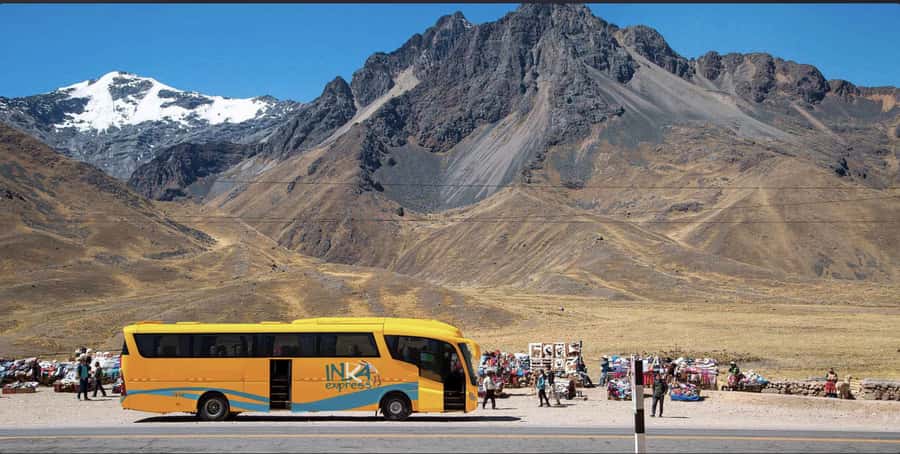
The climate-controlled bus is one of the strongest parts of the experience. The seats have been described as wide, comfortable, and able to recline, with good legroom. Some buses also have power outlets, which is handy on a long day when your phone will be working hard as a camera.
You can use the onboard bathroom, and drinks are available during the ride. These include mineral water, Coca-Cola, Inca Kola, coffee, tea, coca tea, and other herbal infusions. An oxygen tank is also carried onboard, a sensible precaution for high-altitude travel.
The guide provides commentary in English and Spanish. The quality of the guide matters here because you spend many hours together. Guides including Elisabeth, also called Ellie, Manuel, and Juan Carlos have been praised for clear explanations, good English, and thoughtful attention to passengers. The best guides do more than recite dates. They explain Andean beliefs, local customs, archaeology, and the meaning behind the places you visit.
Pucara Museum and the first Andean chapter
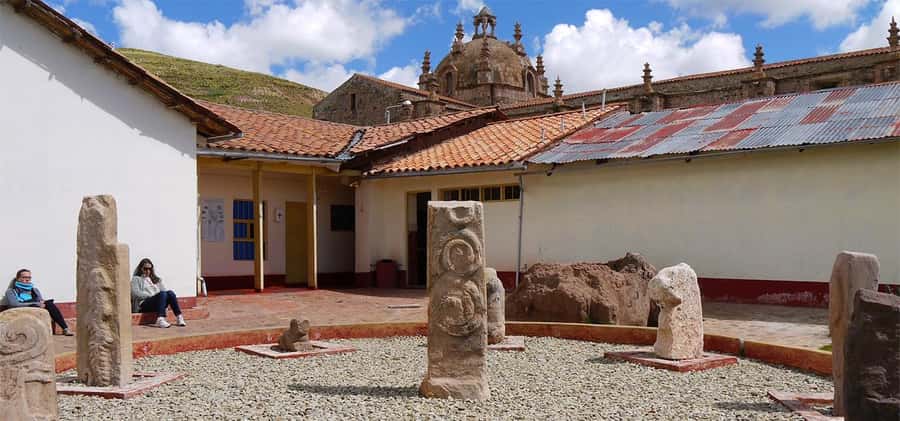
At about 8:50 AM, the bus reaches Pucara for roughly 45 minutes. The stop focuses on the Lithic Museum and the wider Pucará settlement, which dates to the Late Formative Period, from 500 BC to 200 AD.
Pucará was the first major settlement in the Titicaca basin. At its height, the city covered more than a square kilometer and supported priests, artisans, farmers, shepherds, administrators, and warriors. That gives this stop a useful role in the day: it places Andean civilization earlier than the Inca, reminding you that the Inca inherited a long tradition of organized settlements, religion, farming, and craft.
The museum entry is extra, included in the 53 soles site fee. Forty-five minutes is enough for a guided introduction, but not for a leisurely museum visit. You will want to listen closely to the guide, since the short stop means you cannot linger over every object.
Pucara is also a practical place to consider souvenirs. One experienced passenger found items bought in Pucara and Raqchi better priced and better made than similar goods in Cusco or Aguas Calientes. If you see something you genuinely like, this may be a smarter time to buy it, though you still need to carry it for the rest of the day.
Abra La Raya at the high point
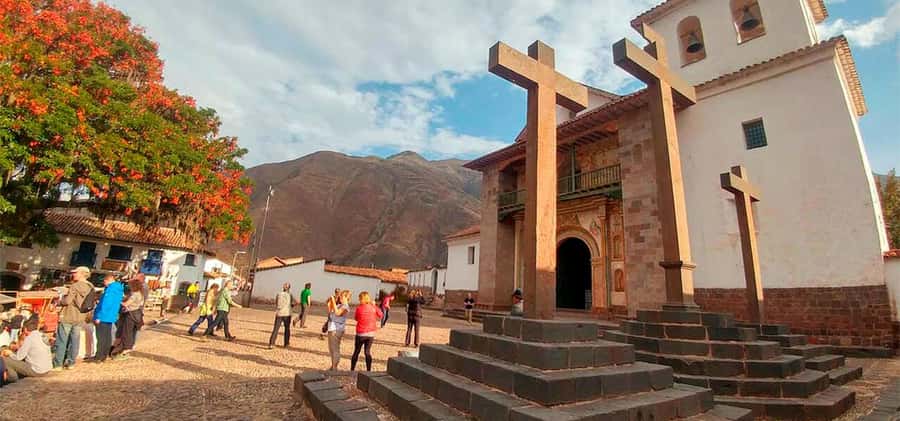
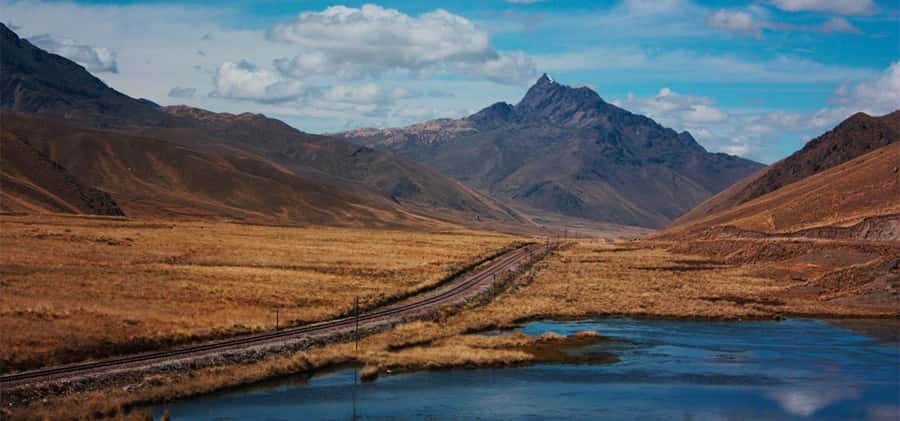
At around 11:00 AM, you stop at Abra La Raya for about 10 minutes. This is the highest point on the route between Puno and Cusco, and it marks the watershed between the two regions.
Ten minutes is short, but the purpose is clear: step off the bus, feel the high mountain air, take photographs, and look across the surrounding Andes. The views are the main attraction. You are not here for a long walk or a detailed archaeological visit.
Bring a warm layer. The stop is brief, but the high elevation can make the air feel sharp, especially early in the day. Because you return to the bus quickly, this is one of those stops where a camera or phone should be ready before you step outside.
Abra La Raya also helps break up the drive at the right moment. By late morning, you have already spent several hours in the bus. A short stop for fresh air and wide mountain views makes the journey feel less like a transfer.
A completely different sort of day out from Puno:
- From Cusco: Vinicunca Rainbow Mountain ATV Tour with Meals
★ 4.6 · 1,060 reviews - From Puno: Uros, Amantaní & Taquile Islands 2-Day Tour
★ 4.5 · 452 reviews - From Puno: Floating Islands of the Uros Half-Day Tour
★ 4.4 · 394 reviews - Lake Titicaca 2-Day Tour to Uros, Amantani and Taquile
★ 4.4 · 199 reviews
Buffet lunch near Sicuani
Lunch comes at about 11:35 AM, around Marangani and Sicuani, and lasts close to 50 minutes. The buffet includes beef, chicken, and fish, along with side dishes, warm and raw salads, desserts, and herbal infusions.
The meal is designed to suit different tastes, which is helpful after a morning of travel. Coca tea and other herbal drinks also fit the setting and may be welcome at altitude. Drinks on the bus and lunch are included, so you do not need to keep buying food during the route.
I would keep expectations sensible. The meal is convenient and has a decent range, but it is not the main reason to book the tour. One passenger found it delicious, while another felt the food was bland and partly cold. The dining room can also be busy when several tour buses arrive together, and the line may leave you rushing through the meal.
That is the tradeoff. You get a substantial buffet without arranging lunch yourself, but the 50-minute window is not generous. Take what you want in one pass if the line is long, and keep an eye on the departure time.
Raqchi and the Temple of Wiracocha
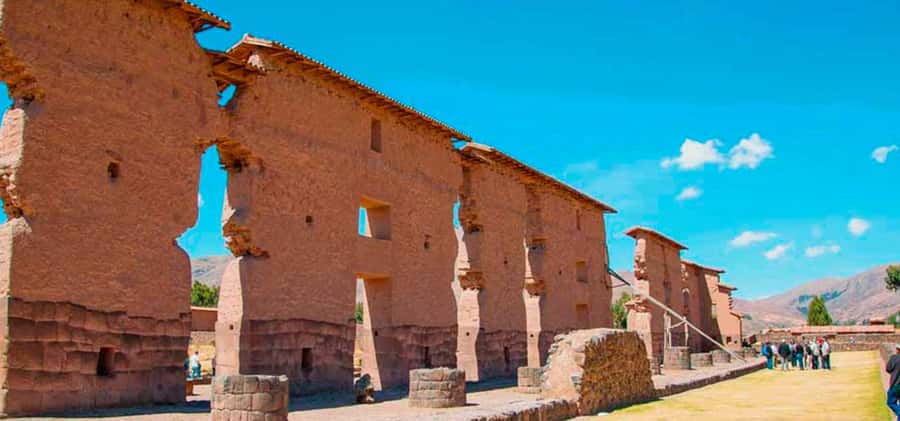
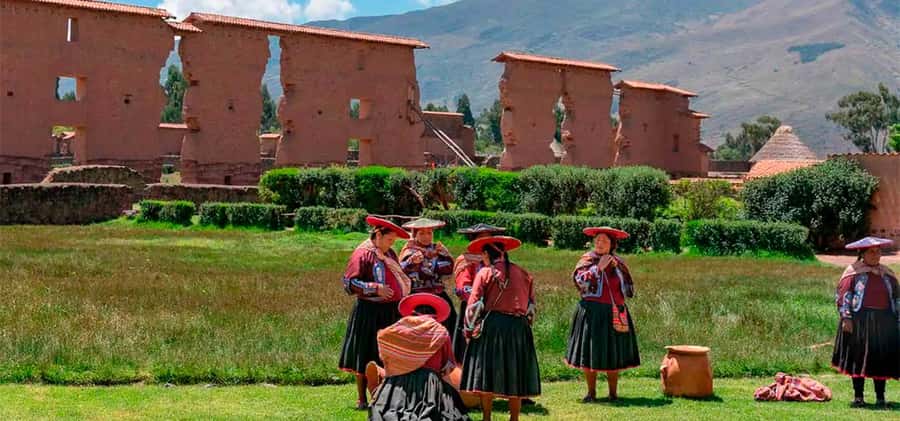
Around 1:00 PM, the tour reaches Raqchi for about an hour and a half. For many people, this is the best stop of the day.
The centerpiece is the Temple of Wiracocha, a huge Inca structure dedicated to the invisible Superior God of the Andean people. Its walls rise about 15 meters, giving the site a scale that photographs do not fully show. The remains also help you picture Raqchi as more than a single ruined building. It was a major ceremonial and settlement area, with a strong connection to religion, travel, and state power.
Raqchi has also received recognition as one of the Best Tourism Villages. That makes the visit feel connected to a living community rather than only an archaeological stop. Your guide can help explain how the site fits into Andean culture and why the temple mattered.
The hour and a half gives you more breathing room than at Pucara or La Raya. You can walk, listen, photograph the walls, and look at local crafts. The schedule is still fixed, so do not wander too far from the meeting point.
Raqchi is also a good place for souvenirs. If you want to buy something, compare the quality and price here before reaching Cusco. You may find more personal, locally made items than in the main tourist markets.
Andahuaylillas Church and its surprising interior
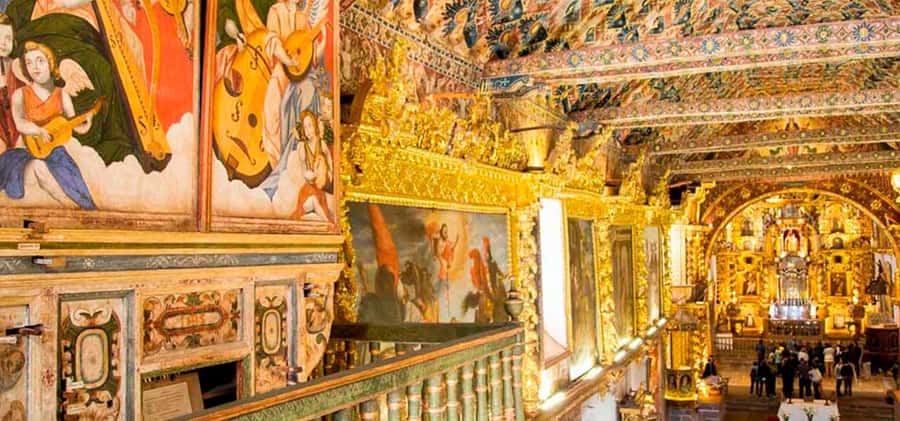
The final major visit is Andahuaylillas, reached at about 3:30 PM. You have roughly 45 minutes to see the Church of Saint Peter the Apostle, a 16th-century Jesuit church.
From the outside, the church can look modest. Inside, it is a different story, with gold leaf, elaborate murals, and heavy decorative detail. The contrast is the point. You enter expecting a small village church and find a richly decorated interior built to teach and impress.
The murals are especially important. In a period when many local people could not read, painted religious scenes helped communicate Christian teachings. At the same time, the church reflects the meeting and conflict of European Catholic ideas with Andean traditions. Your guide’s explanation makes the interior more meaningful than a quick walk through with a camera.
Entry is included in the same 53 soles fee covering the other paid sites. Forty-five minutes is enough to see the church with a guide, but not enough for a slow study of every mural. Follow the instructions about photography and remain aware of the departure time.
This is a particularly good stop for anyone interested in colonial art, religious history, or the way cultures meet in Peru. It also gives the day a strong final visit before the last stretch to Cusco.
Arriving in Cusco around 5:30 PM
The bus arrives at the terminal on Alameda Pachacuteq 499B in Cusco at about 5:30 PM. Drop-off is at the bus station, not at your hotel, so plan your onward transport before departure.
This matters if you have evening plans or a connection. The scheduled day lasts about 11 hours, and traffic or delays can affect the final arrival. I would avoid booking a tight evening appointment immediately after the bus reaches Cusco.
You also need to manage your luggage during the sightseeing stops. Guides and drivers have helped passengers with large bags, but you should still keep valuables and essentials with you. The bus is comfortable and secure according to the experience details, yet normal care remains wise.
The arrival terminal is in Cusco, but not every hotel is close enough for a simple walk. Since hotel drop-off is not included, budget for a taxi or other local transport.
What the bus experience is really like
A long road day succeeds or fails on comfort. Here, the details help: climate control, reclining seats, legroom, a bathroom, drinks, and bilingual commentary. Several people found the ride smooth, punctual, and safe, with a professional driver.
The guide also keeps the bus portion from becoming dead time. Instead of staring out the window for hours, you receive explanations about the regions, archaeology, and culture along the route. Some guides offer hot drinks several times during the day, a small touch that makes a difference in cold, high-altitude conditions.
The scenery is a major part of the route. You pass through broad Andean country, mountain views, valleys, and small towns. Sit near a window if views matter to you, and resist spending the whole ride on your phone. The route rewards attention.
The bus is not a private vehicle, so you follow the group schedule. That is the price of combining transport and sightseeing at this fare. You will not have the freedom to stop whenever a view catches your eye, but you also do not need to organize tickets, meals, driving, or route planning yourself.
Who should book this Route of the Sun tour?
I think this trip suits you if:
- You need to travel from Puno to Cusco and want more than a direct bus.
- You prefer history and scenery to a rushed airport connection.
- You want a comfortable vehicle with a bathroom and drinks.
- You enjoy guided visits and do not mind staying with a timetable.
- You want to keep costs below a scenic train journey.
- You are happy to pay the additional 53 soles for the three paid sites.
It is less suitable if you dislike long bus days, group schedules, or brief visits. It is also not ideal if you want a private guide, a slow museum visit, or hotel-to-hotel transport.
Cancellation is free up to 24 hours before departure, and you can reserve now and pay later. Those terms help if your route through Peru is still changing, but the key decision is simpler: do you want the journey itself to be part of your sightseeing?
Should you book it?
Yes, if you are moving between Puno and Cusco and have one full day available. The combination of Raqchi, Andahuaylillas, Abra La Raya, and Pucara gives you a useful introduction to Andean history, while the comfortable bus prevents the route from becoming a tiring chore.
Book it with three expectations in mind: bring warm clothing, arrive early at the Puno terminal, and set aside 53 soles for entries. Accept that lunch may be rushed and that each site is an introduction rather than a full visit.
For most people, the extra history and scenery are worth the long day. This is not simply a ticket from one city to another. It is a well-priced cultural road trip with a practical purpose.
FAQ
How long does the Route of the Sun tour take?
The activity lasts about 11 hours. The planned departure from Puno is around 6:40 AM, with arrival in Cusco at about 5:30 PM.
Where does the tour start in Puno?
You meet at Terminal Terrestre Puno, at Jiron Primero de Mayo 703 to 705.
Where does the tour end in Cusco?
The bus ends at the Cusco bus terminal at Alameda Pachacuteq 499B. Hotel drop-off is not included.
Which places are visited along the route?
The planned stops are the Pucara Museum, Abra La Raya, the Raqchi archaeological complex and Temple of Wiracocha, and Andahuaylillas Church.
Is lunch included?
Yes. A buffet lunch near Marangani and Sicuani is included, with beef, chicken, fish, side dishes, salads, desserts, and herbal infusions.
Are entrance fees included?
No. Entry to Pucara Museum, Raqchi Complex, and Andahuaylillas is paid in person. The stated combined cost is 53 soles.
Is the tour offered in English?
Yes. Live guiding is available in English and Spanish.
What is included on the bus?
The service includes climate-controlled transportation, a clean bathroom, drinks such as mineral water and Inca Kola, hot drinks including coca tea, and an oxygen tank.
Just added around Puno
- Discover the Celestial Wonder of Sillustani: Towers of Time★ 4.2 · 3 reviews
- Puno: Two-day excursion to Uros, Amantani and Taquile★ 4.2 · 3 reviews
- From Puno: Travel to Cusco in Titicaca Train All Inclusive★ 3.9 · 3 reviews
- 5h tour from Puno to Aramu Muru portal and Inca Ruins★ 4.6 · 3 reviews
- From Puno: Excursion to Uros and Taquile Islands + Income★ 4.7 · 4 reviews
- Puno: 2-day Uros Kayak Tour with Homestay at Amantani Island★ 4.6 · 4 reviews
- FromPuno: Uros and Amantani Islands Full-Day Tour with Lunch★ 4.5 · 4 reviews
- Puno: Lake Titicaca, Uros, and Taquile Full-Day Tour★ 4.5 · 4 reviews
Lunch Experiences, compared.
Humantay Lake Tour with Breakfast and Buffet Lunch
Read our review →
Sacred Valley & Maras Salt Mines Tour with Lunch
Read our review →
Machu Picchu: Full-Day Tour from Cusco with Optional Lunch
Read our review →
Sacred Valley: Chinchero, Moray, Ollantaytambo & Pisac+Lunch
Read our review →
Pisac Indian Market and Ollantaytambo Fortress with Lunch
Read our review →
7 Lakes Ausangate Trek with Breakfast and Lunch
Read our review →
Sacred Valley Pisaq,Ollantaytambo,Chinchero with Lunch
Read our review →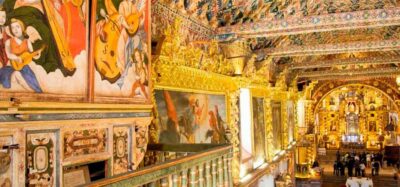
Scenic Route of the Sun to Puno with Buffet Lunch
Read our review →Browse the lists this tour appears in