
Reviewed · PUNO TOURS
Full Day Guided Tour of the Aymara Route from Puno
Ancient stones, lake air, and a full day beyond Puno. This Aymara Route tour gives you a useful change from the standard Lake Titicaca outings, with stops at Chucuito, Molloco, Aramu Muru, and Juli. I like the strong mix of pre-Inca and Inca-era sites, and I like the small maximum group of 15 people, which makes a long day in a van easier. The main drawback is that the day can run much later than expected, especially if extra stops or lunch are added.
I also like that the tour costs about $40 per person and includes an air-conditioned vehicle, a fair price for seven hours of transport and guiding. Guides can make a real difference here. Pablo, in particular, has been praised for his history knowledge, organization, and even professional drone footage. Still, some stops are modest, and Juli may disappoint if you expect a polished resort town or a grand colonial center.
In This Review
- Key points to know before you book
- Why take the Aymara Route from Puno?
- Chucuito and the small Inca Uyo shrine
- Molloco, where Lupaca and Inca traditions meet
- Aramu Muru and the route’s most unusual hour
- Juli, the Rome of America and the lakeside finish
- The real timing issue: expect a long day
- How much value do you get for $40?
- What kind of day should you expect?
- Who will enjoy it most?
- Booking advice and cancellation terms
- Should you book the Aymara Route?
- FAQ
- How long does the Aymara Route tour last?
- What is included in the tour price?
- How much do the water activities at Juli cost?
- Is lunch included?
- How many people can join the tour?
- What is the cancellation policy?
Key points to know before you book
- Chucuito begins the day with Inca Uyo, a small stone site linked to local fertility beliefs and rituals.
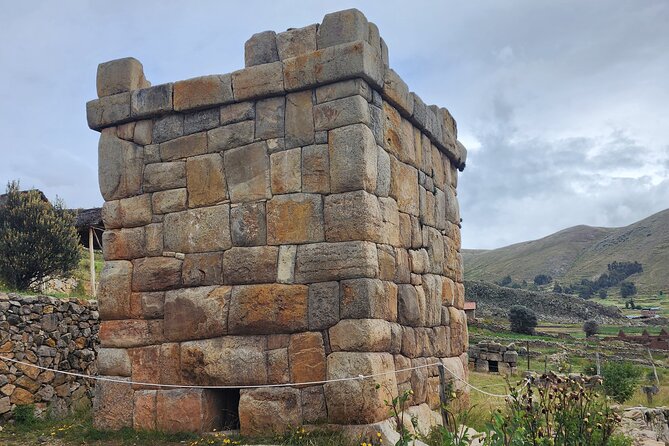
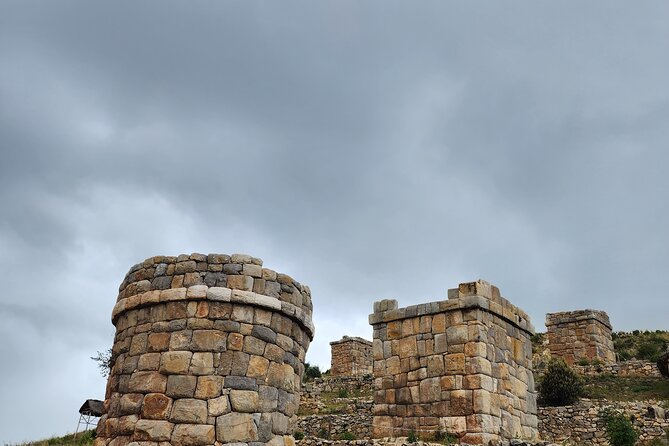
- Molloco shows Lupaca and Inca remains together, including three square chullpas and one circular burial tower.
- Aramu Muru is the most unusual stop, mixing dramatic rock formations with spiritual and mythological traditions.
- Juli adds a lakeside finish, with optional kayaking, ATVs, and jet skis at an extra cost of $10.
- The group is limited to 15 people, and the air-conditioned vehicle matters on a long high-altitude road day.
- Plan for a flexible schedule, since the advertised timing may not match the actual return time.
Why take the Aymara Route from Puno?
Puno is best known as the gateway to Lake Titicaca, but the region offers more than floating islands and boat trips. This route heads south from the city into the wider Aymara cultural area, where small archaeological sites and sacred places sit beside the lake and along the road.
I see this as a good choice for anyone with an extra day in Puno. It does not replace a major archaeological visit such as Sillustani, and it is not a polished sightseeing circuit. Instead, it gives you a broader sense of the region, including places that receive less attention than the lake’s most famous attractions.
The tour lasts about seven hours and ten minutes, with an 8:00 a.m. start. Four main stops fill the day, though the actual return can be later if the operator adds a site or a lunch stop. You should not book this on a day when you have a tight train, flight, or evening connection.
The small-group limit of 15 people is a real plus. You are less likely to spend the whole day waiting for a large crowd, and you should have a better chance to hear the guide at outdoor archaeological sites. The vehicle is air-conditioned, another welcome feature on a route that involves several road stretches.
A few more Peru trips worth weighing up
- Puno: Full-Day Tour of Lake Titicaca and Uros & Taquile
★ 4.4 · 178 reviews - Puno: Full-Day Route of the Sun Tour to Cusco with Lunch
★ 4.7 · 131 reviews - From Puno: full day tour to Uros and Taquile with Lunch
★ 4.6 · 95 reviews
Chucuito and the small Inca Uyo shrine
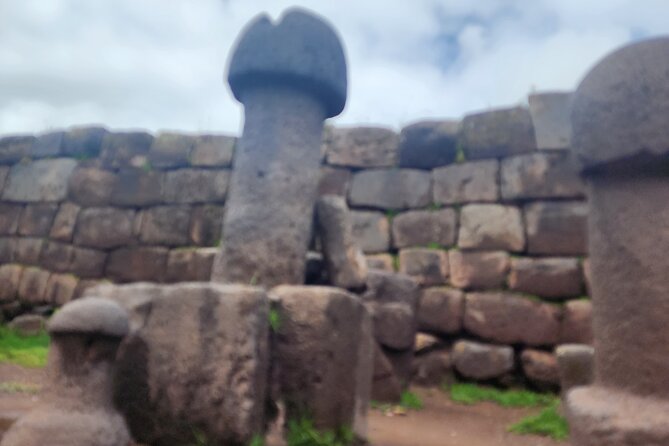
The first stop is Chucuito, a town south of Puno. The main attraction is Inca Uyo, commonly called the Temple of Fertility. Inside are around eight carved stone phalluses, which have become the site’s defining feature.
Local stories connect the shrine with fertility and the ability of women to conceive. These beliefs are part of the area’s living folklore, but they are not proven historical facts. That distinction matters. You can appreciate the place as a window into local belief without treating every popular explanation as settled archaeology.
Inca Uyo is not a vast complex. You will probably spend about 30 minutes here, enough time to see the stones and hear the explanation. The site’s interest comes less from grand architecture and more from the way ancient remains, local stories, and modern tourism have gathered around one compact place.
I would keep your expectations measured. If you have already visited large Peruvian archaeological centers, Inca Uyo may feel small and simple. Still, it is an unusual opening stop, and a good guide can explain why fertility symbols appear in many cultures and why myths continue to shape how places are understood.
Admission is included, and the visit is short enough that it does not take over the day.
Molloco, where Lupaca and Inca traditions meet
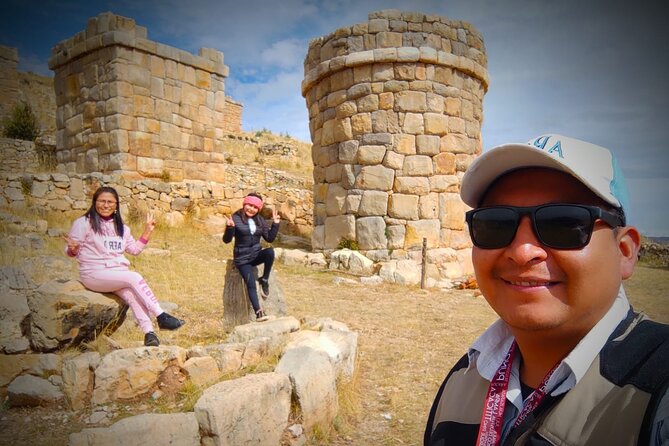
Near Acora, the route continues to Molloco, a pre-Inca settlement associated with the Lupaca culture. This is one of the more useful stops for understanding how cultures overlapped in the Lake Titicaca region.
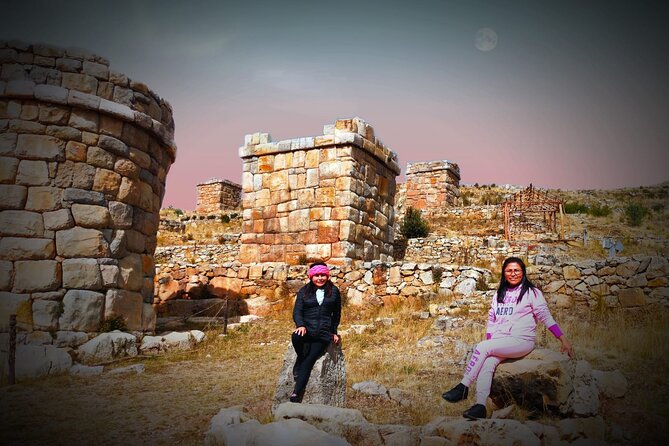
The remains include funerary structures called chullpas. You can see three square-shaped towers and one circular tower. Their different forms help show the meeting of Lupaca and Inca traditions, rather than presenting the past as one neat, isolated culture.
Molloco is a modest archaeological site, and the visit lasts about 30 minutes. There is no separate admission charge. The value is in the setting and explanation, not in the size of the ruins.
If you visited Sillustani the day before, you may find Molloco less impressive. Sillustani has a stronger visual impact and more imposing burial towers. Molloco works better as a short, focused stop that adds cultural context to the day.
Pay attention to the guide’s explanation of the burial structures and the relationship between the Lupaca people and the Inca Empire. This is where a good guide earns the tour price. The stones themselves cannot tell the whole story without some help.
Aramu Muru and the route’s most unusual hour
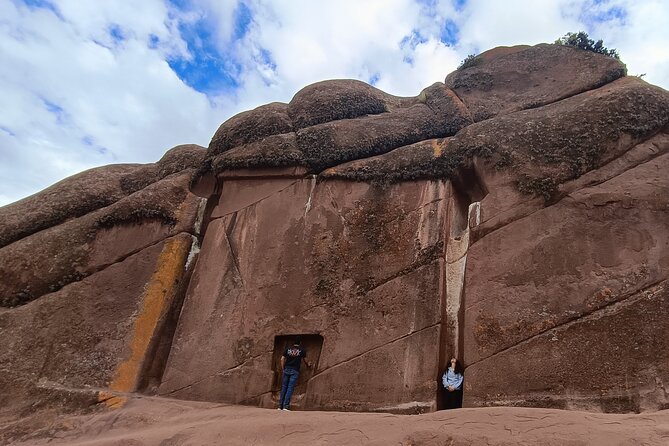
The Portal de Aramu Muru, also called Aramomuro in the supplied tour details, is located south of Ilave, between Ilave and Juli. It is a rocky site known for a carved doorway-like formation and a mix of historical and mythological associations.
This is likely to be the most memorable stop for people who enjoy unusual places and local spiritual traditions. The route allows about an hour here, including walking among the rock formations and time for meditation. One account of the experience included a ceremony at the site, so you may encounter a spiritual element depending on the guide and the group.
The important thing is to approach Aramu Muru with the right frame of mind. It is not a conventional ruin with a clear sequence of temples, plazas, and walls. Its appeal comes from the rock formations, the quiet setting, and the stories attached to the site.
Some visitors may find it deeply moving. Others may see a natural rock formation surrounded by too much modern explanation. The difference often depends on your interest in mythology and spiritual practice. I would not book this route expecting a major archaeological monument. I would book it if you enjoy places where history, belief, and mystery overlap.
You should also be prepared for walking. The tour description gives one hour for this stop and specifically mentions a walk to see the formations. Comfortable shoes are a sensible choice, even though the supplied information does not give a precise distance or difficulty rating.
A completely different sort of day out from Puno:
- From Cusco: Vinicunca Rainbow Mountain ATV Tour with Meals
★ 4.6 · 1,060 reviews - From Puno: Uros, Amantaní & Taquile Islands 2-Day Tour
★ 4.5 · 452 reviews - From Puno: Floating Islands of the Uros Half-Day Tour
★ 4.4 · 394 reviews - Lake Titicaca 2-Day Tour to Uros, Amantani and Taquile
★ 4.4 · 199 reviews
Juli, the Rome of America and the lakeside finish
The final main stop is Juli, known in promotional language as the Rome of America. The route visits the main square and views the cathedral from the outside. The church entrance is optional, as are the activities at Juli beach.
Juli has colonial religious history and a strong place in the cultural story of southern Lake Titicaca. But you should keep the Rome comparison in proportion. This is not a city of grand Italian-style monuments. The phrase is a nickname, not a promise of a major European-style sightseeing center.
The main square visit is brief. The tour then continues toward Juli beach, where you can see the lake and choose from optional adventure activities. These include kayaking, ATVs, and jet skis. The activities cost an additional $10, and they are not included in the base price.
This ending can work well if you want a little activity after the archaeological stops. It also gives the day a change of pace. After several historic and sacred sites, the lakefront offers a more recreational setting.
The beach quality may vary, and one harsh account found it unattractive and poorly maintained. I would treat the water activities as optional extras, not as the main reason to book the tour. If you want a carefully developed beach resort, Juli may not meet that expectation. If you simply want to see another side of Lake Titicaca and perhaps try a short activity, it can be a pleasant final stop.
The real timing issue: expect a long day
The stated duration is about seven hours and ten minutes, with an 8:00 a.m. start. On paper, that suggests a return around mid-afternoon. In practice, the day may extend until roughly 5:30 p.m. if the operator adds a stop or includes lunch in Juli.
That gap is the biggest practical concern. A tour can be enjoyable and still cause trouble if you have planned a bus, train, or dinner reservation around the advertised finish. I would leave your evening open.
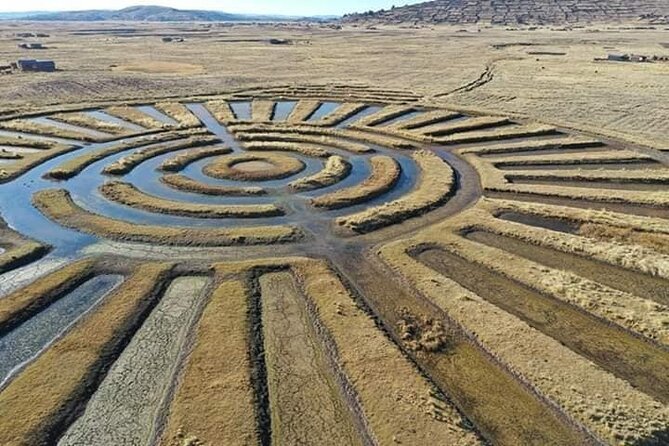
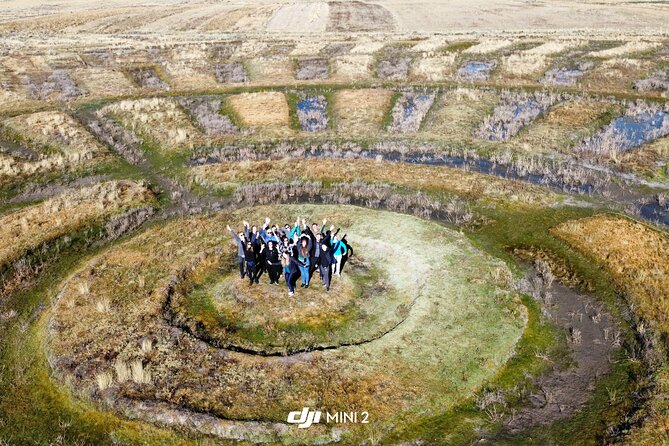
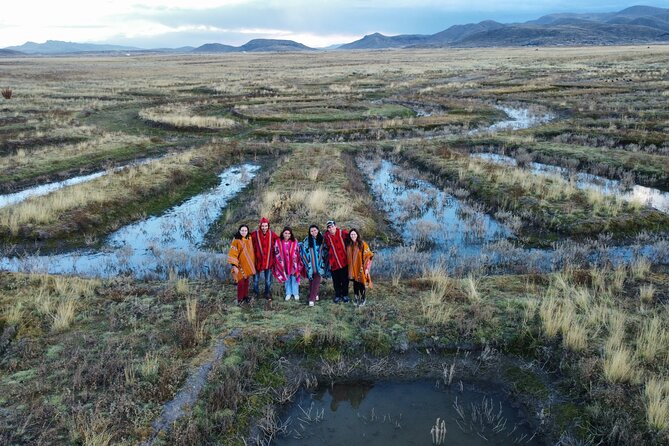
An added stop mentioned in one account was a waru waru, an agricultural drainage feature. Waru waru are associated with raised agricultural fields in the Andean region, but the condition and presentation of a particular site can vary. If you are interested in traditional farming methods, it may add context. If you expect a major attraction, it may feel like a detour.
Lunch is not included in the $40 price. Extra lunch arrangements may be offered during the day, but you should clarify the plan before departure and decide if the restaurant suits you. The supplied tour details do not identify a fixed lunch venue, so bring a practical attitude and avoid assuming a set meal is part of the package.
Water is also not listed as included. Carrying your own bottle is sensible, especially on a full day at altitude. The tour includes transport, but not lunch or the optional water activities.
How much value do you get for $40?
At around $40 per person, this is a reasonably priced way to cover several sites south of Puno. You are paying for transportation in an air-conditioned vehicle, a guide, and a full day on the road. For a group capped at 15 people, that is a fair deal if you want to see several places without arranging separate taxis or private transport.
The value is strongest for first-time visitors who want a regional overview. You can see Chucuito, Molloco, Aramu Muru, and Juli in one organized day. You also get historical interpretation, which is important because some of the sites are small and easy to misunderstand without context.
The value is weaker if you want only major ruins. Molloco is not as visually powerful as Sillustani, Inca Uyo is compact, and Juli may feel ordinary if you are judging it as a grand colonial destination. You are paying for variety and access, not a string of spectacular monuments.
The strongest praise has focused on the guides and organization. Pablo has been singled out for being engaging, well prepared, and able to keep the day moving at a comfortable pace. Professional drone footage has also been provided at no extra charge on at least one outing. That is a generous touch, though you should not assume it is guaranteed for every departure.
What kind of day should you expect?
This is a road-based sightseeing day with repeated short visits rather than one long stay at a single site. You will spend time in the vehicle between stops, then walk around archaeological and rocky areas, return to the vehicle, and continue south.
The pace sounds manageable, with about 30 minutes at Chucuito, 30 minutes at Molloco, an hour at Aramu Muru, and an hour around Juli. Extra time may go to lunch, a farming-related stop, or water activities.
I would wear walking shoes, carry water, and bring sun protection. These are practical suggestions based on the outdoor nature of the stops and the long day, not special equipment requirements listed by the operator.
The tour is open to most participants, and service animals are allowed. It is near public transportation, and confirmation is provided at booking. The experience is not presented as a strenuous trek, but Aramu Muru includes walking, so anyone with mobility concerns should ask for more detail before paying.
Who will enjoy it most?
I would recommend this route to you if you:
- Have an extra day in Puno
- Want history beyond the usual Lake Titicaca boat trips
- Enjoy small archaeological sites and local legends
- Prefer a guided day rather than arranging transport yourself
- Like unusual spiritual places such as Aramu Muru
- Are comfortable with a flexible schedule
I would be more cautious if you want polished facilities, large monuments, or a tightly controlled timetable. The route is best for curious visitors who can appreciate a short site for its cultural meaning, even when it is not visually grand.
It also suits people who want a mix of history and recreation. The optional kayaking, ATVs, and jet skis at Juli can break up the archaeological focus, though the extra $10 cost should be included in your budget.
Booking advice and cancellation terms
The tour is operated by Qhapaq Adventures and is commonly booked well ahead of time, with an average booking lead of about 30 days. That does not mean you cannot find a last-minute place. One outing was booked at short notice, but advance planning is safer if your dates are fixed.
Free cancellation is available when you cancel at least 24 hours before the start time. Cancellations or changes made inside that window are not accepted for a refund, and the cut-off follows local time.
Before you go, confirm the expected return time, lunch arrangements, and whether the Juli water activities are available that day. Those three questions will prevent the most common surprises.
Should you book the Aymara Route?
Book it if you want an affordable, varied day outside Puno, especially if you have already seen the main lake attractions and want pre-Inca sites, Aymara traditions, and a different view of the region. A strong guide, such as Pablo, can turn the smaller stops into a worthwhile cultural lesson.
Skip it if you need a dramatic archaeological spectacle or a precise return time. The sites are uneven in impact, Juli may not impress everyone, and the day can run much longer than expected. For the right visitor, though, this is a useful off-the-main-road excursion at a fair price, with Aramu Muru providing the most distinctive experience.
FAQ
How long does the Aymara Route tour last?
The advertised duration is approximately 7 hours and 10 minutes. The tour starts at 8:00 a.m., but the actual finish can be later if extra stops or lunch are added.
What is included in the tour price?
The price includes transportation in an air-conditioned vehicle and admission to the included sites. Lunch and the optional water activities are not included.
How much do the water activities at Juli cost?
Kayaking, ATVs, and jet skis at Juli are optional and cost $10. The supplied tour details do not specify the individual price for each activity.
Is lunch included?
No. Lunch is not included in the $40 tour price. Additional lunch arrangements may be offered during the day, so confirm the plan before departure.
How many people can join the tour?
The maximum group size is 15 travelers.
What is the cancellation policy?
You can cancel at least 24 hours before the experience starts for a full refund. Cancellations or changes made less than 24 hours before the start time are not accepted for a refund.
Just added around Puno
- Discover the Celestial Wonder of Sillustani: Towers of Time★ 4.2 · 3 reviews
- Puno: Two-day excursion to Uros, Amantani and Taquile★ 4.2 · 3 reviews
- From Puno: Travel to Cusco in Titicaca Train All Inclusive★ 3.9 · 3 reviews
- 5h tour from Puno to Aramu Muru portal and Inca Ruins★ 4.6 · 3 reviews
- From Puno: Excursion to Uros and Taquile Islands + Income★ 4.7 · 4 reviews
- Puno: 2-day Uros Kayak Tour with Homestay at Amantani Island★ 4.6 · 4 reviews
- FromPuno: Uros and Amantani Islands Full-Day Tour with Lunch★ 4.5 · 4 reviews
- Puno: Lake Titicaca, Uros, and Taquile Full-Day Tour★ 4.5 · 4 reviews
Puno Tours, compared.

Vinicunca Rainbow Mountain ATV Tour with Meals
Read our review →
Lake Titicaca 2-Day Tour to Uros, Amantani and Taquile
Read our review →
Full-Day Tour of Lake Titicaca and Uros & Taquile
Read our review →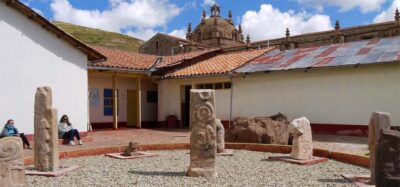
Full-Day Route of the Sun Tour to Cusco with Lunch
Read our review →
Browse the lists this tour appears in