Reviewed · MORNING
Cusco South Valley: Morning Half Day Tour
Ancient waterworks, painted churches, and open Andean views make this six-hour trip a smart way to see Cusco beyond the city center. I like the clear contrast between Inca engineering at Tipón and the older Wari ruins at Pikillaqta. I also like that transportation, hotel pickup, and a bilingual guide are included for $29. The main catch is the extra cost of the tourist ticket, plus a lunch and shopping stop that can take more time than expected.
This is a history-heavy outing without a punishing amount of walking. The sites are spread across the southern valley, so a vehicle saves you the trouble of arranging separate taxis. Still, pickup can be a little loose, and explanations may be shorter in English when most of the group speaks Spanish.
In This Review
- Five things to know before you book
- Why Cusco’s South Valley deserves a morning
- Pikillaqta: a Wari city before the Inca
- Tipón: where the water does the talking
- Andahuaylillas Church: a small building with a loud interior
- The one-hour break, and why you should ask about it
- Transport, pickup, and the pace of the day
- Guides, languages, and the quality of the explanation
- What the $29 price really buys you
- Who should choose this South Valley tour?
- Should you book it?
- FAQ
- How long does the Cusco South Valley tour last?
- What sites are included?
- Is hotel pickup included?
- What languages does the guide speak?
- Is the S/70 tourist ticket included?
- Is the entrance fee to Andahuaylillas Church included?
- What should I bring?
- Is the tour suitable for wheelchair users?
Five things to know before you book
- Tipón is the star for engineering: Stone channels still guide water from the Pachatusan highlands toward the valley.
- Pikillaqta adds a pre-Inca chapter: Its walled streets and buildings belonged to the Wari Empire, not the Inca.
- Andahuaylillas Church changes the mood: Inside, painted walls, gold-colored frames, and Baroque altarpieces replace the bare stone of the archaeological sites.
- The $29 price is good but not all-inclusive: You must pay the S/70 tourist ticket, and the church entrance fee is also separate.
- Expect a one-hour break: This may include lunch, a bread shop, or other commercial stops, so ask about the plan before leaving Cusco.
- Bring shoes for uneven ground: Large bags are not allowed, and the outing is not suitable for wheelchair users.
Why Cusco’s South Valley deserves a morning
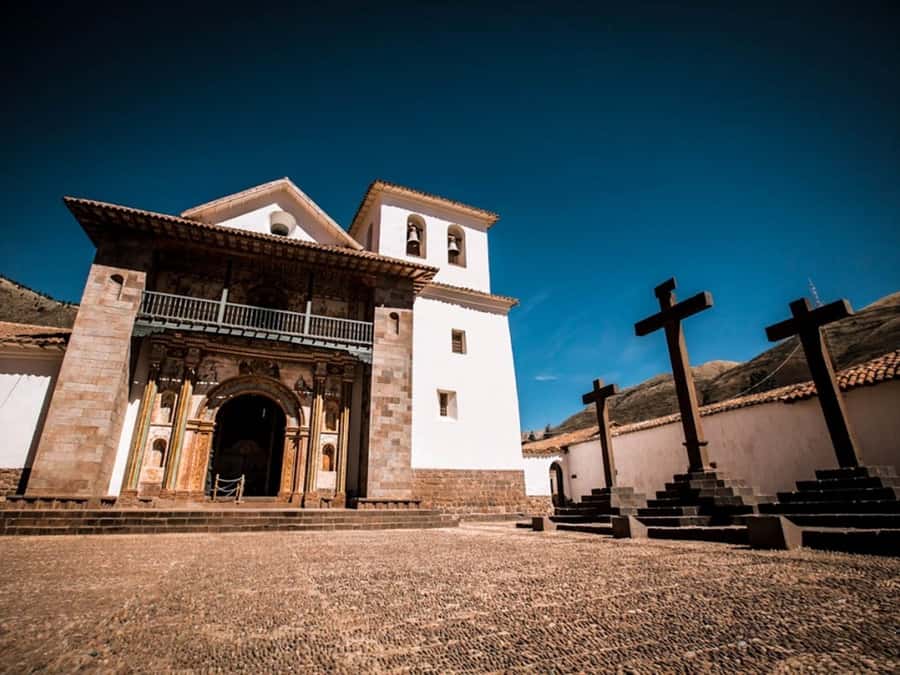
Cusco’s main sights tend to pull you toward Inca palaces, colonial churches, and the crowded streets around the Plaza de Armas. The South Valley gives you a different story. Here, Inca water control, Wari city planning, and Spanish colonial art fit into one compact route.
The scenery helps make the drive worthwhile. After pickup in Cusco at about 8:30 AM, you travel south through the Andean Mountain Range, with broad valley views and high mountain terrain along the way. The drive to the first archaeological stop takes about 30 minutes, according to the planned timing.
I like this route because it avoids repeating the same type of sight. Pikillaqta is pre-Inca, Tipón is Inca, and Andahuaylillas belongs to the colonial period. You get three distinct periods in one day, with enough context to see how power and religion changed across the region.
The tour returns to Cusco around 3 PM, finishing at Plaza Regocijo. That makes it useful on a first full day in Cusco, or as a lighter outing before an evening meal. It is also a practical choice if you want archaeological sites without committing to a full-day trip into the Sacred Valley.
A few more Peru trips worth weighing up
- Sacred Valley Experience and Machu Picchu Sunrise 2-day Journey
★ 5.0 · 60 reviews - Humantay Lake small group with late morning departure option
★ 4.5 · 55 reviews - 08am Departure Rainbow Mountain Tour: Late Morning Tour
★ 4.9 · 28 reviews
Pikillaqta: a Wari city before the Inca
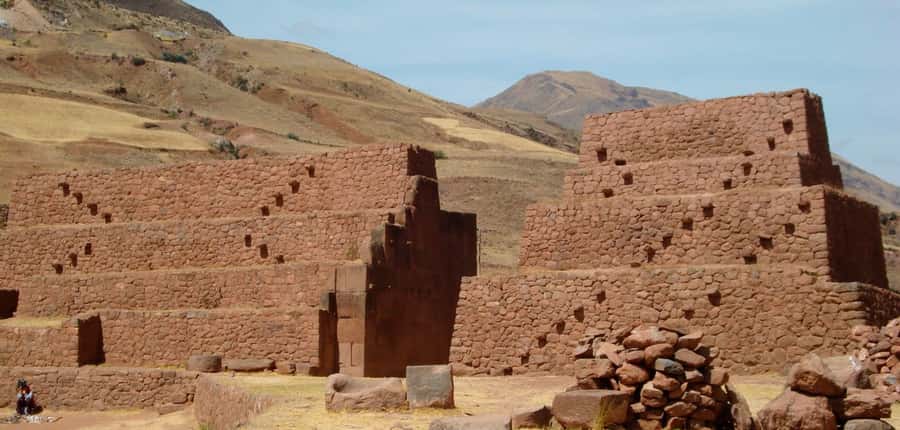
Pikillaqta is the first major stop on the planned route, with about 40 minutes for a guided visit and sightseeing. The name is translated as city of fleas, but the site itself is far more substantial than that odd English rendering suggests.
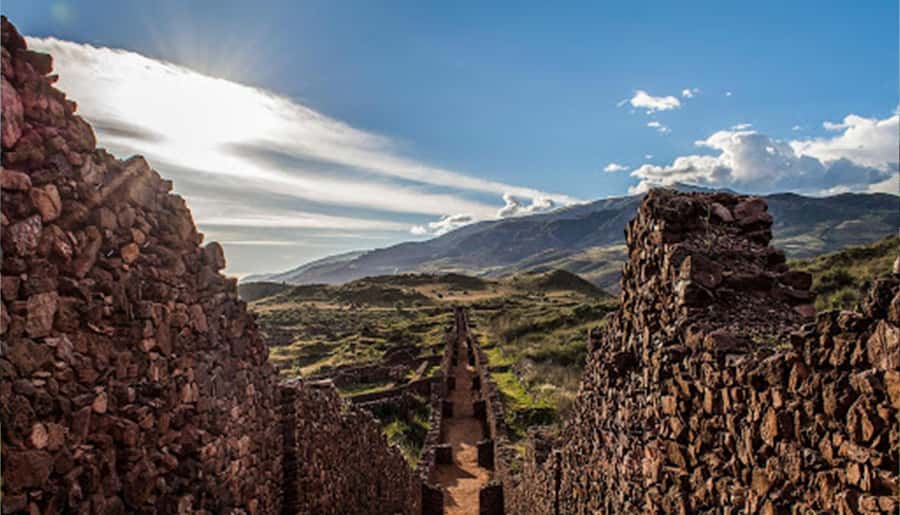
This was a walled citadel and an important regional center of the Wari Empire. The Wari occupied the area before the Inca expansion, giving you a useful reminder that Cusco was not the beginning of Andean civilization. By the time the Inca became dominant, organized societies had already built large settlements, controlled territory, and developed their own architectural systems.
Pikillaqta is especially useful for seeing planning on a broad scale. Its walls and layout help you picture a city designed for administration and regional control, rather than a small ceremonial shrine. The remains are not decorated like a later colonial church, and much of the appeal comes from understanding the site’s age and purpose.
Your guide matters here. A good explanation can turn low stone walls into a picture of Wari expansion. Without context, the ruins can feel spare. The tour includes a professional bilingual guide in Spanish and English, but the balance between the two languages may vary. One English-speaking participant reported that most of the explanation was in Spanish, followed by a shorter English version. If you need more English detail, stay close to the guide and ask questions during the stop.
The 40-minute visit is enough for an introduction, not an exhaustive archaeological study. I would treat Pikillaqta as a strong historical stop that gains value from the guide’s storytelling, rather than expecting a large museum-style presentation.
Tipón: where the water does the talking
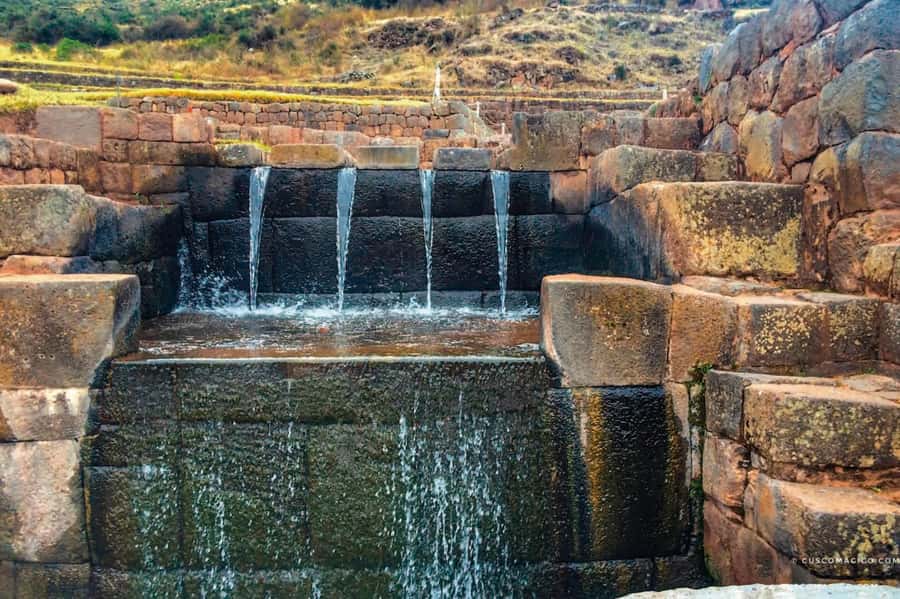
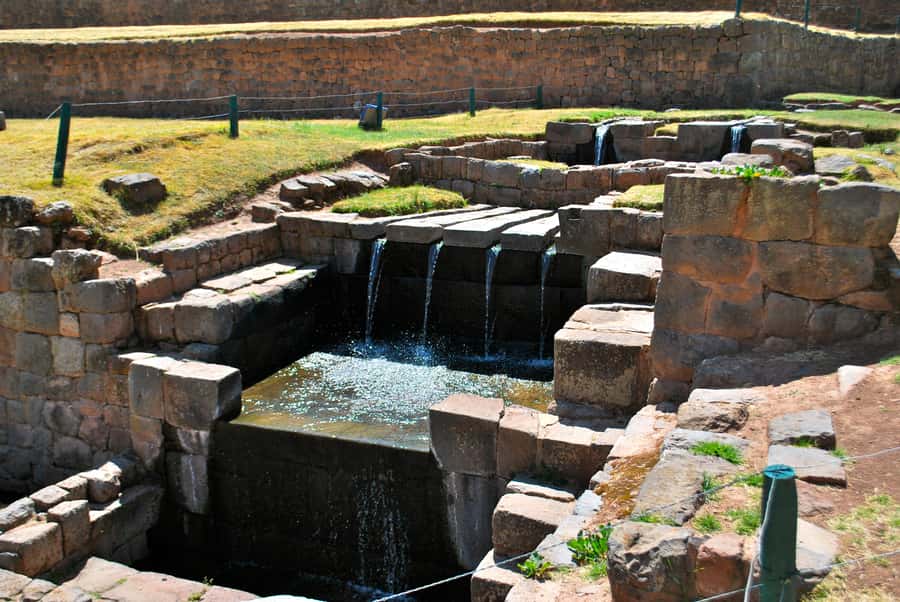
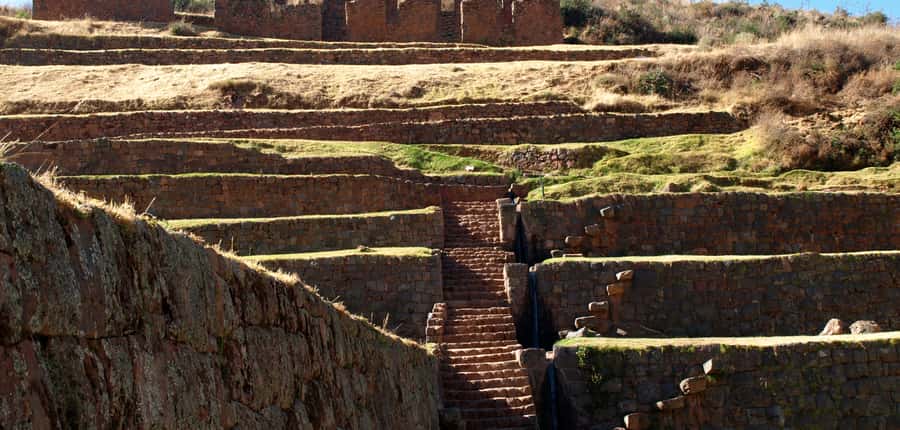
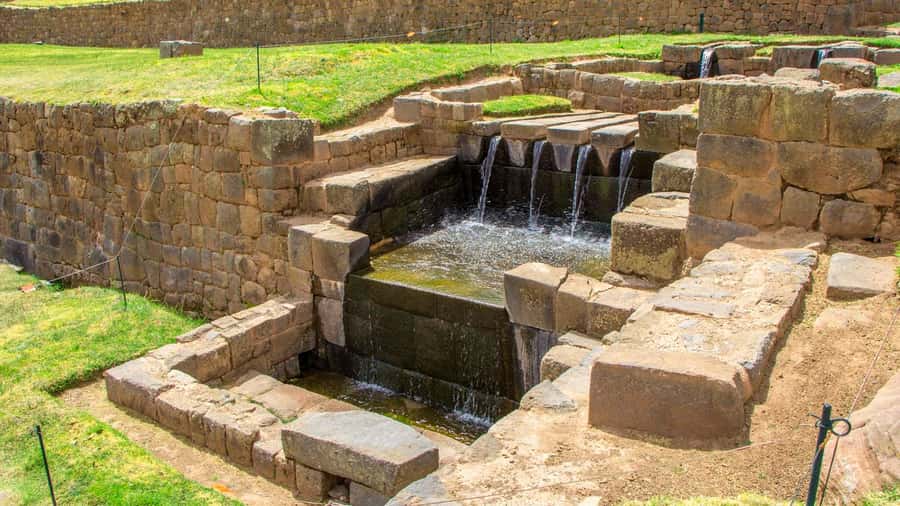
The visit to Tipón lasts about 50 minutes, and this is likely to be the most memorable stop for many people. Tipón was a ceremonial Inca center built around water management. Stone channels carried water from the high summits of Pachatusan hill down toward the lower parts of the valley.
The clever part is that the waterworks are not just ruins to look at. They show a practical understanding of slope, flow, and controlled distribution. The channels, terraces, and carefully fitted stonework give you a direct sense of how Inca builders combined ceremony with useful infrastructure.
I like Tipón because it makes Inca achievement easy to understand. You do not need a long lecture to see why water mattered. The channels provide a physical example, and a guide can explain how the system controlled water from the highlands.
The site also suits people who want history without a punishing walk. One highly positive assessment specifically praised the mix of Spanish, Inca, and pre-Inca sites, along with the relatively low number of steps. That is worth noting if you want an archaeological outing but are wary of steep stairways.
Your shoes should still be comfortable. The tour advises proper footwear, and archaeological sites rarely offer smooth, predictable surfaces throughout. Tipón is not a place for dress shoes or flimsy sandals.
If time is tight, pay close attention here. The visit is less about checking off a ruin and more about noticing the details: the angle of the channels, the stone construction, and the relationship between the mountain water source and the valley below. Tipón rewards a slower look, even within a 50-minute schedule.
Andahuaylillas Church: a small building with a loud interior
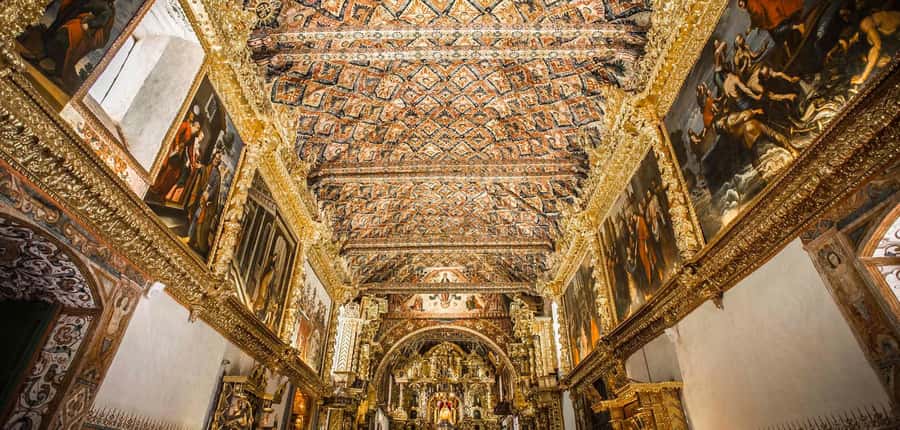
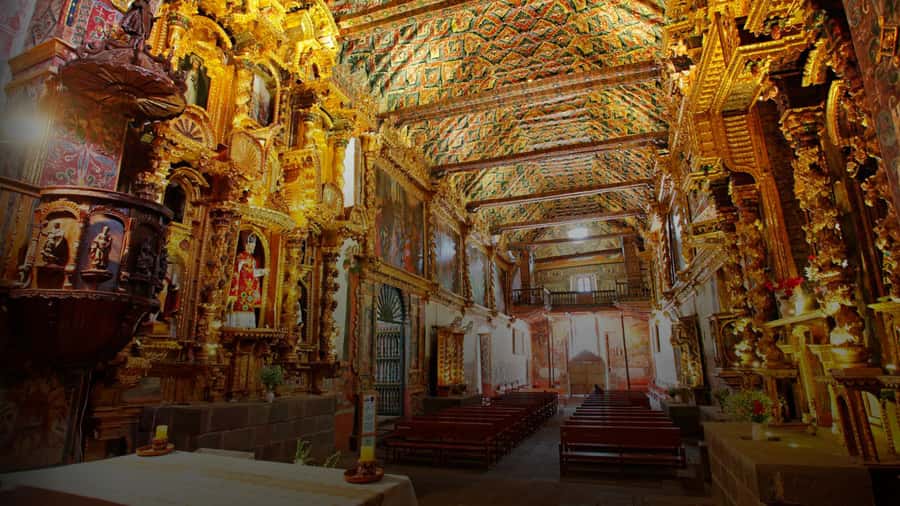
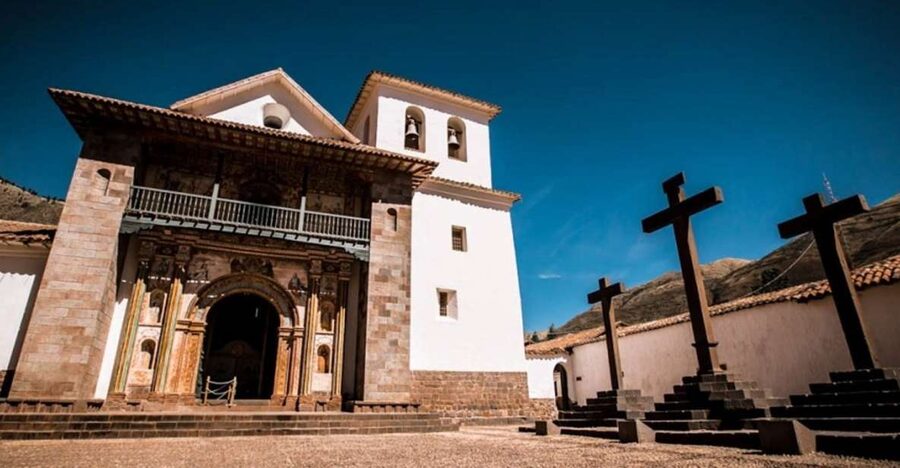
The final cultural stop is Andahuaylillas, a colonial church often called the Sistine Chapel of America. The nickname is grand, but it points to the church’s painted interior rather than its size. This is a small colonial-era building filled with visual detail.
Inside, you can expect mural paintings, canvases in gold-plated frames, and Baroque altarpieces. After the open stone sites at Pikillaqta and Tipón, the change is striking. The church puts art, faith, and colonial power in the same room.
The scheduled visit lasts about 50 minutes. That should give you time to look at the painted walls and altarpieces, listen to the guide, and notice how different the church feels from the archaeological complexes. The visit is not simply a religious stop. It shows how colonial art was used to communicate belief and authority in a region where many local traditions already had deep roots.
The entrance fee is not included. You should confirm the current amount when booking or before departure, since the supplied tour details do not state it. The separate S/70 tourist ticket is also not included, and that ticket is required for the archaeological sites covered by the route.
Do not assume the church fee is covered just because the tour price is low. At $29, the outing remains reasonably priced, but the final cost is higher once required admissions and food are added.
A completely different sort of day out from Cusco:
- Cusco: Humantay Lake Tour with Breakfast and Buffet Lunch
★ 4.9 · 2,976 reviews - From Cusco: Sacred Valley & Maras Salt Mines Tour with Lunch
★ 4.8 · 2,227 reviews - From Cusco: Moray, Maras Salt Mines & Chinchero Weavers Tour
★ 4.8 · 1,925 reviews - From Cusco: Full-Day Group Tour of Machu Picchu
★ 4.7 · 1,767 reviews
The one-hour break, and why you should ask about it
The schedule includes a one-hour break after the guided sightseeing. In practice, this may be used for lunch and commercial stops. That is the part of the day I would clarify before you set out.
One person described being taken to a food venue and feeling pressured to choose among three meal options. Another noted that the restaurant was cash only, while a separate account described stops at two shops and one restaurant. A bread shop also took up more time than expected for one participant.
This does not ruin the outing, but it affects the value of a six-hour schedule. If you would rather spend every available minute at the ruins and church, ask the guide how the break will work. If lunch is included in the rhythm of your day, the stop may be convenient.
Carry enough Peruvian soles for the tourist ticket, food, and small purchases. The S/70 ticket is specifically important because one person expected to pay by card and found that cash was required. It is wise to treat the ticket as a cash expense, not a card purchase.
You should also remember that a commercial stop is not the same as free time. If you do not want to shop, say so politely and ask how long you will have at the restaurant or rest stop. The available information indicates that purchases are optional, but the route may still include the stops.
Transport, pickup, and the pace of the day
Pickup is included from your accommodation in Cusco, with departure around 8:30 AM. The outing then uses shared bus or minivan transport between Cusco and the South Valley sites.
Pickup organization appears to be the weakest part of the experience. One person waited outside a hotel, contacted the operator, and was told the driver was coming. Two staff members then arrived on foot and led the person toward a nearby square, where the minivan arrived after more waiting. That is not a serious failure, but it is inconvenient when you are standing with your day bag and watching the clock.
I would stay at your accommodation until you receive clear instructions. If the pickup time passes, contact the operator rather than walking away. The stated arrangement is accommodation pickup, but the exact meeting point may need confirmation.
The return is planned for Plaza Regocijo around 3 PM. That central finish is useful if you want to continue sightseeing or find lunch in Cusco after the tour. Since the tour lasts six hours, do not schedule a separate activity with a tight afternoon start time.
The pace is moderate. Each main stop has less than an hour, and the drive connects three different sites. You will see a lot, but you will not have unlimited time for photography or quiet study. I would choose this tour for breadth and convenience, not for a slow archaeological examination.
Guides, languages, and the quality of the explanation
The tour provides a live guide in Spanish and English. Several strong assessments focused on the guides, describing them as attentive and clear. Jorge was praised for explaining clearly and being approachable. Magda received similar praise for speaking slowly in Spanish and providing good English explanations when needed.
That is encouraging, especially at Pikillaqta, where the remains need explanation to make sense. At Tipón, the guide can point out the water channels and explain their purpose. At Andahuaylillas, a guide can help you notice the paintings and altarpieces rather than simply walking through the church.
The language balance is not guaranteed to be equal at every moment. If the group is mainly Spanish speaking, English explanations may be shorter. One person still considered the guide good and said the guide did their best, but the experience was less balanced for English speakers.
The guide’s energy may also vary. One assessment found the guide less enthusiastic, with too much time spent at the bread shop and lunch stop. I would not book this expecting a theatrical performance. I would book it for access to three sites and the chance of a solid historical explanation from a guide such as Jorge or Magda.
The overall score supplied for the experience is 4.2 out of 5 from 15 ratings. That points to a generally positive outing, with repeated praise for the sites and guides, and repeated cautions about pickup, cash, and commercial stops.
What the $29 price really buys you
At $29 per person, the tour offers good basic value. You receive hotel pickup, transportation, and a bilingual professional guide, while visiting three important sites in about six hours. Organizing the same route independently would require arranging transport to three places and working out admission tickets.
The price is not the complete budget. The S/70 tourist ticket is extra, and Andahuaylillas Church charges a separate entrance fee. Lunch is also not listed among the inclusions, so plan to pay for food unless the operator gives you different instructions.
The cash requirement deserves special attention. Bring soles for the tourist ticket and restaurant, since at least one food stop has been cash only. Credit card assumptions can turn a low-cost morning into an awkward money problem.
I still think the value is good if you want a guided overview. Tipón alone gives you a strong look at Inca engineering, Pikillaqta adds a less familiar Wari chapter, and Andahuaylillas supplies an impressive colonial interior. The value drops if you dislike shopping stops or want long, unhurried visits.
Who should choose this South Valley tour?
I would recommend it to you if you want a manageable introduction to the Cusco region’s different historical periods. It is particularly well suited to:
- People with one free morning and part of an afternoon
- First-time visitors who want more than the central Cusco sights
- Anyone interested in architecture, water systems, and colonial art
- People who prefer a vehicle and guide instead of arranging transport alone
- Visitors who want archaeological sites with relatively few steps
- Spanish or English speakers comfortable with a bilingual group setting
I would be more cautious if you need wheelchair access, since the tour is not suitable for wheelchair users. I would also hesitate if you dislike fixed lunch or shopping stops, or if you need every explanation delivered at equal length in English.
Bring comfortable shoes and avoid large luggage or bulky bags. If you already have the 10-day General Tourist Ticket, you do not need to buy another one for this tour. That can make a real difference to the final cost.
Free cancellation is available up to 24 hours in advance for a full refund, and you can reserve now and pay later. Those terms help if your Cusco schedule is still changing, but the practical details of cash and pickup matter more to your day.
Should you book it?
Yes, if you want three contrasting sights at a modest starting price and you are willing to budget for admissions, food, and cash expenses. Tipón is the strongest reason to go, while Pikillaqta gives the outing historical range and Andahuaylillas provides the visual finish.
Before booking, ask two simple questions: Where exactly will pickup happen, and how will the one-hour break be used? If the answers suit you, this is a useful, well-priced way to spend a morning and early afternoon outside Cusco.
FAQ
How long does the Cusco South Valley tour last?
The tour lasts six hours. Pickup is around 8:30 AM, and the return to Cusco is planned for about 3 PM.
What sites are included?
The route includes Pikillaqta, Tipón, and the Church of Andahuaylillas. The tour also includes travel through the South Valley and Andean scenery.
Is hotel pickup included?
Yes. Pickup from your accommodation in Cusco is included.
What languages does the guide speak?
The live guide provides explanations in Spanish and English.
Is the S/70 tourist ticket included?
No. The S/70 tourist ticket is not included. If you already have the 10-day General Tourist Ticket, you do not need to buy a new one.
Is the entrance fee to Andahuaylillas Church included?
No. The church entrance fee is separate from the tour price.
What should I bring?
Bring comfortable shoes. Large bags and luggage are not allowed.
Is the tour suitable for wheelchair users?
No. The activity is not suitable for wheelchair users.
Just added around Cusco
- Cusco: Rainbow Mountain and viewpoint red valley ( optional)★ 4.8 · 3 reviews
- Montaña de Colores: tour en cuatrimotos día completo★ 3.3 · 3 reviews
- Tour Pallay Punchu Trek Full Day★ 4.2 · 3 reviews
- Excursion Cusco – Puno – Titicaca Observatory Train★ 5.0 · 3 reviews
- Maras Moray★ 5.0 · 3 reviews
- Cusco: Palcoyo Mountain Day Trip with Breakfast and Lunch★ 4.8 · 3 reviews
- Tour to Laguna Humantay with breakfast and lunch from Cusco★ 4.7 · 3 reviews
- From Cusco:Chinchero, Moray, Maras, Ollantaytambo with lunch★ 5.0 · 3 reviews
Morning, compared.

Sacred Valley Experience and Machu Picchu Sunrise 2-day Journey
Read our review →
Humantay Lake small group with late morning departure option
Read our review →
08am Departure Rainbow Mountain Tour: Late Morning Tour
Read our review →