Reviewed · MORNING
Cusco: Archaeological Park Morning Tour
Four Inca sites, one easy morning. This $13 Cusco tour gives you a useful first look at the highland ruins north of the city, with hotel pickup, transport, and a guide included. I like the grand stonework at Sacsayhuaman, and I like the way Qenqo, Puca Pucara, and Tambomachay show different sides of Inca life.
The tour is also good value if you want structure rather than arranging taxis and entrance details yourself. My main caution is that the route information is not perfectly consistent: the main description names Puca Pucara and Tambomachay, while the detailed schedule also includes Coricancha and an eucalyptus forest stop. Confirm the day’s exact plan before setting out.
The guide quality can make or break a group outing, and the feedback here is encouraging. One booking specifically praised Willians, while another found the guide excellent but disliked a sales stop at a llama farm. The return point can also be inconvenient if you expect to be dropped back at your hotel.
In This Review
- Key points to know before you book
- What this six-hour Cusco morning is really like
- Coricancha adds a useful city-center introduction
- Sacsayhuaman is the morning’s main event
- Qenqo shows the ritual side of Inca culture
- Puca Pucara explains movement and watchfulness
- Tambomachay brings the morning back to water
- The price looks low, but add the entrance fees
- Pickup and drop-off need careful planning
- Who will enjoy this tour most
- Should you book the Cusco Archaeological Park morning tour?
- FAQ
- What time does the tour begin?
- How long does the tour last?
- Which languages are available?
- Is hotel pickup included?
- Are entrance tickets included?
- What should I bring?
- Is the tour suitable for pregnant women or pets?
Key points to know before you book
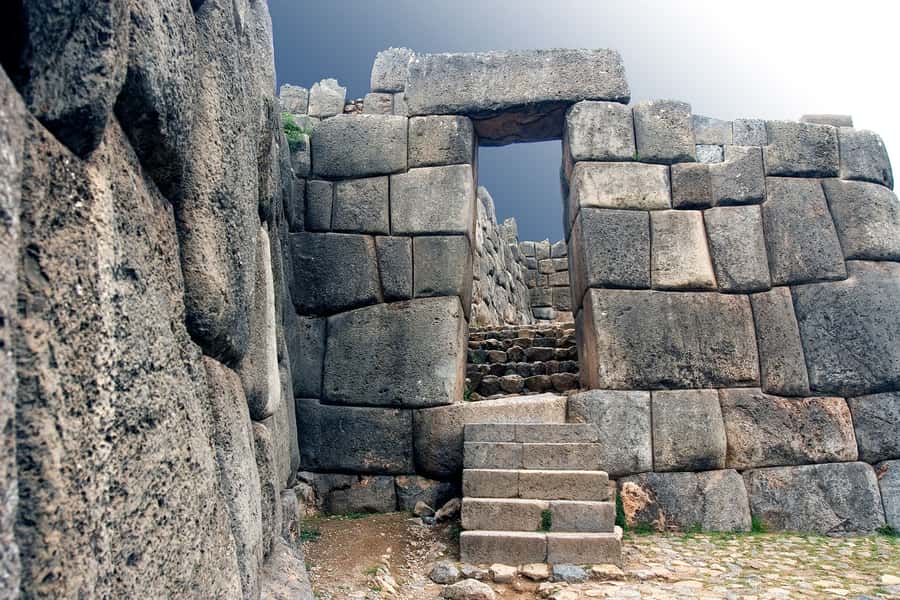
- Sacsayhuaman delivers the biggest visual impact: Huge fitted stones, terraces, towers, and sacred areas make this the morning’s headline stop.
- Qenqo is more atmospheric than grand: Its narrow galleries and carved ceremonial spaces give you a closer look at ritual practices.
- Puca Pucara and Tambomachay add variety: One served surveillance and travel needs, while the other centers on water channels and fountains.
- The advertised route needs checking: The description includes Puca Pucara and Tambomachay, but the detailed schedule lists Coricancha and an eucalyptus grove as well.
- The low price is not the full cost: You still need to budget 70 soles for the tourist ticket and 15 soles for Coricancha.
- Plan for a city-center finish: The tour normally ends near Calle Plateros, not necessarily at your hotel.
What this six-hour Cusco morning is really like
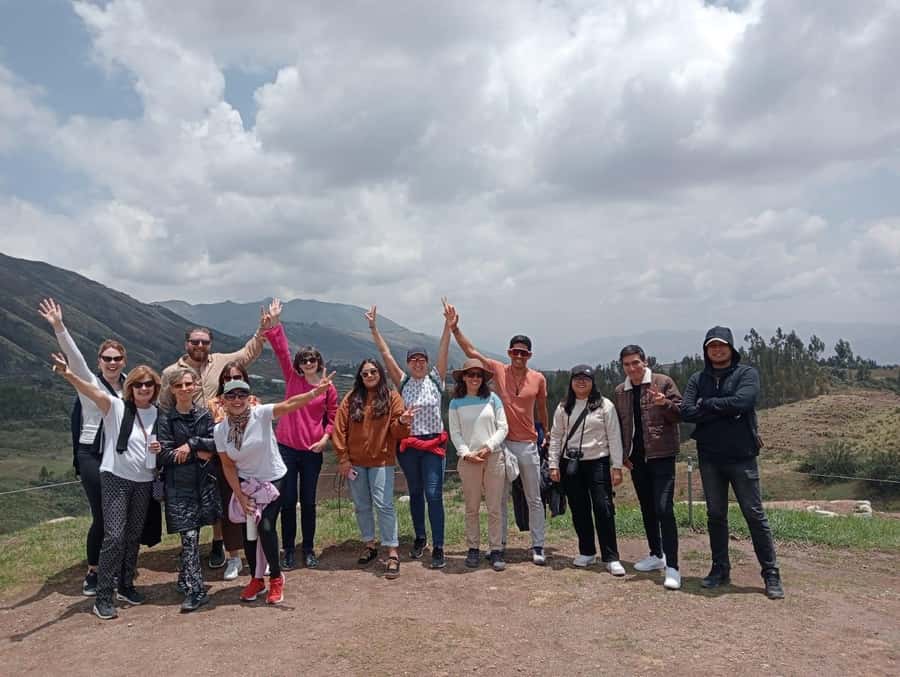
The outing begins with pickup at about 8:45 AM from a hotel or meeting point near Cusco’s main square. The available pickup locations include major hotels, hostels, and central plazas such as Plaza Regocijo and Plaza de San Blas.
If you are staying farther from the center, you receive a specific meeting address instead of a hotel pickup. That matters because you need to allow time to reach it, especially if you are still adjusting to Cusco’s altitude.
The group then travels by bus or coach for about 20 minutes. The day finishes between 2:00 and 2:30 PM, with the stated final point at Calle Plateros. That gives you the rest of the afternoon for lunch, a museum, or a slow walk through the historic center, but do not assume the vehicle will return you to your lodging.
The tour is offered in English and Spanish. A live guide is included, which is important at these ruins because the stones alone do not explain how each place functioned.
A few more Peru trips worth weighing up
- Sacred Valley Experience and Machu Picchu Sunrise 2-day Journey
★ 5.0 · 60 reviews - Humantay Lake small group with late morning departure option
★ 4.5 · 55 reviews - 08am Departure Rainbow Mountain Tour: Late Morning Tour
★ 4.9 · 28 reviews
Coricancha adds a useful city-center introduction
The detailed schedule lists Coricancha as a 45-minute guided stop. Coricancha was the Inca religious complex in Cusco, and its inclusion gives the morning a helpful starting point before you head to the larger archaeological sites outside the city.
You should expect an additional 15 soles entrance charge here. That fee is separate from the 70-sol tourist ticket, so the advertised $13 price should not be treated as the complete admission cost.
The value of Coricancha depends on what you want from the morning. If this is your first contact with Inca architecture, it helps place the later ruins in context. If you have already visited it independently, the stop may feel repetitive, particularly on a six-hour schedule.
One important planning point: Coricancha appears in the detailed route, while the headline description focuses on the four archaeological sites around Cusco. Ask your guide or booking contact which version operates on your date. You do not want to assume that every named stop receives equal time.
Sacsayhuaman is the morning’s main event
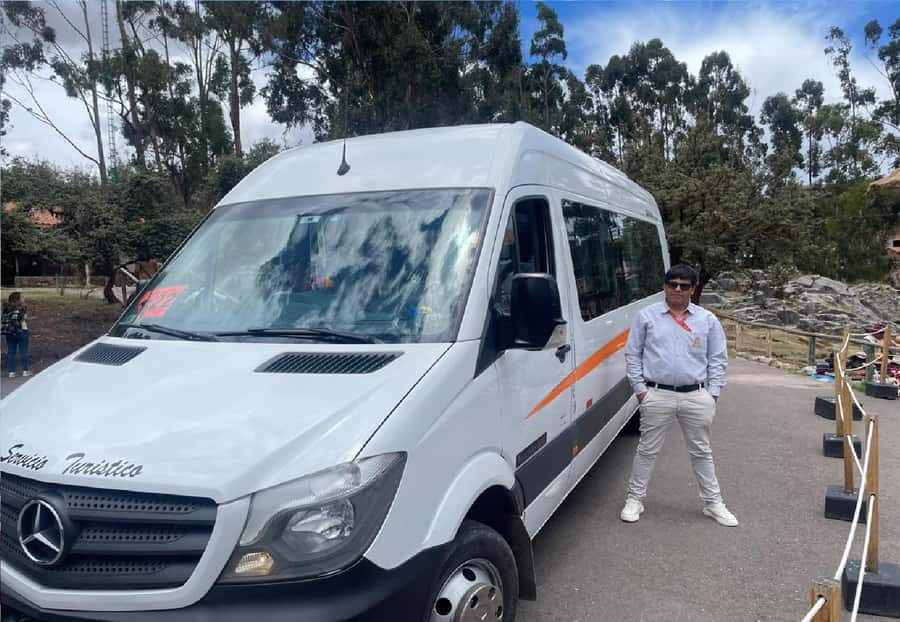
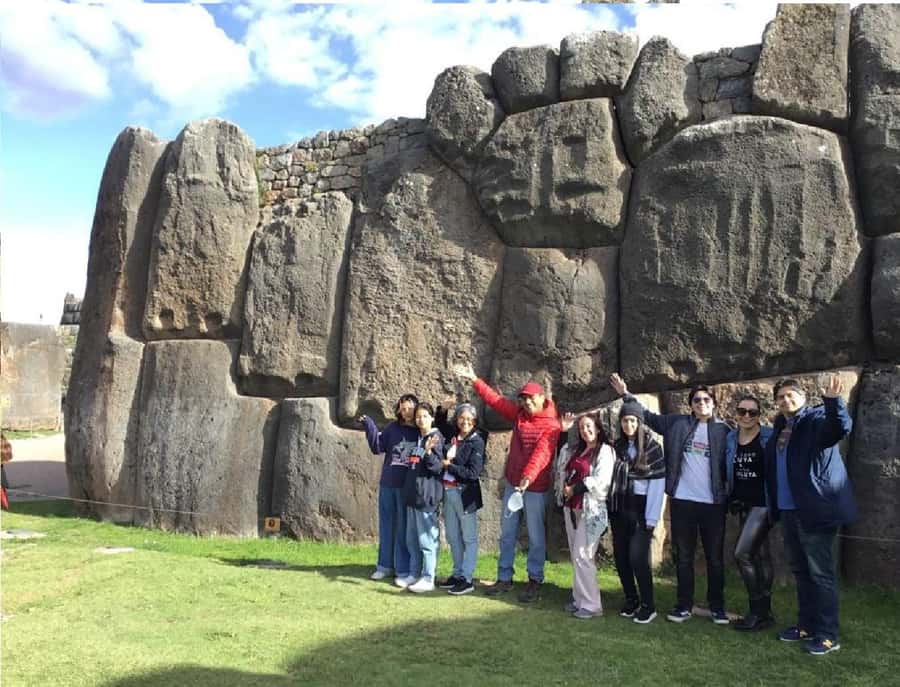
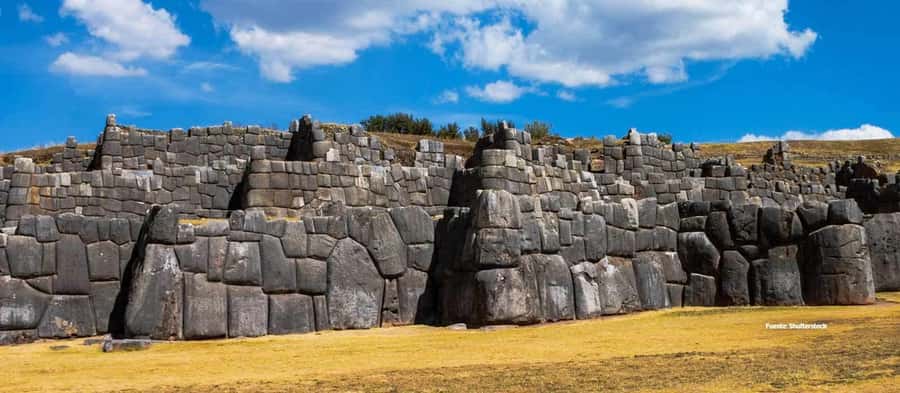
Sacsayhuaman is where the tour earns much of its appeal. The site is known for immense stones fitted together with remarkable precision, along with broad terraces, towers, and ceremonial areas.
The description connects the site with Inca reverence for the sun and water. Your guide should help explain how those religious ideas shaped the placement and use of the structures. This is far more useful than simply taking pictures of the largest wall and moving on.
You receive about 45 minutes of guided time at Sacsayhuaman in the detailed schedule. That is enough for an introduction and for seeing the major stonework, but it is not a slow, all-day exploration. Keep your expectations sensible: this is a highlights visit, not a complete study of the site.
I would give Sacsayhuaman your full attention early in the tour. The stone walls are the feature most likely to stay with you, and the scale is easier to appreciate when you are not distracted by the later stops or thinking about lunch.
Wear shoes with a solid grip. The tour specifically recommends comfortable footwear, and that is practical advice for uneven archaeological grounds. Bring water as well. Cusco’s elevation can make a simple walk feel harder than expected, even when the route itself is not described as strenuous.
Qenqo shows the ritual side of Inca culture
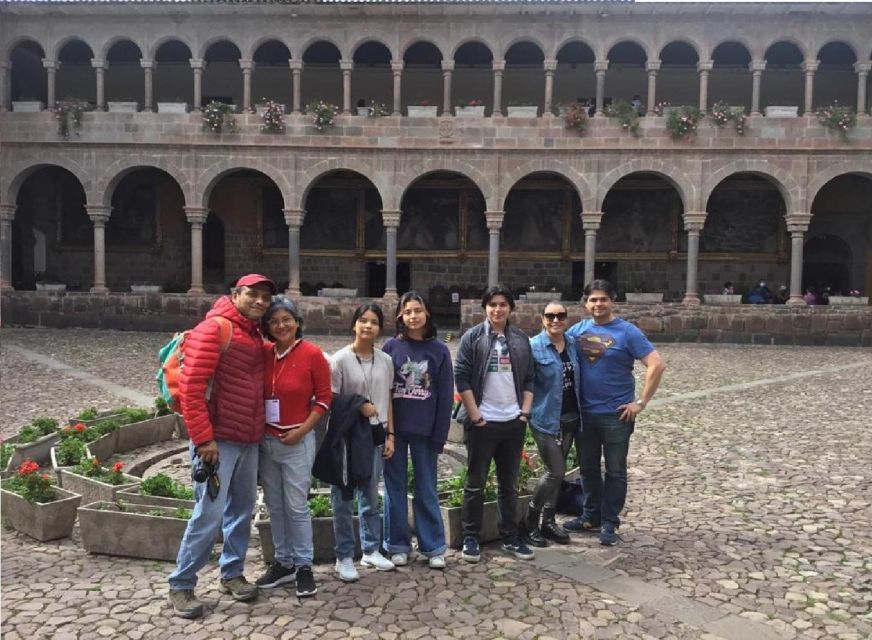
Qenqo offers a different mood from Sacsayhuaman. Instead of giant open walls, you find underground galleries and a labyrinth-like ceremonial area associated with sacrifices to the Sun God.
The detail here is what makes Qenqo worthwhile. Narrow passages and carved spaces give you a sense of how ritual activity could be organized inside the rock. The guide’s explanation matters because the site can otherwise look like a series of worn stone surfaces without a clear story.
The guided visit is listed at about 45 minutes. That gives you time to hear the main interpretation and inspect the accessible areas without turning the stop into a long archaeological lecture.
You should not expect the same dramatic scale as Sacsayhuaman. Qenqo works better as a place of atmosphere and ceremony. I would approach it as a chance to understand beliefs and ritual practice, not as another grand fortress.
The tour then includes a 35-minute photo stop at the Bosque de Eucaliptos de K’enko in the detailed schedule. The eucalyptus grove adds a pause between ruins and may give you a pleasant setting for photographs, but it is not one of the major Inca monuments. If your priority is archaeological detail, ask how this stop fits with the time allocated to Puca Pucara and Tambomachay.
A completely different sort of day out from Cusco:
- Cusco: Humantay Lake Tour with Breakfast and Buffet Lunch
★ 4.9 · 2,976 reviews - From Cusco: Sacred Valley & Maras Salt Mines Tour with Lunch
★ 4.8 · 2,227 reviews - From Cusco: Moray, Maras Salt Mines & Chinchero Weavers Tour
★ 4.8 · 1,925 reviews - From Cusco: Full-Day Group Tour of Machu Picchu
★ 4.7 · 1,767 reviews
Puca Pucara explains movement and watchfulness
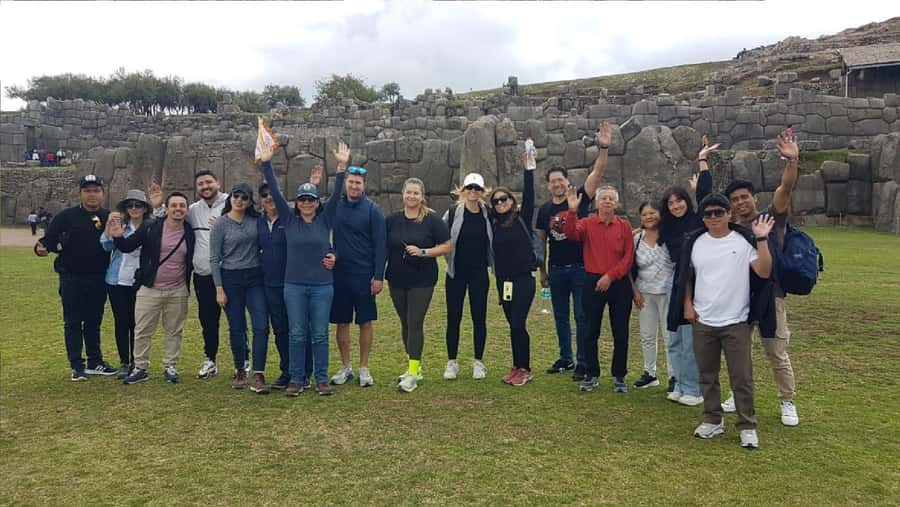
Puca Pucara is described as an Inca surveillance center made up of terraces, staircases, and large walls. Its name is often translated as Red Fortress, though the important point for this tour is its position and practical role.
The site gives you a sense of how the Inca road system was watched and managed. From its elevated setting, you can look across the surrounding area and understand why a place like this mattered to people moving between Cusco and nearby settlements.
The promised highlight is the view from the watchtowers. This is where the stop earns its place in the route. Puca Pucara is not as massive as Sacsayhuaman, but it broadens the story from religion and ceremony to communication, protection, and travel.
Because the detailed schedule does not list Puca Pucara by name, confirm that it is included on your departure. The main description does include it, so the safest reading is that the route may vary by operating day or that the schedule has been shortened. Do not leave this question until the bus is already moving.
Tambomachay brings the morning back to water
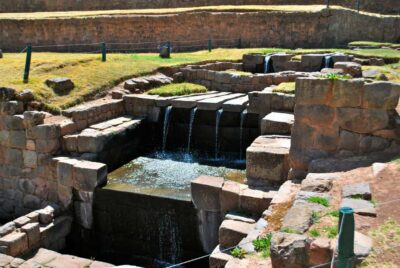
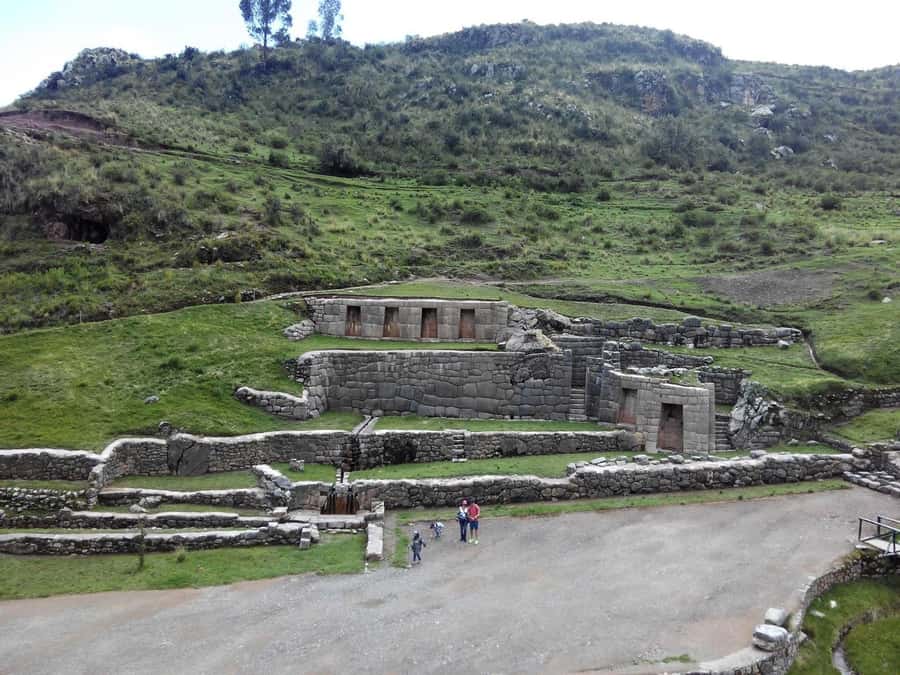
Tambomachay is described as an Inca resting place with aqueducts, waterfalls, and several water gutters. After the huge stones of Sacsayhuaman and the ritual spaces of Qenqo, this stop gives the morning a calmer focus.
The key lesson is Inca hydraulic engineering. Channels were built to control and direct water, and your guide can show how the site’s terraces and stonework shaped the flow. This is a valuable stop for anyone interested in how the Inca used practical engineering alongside religious design.
Tambomachay is also a good reminder that an Inca site was not always a fortress or temple. Rest, water, ceremony, travel, and agriculture could all be tied together in the same network of places.
Again, the detailed schedule does not name Tambomachay, even though the main description presents it as the final archaeological stop. Confirm the route before booking if seeing the waterworks is important to you. The difference between an excellent morning and a merely adequate one may come down to which stops are actually operating that day.
The price looks low, but add the entrance fees
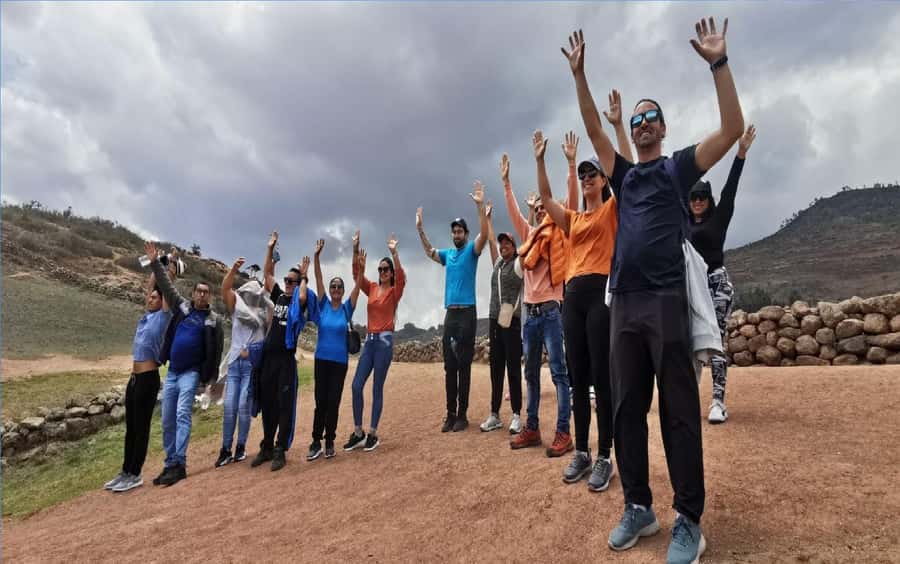
At $13 per person, the tour is inexpensive for six hours of transport and guiding. You receive hotel pickup in the central area, round-trip transportation, and a professional guide, which removes much of the hassle of visiting several sites on your own.
The extra charges are important. The 70-sol tourist ticket is not included, and Coricancha costs another 15 soles. Ask exactly which sites the tourist ticket covers and whether it is purchased before boarding or at the first archaeological stop.
Even with those additions, the tour can make financial sense if you want to visit several sites in one morning. Hiring separate transport, finding each entrance, and arranging explanations at every ruin would take more effort. The tour is less attractive if you already have transportation, know the sites well, or plan to visit Coricancha separately.
The value also depends on the route delivered. At this price, I would accept a straightforward vehicle and a basic group format. I would not accept confusion over the promised stops or a long commercial detour that takes time away from the ruins.
One booking specifically objected to a sales pitch at a llama farm. That does not prove every departure includes such a stop, but it is a useful warning. If your goal is archaeology, politely ask whether any shopping or sales visit is planned and how long it will take.
Pickup and drop-off need careful planning
Pickup is included from hotels near the main square, with a long list of central properties and meeting points. This is convenient if you are staying in the historic center, and it saves you from finding a taxi early in the morning.
You may receive a precise meeting address instead if your hotel is outside the pickup zone. Write it down and check the location before departure. One past booking had trouble getting back to the hotel after being dropped off away from the lodging, and the provided directions caused extra walking while tired and hungry.
The tour finishes at Calle Plateros according to the detailed schedule. That is close to the center, but it is still a city-center drop-off rather than guaranteed door-to-door service. Plan a lunch stop nearby and keep your hotel address available in case you need directions.
The return timing of 2:00 to 2:30 PM is useful for planning. You can schedule a relaxed afternoon, but I would avoid booking a fixed activity immediately after the tour. Delays in pickup, traffic, or the order of stops can use up that cushion.
Who will enjoy this tour most
I would recommend this outing to a first-time Cusco visitor who wants an organized introduction to the nearby Inca sites. It suits you if you want a guide to explain the purpose of the ruins and prefer not to negotiate separate transport.
It is also a good fit for a short stay. Six hours covers several important places without taking an entire day, leaving time to explore Cusco’s center later.
You may prefer a private tour if you want to linger at one site, photograph without pressure, or control the order of stops. This format is built around a shared schedule, so the pace may feel quick if you are a serious history enthusiast.
The activity is not considered suitable for pregnant women. Pets are not allowed. Everyone should bring a passport or identification card, comfortable shoes, and water.
The guide is central to the experience. English and Spanish are available, and the feedback includes strong praise for the guiding, including a specific positive mention of Willians. Still, the quality of interpretation and the handling of optional stops can vary by departure, so make your priorities clear at the start.
Should you book the Cusco Archaeological Park morning tour?
Book it if you want a low-cost, guided introduction to Sacsayhuaman, Qenqo, and the surrounding Inca sites, and you are comfortable paying the entrance fees separately. The stonework, ritual spaces, high viewpoints, and water channels give you a useful range of experiences in one morning.
I would book only after confirming the exact route. The main plan names Puca Pucara and Tambomachay, while the detailed schedule lists Coricancha and the eucalyptus grove. If the waterworks and watchtowers are your main reasons for going, get that point settled first.
This is a good practical choice for a first visit, especially with free cancellation up to 24 hours ahead and the option to reserve now and pay later. It is less suitable if you dislike group schedules, commercial stops, or a final drop-off that may be several minutes from your hotel.
FAQ
What time does the tour begin?
Pickup begins at about 8:45 AM from selected hotels and meeting points near Cusco’s main square. If your hotel is outside the pickup area, you will receive a specific meeting address.
How long does the tour last?
The tour lasts about six hours. It normally returns to central Cusco between 2:00 and 2:30 PM.
Which languages are available?
The live guide is available in English and Spanish.
Is hotel pickup included?
Yes. Pickup is included from hotels near the main square of Cusco. If your accommodation is farther away, you will be given an exact place to meet the group.
Are entrance tickets included?
No. The tourist ticket costs 70 soles, and Coricancha requires an additional 15 soles.
What should I bring?
Bring your passport or identification card, comfortable shoes, and water.
Is the tour suitable for pregnant women or pets?
The activity is not considered suitable for pregnant women, and pets are not allowed.
Just added around Cusco
- Cusco: Rainbow Mountain and viewpoint red valley ( optional)★ 4.8 · 3 reviews
- Montaña de Colores: tour en cuatrimotos día completo★ 3.3 · 3 reviews
- Tour Pallay Punchu Trek Full Day★ 4.2 · 3 reviews
- Excursion Cusco – Puno – Titicaca Observatory Train★ 5.0 · 3 reviews
- Cusco: Palcoyo Mountain Day Trip with Breakfast and Lunch★ 4.8 · 3 reviews
- Maras Moray★ 5.0 · 3 reviews
- Tour to Laguna Humantay with breakfast and lunch from Cusco★ 4.7 · 3 reviews
- From Cusco:Chinchero, Moray, Maras, Ollantaytambo with lunch★ 5.0 · 3 reviews
Morning, compared.

Sacred Valley Experience and Machu Picchu Sunrise 2-day Journey
Read our review →
Humantay Lake small group with late morning departure option
Read our review →
08am Departure Rainbow Mountain Tour: Late Morning Tour
Read our review →