
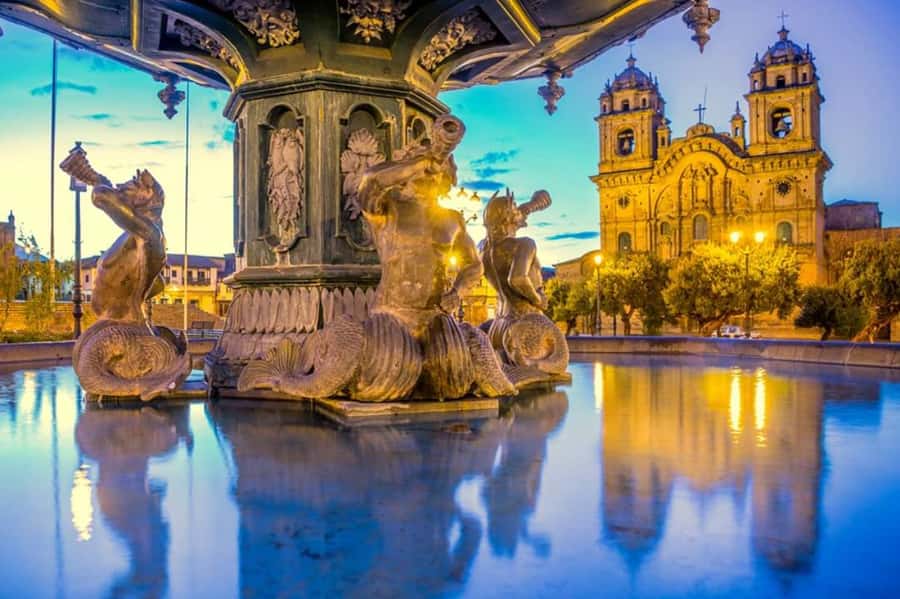
Reviewed · CITY TOURS
Cusco: Half-Day City Tour
Cusco reveals its secrets in layers. This six-hour tour links the city’s grand cathedral, Inca stonework, mountain ruins, and sacred fountains in one well-organized outing. I like the bilingual guide, especially because the tour explains the difficult meeting of Inca religion and Catholicism rather than merely pointing at old stones. I also like the low $22 price, which includes transport and guiding across several important sites.
The main caution is pace. The six-hour schedule covers a lot of ground, and one recent booking review found the first stop felt rushed. You will also need extra cash for entrance fees, so the advertised price is only part of your day’s cost.
In This Review
- Key points at a glance
- Why this six-hour Cusco tour works
- Starting at Plaza de Armas and the cathedral
- Walking the Inca streets to Qoricancha
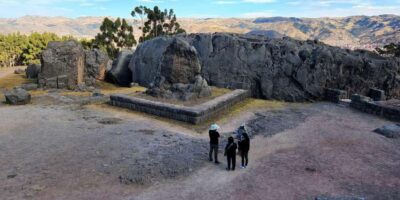
- Sacsayhuaman and its enormous stonework
- Qenqo, Puka Pukara, and the sacred route
- What the $22 price really includes
- The guide, language, and pace
- Who should book this Cusco city tour?
- Should you book it?
- FAQ
- How long does the Cusco city tour last?
- What languages are available?
- Is hotel pickup included?
- What sites are visited?
- Are entrance fees included in the $22 price?
- What should I bring?
- Is transportation included?
- Where does the tour finish?
- Can I cancel for a full refund?
Key points at a glance
- Qoricancha explains the culture clash: See Inca construction beside a Catholic church and learn why the Temple of the Sun mattered.
- Sacsayhuaman is the major outdoor stop: You get a guided visit plus time to look around on your own.
- The tour reaches four major squares and sites: Plaza de Armas, Qoricancha, Sacsayhuaman, Qenqo, and Tambomachay all fit into one outing.
- The price excludes three important entrance fees: Cathedral, Qoricancha, and the archaeological sites outside Cusco require additional payment.
- Bilingual help is a strong point: The guide leads in English and Spanish, with audio available in both languages.
- The tour ends in central Cusco: You can stay in the main square for food, shopping, or more sightseeing.
Why this six-hour Cusco tour works
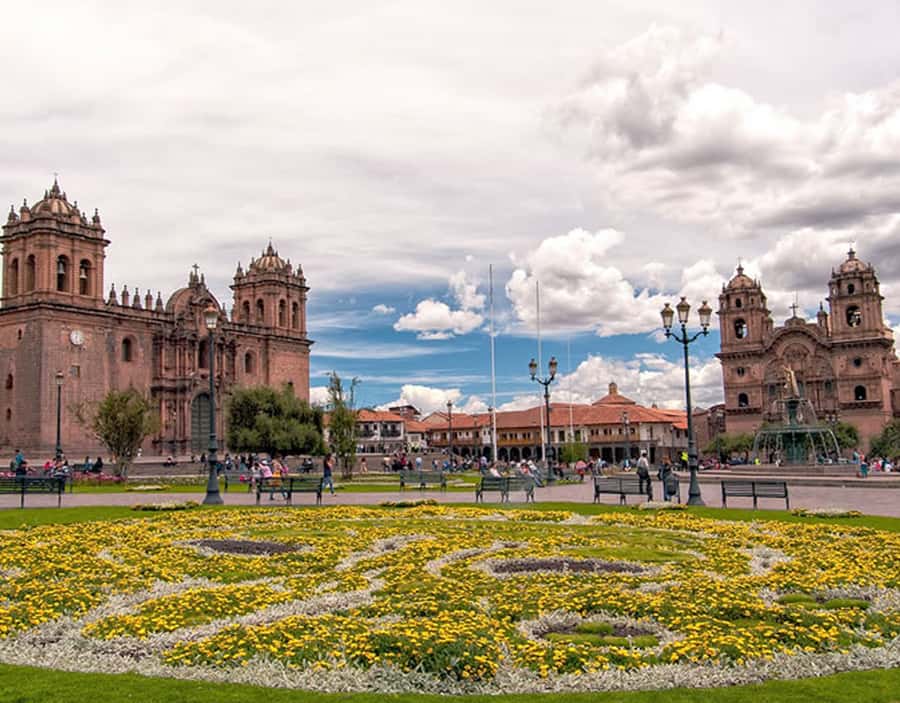
Cusco is not a city you understand from one plaza or one ruin. Its story is spread across Spanish churches, Inca walls, ceremonial sites, and high slopes outside the center. This tour gives you a useful first look at all of them without asking you to arrange separate taxis, guides, and entrance plans.
I see the route as two connected experiences. The first half is an urban walk through Cusco’s center. The second half uses tourist transport to reach the major archaeological sites beyond the city. That split matters because it keeps you from spending the whole day on foot, though you should still expect plenty of walking and time outdoors.
The guide is central to the experience. The strongest feedback praises clear explanations in English and Spanish, detailed answers about Cusco and the Inca world, and practical help when one person arrived late and needed to catch up with the group. That kind of assistance is useful on a tightly timed tour. One comment even suggested the guide might have handled Quechua as well, a warm sign of confidence in her communication skills.
The route is not designed for long, quiet visits at every stop. It is a broad introduction. If you want to study each wall or take dozens of photographs, you may feel hurried. If you want the city’s main sights placed into a sensible historical frame, the schedule makes good use of six hours.
A few more Peru trips worth weighing up
- Cusco: Half-Day City Tour with Sacsayhuaman and Q’enco
★ 4.6 · 1,129 reviews - Lima’s Vibrant Heritage: Exploring the City’s Landmarks Half-day
★ 4.5 · 581 reviews - From Puno: Floating Islands of the Uros Half-Day Tour
★ 4.4 · 394 reviews
Starting at Plaza de Armas and the cathedral
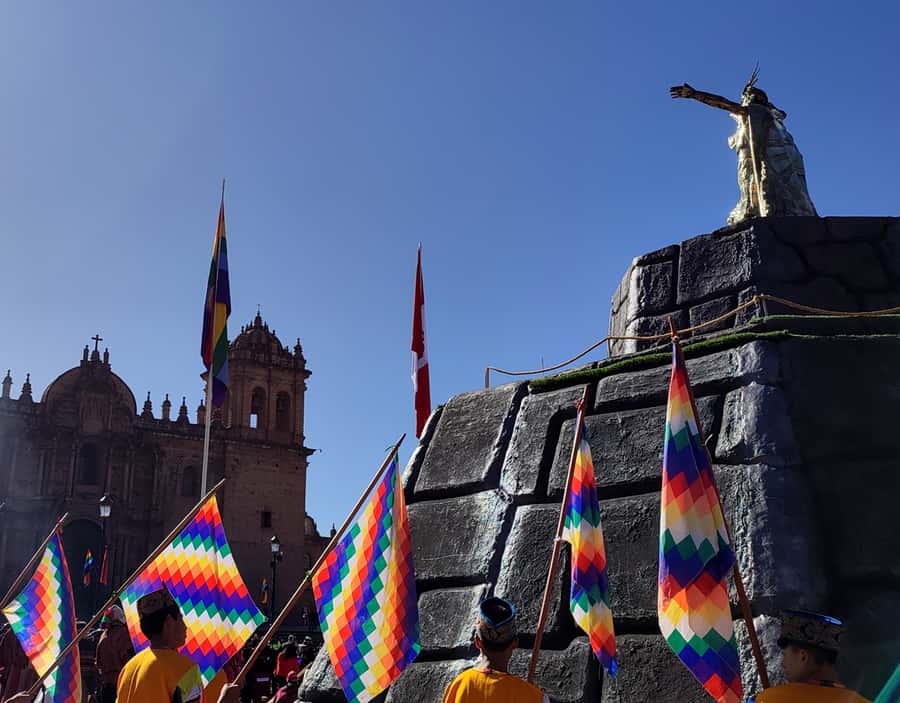
The tour begins at Cusco’s main square, either after hotel pickup for those who selected that option or at the stated meeting point near the monument to the Inca. Confirm your exact arrangement when booking. The central meeting point is practical, but the square can be busy, so arrive with time to find the monument.
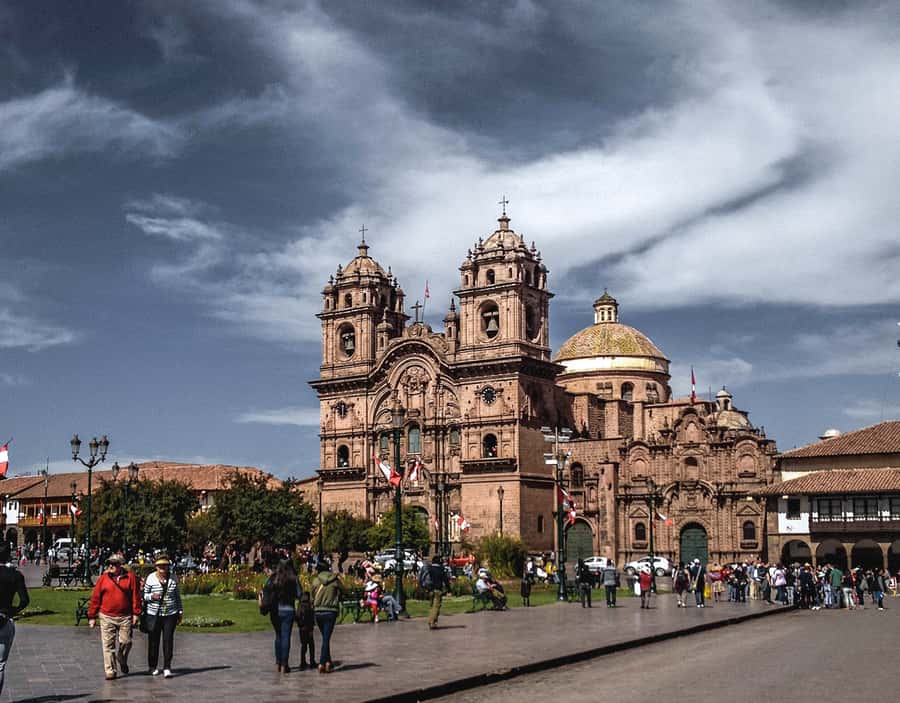
Plaza de Armas is the right place to begin. It puts Spanish colonial power and the older Inca city in the same view. You can watch local life unfold around the square while the guide explains the buildings and the city’s role in the region.
The cathedral visit adds an important layer, but it costs extra. The entrance fee is 40 soles, and that charge is not part of the $22 tour price. Bring cash so you are not forced to decide at the door whether to skip the interior.
The cathedral is not simply a religious stop. It helps show how Catholic institutions were placed at the center of a city with an older sacred and political order. The guide’s job here is to connect what you see inside and around the square with the larger change that followed the Spanish arrival.
Time may be tight at this first stop. One booking comment praised the city tour but specifically wished for an additional hour because the opening visit felt rushed. I would keep your expectations realistic: listen closely, decide what details matter most to you, and avoid spending too long taking photos before the group moves on.
Walking the Inca streets to Qoricancha
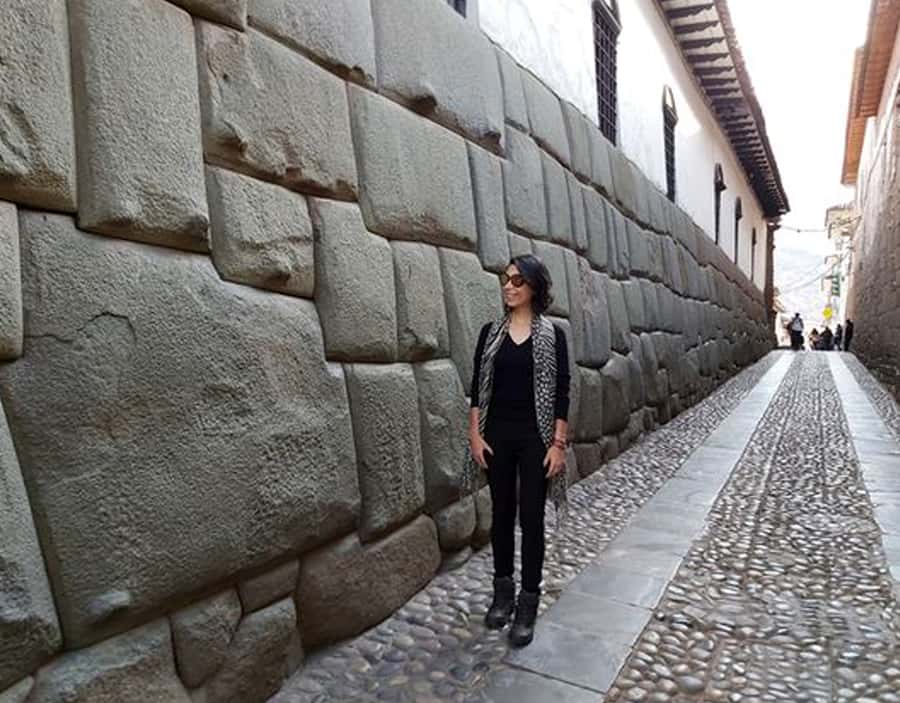
From the square, you continue on foot through old Inca streets toward Qoricancha, also called Coricancha. This is one of the most valuable parts of the route because the stones are not isolated behind a fence. You see how the old street plan and surviving walls fit into the modern city.
Qoricancha contains the Temple of the Sun, one of Cusco’s most important sacred places. The visit explains Inca religious life and the later use of the site by the Catholic Church. That contrast is not abstract. You can see different building methods close together, with Inca masonry providing a lesson in careful stone fitting and later construction showing another approach.
The entrance fee is 20 soles. Like the cathedral fee, it is separate from the tour price. Ask the guide to clarify the payment process and keep enough cash available for all three required charges.
I especially like Qoricancha for visitors who want more than a list of dates. The stop gives you a visual way to understand cultural conflict, adaptation, and reuse. The guide explains the clash between Inca beliefs and Catholicism while you look at the actual buildings, which makes the subject easier to grasp.
Afterward, the route follows Avenida El Sol. This busy avenue provides a change of mood from the older lanes. You then board the tourist bus for the sites outside the city. The switch from walking to transport is welcome, especially after the central-city portion.
Sacsayhuaman and its enormous stonework
Sacsayhuaman is the largest and most dramatic archaeological stop on the tour. The bus carries you out of central Cusco, and the guide leads you around the site before giving you time to explore independently.
That combination works well. A guided explanation helps you understand what you are looking at, while free time lets you choose your own pace for photographs and closer inspection. You are not simply kept moving from one viewpoint to the next.
Sacsayhuaman is known for its great stone construction, and the scale is difficult to judge from pictures alone. The site also helps you see Cusco from beyond the tight central streets. Bring your passport or another identification document, as this is listed among the items to carry, and keep your cash accessible for entrance payments.
The archaeological sites outside the city require a tourist ticket costing 70 soles. This ticket covers the sites included in the outer portion of the route, so you should treat it as an essential part of the budget, not an optional souvenir.
Sacsayhuaman is where the tour’s broad approach becomes most obvious. You receive context and some independent time, but not an entire morning to wander. I would use the guide’s explanation first, then focus your free time on the sections that interest you most.
More city sightseeing:
- City Tour Cusco Qoricancha Sacsayhuaman y Tambomachay
★ 4.7 · 617 reviews - Cusco: Sightseeing Tour of the City on an Open-Top Bus
★ 4.0 · 481 reviews - Open Bus Cusco City Tour
★ 4.5 · 219 reviews - Cusco: City Tour | Half-Day Tour to 4 Archaeological Sites
★ 4.6 · 206 reviews
Qenqo, Puka Pukara, and the sacred route
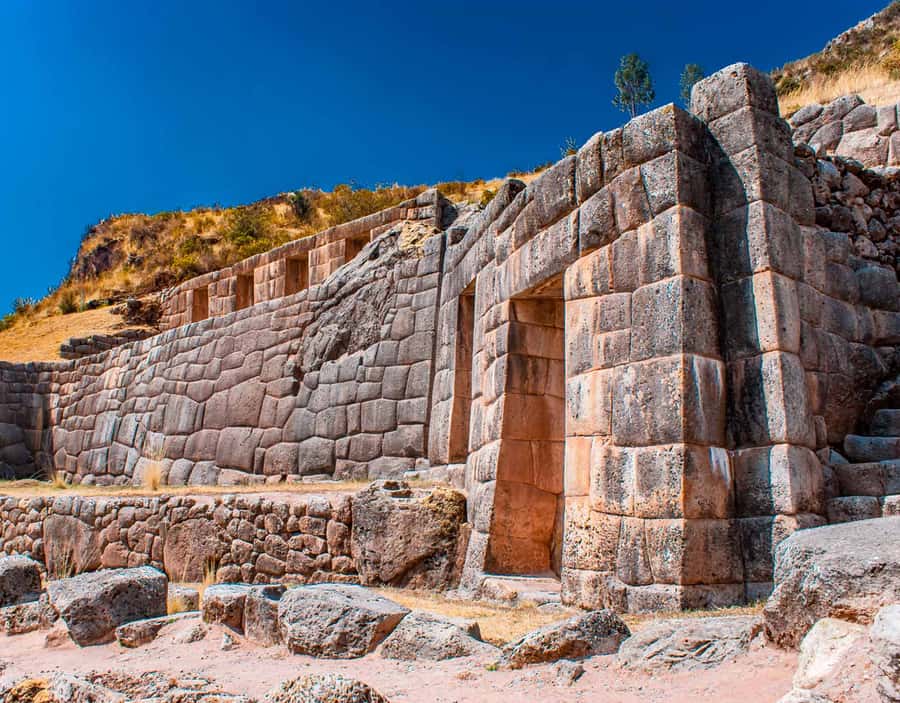
The bus continues to Qenqo. This site is associated with sacred altars and ceremonial spaces, giving the afternoon a different character from the large stone terraces and walls at Sacsayhuaman.
Qenqo is worth seeing with a guide because its meaning may not be obvious at first glance. The route includes its altars, and the commentary helps connect the carved and arranged spaces with Inca ritual practice. I would pay attention here rather than rushing ahead for photographs. The details are easier to miss than the huge walls at Sacsayhuaman.
The itinerary also includes the small circular Puka Pukara. Its scale gives you a contrast with the monumental construction earlier in the day. You then continue to Tambomachay, known as the Temple of Water.
Tambomachay’s fountains are the visual finish of the archaeological circuit. The water features give the site a calm, ordered feel and show another side of Inca engineering and sacred design. If Sacsayhuaman impresses through mass and Qenqo through mystery, Tambomachay rewards careful looking at movement, stone channels, and the role of water.
The outer sites are not all visited with the same amount of time. The bus ride makes the circuit possible, but the schedule means you need to stay aware of the meeting instructions. The tour guide and driver keep the group moving between stops, so do not wander far during independent moments.
What the $22 price really includes
At $22 per person, this is an inexpensive way to cover the main Cusco sights in one day. Your payment includes tourist transportation and a professional bilingual guide in English and Spanish. An audio guide is also listed in both languages, which can help if you are standing at the edge of a group or want to reinforce a point.
The price does not include:
- Cathedral entrance: 40 soles
- Qoricancha entrance: 20 soles
- Tourist ticket for the outer archaeological sites: 70 soles
That adds 130 soles in stated entrance charges. You should budget for those fees before deciding that this is a $22 day. The tour still offers good value because transport and guiding across several locations would be difficult to arrange separately at the same cost, but the full expense is clearly higher than the headline figure.
You also need cash. The instructions specifically ask you to bring it, and the excluded entrance fees make that advice important. Carry your passport or identification card as well.
The reserve-now, pay-later option can help if your plans are still shifting. Free cancellation is available up to 24 hours before the activity for a full refund. Check the available start times because the tour lasts six hours, and the exact departure time affects how you fit it around meals, trains, or other Cusco plans.
The guide, language, and pace
The guide receives the clearest praise in the available feedback. One person described the explanations of the city’s history as the main success. Another praised the guide’s command of Inca topics in both Spanish and English and her willingness to answer questions about Cusco and the Inca past.
That matters because this route contains several sites that can blur together without explanation. Qoricancha needs context about religion and Catholic conversion. Qenqo needs explanation of its altars. Tambomachay benefits from a guide who can explain why fountains mattered. A good bilingual guide turns separate stops into one connected story.
The team also helped a late-arriving participant catch up with the group. That suggests some practical flexibility, although you should not use it as a reason to arrive late. A six-hour route has several transfers, and delays can put pressure on everyone.
The tradeoff is speed. One highly positive comment still felt the tour needed about an extra hour, particularly at the first stop. I would choose this experience if you prefer a strong overview and organized transport. I would choose a private or slower tour if your main goal is detailed photography, extended museum time, or long periods at each ruin.
Who should book this Cusco city tour?
I would recommend it to first-time visitors who want a clear introduction to Cusco before choosing which places deserve a return visit. It suits anyone who likes having transport arranged for the outer ruins and wants a bilingual explanation rather than relying on guidebooks.
It also works well for people with limited time. In six hours, you see the main square, cathedral, Qoricancha, Sacsayhuaman, Qenqo, Puka Pukara, and Tambomachay. The route gives you the city center and the nearby archaeological circuit in one outing.
I would be more cautious if you dislike fixed schedules or need a slow pace. The first city stop may feel hurried, and the outer sites follow a set sequence. Families and older visitors should consider the amount of walking, stairs, and time outside, though no specific accessibility details are provided.
The tour ends back at Cusco’s main square. That is useful because your day does not finish in an unfamiliar suburb. You can remain there for street food, sun, shopping, or your own further walk through the city.
Should you book it?
Book this tour if you want broad coverage, low transport costs, and strong historical explanation in one half-day-plus outing. The guide quality and bilingual service are its best features, and the route includes the places most people want to see on a first visit.
Skip it if you want a leisurely study of each site or dislike paying entrance fees separately. For the best experience, bring cash, carry identification, meet near the Inca monument if you are not using hotel pickup, and accept that the schedule favors range over lingering. At $22 before 130 soles in listed admissions, it is good value for an organized introduction to Cusco, provided you plan for the real total cost.
FAQ
How long does the Cusco city tour last?
The tour lasts six hours.
What languages are available?
The live guide is available in English and Spanish. An audio guide is also listed in English and Spanish.
Is hotel pickup included?
Hotel pickup is available for people who select that option when booking. The stated meeting point is Plaza de Armas, near the monument to the Inca.
What sites are visited?
The route includes Plaza de Armas and the cathedral, Qoricancha and the Temple of the Sun, Sacsayhuaman, Qenqo, Puka Pukara, and Tambomachay, the Temple of Water.
Are entrance fees included in the $22 price?
No. The cathedral costs 40 soles, Qoricancha costs 20 soles, and the tourist ticket for the archaeological sites outside Cusco costs 70 soles.
What should I bring?
Bring your passport or identification card and cash.
Is transportation included?
Yes. Tourist transportation is included for the route to and between the outer archaeological sites.
Where does the tour finish?
The tour finishes in Cusco’s main square, Plaza de Armas.
Can I cancel for a full refund?
Yes. You can cancel up to 24 hours in advance for a full refund. You can also reserve now and pay later.
Just added around Peru
- Cusco: Rainbow Mountain and viewpoint red valley ( optional)★ 4.8 · 3 reviews
- Montaña de Colores: tour en cuatrimotos día completo★ 3.3 · 3 reviews
- Tour Pallay Punchu Trek Full Day★ 4.2 · 3 reviews
- From Paracas | Excursion to Ica and Huacachina★ 3.1 · 3 reviews
- Monkey Island + Lake Sandoval 2D/1N★ 4.6 · 3 reviews
- From Nazca: Cahuachi Pyramids Private Tour★ 4.3 · 3 reviews
- Excursion Cusco – Puno – Titicaca Observatory Train★ 5.0 · 3 reviews
- From Lima: Paracas and Huacachina Guided Desert Oasis Trip★ 5.0 · 3 reviews
City Tours, compared.

Half-Day City Tour with Sacsayhuaman and Q’enco
Read our review →
City Tour Cusco Qoricancha Sacsayhuaman y Tambomachay
Read our review →
Lima’s Vibrant Heritage: Exploring the City’s Landmarks Half-day
Read our review →
Sightseeing Tour of the City on an Open-Top Bus
Read our review →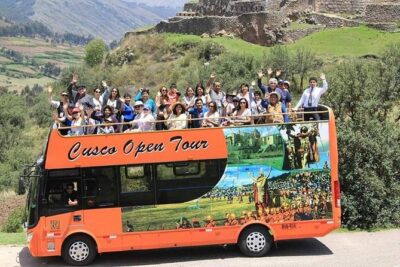
City Tour | Half-Day Tour to 4 Archaeological Sites
Read our review →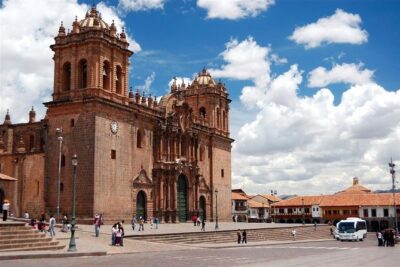
City Tour in Cusco & visit Museum South American Camelid Private.
Read our review →
Cusco City Sightseeing, San Pedro Market, Cathedral and Qorikancha Temple
Read our review →Browse the lists this tour appears in