
Reviewed · MACHU PICCHU TOURS
5-Day: Salkantay Trek to Machupicchu and Humantay Lake
The mountains set the pace here. This five-day route from Cusco combines Humantay Lake, the 15,091-foot Salkantay Pass, jungle trails, hot springs, and Machu Picchu. I like the strong mix of scenery and activity, and I like that a guide, meals, camping equipment, horses, and Machu Picchu entry are built into the $360 price.
The small group size, capped at 15 people, also helps. Roger, one of the guides named in the available feedback, was praised for being helpful and friendly. The main drawback is the physical demand: high altitude, long walking days, an early start, and a very late return to Cusco make this a poor fit if you want a gentle holiday.
In This Review
- Five things to know before you book
- What the $360 price really covers
- Day one: Mollepata, Soraypampa, and Humantay Lake
- Day two: the Salkantay Pass at 15,091 feet
- Day three: jungle walking and Cocalmayo Hot Springs
- Day four: zip line or the walking route to Aguas Calientes
- Day five: Machu Picchu before the crowds build
- Should you add the train or an extra night?
- Fitness, altitude, and what to pack
- Group size, guiding, and the feel of the trip
- Who should book this trek?
- Final verdict: a strong value for fit hikers
- FAQ
- How long is the Salkantay trek to Machu Picchu?
- Where does the tour begin?
- Is Humantay Lake included?
- How high is the Salkantay Pass?
- How high is Humantay Lake?
- Are meals included?
- Is camping included?
- How much luggage can the horses carry?
- Are the hot springs included?
- Can I take a train back from Machu Picchu?
Five things to know before you book
- Humantay Lake comes on day one: You reach 13,779 feet after a demanding first hiking day, so acclimatization matters.
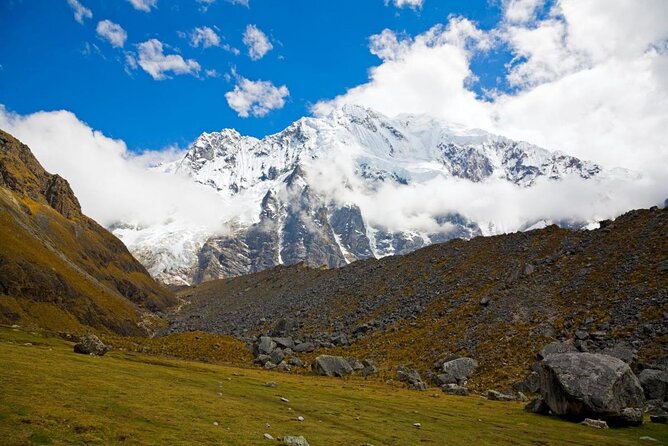
- The Salkantay Pass reaches 15,091 feet: This is the trek’s highest and hardest point, followed by a long descent into warmer jungle country.
- You carry less during the toughest days: Horses transport up to 5 kilograms of your backpack during the first three days.
- The route changes dramatically: Cold high country gives way to streams, orchids, farms, waterfalls, and tropical heat.
- Machu Picchu begins before sunrise: You leave around 4:00 a.m. and climb from Aguas Calientes to reach the citadel near opening time.
- The return to Cusco is long: The included bus leaves Hydroelectric at 3:00 p.m. and reaches Cusco around 10:00 p.m.
What the $360 price really covers
At $360 per person, this trek offers a useful bundle for an active visit to Machu Picchu. You get private transportation, a bilingual professional guide, four breakfasts, four lunches, four dinners, three camping nights, one hostel night, camping gear, taxes, and the return bus to Cusco.
Machu Picchu entry is included when booked about two months ahead. That timing matters. If your reservation comes later, you need to contact the operator about available entry options rather than assume your preferred time is secured.
The horse support is one of the better practical details. During the first three days, a horse carries up to 5 kilograms of your belongings, which can make the high pass and long descents much easier. You still need a daypack for water, warm layers, rain protection, and personal items.
The package does not include a sleeping bag, breakfast on the first morning, or lunch and dinner on the final day. Cocalmayo Hot Springs costs an additional $6, and optional Huayna Picchu access costs $30. These extra charges are modest, but you should budget for them along with snacks and drinks.
One point needs clarification before departure. The schedule gives an initial pickup at 4:30 a.m., while the included details state pickup between 5:30 and 6:00 a.m. Ask for the exact pickup time at the briefing in Cusco. A pre-dawn start is normal here, but you do not want to be standing outside for an hour with a packed bag.
More Hiking & Trekking in Cusco
- From Cusco: 7 Lakes Ausangate Trek with Breakfast and Lunch
★ 4.8 · 360 reviews - Cusco: Rainbow Mountain Tour and Red Valley Hike (Optional)
★ 4.7 · 149 reviews - Cusco: Full-Day Rainbow Mountain & Red Valley Trekking Tour
★ 4.5 · 121 reviews
Day one: Mollepata, Soraypampa, and Humantay Lake
The first day starts with a roughly four-hour bus ride from Cusco toward Mollepata. At 9,514 feet, Mollepata provides a 30-minute break before the road continues to Challacancha, where you meet the porters and horses.
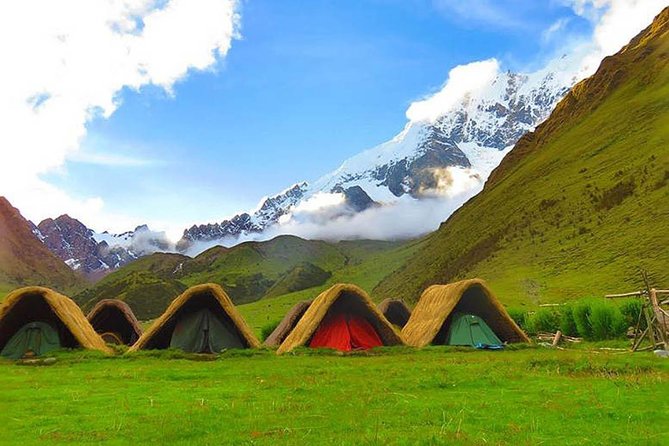
From Challacancha, you walk for about four hours to Soraypampa at 12,795 feet. The trail follows Inca water irrigation channels and ends beside the first camp, with views toward the snowy Salkantay peak.
This is not a soft introduction. You are already gaining altitude, and the camp temperature is listed at about 50 degrees Fahrenheit during the day and 36 degrees at night. The four-season tent has an extra straw roof, but you should still bring warm night clothing and a sleeping bag.
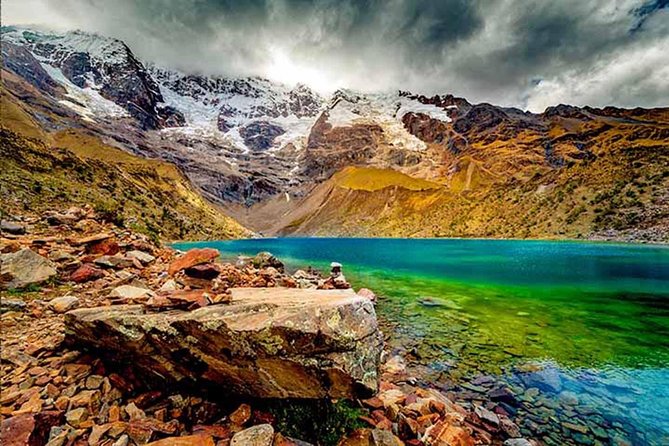
After lunch, you walk for about an hour and a half to Humantay Lake. The lake sits at 13,779 feet, and the route gives you a first taste of the steep, high-altitude walking that defines this trip. You spend about an hour at the lake before returning to camp.
Humantay Lake is a strong first-day reward, but the timing is worth considering. You are seeing it after a long road transfer and several hours on foot. If you are not well adjusted to Cusco’s altitude, this may feel like a tough introduction. The schedule does not provide a separate easy acclimatization day, so spending extra time in Cusco before the trek is sensible.
Day two: the Salkantay Pass at 15,091 feet
The assistant wakes the group early with coca tea, intended to help you adjust to the altitude, followed by breakfast. The first section takes about three hours and leads to the Salkantay Pass, the highest point of the trip.
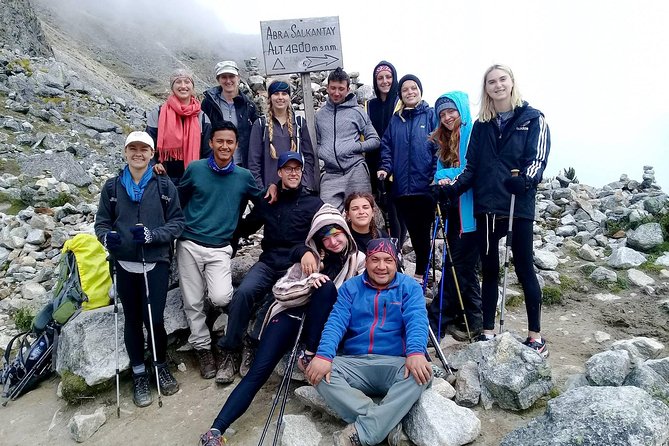
At 15,091 feet, the pass is the serious test. The appeal is clear: powerful Andean peaks surround the route, and the high mountain setting feels far removed from Cusco. The group also pauses for a traditional gesture, asking the Apus, or mountain gods, for permission to pass.
That cultural detail gives the climb some meaning beyond reaching a high point and taking photos. Your guide can help explain the custom, so stay close enough to hear the interpretation rather than treating the stop as a quick photo break.
From the pass, the trail descends toward Wayracpunku, also called HuayraPampa, for lunch. The descent continues for about five hours toward Chaullay at 9,514 feet. This is a long day, but the change in temperature and plant life helps keep it interesting.
As you lose altitude, streams, large trees, bromeliads, and orchids replace the stark high-country scenery. The route shifts from open mountain views to a warmer, greener setting in just one day. That sharp change is one of the best reasons to choose Salkantay instead of a route that remains at similar altitude throughout.
Your legs may disagree by the time you reach Chaullay. Comfortable walking shoes, trekking poles if you use them, and careful pacing will matter more than speed. The schedule gives you a destination and approximate times, not a promise that every group member will move at the same pace.
Day three: jungle walking and Cocalmayo Hot Springs
After breakfast at about 6:30 a.m., you continue through the jungle toward Sahuyaco, also called La Playa, at roughly 6,824 feet. The day becomes much warmer, with daytime temperatures listed near 77 degrees Fahrenheit and nighttime temperatures around 57 degrees.
This section offers a welcome change after the cold pass. You walk among trees and streams before stopping for lunch in La Playa. Afterward, transportation takes you to Santa Teresa, at about 5,085 feet, where you set up camp.
The combination of walking and transport makes this day shorter than the first two, at about six hours overall. It is still active, but the lower elevation should make breathing easier for most people.
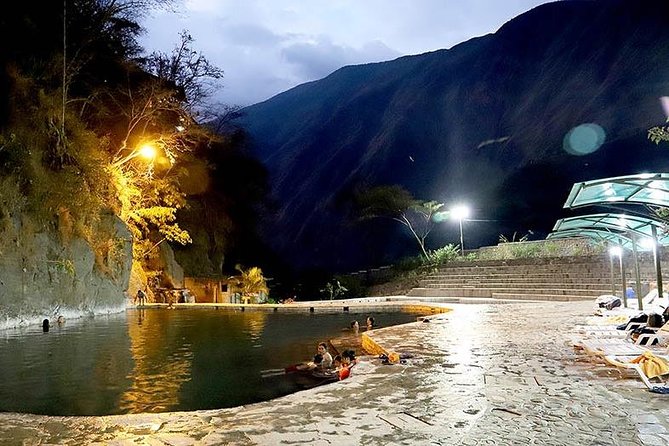
Cocalmayo Hot Springs is the day’s extra treat. You can soak in the pools after reaching Santa Teresa, but the admission fee is not included. At $6, it is an easy add-on if you want a warm-water break after two demanding days.
Dinner is a traditional Peruvian meal, followed by a night at camp. Remember that the included accommodation is camping for the first three nights, not a hotel room. Couples receive private hostel accommodation on the fourth night, but the camping setup should be understood as part of the experience.
More Inca Trail Treks in Cusco
- Cusco: 4-Day Inca Trail to Machu Picchu with Accommodation
★ 4.8 · 432 reviews - Cusco: Machu Picchu 2-Day Inca Trail with Panoramic Train
★ 4.9 · 260 reviews - From Cusco: 2-Day Inca Trail to Machu Picchu
★ 4.2 · 244 reviews - Machu Picchu: Inca Trail 2-Day Overnight Guided Tour
★ 4.9 · 203 reviews
Day four: zip line or the walking route to Aguas Calientes
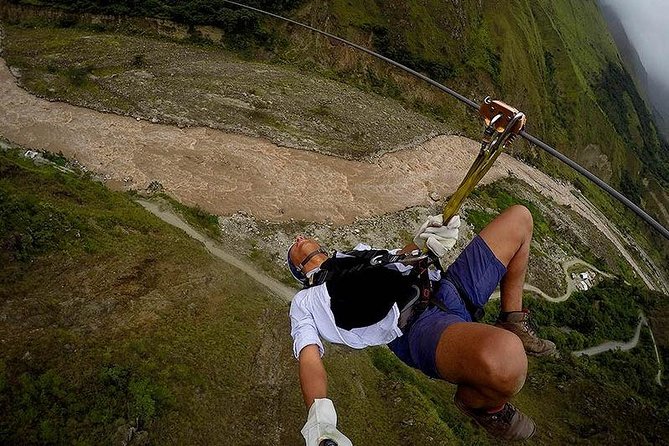
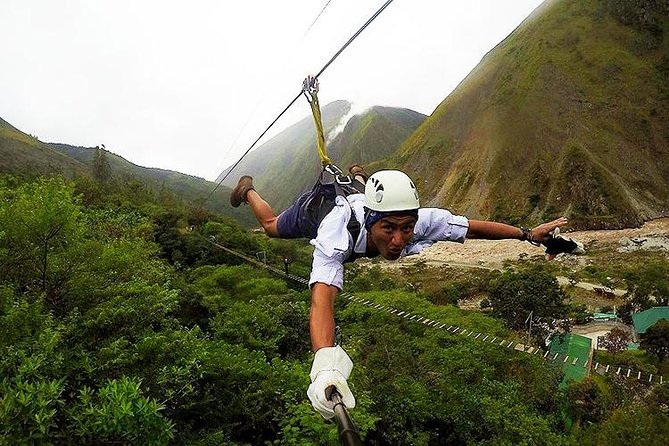
Day four gives you a choice. If you book the zip line, transportation picks you up at the camp for an activity lasting about two and a half hours. The course has more than six cables, including a longest line of about 1 kilometer, with speeds up to 45 miles per hour. It also includes a climbing rock and suspension bridge.
If you skip the zip line, you walk for about two hours from Santa Teresa to Hydroelectric. The entire group meets there for lunch, then follows the railway for roughly three hours toward Aguas Calientes.
The walking route is not filler. You pass waterfalls, ecological farms, and jungle scenery, with the chance of seeing wildlife. The railway walk is relatively unusual as a way to approach Machu Picchu, and it gives you a slower arrival than taking a train directly into town.
You reach Aguas Calientes around 5:00 p.m. The town serves as the overnight base before Machu Picchu, and the group meets at a local restaurant for dinner and a briefing about the next morning.
This is an important rest point, but do not expect a long evening. After several days on foot, you still need to organize your daypack, prepare clothing for the 4:00 a.m. start, and get some sleep. The hostel night is a practical improvement over another camp, even if the schedule leaves little free time.
Day five: Machu Picchu before the crowds build
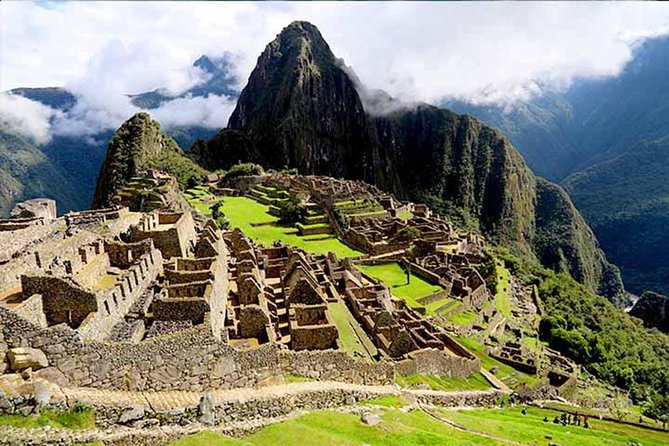
The final day begins around 4:00 a.m. You climb from Aguas Calientes on foot through the high jungle, aiming to reach Machu Picchu near sunrise and pass the entrance control around 6:00 a.m.
This early climb is one of the trip’s biggest selling points, but it also demands honesty about your energy level. You have already completed several long days, and the ascent comes before breakfast. Pack water and a small snack if allowed by the site rules, and keep your expectations flexible if weather affects the sunrise.
Inside the citadel, a private guided tour lasts about two hours. That is enough time for a structured introduction to the main areas, but you then have free time to explore on your own. The private group format should make it easier to ask questions and hear the guide without competing with a large crowd.
You leave Machu Picchu at about 11:30 a.m. and walk for roughly three and a half hours back to Hydroelectric. The bus waits there until 3:00 p.m. for the long return to Cusco, with arrival around 10:00 p.m.
That final transfer is the trip’s least appealing logistical feature. It is included, but it consumes most of the day and evening. You should avoid scheduling a flight, important dinner, or next-morning excursion too close to the expected arrival.
Should you add the train or an extra night?
The optional train return is a comfort upgrade with a clear benefit: more time at Machu Picchu. You can remain in the citadel area until a maximum of about 5:00 p.m., then take a train from Aguas Calientes to Ollantaytambo in roughly one hour and 40 minutes. A car then continues to Cusco, dropping you near San Francisco Square around 10:00 p.m.
This option costs extra, but it removes the three-and-a-half-hour walk back to Hydroelectric and lets you enjoy the site at a less frantic pace. I would consider it if your budget allows, especially after four days of walking.
You can also spend one extra night in Machu Picchu town for an additional $30. This is a good choice if you want to climb Huayna Picchu or Machu Picchu Mountain, subject to availability. The extra night turns the final day into a more relaxed visit instead of a dawn climb followed by a long return.
Huayna Picchu access itself costs $30. Tell the operator after booking if you want to check availability. Do not assume the mountain ticket is included with the standard Machu Picchu entrance.
Fitness, altitude, and what to pack
The operator asks for a moderate fitness level, but the numbers tell you more than that phrase. You face walking days of about four to eight hours, a high point above 15,000 feet, steep ascents, long descents, and an early final morning.
Altitude is the main concern. Humantay Lake and the Salkantay Pass are both higher than Cusco, and day one reaches high camp before the lake walk. Coca tea is provided in the morning, but no drink replaces gradual acclimatization and a sensible pace.
Pack for several climates:
- Warm layers for Soraypampa nights
- Rain protection for changing mountain conditions
- Comfortable hiking shoes
- A daypack for water and essentials
- Personal clothing within the 5-kilogram horse allowance
- A sleeping bag, since one is not supplied
- Sun protection for exposed high-altitude sections
The provided camping gear covers the main setup, but the exact personal equipment you receive is not specified. Ask during the briefing if you have special needs or want to confirm what is included in the camping kit.
Group size, guiding, and the feel of the trip
The group has a maximum of 15 people, small enough for a more personal walk without the price of a fully private departure. A professional bilingual guide leads the route in Spanish and English, and a briefing takes place one day before departure.
The guide is especially important on day two. The Salkantay Pass is not just a place to walk quickly and leave. A guide who manages pace, explains the mountain tradition, and keeps the group together adds real value.
Roger received particularly strong praise for being helpful and friendly. You should still treat guide quality as part of the experience that can vary by departure. Ask who your guide will be at the briefing and use that meeting to clarify pickup time, Machu Picchu entry timing, horse baggage limits, and optional activities.
The published rating is 5 out of 5 from 42 ratings, with 100 percent recommending the experience. That is an unusually strong record, and the repeated praise for the small group and Roger points to the human side of the trek as a major strength.
Who should book this trek?
I would recommend it to you if you want Machu Picchu to be part of a real mountain journey rather than a quick sightseeing stop. You get major scenery changes, physical challenge, local transport, camping, a hot-spring option, and a guided visit to the citadel.
It suits active visitors who can handle long days and early mornings. It is also a good match if you like having meals and transport arranged, but still want a route that feels more adventurous than a standard train visit.
I would hesitate if you dislike camping, have limited high-altitude walking experience, or need a predictable, comfortable schedule. The final return to Cusco is especially long, and the first two days are not forgiving.
The non-refundable policy also deserves attention. Once you book, you cannot cancel or amend the experience for a refund. If poor weather cancels the departure, you are offered a different date or a full refund, but personal changes are not covered.
Final verdict: a strong value for fit hikers
This is a well-priced, demanding route with a memorable sequence: Humantay Lake, the Salkantay Pass, jungle trails, Cocalmayo, the railway to Aguas Calientes, and an early Machu Picchu entry.
I like the four included meal sets, horse support, small maximum group, and private guided visit. I also like that you can improve the final day with an extra night or train return.
Book it if you want to earn Machu Picchu with your feet and are comfortable trading hotel comfort for mountain scenery. Skip it if you want a relaxed holiday. Before paying, confirm your pickup time and Machu Picchu ticket arrangements, then prepare seriously for altitude, cold nights, and the long final day.
FAQ
How long is the Salkantay trek to Machu Picchu?
The experience lasts approximately five days, including the return journey from Machu Picchu to Cusco.
Where does the tour begin?
The tour begins in Cusco, with pickup from your hotel or lodging. The listed start time is between 5:30 and 6:00 a.m., although the first-day schedule also mentions a 4:30 a.m. pickup, so confirm the exact time during the briefing.
Is Humantay Lake included?
Yes. The walk to Humantay Lake is included on the first day, along with admission.
How high is the Salkantay Pass?
The pass reaches 4,600 meters, or approximately 15,091 feet.
How high is Humantay Lake?
Humantay Lake is at about 4,200 meters, or approximately 13,779 feet.
Are meals included?
Four breakfasts, four lunches, and four dinners are included. Breakfast on the first day, plus lunch and dinner on the final day, are not included.
Is camping included?
Yes. The package includes three nights of camping and one night in a hostel. Full camping gear is included, but a sleeping bag is not provided.
How much luggage can the horses carry?
A horse carries a maximum of 5 kilograms of your backpack during the first three days.
Are the hot springs included?
No. Cocalmayo Hot Springs costs $6 per person and is paid for at the site.
Can I take a train back from Machu Picchu?
Yes. A train return can be added for an extra charge. It allows you to remain in Machu Picchu until a maximum of about 5:00 p.m., then travel by train to Ollantaytambo before continuing by car to Cusco.
More Ways to Reach Machu Picchu
- The First Class Machu Picchu Train by Inca Rail
★ 4.0 · 182 reviews - From Cusco: 1-day Machu Picchu Tour by Train
★ 4.6 · 138 reviews - Private Tour to Sacred Valley and Machu Picchu from Cusco
★ 5.0 · 133 reviews - Machupicchu 1 day tour
★ 5.0 · 128 reviews
More Machu Picchu Tours in Cusco
- From Cusco: Full-Day Group Tour of Machu Picchu
★ 4.7 · 1,767 reviews - Machu Picchu Day Trip from Cusco
★ 4.5 · 1,644 reviews - Machu Picchu: Full-Day Tour from Cusco with Optional Lunch
★ 4.6 · 927 reviews - From Cusco: 2-Day Trip to the Sacred Valley and Machu Picchu
★ 4.6 · 265 reviews
Just added around Cusco
- Cusco: Rainbow Mountain and viewpoint red valley ( optional)★ 4.8 · 3 reviews
- Montaña de Colores: tour en cuatrimotos día completo★ 3.3 · 3 reviews
- Tour Pallay Punchu Trek Full Day★ 4.2 · 3 reviews
- Excursion Cusco – Puno – Titicaca Observatory Train★ 5.0 · 3 reviews
- Cusco: Palcoyo Mountain Day Trip with Breakfast and Lunch★ 4.8 · 3 reviews
- Maras Moray★ 5.0 · 3 reviews
- Tour to Laguna Humantay with breakfast and lunch from Cusco★ 4.7 · 3 reviews
- From Cusco:Chinchero, Moray, Maras, Ollantaytambo with lunch★ 5.0 · 3 reviews
Machu Picchu Tours, compared.



Machu Picchu: Full-Day Tour from Cusco with Optional Lunch
Read our review →
4-Day Inca Trail to Machu Picchu with Accommodation
Read our review →
2-Day Trip to the Sacred Valley and Machu Picchu
Read our review →
Machu Picchu 2-Day Inca Trail with Panoramic Train
Read our review →
