
Reviewed · MACHU PICCHU TOURS
4 Day Inca Trail Trek to Machu Picchu Multi day tour
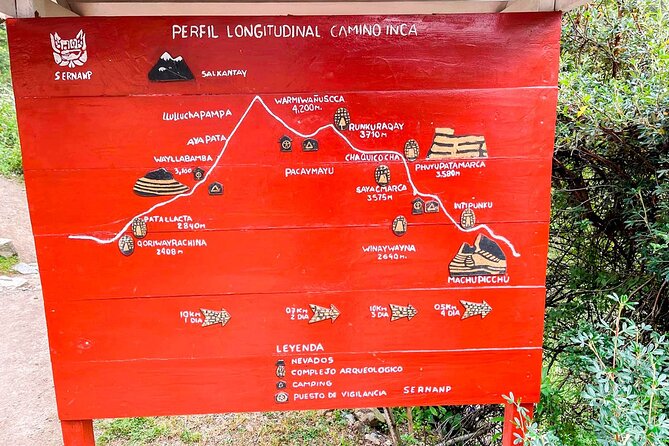
Machu Picchu is only the finale. This four-day trek follows about 42 kilometers of ancient Inca road from Km 82 through high mountain passes, cloud forest, archaeological sites, and finally the Sun Gate. I like the steady build of the route, with ruins such as Runkurakay, Sayacmarca, Phuyupatamarca, and Wiñay Wayna appearing before Machu Picchu itself. I also like that the $930 price includes the major hard-to-arrange pieces: permits, camping, porters, meals, train travel, and transport back to Cusco.
The main catch is physical. Dead Woman’s Pass reaches 4,215 meters, and the trail brings plenty of steep climbing and knee-testing descents. You need strong fitness and a sensible approach to altitude. The fixed, non-refundable booking terms also mean you should be certain of your plans before paying.
The trip is operated by Inca Trail Machu, with a maximum group size of 16. Its strongest feature may be the support team. Guides including Nico, César, Plinio, Josias, and others receive repeated praise for encouragement, pacing, historical explanations, and personal care. The chef and porters also earn unusually warm approval, with several people describing meals that felt closer to restaurant food than trail food.
In This Review
- Key points to know before booking
- Why this four-day route feels special
- Day 1: Km 82, the Vilcanota River, and Huayllabamba
- Day 2: The hard climb to Dead Woman’s Pass
- Day 3: Three passes and the terraces of Wiñay Wayna
- Day 4: The Sun Gate and Machu Picchu
- What the $930 price really covers
- Camping, food, and the porter system
- Guides, pacing, and group size
- Who should choose this trek?
- Booking details worth taking seriously
- Should you book the 4-day Inca Trail trek?
- FAQ
- How long is the Inca Trail trek?
- Where does the trek begin?
- What time is pickup in Cusco?
- How high is Dead Woman’s Pass?
- How many nights do you camp?
- Is Machu Picchu admission included?
- Is a guide included?
- Can a porter carry personal belongings?
- Are meals included?
- Is the return transport to Cusco included?
Key points to know before booking
- Dead Woman’s Pass is the big physical test: The trail climbs to 4,215 meters before dropping into the Pacaymayo Valley.
- The route is packed with Inca sites: Llactapata, Runkurakay, Sayacmarca, Phuyupatamarca, and Wiñay Wayna give the hike much more depth than a simple walk to Machu Picchu.
- Camping is made easier by a full support crew: A chef, porters, dining tent, kitchen tent, toilet tent, mattresses, and water at each campsite are included.
- You reach Machu Picchu through the Sun Gate: On the fourth morning, you get your first broad view of the citadel from Inti Punku.
- The return journey is covered: A bus takes you to Aguas Calientes, followed by a tourist train to Ollantaytambo and a bus to Cusco.
- You carry only a day pack if you use the porter allowance: One personal duffel of up to 7 kilograms is carried for you.
Why this four-day route feels special
The classic Inca Trail is not just a long approach to Machu Picchu. It is a route through several climate zones and a chain of old settlements, terraces, stairways, and ceremonial sites. The scenery changes as you climb, so each day has a different character.
You begin beside the Vilcanota River and finish among subtropical vegetation near the citadel. In between, you cross open high-altitude grasslands, steep passes, and cloud forest filled with orchids and bromeliads. That variety keeps the walk interesting, even when your legs are asking difficult questions.
I also value the human side of this trip. You are not simply handed a map and sent uphill. A guide leads the group, a chef prepares the meals, and porters carry the shared equipment and your larger personal bag. The support does not make the trek easy, but it lets you focus on walking, scenery, and the old stonework rather than hauling a full camping load.
More Hiking & Trekking in Cusco
- From Cusco: 7 Lakes Ausangate Trek with Breakfast and Lunch
★ 4.8 · 360 reviews - Cusco: Rainbow Mountain Tour and Red Valley Hike (Optional)
★ 4.7 · 149 reviews - Cusco: Full-Day Rainbow Mountain & Red Valley Trekking Tour
★ 4.5 · 121 reviews
Day 1: Km 82, the Vilcanota River, and Huayllabamba
The first day starts early, with pickup from your Cusco hotel at about 4:30 am. That is a serious morning, but the early departure allows the team to reach Km 82 and begin the hike with time available for the 12-kilometer route.
The drive passes through the Urubamba Valley before the trail begins near the Vilcanota River. After crossing the river, you follow an ancient Inca road through Andean scenery. The route is described as moderate on this first day, with a gradual introduction to the walking rhythm.
Huayllabamba provides a chance to see local life along the route. The day also brings views of mountains and valleys without yet demanding the hardest climbs. That makes it useful as a physical and mental warm-up, though you should not mistake a moderate first day for an easy four-day holiday.
Camping follows the first day’s walk. Your package includes dinner, a tent, a mattress, and the camp setup. Two people use each four-person Eureka tent, giving you more room than a tightly packed two-person shelter. The extra space is a small but meaningful comfort when your boots, clothing, and wet-weather gear need somewhere to go.
Day 2: The hard climb to Dead Woman’s Pass
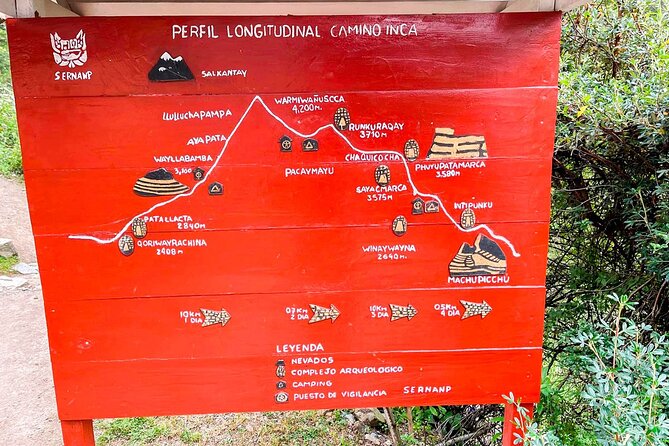
Day two is the day to respect. After an early breakfast, you climb toward Warmiwañusca, better known as Dead Woman’s Pass. At 4,215 meters, it is the highest point of the trek and the place where altitude and steep uphill walking combine.
You move from high grasslands toward the pass, with mountain views opening around you. The climb can feel slow, especially if you are still adjusting to Cusco’s altitude. The practical answer is to keep your pace controlled and listen to your guide. The group leaders are praised for adjusting the walking speed to the ability of the people in their care, which matters most on this day.
At the pass, you have a chance to pause before descending into the Pacaymayo Valley. The descent brings its own strain. If you have sensitive knees, hiking poles are worth considering, although they cost an additional $20.
The scenery changes again as the trail reaches cloud forest. Orchids and bromeliads replace the more open mountain vegetation. The campsite at Pacaymayo provides dinner and a place to recover before another demanding day.
A sleeping bag is not included and costs $25 to rent. An inflatable rest mattress costs an additional $20. These are easy costs to miss when comparing tour prices, so add them to your budget if you do not bring or arrange your own gear.
Day 3: Three passes and the terraces of Wiñay Wayna
Day three covers less distance in the stated schedule, about six hours, but it is still a full hiking day. The trail climbs toward Runkurakay Pass at 3,970 meters, then descends through cloud forest to Sayacmarca, set at about 3,624 meters.
Runkurakay is one of the route’s memorable archaeological stops. Its rounded stone form and high position make it feel tied to the mountain route rather than placed beside it by accident. Sayacmarca is another reward for the climb, with ruins reached along the trail and views into the surrounding valleys.
The path continues through forest and passes smaller ruins before reaching Phuyupatamarca, the third pass, at 3,670 meters. The day has a repeated pattern of climbing and descending. That can be tiring, but it also gives you frequent changes in scenery and several reasons to stop.
The final major site is Wiñay Wayna, at about 2,650 meters. Its agricultural terraces and ritual baths are especially impressive. The campsite here is also valued for its mountain views and lower elevation compared with Pacaymayo.
The food deserves attention. Several people describe meals as plentiful, creative, and far better than expected from a camping kitchen. One chef even baked a cake in the Andes. That detail may sound minor, but after a day of stairs and thin air, a hot meal and something sweet can change the mood of an entire camp.
More Inca Trail Treks in Cusco
- Cusco: 4-Day Inca Trail to Machu Picchu with Accommodation
★ 4.8 · 432 reviews - Cusco: Machu Picchu 2-Day Inca Trail with Panoramic Train
★ 4.9 · 260 reviews - From Cusco: 2-Day Inca Trail to Machu Picchu
★ 4.2 · 244 reviews - Machu Picchu: Inca Trail 2-Day Overnight Guided Tour
★ 4.9 · 203 reviews
Day 4: The Sun Gate and Machu Picchu
The final morning begins early with breakfast and the walk to the checkpoint for the last stretch of the Inca Trail. The goal is Inti Punku, the Sun Gate, where Machu Picchu first appears in a broad view.
This approach is one of the strongest reasons to choose the four-day trail instead of arriving only by train. You reach the citadel on foot, after seeing the route’s mountains and ruins, and the first view from the Sun Gate has the force of a proper finale.
From Inti Punku, the group continues to Machu Picchu for a guided visit. The guide explains the citadel, its construction, and its place in Inca history. This is where guides such as Nico, César Pérez, César Coavoy, Plinio, and Josias add real value. Their work is not just about finding the path. It is also about making the stones, terraces, and ceremonial spaces easier to understand.
After the visit, a shuttle bus carries you down to Aguas Calientes. Lunch in town is not included, so budget for it separately. The return continues by tourist train to Ollantaytambo, followed by a tourist bus to Cusco.
That final transfer makes for a long day. You get the satisfaction of reaching Machu Picchu, but you do not finish by simply walking into a hotel near the ruins. Keep your day pack organized, save some energy for the citadel, and expect the return to take time.
What the $930 price really covers
At $930 per person, this is not a budget walk. It is a supported, permit-based trek with several costly and useful components already included.
Your price covers:
- Pre-trek briefing
- Transport from Cusco to Km 82
- Three nights of camping
- Inca Trail permit
- Machu Picchu entrance
- Experienced guide
- Trekking chef
- Personal porter for a duffel of up to 7 kilograms
- Additional porters for food and camping equipment
- Tents, kitchen and dining tents, tables, chairs, cooking equipment, and gas
- Toilet tent
- Sleeping-roll mattress
- Water at each campsite
- Meals from dinner on day one through breakfast on day four
- Bus from Machu Picchu to Aguas Calientes
- Tourist train to Ollantaytambo
- Bus from Ollantaytambo to Cusco
- First-aid kit with emergency oxygen
- Plastic rain poncho
- Taxes and fees
- A commemorative T-shirt
- An opportunity to sponsor native-tree planting
The permit and entrance fee are particularly important. You are paying for access to a regulated route, not just a guide and a tent. The return train and buses also remove a set of transport decisions at the end of a tiring day.
The price becomes better value if you would otherwise need to arrange camping gear, meals, porters, permits, and return transport separately. It is less attractive if you already own all the equipment and prefer to travel independently, but this is not designed as a bare-bones self-guided outing.
Remember the extras: a $25 sleeping bag, $20 hiking poles, a $20 inflatable rest mattress, tips, souvenirs, the first breakfast, the last lunch in Aguas Calientes, and travel insurance. The tour says all taxes and fees are included, but personal spending is not.
Camping, food, and the porter system
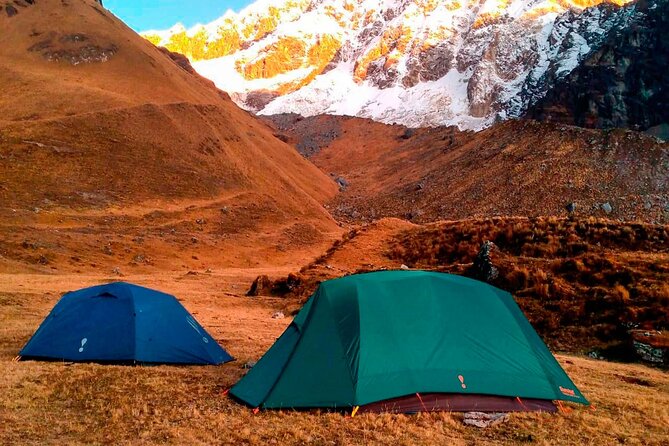
Camping for three nights means you should prepare for changing weather and limited personal space. The included four-person tents are shared by two people, which gives you more room than a standard two-person setup. Kitchen and dining tents provide a place for meals, while the toilet tent offers a basic private facility at camp.
The porters carry the communal equipment, food, and cooking supplies. Your personal duffel can weigh up to 7 kilograms. You still need a day pack for water, rain protection, warm layers, snacks, and anything you need while walking.
This arrangement is a major benefit, but it also creates a responsibility. Pack within the stated limit and keep your essentials accessible. You should not assume the porter will be beside you every minute of the trail.
Food is one of the tour’s most praised features. Meals are included for three breakfasts, three lunches, and three dinners. The repeated approval of the chefs, including Leo, Clemente, Jesus, and others, suggests a dependable camp kitchen rather than plain noodles and soup every night.
The exact menu is not provided, so do not book based on a promised dish. Still, the emphasis on nutritious meals is good news for a route that requires steady energy.
Guides, pacing, and group size
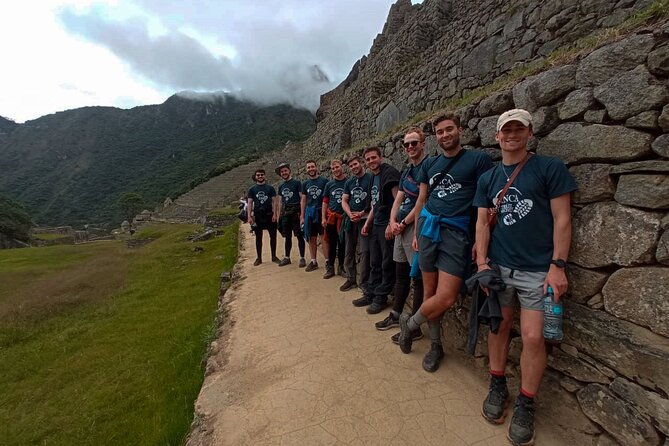
The group maximum is 16 people. That is large enough to bring different walking speeds and fitness levels, but small enough for a guide to keep track of the group.
The guide is central to the experience. Nico Raul is praised for care, historical explanation, and encouragement. César Pérez is praised for quickly judging the group’s abilities and shaping the pace accordingly. Plinio is praised for helping older members stay comfortable and capable. Other guides, including César Coavoy and Josias, receive similar approval for making the route informative and enjoyable.
I would treat those names as evidence of a strong guiding team, not a guarantee that one particular guide will lead your departure. Your assigned guide may vary.
The group format also means you should be prepared to walk with people who move at different speeds. A patient, supportive attitude helps. The guide’s job is to manage the pace, but no organized trek can make a high pass feel flat.
Who should choose this trek?
This trip suits you if you want Machu Picchu to be the end of a meaningful route rather than a stand-alone sightseeing stop. It is a good fit for someone who values archaeological sites, mountain scenery, professional camp support, and a guide who explains what you are seeing.
It can also suit older hikers who prepare seriously. People in their 60s and even 71 have completed comparable departures, but those examples should encourage preparation, not create false confidence. The stated fitness requirement is strong, and the pass is high.
You should think twice if you dislike camping, struggle with steep descents, or want a relaxed holiday schedule. The 4:30 am start, four walking days, altitude, and final transport make this an active trip from beginning to end.
Before booking, build fitness through regular hill walking and stair work. The information provided does not give a medical acclimatization plan, so you should arrange your own altitude advice and insurance. Peru travel insurance is specifically excluded.
Booking details worth taking seriously
Confirmation arrives within 48 hours of booking, subject to availability. The trek is non-refundable and cannot be changed for any reason, so check your dates, fitness, travel insurance, and equipment plans before paying.
Pickup is offered from Cusco, and the published start time is 4:30 am. Group discounts are available, though the amount is not specified.
A plastic rain poncho is included, but you should still plan for wet and cold conditions because the route crosses several climate zones. The provided details do not state the tent temperature rating, sleeping-bag specifications, or a full packing list, so ask the operator about those points before departure.
Should you book the 4-day Inca Trail trek?
I would book this trek if I wanted the classic foot approach to Machu Picchu and valued strong support more than the lowest possible price. The combination of permits, archaeological sites, a capable guide, porters, good camp meals, and return transport makes the $930 fee reasonable for a fully arranged four-day route.
I would not book it casually. Dead Woman’s Pass is a real physical hurdle, the schedule starts before dawn, and the cancellation terms are unforgiving. If you train, insure the trip, budget for the listed extras, and accept three nights in camp, this offers a powerful way to reach Machu Picchu, with the journey carrying as much weight as the destination.
FAQ
How long is the Inca Trail trek?
The trek lasts approximately four days and covers about 42 kilometers, or 26 miles.
Where does the trek begin?
The route begins at Km 82 after transport from Cusco and a crossing of the Vilcanota River.
What time is pickup in Cusco?
The stated start time is 4:30 am.
How high is Dead Woman’s Pass?
Dead Woman’s Pass, or Warmiwañusca, reaches 4,215 meters, or 13,828 feet.
How many nights do you camp?
The tour includes three nights of camping.
Is Machu Picchu admission included?
Yes. The Inca Trail permit and entrance fee to Machu Picchu are included.
Is a guide included?
Yes. An experienced tour guide is included.
Can a porter carry personal belongings?
Yes. A personal porter carries a duffel bag weighing up to 7 kilograms, or 11 pounds.
Are meals included?
Yes. The package includes three breakfasts, three lunches, and three dinners. The first breakfast and final lunch in Aguas Calientes are not included.
Is the return transport to Cusco included?
Yes. The return includes a shuttle bus to Aguas Calientes, a tourist train to Ollantaytambo, and a tourist bus from Ollantaytambo to Cusco.
More Ways to Reach Machu Picchu
- The First Class Machu Picchu Train by Inca Rail
★ 4.0 · 182 reviews - From Cusco: 1-day Machu Picchu Tour by Train
★ 4.6 · 138 reviews - Private Tour to Sacred Valley and Machu Picchu from Cusco
★ 5.0 · 133 reviews - Machupicchu 1 day tour
★ 5.0 · 128 reviews
More Machu Picchu Tours in Cusco
- From Cusco: Full-Day Group Tour of Machu Picchu
★ 4.7 · 1,767 reviews - Machu Picchu Day Trip from Cusco
★ 4.5 · 1,644 reviews - Machu Picchu: Full-Day Tour from Cusco with Optional Lunch
★ 4.6 · 927 reviews - From Cusco: 2-Day Trip to the Sacred Valley and Machu Picchu
★ 4.6 · 265 reviews
Just added around Cusco
- Cusco: Rainbow Mountain and viewpoint red valley ( optional)★ 4.8 · 3 reviews
- Tour Pallay Punchu Trek Full Day★ 4.2 · 3 reviews
- Montaña de Colores: tour en cuatrimotos día completo★ 3.3 · 3 reviews
- Excursion Cusco – Puno – Titicaca Observatory Train★ 5.0 · 3 reviews
- Cusco: Palcoyo Mountain Day Trip with Breakfast and Lunch★ 4.8 · 3 reviews
- Maras Moray★ 5.0 · 3 reviews
- Tour to Laguna Humantay with breakfast and lunch from Cusco★ 4.7 · 3 reviews
- From Cusco:Chinchero, Moray, Maras, Ollantaytambo with lunch★ 5.0 · 3 reviews
Machu Picchu Tours, compared.



Machu Picchu: Full-Day Tour from Cusco with Optional Lunch
Read our review →
4-Day Inca Trail to Machu Picchu with Accommodation
Read our review →
2-Day Trip to the Sacred Valley and Machu Picchu
Read our review →
Machu Picchu 2-Day Inca Trail with Panoramic Train
Read our review →

Machu Picchu: Inca Trail 2-Day Overnight Guided Tour
Read our review →Browse the lists this tour appears in