
Reviewed · CUSCO TOURS
SOUTH VALLEY CUSCO
Ancient waterworks meet colonial art. This $20 South Valley tour packs Tipón’s Inca canals, Pikillaqta’s pre-Inca ruins, and Andahuaylillas’ famous church into a seven-hour outing from Cusco. I like the strong mix of archaeology and culture, and I like that hotel pickup and a bilingual guide are included. The main catch is that entrance fees and meals cost extra, and Pikillaqta may feel rushed.
The trip earns a solid 4.1 rating from 56 reviews, with special praise for its comfortable transport, calm pace, and friendly guides. Guide Bernabe, in particular, has been singled out for his warmth. Still, guide language skills can vary, and the lunch stop depends on what most of the group wants.
In This Review
- South Valley highlights at a glance
- Why Cusco’s South Valley deserves a day
- The morning ride south from Cusco
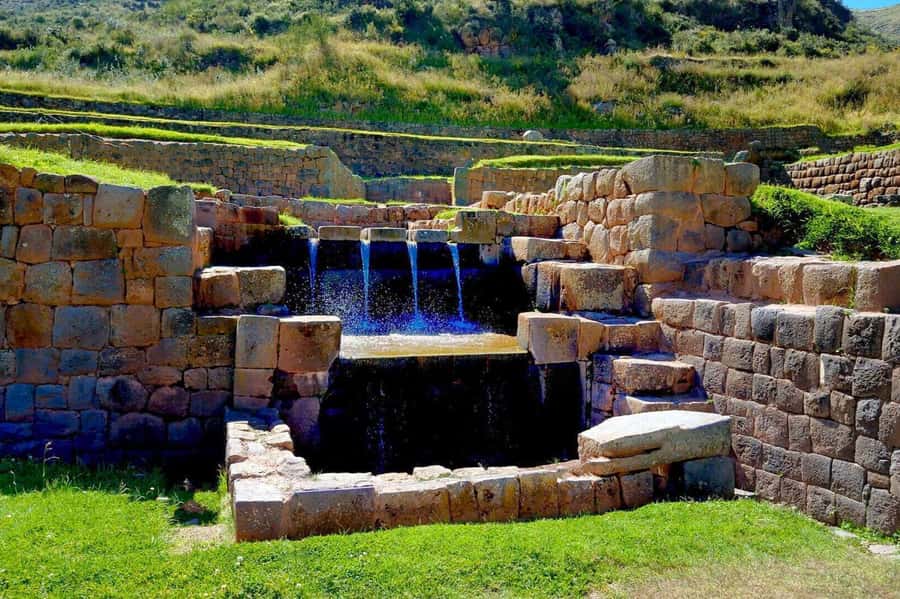
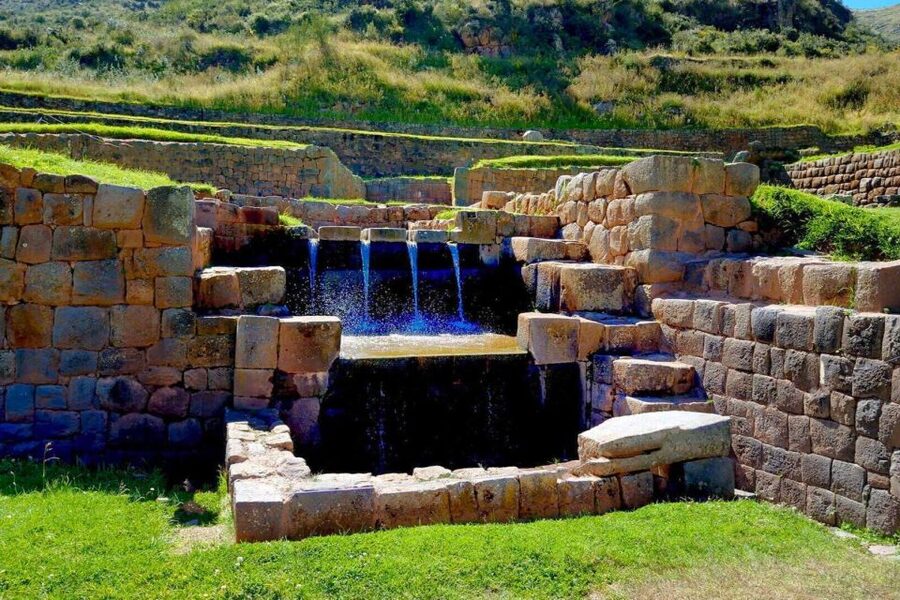
- Tipón: where Inca engineering takes center stage
- Pikillacta: a short look at a pre-Inca city
- Andahuaylillas and its famous colonial church
- Lunch, Oropesa, and the stops you cannot fully predict
- Guide quality and language
- What the $20 price really includes
- Who should book this South Valley outing
- Final verdict: a good-value history sampler
- FAQ
- How long does the South Valley tour last?
- Where does the tour begin?
- Where does the tour finish?
- What sites are visited?
- Is hotel pickup included?
- What languages are available?
- Is lunch included?
- How much does admission to Andahuaylillas church cost?
- Are archaeological entrance tickets included?
- Is the tour suitable for wheelchair users?
- What should I bring?
South Valley highlights at a glance
- Tipón’s working water system: See canals, fountains, and agricultural terraces built with impressive control of water flow.
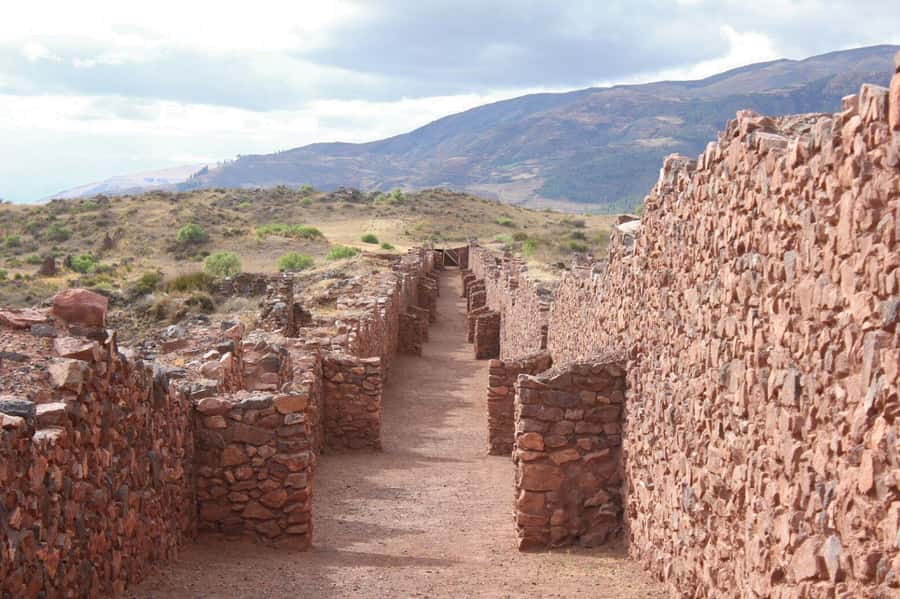
- Pikillaqta’s Wari city: Walk through one of the major pre-Inca urban sites near Cusco, dating from the Wari culture.
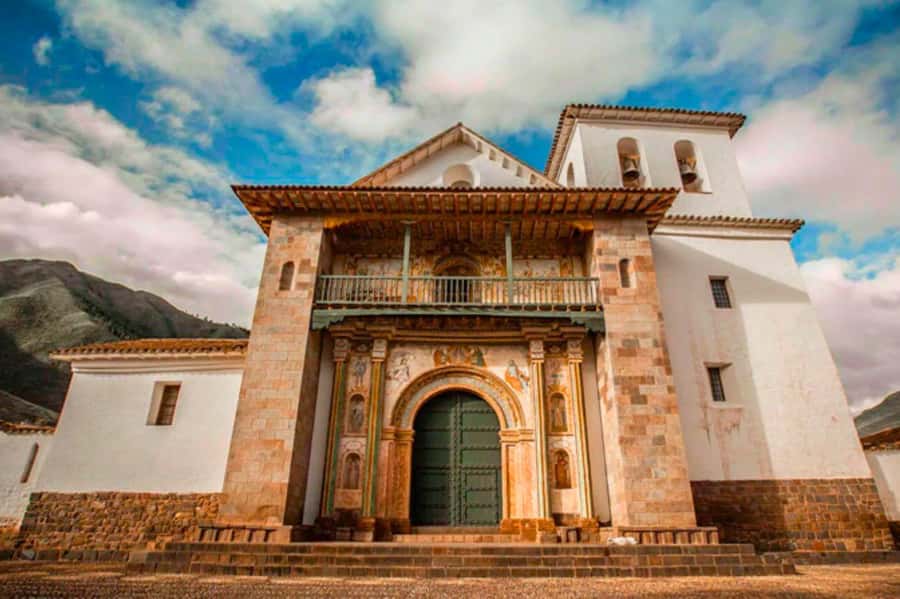
- Andahuaylillas church: Visit a colonial church known as the Sistine Chapel of South America, with admission priced separately at 18 soles.
- A seven-hour route: Leave Cusco, visit three major stops, and finish near Plaza de Armas at Plaza Kusipata around 4:00 p.m.
- Low headline price: The $20 fare covers transport, a professional English or Spanish guide, and central hotel pickup, but not archaeological tickets, lunch, or the church fee.
- Useful extras along the way: Depending on the day, the group may stop in Oropesa or hear a short talk about Machu Picchu.
Why Cusco’s South Valley deserves a day
Most people come to Cusco for Machu Picchu, the Sacred Valley, and the city’s Inca walls. The South Valley gives you a different picture of the region. It connects practical Inca engineering, a pre-Inca city, and Spanish colonial religious art in one route.
I especially like the way Tipón changes your understanding of the Inca world. It is not simply a pile of old stones. Water still gives the site its character, and the terraces show how farming, engineering, and ceremony could work together.
Pikillacta adds useful context. The site belongs to the Wari culture, which predates the Inca period. You get to see that Cusco’s story did not begin with the Inca Empire. Andahuaylillas then shifts the focus to the colonial era, showing how Spanish religious architecture and local artistic traditions came together.
The route is also a practical choice if you have a free day in Cusco and want something more focused than a general countryside drive. At $20 per person, it is inexpensive for a full day out, though the final cost rises once you add entry tickets and food.
A few more Peru trips worth weighing up
- Cusco: Humantay Lake Tour with Breakfast and Buffet Lunch
★ 4.9 · 2,976 reviews - From Cusco: Sacred Valley & Maras Salt Mines Tour with Lunch
★ 4.8 · 2,227 reviews - From Cusco: Moray, Maras Salt Mines & Chinchero Weavers Tour
★ 4.8 · 1,925 reviews
The morning ride south from Cusco
Pickup is available from central hotels around the Plaza de Armas. If your hotel is outside the central area, you may need to meet the group at the Mermaid Fountain in the Plaza de Armas instead. If you choose hotel pickup, wait in the lobby so the driver and guide can find you.
The first bus ride lasts about an hour. You will leave the city and pass through open scenery on the way to Tipón. The transport has been described as comfortable, which matters on a route with several separate rides and a total duration of about seven hours.
The exact starting time depends on availability. The tour finishes at Plaza Kusipata at about 4:00 p.m., so you can plan an evening in Cusco afterward. I would still avoid booking a tight late afternoon activity, since pickup and road conditions can affect the schedule.
Bring your passport or identity card, comfortable clothing, and cash. Cash is especially useful for the church admission, food, and any other small costs during the day.
Tipón: where Inca engineering takes center stage
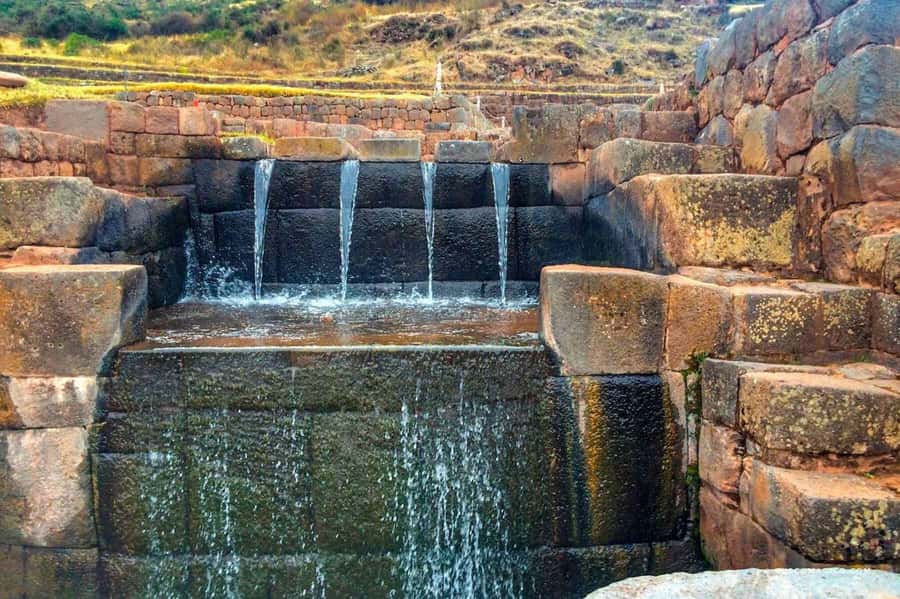
Tipón is the strongest stop for anyone interested in how the Inca managed water. The complex is known for its agricultural terraces and irrigation canals, and the guided visit lasts about 50 minutes.
You will see water moving through a carefully planned system rather than simply looking at dry ruins. Channels, fountains, and terraces show the level of control required to direct water across different heights. The site makes a good first stop because it gives you something easy to observe: the engineering is visible in the stonework and in the relationship between the terraces and watercourses.
I like Tipón because it feels practical. The site helps explain how agriculture could function in the highlands, where water management was not a minor concern. Your guide can also place the site within the wider Inca world, although the quality of the explanation depends on the guide’s command of English or Spanish.
The visit is not especially long. Fifty minutes is enough to understand the main features, but not enough for a slow, detailed exploration of every terrace. Wear shoes that feel secure and comfortable, since this is an archaeological complex rather than a polished museum.
Pikillacta: a short look at a pre-Inca city
After roughly 30 minutes on the bus, you reach Pikillacta, also spelled Pikillaqta in some references. The guided visit lasts about 50 minutes.
This is the stop that gives the tour its historical range. Pikillacta dates from the Wari culture, making it older than the Inca sites that attract most visitors around Cusco. Its broad remains help you picture a planned settlement from a period before Inca power dominated the Andes.
You should pay attention to the scale and arrangement of the site. Pikillacta is valuable not because every wall is perfectly preserved, but because the remains suggest an organized urban center with a clear connection to the wider Wari world.
The main drawback is time. A 50-minute visit can feel quick, especially if you want to inspect the site carefully or take many photographs. I would listen closely to the guide at the beginning, since a short explanation can help you understand what you are seeing before you walk around.
If Pikillacta is your main reason for booking, keep your expectations measured. This is a multi-stop outing, not a dedicated archaeological tour. You will see the site and get its historical setting, but you may wish for more time.
A completely different sort of day out from Cusco:
- From Cusco: Full-Day Group Tour of Machu Picchu
★ 4.7 · 1,767 reviews - Machu Picchu Day Trip from Cusco
★ 4.5 · 1,644 reviews - Cusco: Half-Day City Tour with Sacsayhuaman and Q’enco
★ 4.6 · 1,129 reviews - Cusco: Sacred Valley, Pisac, Ollantaytambo, Salt Mines Moray
★ 4.6 · 1,058 reviews
Andahuaylillas and its famous colonial church
The ride from Pikillacta to Andahuaylillas takes about 45 minutes. Here, the tour moves from pre-Inca urban planning to Spanish colonial religious art.
Andahuaylillas is home to the oldest colonial temple in South America, according to the tour description, and it is widely known by the nickname Sistine Chapel of South America. The church admission is not included and costs 18 soles.
This stop matters because it shows how the region changed after the arrival of the Spanish. The church’s fame comes from its interior decoration and artwork, not just its age. Your 45-minute guided visit gives you time to see the main features and understand why the building is treated as one of the region’s important colonial monuments.
The extra fee is modest, but you should budget for it. If you skip the admission, you will miss the central part of the Andahuaylillas visit. Carry cash, since the tour specifically advises doing so.
The church also gives the day a useful change of pace. After two outdoor archaeological sites, you get an indoor cultural stop. That variety helps keep the seven-hour schedule from feeling like a repetition of stone walls and terraces.
Lunch, Oropesa, and the stops you cannot fully predict
Meals are not included. The guide asks the group if it wants lunch, and if most people agree, the tour makes a one-hour lunch stop. That means the lunch plan is not fixed.
One meal option described for this route cost 25 soles for a typical Peruvian dish at a restaurant outside the main tourist route. That can be a fair price, but you should not assume the stop will happen or that the menu will suit you.
One practical warning is worth taking seriously: bring at least a sandwich or another snack. A stop to buy food may not always be available, and the scheduled lunch can depend on group preference. You do not want hunger to distract you during the archaeological visits.
The route may also include stops that are not part of the three main attractions. These can include a small presentation about Machu Picchu or a bakery in Oropesa. You might enjoy these additions, especially if you like local context and everyday places, but they can also feel like interruptions if your priority is more time at Pikillacta.
This is one reason to view the tour as a broad South Valley introduction rather than a tightly controlled museum-style excursion. The guide and group shape some of the day.
Guide quality and language
A professional guide is included, with tours offered in English and Spanish. Guide Bernabe has been praised for being especially friendly and kind, which can make a long group outing feel more personal.
Language clarity is important here. The sites are much easier to appreciate when the guide explains what separates Tipón from Pikillacta and why Andahuaylillas matters. One account found the guide’s English and Spanish somewhat difficult to follow, so you should allow for some variation.
If you understand both English and Spanish, you may find the bilingual format useful. If you rely on one language, pay attention to the meeting instructions and ask the guide to repeat anything important about timing or regrouping.
The tour is likely to suit you best if you enjoy a guided overview and want the main facts without arranging separate transport. It may be less satisfying if you prefer long periods alone at one archaeological site or expect a specialist-level lecture.
What the $20 price really includes
At $20, the base price is appealing. You receive central hotel pickup, tourist transport, and a professional guide. For a seven-hour route covering three significant stops, that is good basic value.
The price does not include the partial or general archaeological ticket. It also excludes the 18-sol admission to Andahuaylillas, meals, and travel insurance. Before booking, check the current archaeological ticket cost, since that charge can make a meaningful difference to your total budget.
I would compare the final cost with the convenience provided. You are paying not only for entry to the sites, but also for a vehicle, a route between places that are awkward to combine independently, and explanations in English or Spanish.
The value is strongest if you want an affordable introduction to the South Valley and do not mind a group schedule. It is weaker if you want included meals, extended time at each stop, or a private guide.
Who should book this South Valley outing
I would recommend it to first-time visitors who want to see more than Cusco’s historic center. It also suits anyone curious about Inca water systems, pre-Inca cultures, and colonial art in the same day.
The tour works well for budget-conscious visitors, since the main price is low and transport is included. It is also a good fit for people who prefer a planned route instead of working out several local connections on their own.
You should think twice if you use a wheelchair, since the experience is not suitable for wheelchair users. You may also want another option if you need a guaranteed lunch, dislike group decisions, or want to spend several hours at Pikillacta alone.
The cancellation policy is flexible: you can cancel up to 24 hours ahead for a full refund, and you can reserve now and pay later. Those terms are useful when your Cusco schedule is still shifting, but they do not change the extra cost of tickets and food.
Final verdict: a good-value history sampler
Book this tour if you want three different chapters of Cusco’s past for a modest fee. Tipón is the highlight for engineering, Pikillacta supplies the pre-Inca perspective, and Andahuaylillas adds a memorable colonial finish.
Go in knowing that the day has limits. Pikillacta may feel too brief, lunch is optional rather than included, and guide clarity can vary. Bring a snack, carry cash, budget for the 18-sol church fee and archaeological admission, and treat any bakery or Machu Picchu talk as an extra rather than a promised centerpiece.
For a low-cost, comfortable introduction to the South Valley, I think the balance is favorable. If your heart is set on detailed archaeology, arrange a longer or private visit to Pikillacta instead.
FAQ
How long does the South Valley tour last?
The tour lasts about seven hours and finishes at Plaza Kusipata around 4:00 p.m.
Where does the tour begin?
Pickup is available from central hotels around Cusco’s Plaza de Armas. Without pickup, the meeting point is the Mermaid Fountain in the Plaza de Armas.
Where does the tour finish?
The tour finishes at Plaza Kusipata.
What sites are visited?
The route visits Tipón, Pikillacta, and Andahuaylillas.
Is hotel pickup included?
Hotel pickup is included for central locations around the Plaza de Armas. You should wait in your hotel lobby if you select pickup.
What languages are available?
The live guide service is available in English and Spanish.
Is lunch included?
No. The guide asks the group if it wants lunch, and a one-hour lunch stop happens if most of the group agrees.
How much does admission to Andahuaylillas church cost?
Admission to the church costs 18 soles and is not included in the tour price.
Are archaeological entrance tickets included?
No. The partial or general archaeological ticket is not included.
Is the tour suitable for wheelchair users?
No. The activity is not suitable for wheelchair users.
What should I bring?
Bring your passport or identity card, comfortable clothing, and cash. A sandwich or snack is also a sensible choice because lunch is not guaranteed.
Just added around Cusco
- Cusco: Rainbow Mountain and viewpoint red valley ( optional)★ 4.8 · 3 reviews
- Montaña de Colores: tour en cuatrimotos día completo★ 3.3 · 3 reviews
- Tour Pallay Punchu Trek Full Day★ 4.2 · 3 reviews
- Excursion Cusco – Puno – Titicaca Observatory Train★ 5.0 · 3 reviews
- Cusco: Palcoyo Mountain Day Trip with Breakfast and Lunch★ 4.8 · 3 reviews
- Maras Moray★ 5.0 · 3 reviews
- Tour to Laguna Humantay with breakfast and lunch from Cusco★ 4.7 · 3 reviews
- From Cusco:Chinchero, Moray, Maras, Ollantaytambo with lunch★ 5.0 · 3 reviews
Cusco Tours, compared.
Humantay Lake Tour with Breakfast and Buffet Lunch
Read our review →
Sacred Valley & Maras Salt Mines Tour with Lunch
Read our review →
Moray, Maras Salt Mines & Chinchero Weavers Tour
Read our review →


Half-Day City Tour with Sacsayhuaman and Q’enco
Read our review →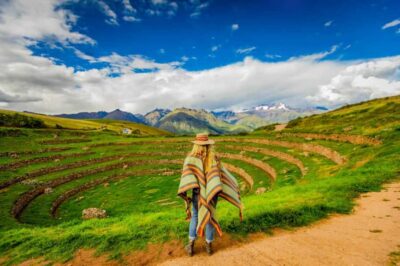
Sacred Valley, Pisac, Ollantaytambo, Salt Mines Moray
Read our review →