
Reviewed · TRUJILLO TOURS
Shore Excursion from Salaverry port
Ancient adobe tells the story here. This $80 shore excursion takes you from Salaverry port to the major archaeological sites around Trujillo, with a guide explaining the Moche and Chimú worlds as you go. I like the strong mix of sites, especially the contrast between the painted religious complex at Huaca de la Luna and the enormous adobe city of Chan Chan. I also like the small-group transport and direct return to the port. The main caution is that entrance fees, food, and drinks cost extra, and the schedule can run longer than the advertised five hours.
The tour is especially useful if you have only one port day and want more than a quick drive through town. Guides Alfredo and William received especially warm praise for clear English, good organization, and well-timed explanations. You should still keep an eye on your watch: a seven-hour version was reported, so anyone sailing on a tight schedule should confirm the plan before leaving the ship.
In This Review
- Key points to know before you go
- From Salaverry port to the Moche temples
- Huaca de la Luna, the Moche religious center
- The Huacas de Moche Museum adds the missing pieces
- Huaca Arcos Iris and the Chimú connection
- Chan Chan, the Chimú capital in adobe
- How the guides shape the experience
- Is $80 a fair price?
- Timing, comfort, and practical limits
- Who should choose this shore excursion?
- Should you book the Salaverry archaeological tour?
- FAQ
- Where does the tour meet?
- What time does the excursion begin?
- How long does the tour last?
- What sites are included?
- Is Chan Chan a UNESCO World Heritage Site?
- Are entrance fees included?
- What languages are available?
- What should I bring?
Key points to know before you go

- Three major archaeological stops: See Huaca de la Luna, the Huacas de Moche Museum, Huaca Arcos Iris, and Chan Chan in one outing.
- Moche and Chimú history together: The route connects the Moche temples, built centuries before Chan Chan, with the later Chimú capital.
- A guide makes the ruins readable: Alfredo and William were praised for clear, well-timed explanations rather than long, unfocused speeches.
- Easy port transport: You take the cruise ship shuttle to Salaverry Plaza, then look for the JD ADVENTURE sign.
- Good food may be possible afterward: One itinerary finished at a seaside restaurant with ceviche, though food is not included in the stated price.
- Plan for extra costs and time: Entrance fees are separate, and the outing may last longer than five hours.
From Salaverry port to the Moche temples
Your day begins at 8:30 a.m. from Salaverry port. Cruise passengers first take the ship’s shuttle bus to Salaverry Plaza, a ride of about 10 minutes. At the plaza, look for the JD ADVENTURE sign. The operator sends full meeting instructions about two days before arrival, and you need to provide your ship name, arrival and departure times, and a mobile number that works with WhatsApp.
That meeting arrangement matters. You are not simply walking off the ship and finding a van at the pier. The cruise shuttle is part of the process, so leave enough time to get off the ship, board that bus, and reach the plaza. Keep checking your email for changes to the departure time.
From there, a small group vehicle carries you toward the Huacas de Moche. Round-trip transport is included, which is a real benefit on a port day. You avoid arranging a taxi, negotiating a fare, or trying to judge how much time you need for the return drive.
The trip is aimed at archaeological sites rather than a long city tour. That makes the five-hour schedule useful, but also fairly full. You will be moving between several sites, so this is not the right choice if you want a slow morning at one ruin.
A few more Peru trips worth weighing up
- Trujillo Shore Excursion from Salaverry Port
★ 5.0 · 9 reviews - Lima: Shore excursion from the Port of Callao for Cruises
★ 4.3 · 10 reviews
Huaca de la Luna, the Moche religious center
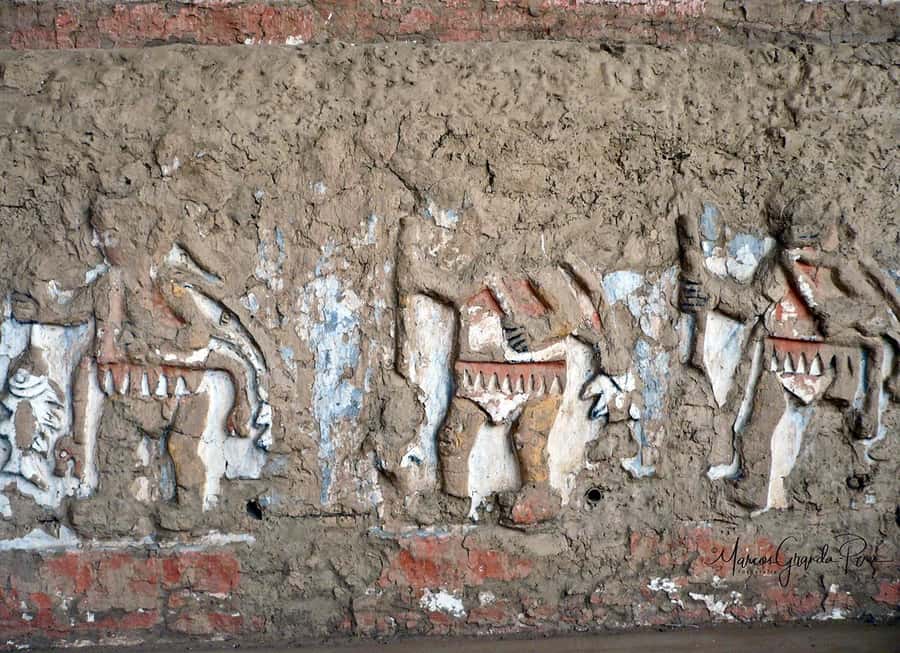
The first major stop is Huaca de la Luna, or the Temple of the Moon. It was built by the Moche, a culture that ruled this part of Peru long before the Chimú created Chan Chan.
The temple is an enormous adobe mound built in stages. Every century or so, the Moche sealed the remains of dead rulers into the structure and covered the older platform with a new one. Over roughly 700 years, the building grew into a huge stepped pyramid.
That building method gives you a useful way to read the site. You are not looking at one structure raised all at once. You are seeing layers of political and religious change, with each new platform hiding what came before it. A good guide can turn what first looks like a pile of sun-baked earth into a record of Moche leadership.
Huaca de la Luna served as a religious complex, unlike Huaca del Sol, which was used mainly as an administrative center. The distinction helps explain why the two temples were built near each other but had different roles.
The exact route through the site can vary, and the tour description does not give a detailed walking distance. Still, you should expect an outdoor archaeological visit in a dry setting, with uneven surfaces possible. Wear practical shoes, carry cash, and bring only what the operator allows. Backpacks are listed as not permitted.
The Moche sites are the most important part of the tour for anyone interested in early Andean civilizations. Chan Chan is larger and more famous, but Huaca de la Luna offers a more direct look at ritual life and the way the Moche built over earlier generations.
The Huacas de Moche Museum adds the missing pieces
After the temple area, you visit the Huacas de Moche Museum. This is an important stop, not a spare indoor extra. The museum holds ceramics, utensils, other artifacts, and tombs connected with the Moche sites.
At the ruins, you mainly see walls, platforms, and the shape of the temple. In the museum, objects give those structures a human scale. Ceramics and tools help you think about daily life, while the tombs connect the temple to the rulers and ceremonies that shaped its growth.
I like this combination because it keeps the visit from becoming a parade of adobe walls. You first see the massive ceremonial setting, then the museum gives you objects to help interpret it.
The museum also gives you a break from the outdoor heat, although no specific facilities or meal stop are promised at this point. Food and drinks are not included, so bring money for anything you want during the day.
Huaca Arcos Iris and the Chimú connection
The next archaeological stop is Huaca Arcos Iris, also called the Rainbow Temple or El Dragon. The Chimú built it around A.D. 1200, centuries after the first Moche temple construction.
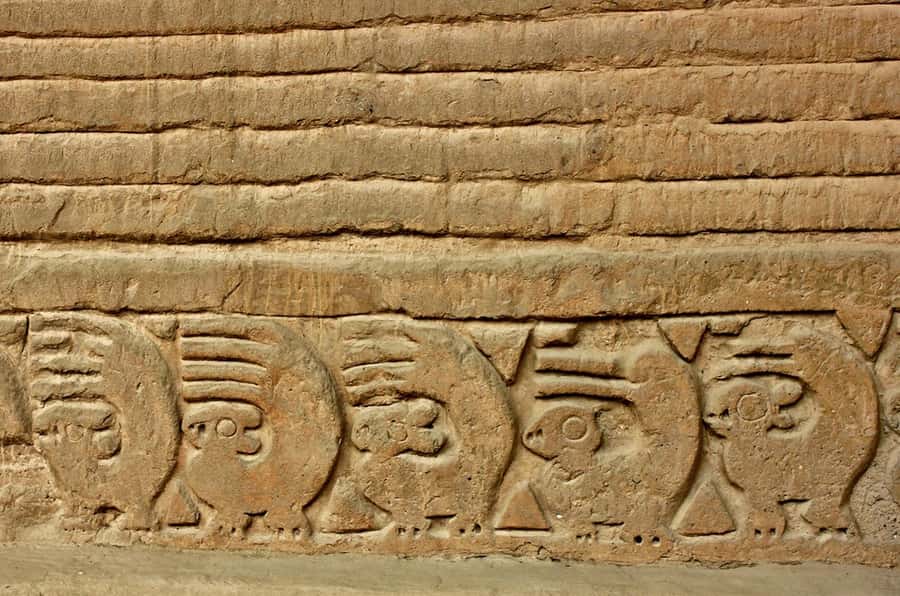
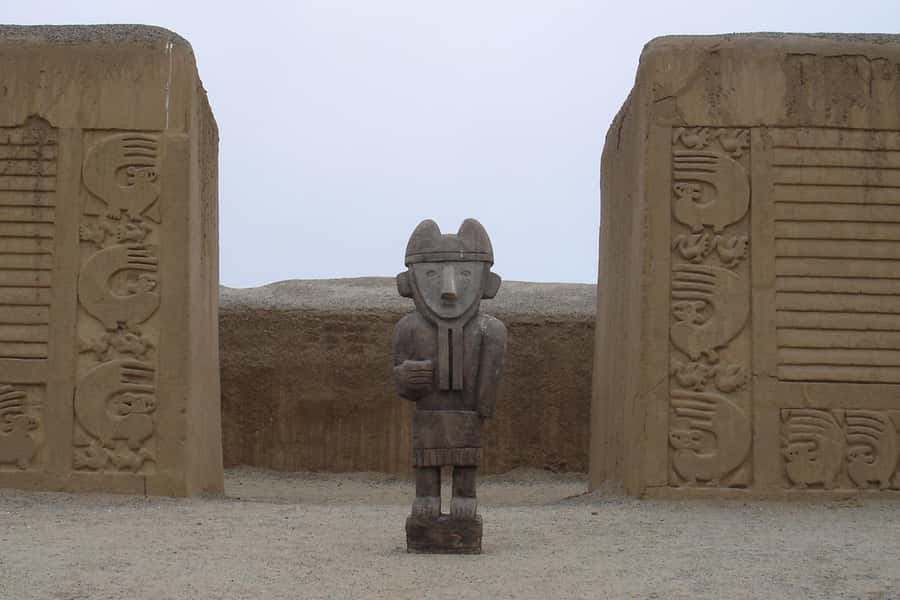
The site has two platforms with carved adobe panels and niches. These niches were once used to hold ritual objects. The carved designs provide a different visual experience from the huge stepped mass of Huaca de la Luna, so the stop adds variety to the route.
Local tradition identifies Huaca Arcos Iris as the home of Takaynamo, the mythical founder of Chan Chan. That story gives you a link between the smaller temple and the great Chimú capital you visit later. It also reminds you that archaeology and legend do not always tell the same kind of truth. The site can be read as a physical building, while the Takaynamo story belongs to the cultural memory surrounding it.
The two platforms should not be confused with a vast city complex. This is a shorter archaeological stop, but it earns its place because it introduces the Chimú before you reach Chan Chan. If your main interest is architecture, the carved panels and storage niches are the details to watch for.
A completely different sort of day out from Trujillo:
- Guided Tour of Historic and Monumental Trujillo
★ 5.0 · 930 reviews - Visit Trujillo Medieval Scene and Route of the Discoverers
★ 5.0 · 204 reviews - Guided tour in Trujillo at Sunset “El Collector de Atardeceres”
★ 5.0 · 88 reviews - Full Day Tour Huacas, Chan Chan & Huanchaco – Trujillo
★ 4.5 · 64 reviews
Chan Chan, the Chimú capital in adobe
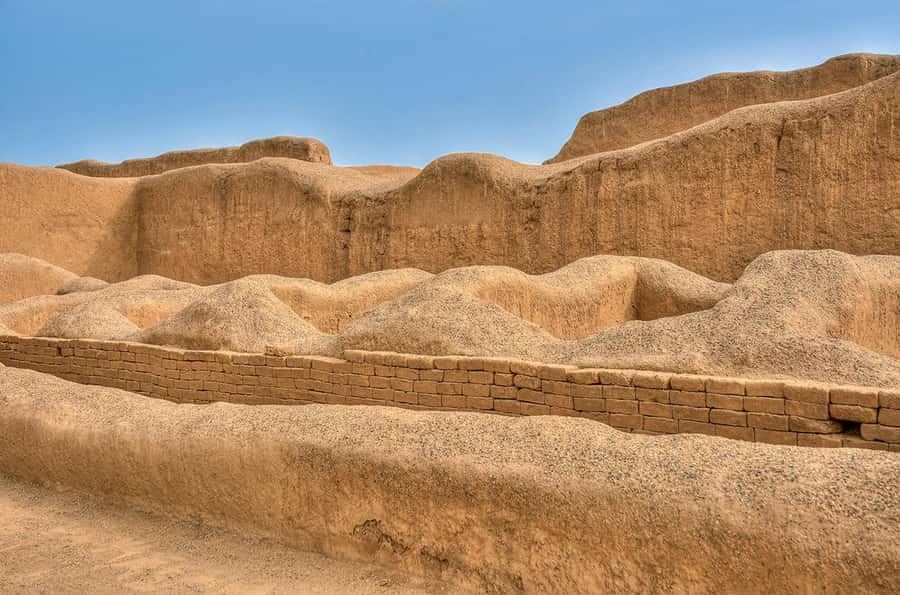
The final major stop is Chan Chan, the former capital of the Chimú empire. It was declared a UNESCO World Heritage Site in 1986 and is described as the largest pre-Columbian adobe city in the Americas.
The scale is the point. Chan Chan was not just a temple or palace. It was a city with courtyards, terraces, palaces, and gardens. Between 30,000 and 60,000 people are thought to have lived here.
You should expect a much broader setting than at Huaca Arcos Iris. The surviving walls and decorated spaces show how the Chimú organized royal and civic life in adobe. Courtyards and enclosed compounds make the city feel planned rather than scattered.
The contrast with the Moche temples gives the excursion a clear storyline. At Huaca de la Luna, you learn about a long-lived religious center built in layers. At Huaca Arcos Iris, you see Chimú decoration and ritual spaces. At Chan Chan, you encounter the urban power of the later Chimú state.
Do not expect every part of the ancient city to survive intact. Adobe is vulnerable, and archaeological complexes require ongoing protection. The appeal lies in the scale and layout of what remains, not in finding a perfectly preserved city at every turn.
Chan Chan can also be the point where the schedule feels tight. You are visiting several sites in one morning or early afternoon, and the tour must still get you back to Salaverry. If you want long periods to wander alone, this itinerary may feel brisk. If you want the main archaeological highlights in one port call, the structure works well.
How the guides shape the experience
The guide is particularly important here because these sites can look abstract without context. The strongest comments about the excursion praised Alfredo and William for being friendly, clear, and well organized. One especially useful detail was William’s habit of speaking at the right place and time instead of delivering long, unfocused speeches.
That is exactly the sort of guiding you want at archaeological sites. A short explanation beside a carved panel is more useful than a long lecture delivered before you know what to look for. Alfredo was also praised for his good English and for covering everything promised in the route.
English and Spanish guiding are available. You should provide a working WhatsApp number because the operator may need to contact you about meeting or departure details. The quality of your day will depend partly on the guide assigned, but the available feedback gives good reason to expect strong historical interpretation.
A guide can also help you keep the Moche and Chimú periods separate. Both cultures used adobe, and the desert setting can make the ruins blur together at first. The guide’s job is to point out the changes in purpose, decoration, architecture, and political power.
Is $80 a fair price?
At $80 per person, this is not the cheapest possible way to see Trujillo’s archaeological sites. But the price includes port pickup and return, a small-group vehicle, and an English or Spanish-speaking guide. On a cruise stop, those practical details have real value.
The alternative would be arranging separate transport from Salaverry, finding a guide, paying entrance fees, and managing the return yourself. That can cost less in some circumstances, but it also puts the ship connection in your hands. The excursion’s main value is control and convenience, not luxury.
You still need to budget for entrance fees because they are not included. Food and drinks are also extra. Bring cash, as specifically advised, and do not assume the $80 covers every expense during the day.
One excursion version ended at a restaurant where a traveler enjoyed ceviche with an ocean view. That sounds like a pleasant finish, but you should treat it as a possible part of the day rather than an included feature. The stated inclusions do not cover meals.
The price makes the most sense for cruise passengers who value a planned route and a dependable ride back to the port. If you already have private transport and only want one site, a different arrangement could offer more freedom.
Timing, comfort, and practical limits
The advertised duration is five hours, beginning at 8:30 a.m. However, one account describes spending seven hours on the outing. That difference is important. Shore excursions must respect the ship’s departure time, so you should confirm the exact schedule with JD ADVENTURE before arrival and keep checking your email for updates.
The tour is not recommended for pregnant women, people with mobility impairments, people with altitude sickness, people with pre-existing medical conditions, or people over 95 years old. The supplied information does not give a detailed accessibility plan, so you should not assume the archaeological areas are suitable for every mobility level.
Backpacks, pets, alcohol, and drugs are not allowed. Cash is listed among the things to bring. Since food and drinks are not included, ask for the current plan before departure if you need to buy refreshments during the route.
The small-group vehicle is a plus. It should make transfers less cumbersome than a large coach, though the exact group size is not provided. You will spend part of the day in transport, so the smaller format may also make it easier to hear the guide and ask questions.
Free cancellation is available up to 24 hours before the tour for a full refund, and you can reserve now and pay later. Those terms are useful when your cruise schedule is still subject to change, but they do not remove the need to provide accurate ship details.
Who should choose this shore excursion?
I would choose this tour if you want the main Moche and Chimú sites in a single outing. It suits you especially well if you enjoy archaeology but prefer a guide to explain what you are seeing rather than exploring large ruins without context.
It is also a good fit for a first visit to the Trujillo area. The route gives you a useful progression: temple, museum, smaller Chimú site, then major capital. You return with a sense of how two different cultures used adobe for religion, administration, ritual, and urban life.
You may want another option if you have limited mobility, need a very relaxed pace, or dislike scheduled sightseeing. The combination of several sites and a port return makes the timing important. I would also think twice if you are not comfortable paying entrance fees separately.
The tour received an overall rating of 4.5 from eight ratings, with especially strong praise for the guides, the variety of sites, and the organization. The most useful practical signal is that Alfredo and William were singled out for clear explanations and friendly service.
Should you book the Salaverry archaeological tour?
Book it if you want the broadest archaeological overview possible during a Salaverry port call and value transport arranged around your ship. Huaca de la Luna, the museum, Huaca Arcos Iris, and Chan Chan give you a strong range of sights for one day, and the guides appear to be one of the excursion’s best features.
Skip it if entrance fees, extra meal costs, or a potentially longer day would strain your plans. Before booking, send the operator your full ship schedule, confirm the departure and return timing, and ask what the final meeting instructions will be. For most cruise passengers with a reasonable amount of time in port, the combination of major sites and direct transport makes the $80 price sensible.
FAQ
Where does the tour meet?
After arriving at Salaverry port, take the cruise ship’s shuttle bus to Salaverry Plaza. The ride takes about 10 minutes. At the plaza, look for the JD ADVENTURE sign.
What time does the excursion begin?
The tour begins at 8:30 a.m. You should check your email for any departure-time updates before the excursion.
How long does the tour last?
The stated duration is five hours. One account describes a seven-hour day, so confirm the final timing with the operator and allow enough time for your ship’s departure.
What sites are included?
The route includes Huaca de la Luna, Huaca del Sol, the Huacas de Moche Museum, Huaca Arcos Iris, and Chan Chan.
Is Chan Chan a UNESCO World Heritage Site?
Yes. Chan Chan was declared a UNESCO World Heritage Site in 1986.
Are entrance fees included?
No. Entrance fees are not included in the $80 price. Food and drinks are also separate.
What languages are available?
The live guide service is available in English and Spanish.
What should I bring?
Bring cash and provide a valid mobile number that can be reached through WhatsApp. Backpacks, pets, alcohol, and drugs are not allowed.
Just added around Trujillo
- Trujillo: El Brujo Complex Archaeological Tour with Tickets★ 4.6 · 3 reviews
- Guided Tours Trujillo Essential★ 5.0 · 5 reviews
- From Trujillo: Temple of the Moon and Sun and Chan Chan★ 3.3 · 5 reviews
- From Trujillo: Complete full day tour with museums★ 5.0 · 5 reviews
- Guided Walking Tour in Trujillo Through the Centuries★ 4.5 · 8 reviews
- Pyramids of the Sun and the Moon, Huanchaco and Chan Chan★ 4.1 · 9 reviews
- Trujillo Shore Excursion from Salaverry Port★ 5.0 · 9 reviews
- Pyramids of the Sun and the Moon, Huanchaco and Chan Chan★ 4.8 · 11 reviews
Trujillo Tours, compared.
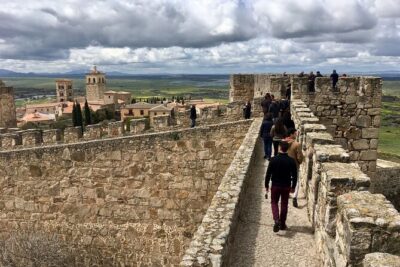
Guided Tour of Historic and Monumental Trujillo
Read our review →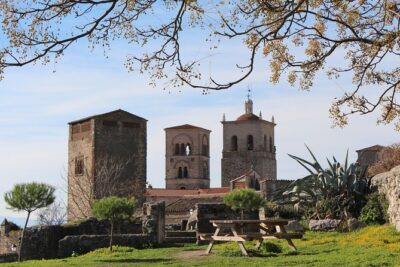
Visit Trujillo Medieval Scene and Route of the Discoverers
Read our review →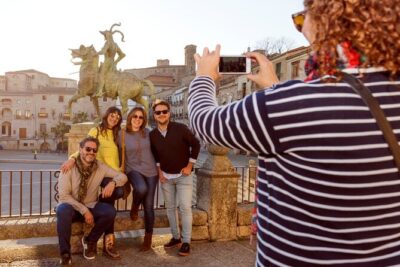
Guided tour in Trujillo at Sunset “El Collector de Atardeceres”
Read our review →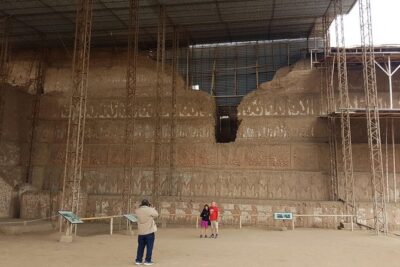
Full Day Tour Huacas, Chan Chan & Huanchaco – Trujillo
Read our review →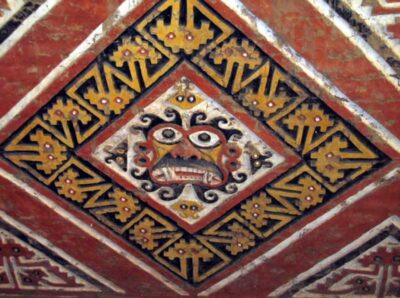
Pyramids of the Sun and the Moon, Huanchaco and Chan Chan
Read our review →Pyramids of the Sun and the Moon, Huanchaco and Chan Chan
Read our review →
Guided Walking Tour in Trujillo Through the Centuries
Read our review →Browse the lists this tour appears in