
Reviewed · SACRED VALLEY TOURS
Sacred Valley Vip Cusco
The Sacred Valley packs a lot into one day. This 12-hour small-group tour links five major sites around Cusco, from Chinchero’s Inca walls to the salt wells of Maras and the market at Pisac. It is a useful choice if you want a broad first look at the valley without arranging several separate outings.
I like the varied route, which moves from agriculture and salt production to churches, temples, stonework, and local handicrafts. I also like the small group of up to 10 people, since that should make it easier to hear the English or Spanish guide and keep the day moving. The main drawback is the long schedule: five stops in one day means some visits may feel brisk, and pickup coordination needs care.
One practical warning matters here. The advertised salt-mine fee is listed as 10 soles, but the actual charge was reported as 20 soles. Bring extra Peruvian currency and confirm which entrance costs are included before setting out.
In This Review
- Key points to know before booking
- Why this Sacred Valley route works in one day
- Chinchero begins the day with Inca stonework
- Moray’s circular terraces show Inca farming ingenuity
- Maras brings you to more than 3,000 salt wells
- Urubamba provides the day’s buffet lunch
- Ollantaytambo reveals a living Inca town
- Pisac combines an Indigenous market with Inca ruins
- What the 10-person group means for your day
- Timing, costs, and the real value of the tour
- Who should choose this full-day Sacred Valley tour?
- Should you book Sacred Valley Vip Cusco?
- FAQ
- How long is the Sacred Valley Vip Cusco tour?
- Which places does the tour visit?
- Is lunch included?
- What languages does the guide speak?
- How large is the tour group?
- What can I see in Chinchero?
- How many salt wells are at Maras?
- Is the Maras salt-mine entrance fee included?
- Can I cancel the tour for a refund?
Key points to know before booking
- Five major stops in 12 hours: Chinchero, Moray, Maras, Ollantaytambo, and Pisac all fit into one full day.
- Small-group format: The group is limited to 10 participants, with live guiding in English or Spanish.
- A 7:00 am start and 7:00 pm return: This is a full day, not a relaxed half-day outing.
- Moray and Maras offer the most unusual sights: One features circular Inca terraces, the other more than 3,000 salt wells.
- Pisac combines shopping and archaeology: You get time at the Indigenous market and the archaeological park.
- Budget for a possible 20-sol salt fee: The listed amount may not match the charge at the site.
Why this Sacred Valley route works in one day
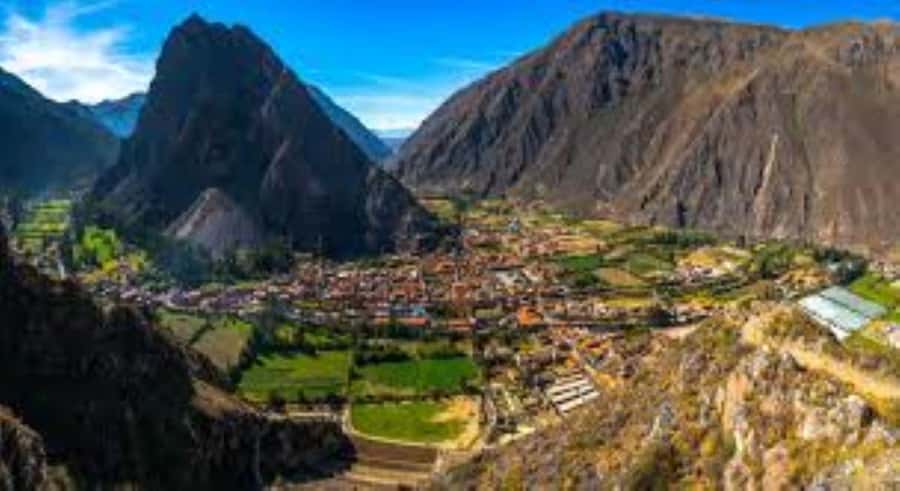
The route succeeds because each stop gives you something different. You are not looking at five similar ruins. Instead, the day covers an Inca agricultural site, a working salt-producing area, an old town, a market, stone buildings, a colonial church, and a textile center.
That variety helps you understand how the Sacred Valley supported daily life. Moray points to farming experiments, Maras shows salt production, and Ollantaytambo and Pisac focus on construction and settlement. Chinchero adds colonial and textile traditions to the picture.
The tradeoff is pace. The tour begins at 7:00 am and returns to Cusco around 7:00 pm, so you should expect a full day on the road. If you want long photo stops, slow meals, or detailed exploration at every ruin, a private tour or a two-day plan may suit you better.
For a first visit, though, the route has real value. You cover the valley’s best-known stops in one outing, with lunch included at a buffet in Urubamba. The small group size is also more appealing than a large coach, especially on a day with several scheduled departures and site visits.
More Sacred Valley Tours in Cusco
- From Cusco: Sacred Valley & Maras Salt Mines Tour with Lunch
★ 4.8 · 2,227 reviews - From Cusco: Moray, Maras Salt Mines & Chinchero Weavers Tour
★ 4.8 · 1,925 reviews - Cusco: Sacred Valley, Pisac, Ollantaytambo, Salt Mines Moray
★ 4.6 · 1,058 reviews
Chinchero begins the day with Inca stonework
The first stop is Chinchero, where the focus is on Inca wall construction and a historic colonial church. This pairing is important because it shows two layers of the town in one place: the precise stonework of the Inca period and the later colonial presence.
Pay attention to the masonry rather than rushing straight to photographs. The walls are one of the clearest reasons Chinchero belongs on the route. The colonial church adds a different kind of interest, giving the visit more range than a ruin-only stop.
The tour also includes a textile center. This gives you a chance to see the local craft side of the Sacred Valley and look for handmade goods. If you are considering a purchase, take your time comparing colors, patterns, and workmanship. The market element is part of the appeal, but you should still buy only what you genuinely want to carry home.
Chinchero is an early stop, which helps the day start with culture rather than a quick drive to a viewpoint. Still, because five sites are scheduled, you should not assume you will have unlimited time at the church, walls, and textile center.
Moray’s circular terraces show Inca farming ingenuity
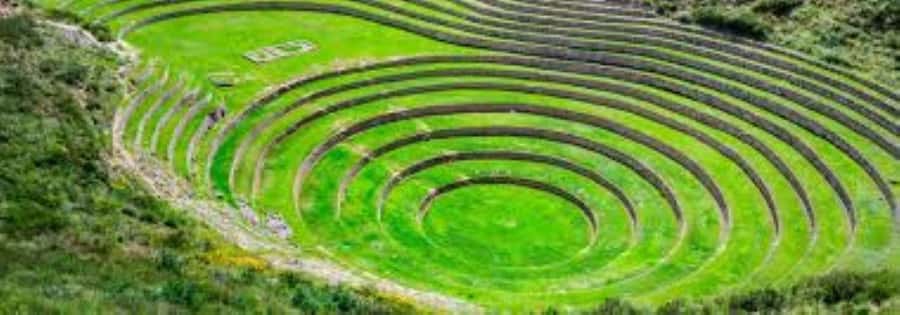
Moray is likely to be one of the most memorable stops. Its circular terraces form a series of large rings cut into the ground, creating an agricultural site associated with the Incas.
The shape alone makes Moray different from the usual straight terraces seen elsewhere in the Andes. From above, the circles are easy to understand. At ground level, the scale becomes clearer, and the changing levels give the site a strong sense of design.
The value here is not only visual. Moray helps explain that Inca engineering was tied to food production as well as temples and roads. Your guide can place the terraces in the wider story of Inca agriculture, while you take in the unusual form of the site.
Moray is also a stop where timing matters. A short visit can still give you the main view and the basic explanation, but you may want more time if you enjoy photography or archaeological details. Since the itinerary continues to Maras, Urubamba, Ollantaytambo, and Pisac, keep an eye on the meeting time.
Maras brings you to more than 3,000 salt wells
After Moray, the route descends toward Maras and its salt mines. More than 3,000 salt wells spread across the area, creating one of the most distinctive sights on the day.
The salt works are interesting because they connect the scenery to an ongoing form of production. The site was historically used by the Incas, so this is not just another set of old walls. You are seeing an area shaped by the collection and evaporation of salt.
This stop deserves a clear budget note. One booking detail lists the salt admission as 10 soles, but a verified booking reported paying 20 soles. Since the information is inconsistent, I would plan for the higher amount. Confirming the fee with the guide or operator at the start of the day can prevent an awkward surprise.
Maras also adds texture to the route. Moray is geometric and monumental, while the salt wells create a more delicate pattern across the hillside. Together, the two stops make a strong middle section of the tour.
More of the Sacred Valley in a day:
- Cusco:Chinchero,Moray & Salt Mines drop-off in Ollantaytambo
★ 4.8 · 793 reviews - Sacred Valley: Chinchero, Moray, Ollantaytambo & Pisac+Lunch
★ 4.8 · 501 reviews - Sacred Valley: Maras & Moray by Quad Bike from Cusco
★ 4.6 · 418 reviews - Pisac Indian Market and Ollantaytambo Fortress with Lunch
★ 4.5 · 395 reviews
Urubamba provides the day’s buffet lunch
The tour includes a buffet lunch in Urubamba before the afternoon visits. That is useful on a 12-hour outing because you do not need to arrange a separate meal while moving between sites.
A buffet also gives you some choice, though the available dishes are not specified. I would treat lunch as a practical pause rather than the main reason to book the tour. Its real benefit is keeping the schedule simple and giving you time to reset before the longer afternoon portion.
Urubamba sits in the middle of the route, so the timing makes sense. You have already visited Chinchero, Moray, and Maras, and you still have Ollantaytambo and Pisac ahead. Since the day is tightly packed, keep lunch moving at a reasonable pace.
Ollantaytambo reveals a living Inca town
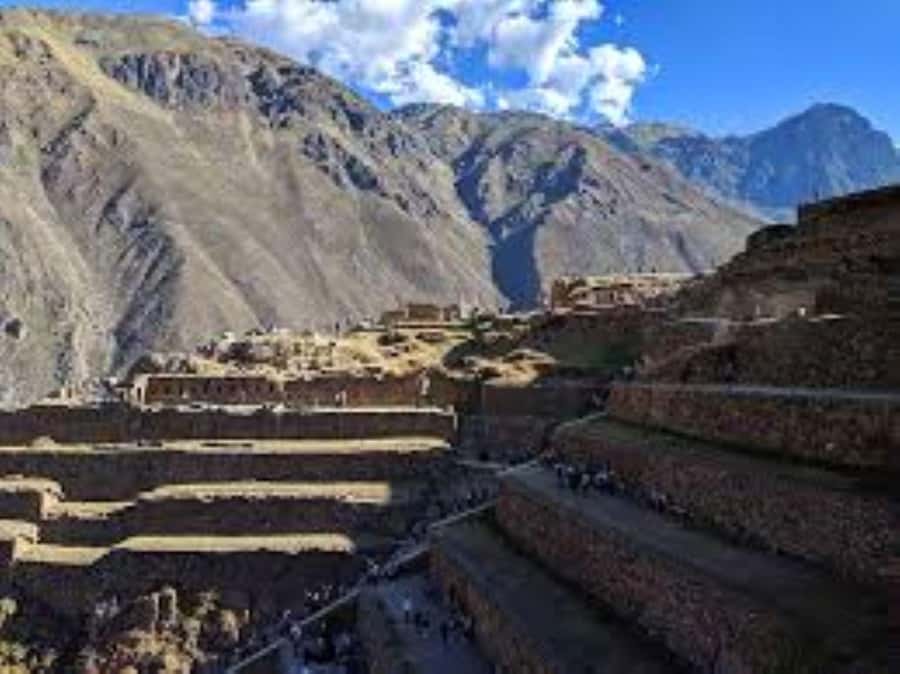
The next major stop is Ollantaytambo, known as the Last Living Inca City. The name points to the town’s continuing connection with its Inca layout and stone construction.
This is an especially useful stop for anyone who wants more than isolated ruins. The town itself forms part of the experience, and the stone buildings help you see how Inca planning worked in an inhabited setting. Take time to notice the construction details, not just the broad views.
Ollantaytambo also has a strong place in a Sacred Valley itinerary because it connects archaeology with a real town. The visit can feel more grounded than walking through a site that exists only as a monument.
The schedule may limit how much you can explore. If you want to wander every street or spend a long time studying the ruins, you may find the stop too short. On the other hand, including Ollantaytambo in the same day saves you from choosing between it and the other four locations.
Pisac combines an Indigenous market with Inca ruins
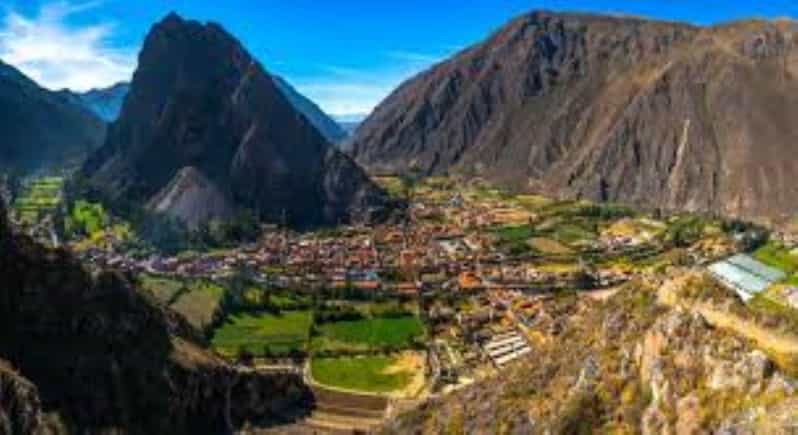
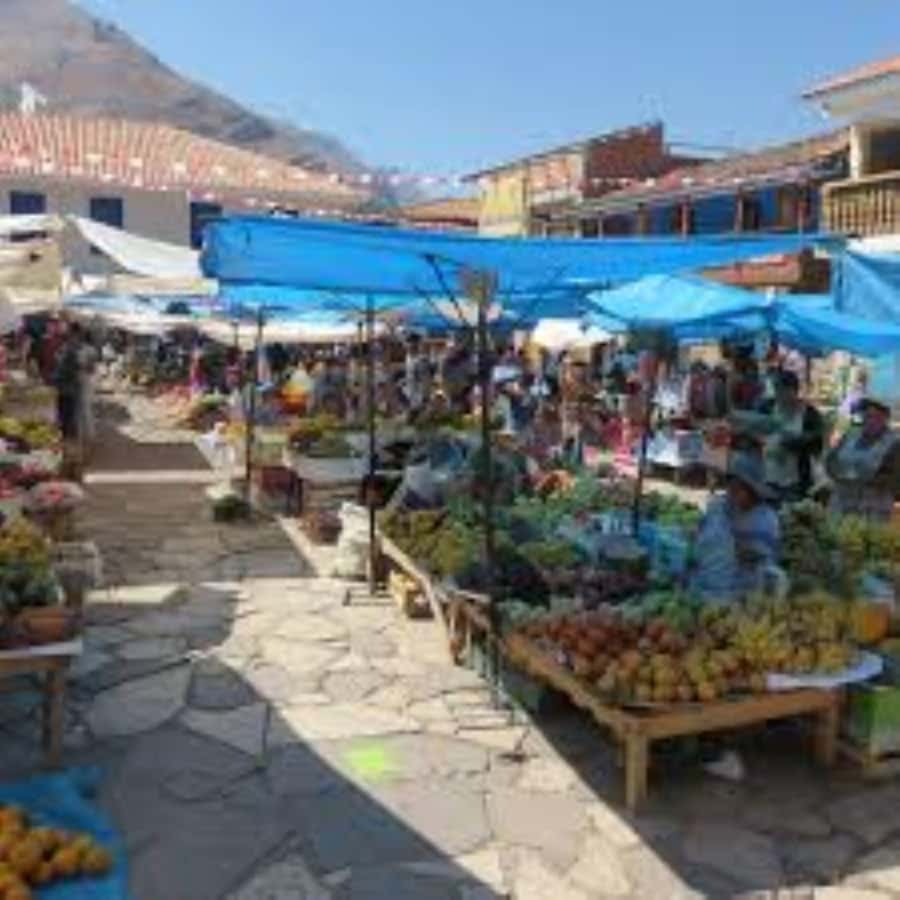
Pisac is the final major area, and it gives the day two distinct experiences. First comes the Indigenous market, where you can shop for handicrafts. Then you visit the Archaeological Park of Pisac, with its finely crafted Inca stone buildings.
The market is a good place to look for a small souvenir because it is built into the route rather than added as an afterthought. You will find the strongest value by comparing items and taking a moment before buying. A busy market can make every object seem urgent. It rarely is.
Pisac sits on the slopes of Intihuatana hill, which gives the town and archaeological area a strong setting. The park’s stonework is the serious archaeological stop, while the market brings a more direct connection to local commerce and crafts.
This final section can feel demanding after a long day. You have already been out since early morning, so energy may be lower by the time you reach Pisac. Still, the combination is well judged. The market offers a change of pace before the final look at the Inca buildings.
What the 10-person group means for your day
The group is limited to 10 participants, with a live guide in English or Spanish. That size should make explanations easier to follow than on a large bus, especially at Chinchero, Moray, and Pisac, where the guide’s context adds value.
A small group can also make departures and meeting points easier to manage, though the pickup process deserves attention. One booking reported that agency coordination for pickups could be improved. I would watch your messages closely and confirm the meeting point and pickup time before the morning of departure.
The provider is Uyuni Experience EIRL. No guide name is supplied, so you should not expect a particular guide unless the operator confirms one directly.
The bilingual format is helpful if your group includes English and Spanish speakers. If you need detailed explanations in one specific language, confirm that preference when booking.
Timing, costs, and the real value of the tour
The 7:00 am start and return around 7:00 pm create a clear bargain in time. You visit five major locations, receive guiding, and have a buffet lunch arranged in Urubamba. The exact tour price is not provided here, so I cannot judge it against a fixed amount.
I can judge the structure. The tour offers good value if your priority is coverage. You avoid piecing together separate transport to Chinchero, Moray, Maras, Ollantaytambo, and Pisac, and you have one guide connecting the stops.
The value is weaker if you prefer slow travel. Five sites in one day means you will spend a fair portion of the day moving between places. You may also have limited time for shopping, photography, and careful archaeological study.
The salt fee is the key extra-cost warning. Plan for 20 soles rather than 10 until the operator confirms otherwise. Keep some additional soles available for that charge and for any handicrafts you decide to buy.
Flexible booking terms add practical value. You can cancel up to 24 hours ahead for a full refund, and you can reserve now and pay later. Those terms help if your Cusco plans are still changing, but they do not remove the need to verify pickup details.
Who should choose this full-day Sacred Valley tour?
I would recommend it to someone visiting Cusco for the first time who wants a broad introduction to the Sacred Valley. It suits you if you like variety, want guided context, and prefer one organized day over several transport decisions.
It also fits shoppers who want time at a textile center and the Pisac market, as long as shopping is one part of the day rather than the main goal. History fans will appreciate the mix of Inca walls, terraces, salt works, living stone architecture, and archaeological buildings.
I would be more cautious if you dislike early starts or long touring days. Families and older visitors should consider how comfortable they are with a 12-hour schedule, though the provided information does not specify walking distances or accessibility details.
If Ollantaytambo matters most to you, a separate visit may allow more time there. If you want the best overview in one day, this route makes a strong case for itself.
Should you book Sacred Valley Vip Cusco?
Book this tour if you want to see all five headline stops in one carefully ordered day and you value a small group. Chinchero, Moray, Maras, Ollantaytambo, and Pisac offer enough variety to keep the route interesting from morning to evening.
Skip it, or choose a slower private plan, if you want extended time at each archaeological site or dislike a tightly managed schedule. Before paying, confirm the pickup arrangement, the language of guiding, and the Maras admission fee.
With a 4.7 rating from three reviews, the available feedback is positive but limited. The strongest praise centers on the history and beautiful scenery, while the main cautions are pickup coordination and the higher-than-listed salt fee. For an efficient first look at the Sacred Valley, that is a reasonable trade.
FAQ
How long is the Sacred Valley Vip Cusco tour?
The tour lasts 12 hours. It begins at 7:00 am and returns to Cusco around 7:00 pm.
Which places does the tour visit?
The route includes Chinchero, Moray, the Maras Salt Mines, Ollantaytambo, and Pisac.
Is lunch included?
Yes. The tour includes a buffet lunch in Urubamba.
What languages does the guide speak?
Live guiding is available in English and Spanish.
How large is the tour group?
The tour is a small-group experience limited to 10 participants.
What can I see in Chinchero?
You can see Inca wall constructions, a historic colonial church, and a textile center.
How many salt wells are at Maras?
The Maras Salt Mines have more than 3,000 salt wells.
Is the Maras salt-mine entrance fee included?
The provided information does not clearly confirm that it is included. One listed amount is 10 soles, while a reported charge was 20 soles, so you should confirm the current fee and carry enough cash.
Can I cancel the tour for a refund?
Yes. You can cancel up to 24 hours in advance for a full refund. You can also reserve now and pay later.
Just added around Cusco
- Cusco: Rainbow Mountain and viewpoint red valley ( optional)★ 4.8 · 3 reviews
- Tour Pallay Punchu Trek Full Day★ 4.2 · 3 reviews
- Montaña de Colores: tour en cuatrimotos día completo★ 3.3 · 3 reviews
- Excursion Cusco – Puno – Titicaca Observatory Train★ 5.0 · 3 reviews
- Cusco: Palcoyo Mountain Day Trip with Breakfast and Lunch★ 4.8 · 3 reviews
- Maras Moray★ 5.0 · 3 reviews
- Tour to Laguna Humantay with breakfast and lunch from Cusco★ 4.7 · 3 reviews
- From Cusco:Chinchero, Moray, Maras, Ollantaytambo with lunch★ 5.0 · 3 reviews
Sacred Valley Tours, compared.
Sacred Valley & Maras Salt Mines Tour with Lunch
Read our review →
Moray, Maras Salt Mines & Chinchero Weavers Tour
Read our review →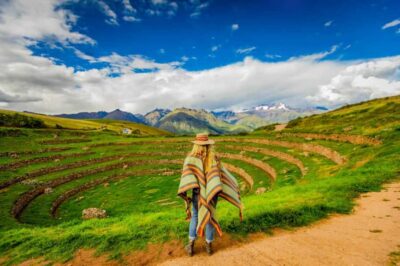
Sacred Valley, Pisac, Ollantaytambo, Salt Mines Moray
Read our review →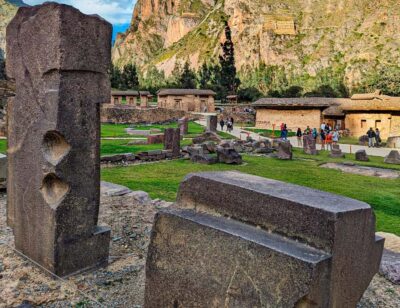
Chinchero,Moray & Salt Mines drop-off in Ollantaytambo
Read our review →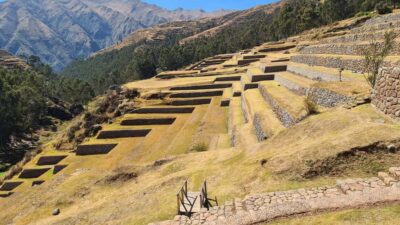
Sacred Valley: Chinchero, Moray, Ollantaytambo & Pisac+Lunch
Read our review →
Sacred Valley: Maras & Moray by Quad Bike from Cusco
Read our review →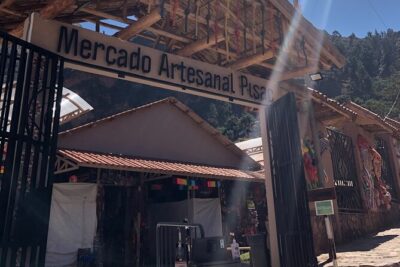
Pisac Indian Market and Ollantaytambo Fortress with Lunch
Read our review →
2-Day Trip to the Sacred Valley and Machu Picchu
Read our review →Browse the lists this tour appears in