
Reviewed · NAZCA LINES FLIGHTS
Nazca: Overflight of the Nazca Lines
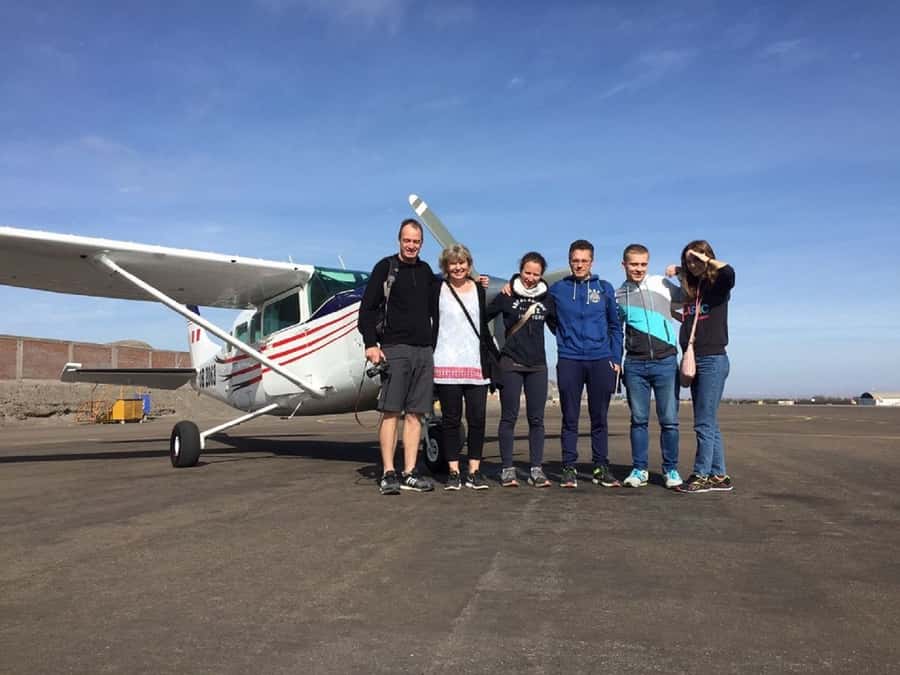
The desert reveals its secrets from above. This small-plane flight gives you a rare view of the Nazca Lines, including the monkey, hummingbird, condor, spider, and astronaut, while a guide explains the Nazca culture and the theories behind these enormous drawings. I especially like the panoramic window view for every passenger and the small aircraft, limited to six passengers. The main drawback is the extra air tax, which adds about $25 in cash to the advertised $129 price.
You should also prepare for a busy airport process and possible motion sickness. The flight itself lasts about 35 minutes on the standard option, but check-in and safety procedures take roughly 45 minutes. The plane banks sharply so you can see the figures, which is excellent for sightseeing but not ideal if you are sensitive to movement.
In This Review
- Key points to know before you book
- From central Nazca to María Reiche Aerodrome
- Why the Nazca Lines are so remarkable
- The 35-minute route and its 13 figures
- The one-hour Nazca and Palpa flight
- What the guide and airport staff add
- The true cost at $129 per person
- Timing, weather, and the airport wait
- What I like, and what gives me pause
- Should you book the Nazca Lines overflight?
- FAQ
- How long does the Nazca Lines overflight last?
- What figures can I see on the 35-minute flight?
- What is included in the activity?
- Is the air tax included in the price?
- Where does pickup take place?
- What languages are available?
- How many passengers fit in the aircraft?
- What should I bring?
Key points to know before you book
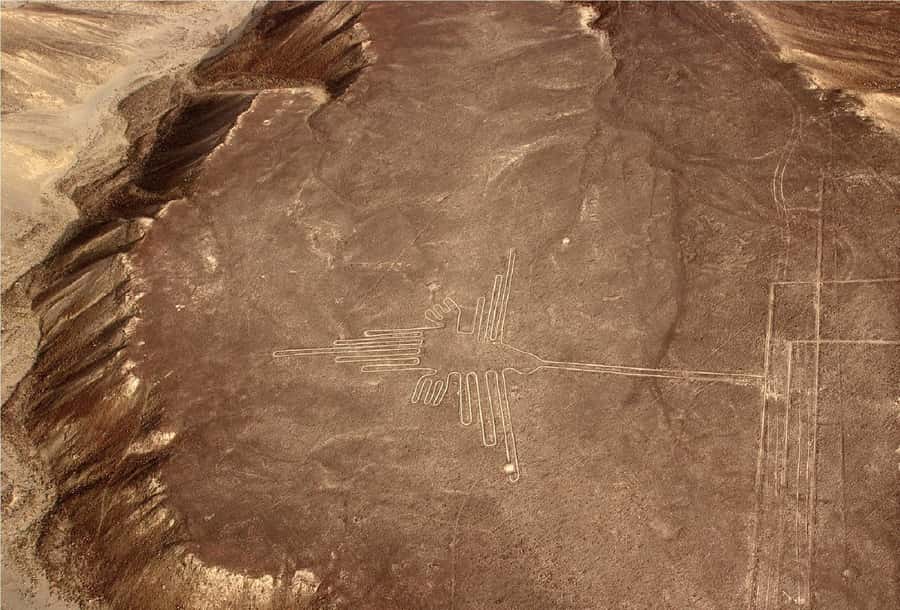
- You see 13 famous figures on the 35-minute flight: The route includes the whale, dog, monkey, astronaut, condor, compass, spider, hummingbird, parrot, tree, hand, albatross, and trapezoids.
- The aircraft carries only six passengers: Two pilots and six passengers share the plane, giving each person a panoramic view.
- The advertised price is not the final price: Expect to pay about S/. 77, or $25, in cash for air taxes before boarding.
- Nazca airport procedures take about 45 minutes: The actual flight is short, but transfers, documents, safety steps, and waiting time make this a larger part of your day.
- The one-hour option needs at least four people: This longer flight adds 21 figures over the Nazca and Palpa plains.
- Bring motion-sickness medicine if you need it: Looking down, taking photographs, and repeated turns can catch you by surprise, even if you usually feel fine in vehicles.
From central Nazca to María Reiche Aerodrome
Your day begins with a pickup at a hotel in central Nazca or at the bus terminal. The shared transfer to María Reiche Aerodrome takes about 12 minutes, followed by a return transfer of roughly 10 minutes after the flight.
That short road transfer is useful if you arrive in Nazca by bus and do not want to arrange a separate taxi. It also keeps the experience simple if your plan is to fly and continue to another destination. Transfers from hotels outside central Nazca are not included, so check your location before booking.
At the aerodrome, allow more time than the short flight length suggests. The required procedure takes about 45 minutes. This includes the necessary airport process and safety briefing, along with preparation for boarding. The exact flight schedule can depend on weather and the order of arrival, with flights operating between 9 a.m. and 4 p.m.
This system can feel rushed or disorganized at busy times. One strong rating specifically described the experience as funny and impressive but also hectic and chaotic. That is useful advice: keep your passport and cash ready, expect some waiting, and avoid planning a tight connection immediately after the flight.
You receive a documentary about the Nazca Lines, a flight certificate, and a map of the figures. These extras are modest, but the map is handy because it helps you match what you see in the air with the names of the drawings.
More Nazca Lines overflights:
- From Nazca: 35-Minute Flight Over Nazca Lines
★ 4.6 · 583 reviews - Fly Over the Nazca Lines with the Experts
★ 4.5 · 48 reviews - From Nazca: Cahuachi Pyramids Tour and Textile Workshop
★ 4.8 · 21 reviews
Why the Nazca Lines are so remarkable
The Nazca Lines cover desert plains between Nazca and Palpa, about 447 kilometers from Lima. This is one of the driest parts of the world, and that dry climate helped preserve the designs for centuries.
The first known reference to the lines dates to 1547. Peruvian archaeologist Toribio Mejía Xesspe identified them in 1927, and German archaeologist Maria Reiche spent much of her life studying and protecting them after 1946. Her theory was that the lines formed a giant solar and lunar calendar used by ancient astronomers.
The purpose is still uncertain. Some ideas connect the figures to religious ceremonies, water, astronomy, or gods believed to view the drawings from the sky. More fanciful theories involve visitors from other worlds. The flight does not solve the mystery, but seeing the scale of the work makes the question far more interesting.
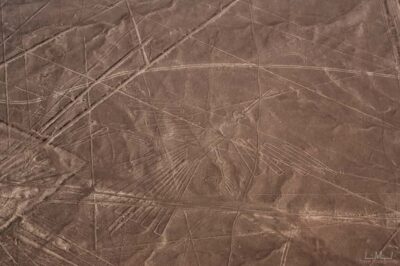
From ground level, many of the drawings are hard to recognize. From the air, the shapes come together. You can see how straight lines stretch across the desert and how some figures are formed by clearing away dark surface stones to expose lighter ground underneath.
The lines belong to the Nazca culture, which developed between the first and seventh centuries AD. This society was skilled in polychrome ceramics, textiles, and metalwork. At Cahuachi, in the Nazca River valley, the culture built a major ceremonial center. Their aqueduct system also allowed them to farm in a very dry region.
A flight is therefore more than a strange collection of giant animals. It gives you a brief look at the technical skill, belief systems, and planning of an ancient society that worked on a huge scale.
The 35-minute route and its 13 figures
The standard overflight lasts about 35 minutes and passes over 13 main figures. The route is designed to show the best-known drawings in a short time, making it the practical choice for most people.
You can expect to see:
- The whale
- The trapezoids
- The dog
- The astronaut
- The monkey
- The condor
- The compass
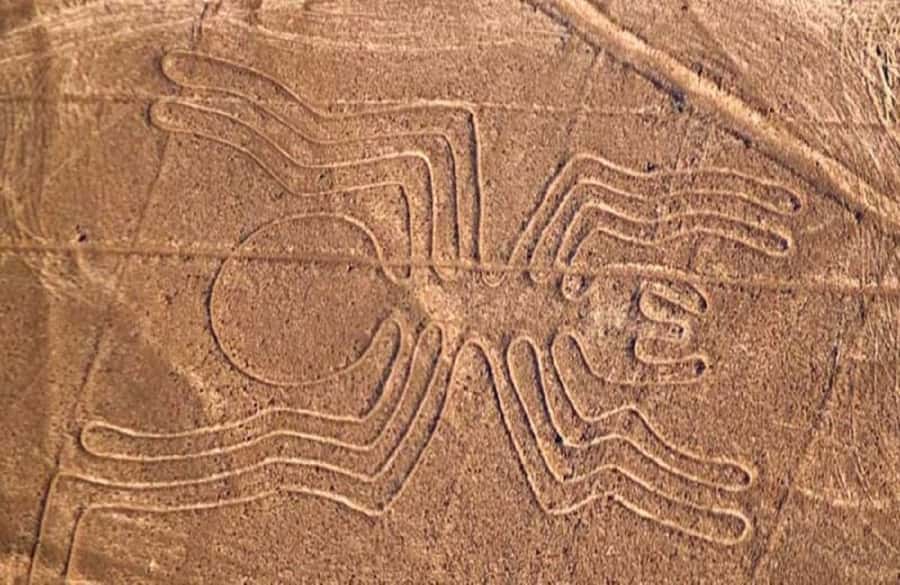
- The spider
- The hummingbird
- The parrot
- The tree
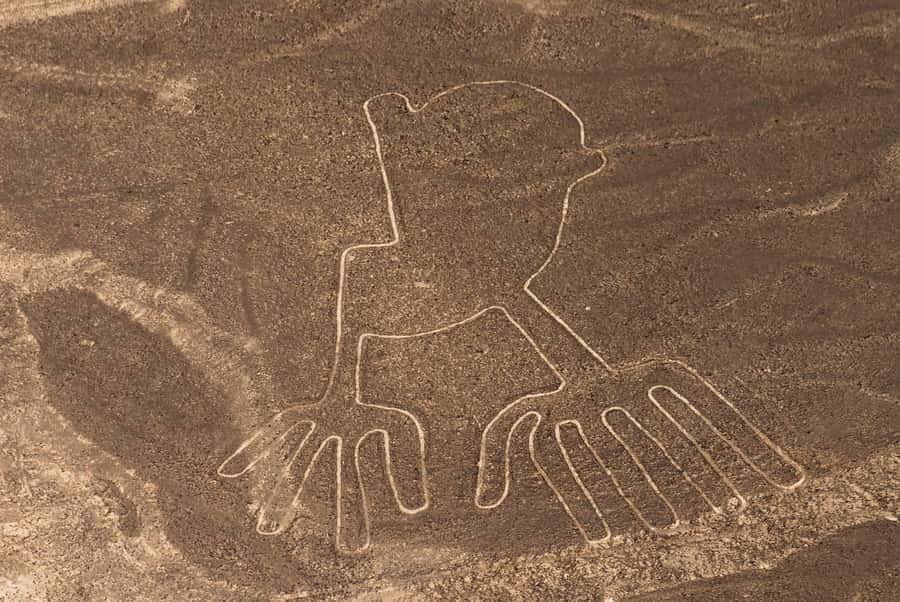
- The hand
- The albatross
Some shapes are easier to identify than others. The monkey and hummingbird are among the most memorable because their outlines are large and distinctive. The spider, condor, and tree also reward careful attention, while the trapezoids and compass-like forms show how geometric parts of the site fit beside the animals.
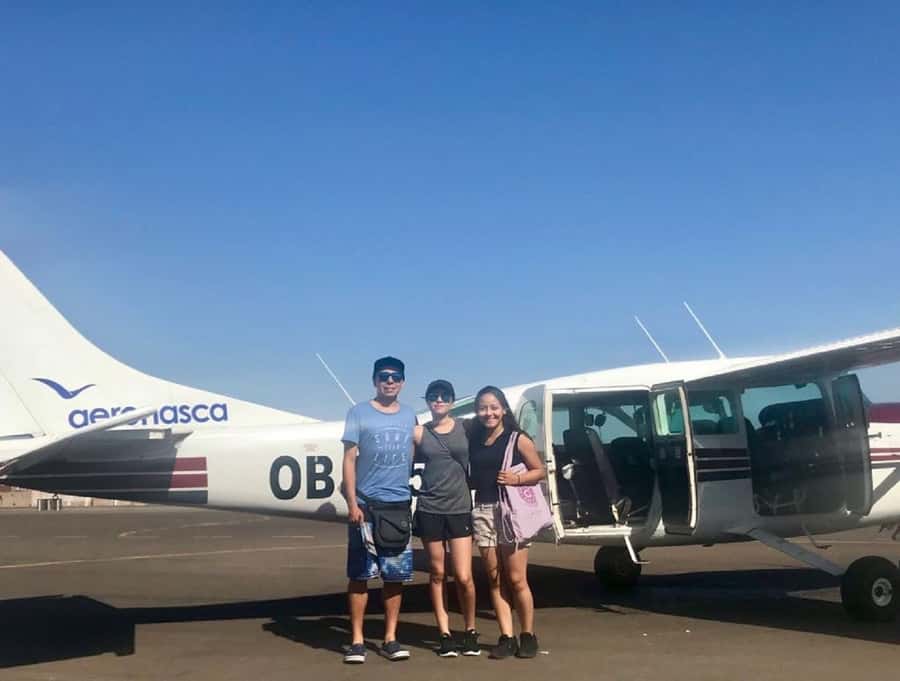
The aircraft has eight seats in total, including two pilots and six passengers. Each passenger is promised a panoramic view, which matters here. You do not want to spend the flight looking at someone else’s shoulder or trying to lean across a narrow aisle.
The plane banks from side to side so passengers can see the figures below. This arrangement improves visibility, but it also creates the main physical challenge of the experience. A Japanese visitor described becoming motion sick during the final five minutes after taking photographs and concentrating on the views, despite normally having no trouble with transport.
I suggest bringing motion-sickness tablets if you are at all prone to nausea. Eat lightly, keep your camera use under control, and look toward the horizon when possible. Sunscreen and a hat are also sensible items for the bright desert setting. You should bring your passport and cash as well.
The one-hour Nazca and Palpa flight
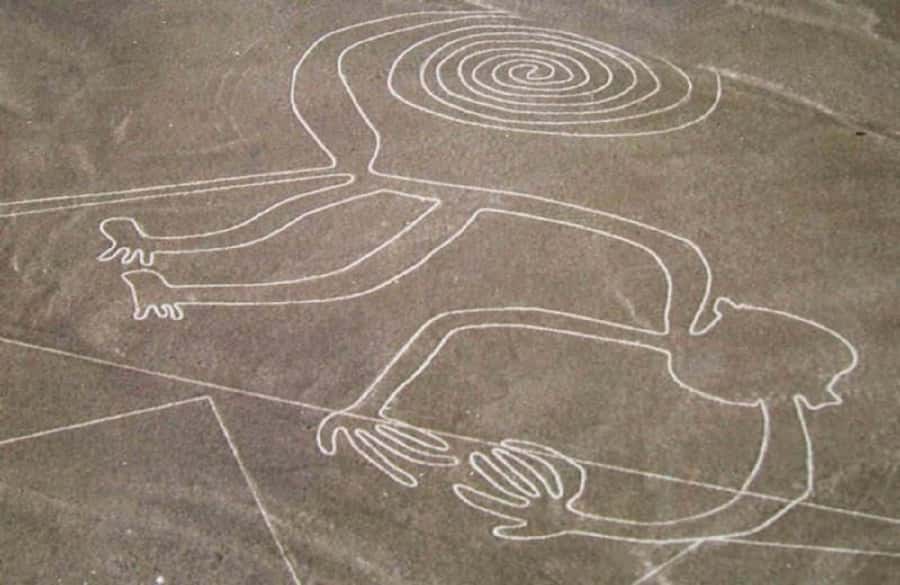
The longer flight requires at least four people and adds the Palpa plains to the route. Instead of seeing 13 figures, you can see 21, including the Nazca figures followed by additional designs such as the heron, crane, pelican, seagull, snail, llamas, iguana, lizard, snakes, and several birds.
This option makes sense if the lines are a major reason for your visit and you want more than the core set of famous figures. The extra time also gives you a wider view of the desert plains between Nazca and Palpa, along with newer lines that have been discovered in the Palpa area.
The tradeoff is availability. The one-hour flight cannot simply operate for one or two people, since four participants are required. The 30-minute flight also has a minimum of two people for departures starting at 1 p.m.
If you are choosing between the two options, I would pick the 35-minute flight for a first visit when your schedule is tight. It covers the signature figures and may be enough if you mainly want to see the famous monkey, hummingbird, spider, and condor.
Choose the one-hour flight if you have a strong interest in archaeology, want to see more of the Palpa area, or have enough flexibility to wait for the required group size. The longer route offers more content, but it also means more time in a plane that can make you feel unwell.
A few more Peru trips worth weighing up
- From Nazca: Chauchilla Cemetery Tour and Artisans Workshop
★ 4.9 · 20 reviews - From Ica: Flight over the Nazca Lines
★ 3.0 · 15 reviews - From Nazca: Flight in a light aircraft over the Nazca Lines
★ 4.4 · 12 reviews - From Lima: Full day flight over in the Nazca Lines
★ 3.7 · 11 reviews
What the guide and airport staff add
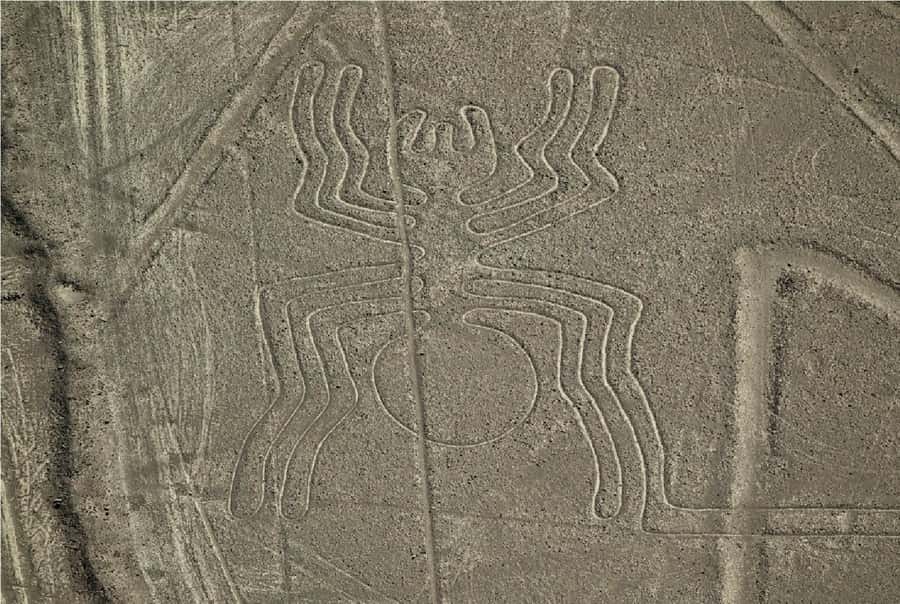
The experience includes assistance in English and Spanish, plus a live guide. The guide’s role is important because the figures can be difficult to identify from the air, especially when you are also handling a camera and coping with the plane’s turns.
The cultural background helps put the drawings into context. You hear about Toribio Mejía Xesspe, Maria Reiche, the Nazca civilization, Cahuachi, ancient farming methods, and the competing theories about the lines. That background makes the flight more than a quick sightseeing loop.
Language coverage is not universal. English and Spanish are the stated languages, and one French-speaking participant specifically wished a French guide had been available. If you need commentary in another language, plan to read about the lines before arrival.
That preparation can make a real difference. A Japanese participant who did not fully understand the English or Spanish commentary was still able to identify the figures after studying the subject in advance. I recommend doing the same even if you speak English or Spanish. When a guide points toward a small shape below, prior knowledge helps you locate it quickly.
The strongest praise concerns the staff’s professionalism, preparation, reliability, and attention to safety. The flight company performs this activity every day, but good staff still try to make the experience feel personal. That matters when the airport process feels busy and the actual viewing time passes quickly.
The true cost at $129 per person
The listed price is $129 per person, but you should budget about $154 in total after the approximate $25 air tax. The tax is paid in cash before boarding, so do not arrive with only a card or an exact tour budget.
At first glance, $154 for about 35 minutes in the air can seem expensive. The value depends on what you want from Nazca. You are paying for the aircraft, pilots, airport handling, central transfers, English or Spanish assistance, the documentary, and the chance to see figures that are difficult to understand from the ground.
The small aircraft is another part of the value. With six passengers and a panoramic view for each person, the setup is better suited to sightseeing than a large plane with obstructed views. You are not just being transported over the desert. The flight pattern is built around giving passengers a look at the drawings from both sides.
Still, the short flight and extra tax make this a poor choice if you are unsure about flying or mainly want a general view of the desert. The experience is specialized. Its value rises sharply if the Nazca Lines are a personal priority.
The price also includes round-trip shared transfers from central hotels or the bus station. That saves time and avoids negotiating transport at the aerodrome. If you stay outside central Nazca, add the cost and effort of reaching the pickup area.
Timing, weather, and the airport wait
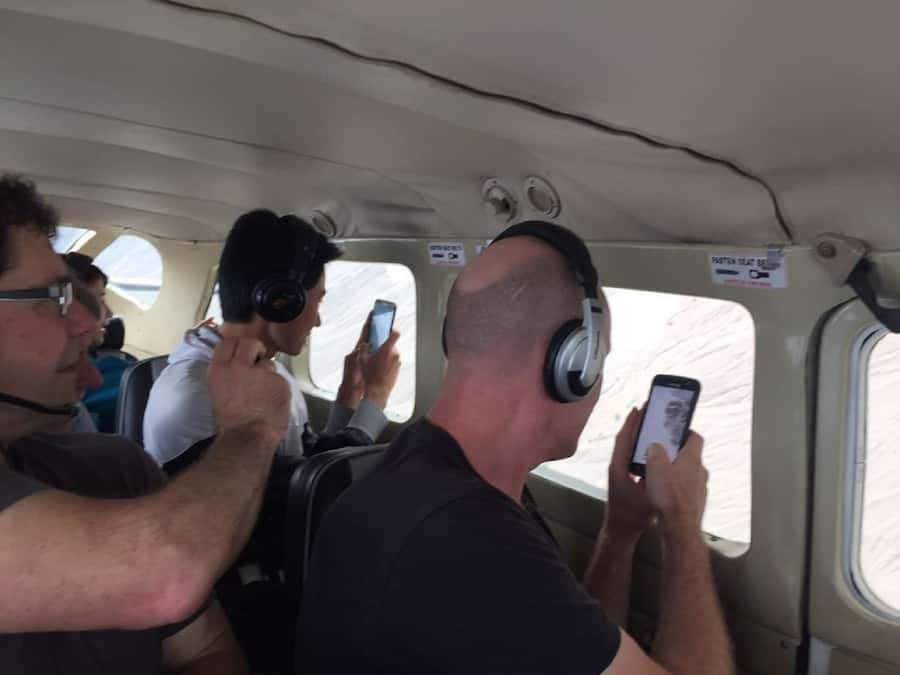
Flights run from 9 a.m. to 4 p.m., but schedules depend on weather and the order of arrival. This means you should keep your day flexible. Do not arrange a bus departure so soon afterward that a delay would leave you stranded.
The airport procedure takes about 45 minutes before the flight. The listed itinerary allows around 40 minutes for the safety briefing and aerodrome process, so the exact wait can vary. After the flight, the return transfer takes about 10 minutes to central Nazca or the bus station.
The practical sequence is:
- Pickup from a central Nazca hotel or bus station.
- About 12 minutes by shared vehicle to María Reiche Aerodrome.
- Airport procedures and safety briefing, roughly 40 to 45 minutes.
- A 35-minute flight over the main Nazca figures, or a one-hour flight if the longer option is operating.
- About 10 minutes back to your hotel or bus station.
This is a compact outing, but you should not think of it as only 35 minutes long. Allow at least a few hours around the flight, especially if weather changes or the airport is busy.
What I like, and what gives me pause
I like the direct setup. Pickup, aerodrome transfer, briefing, flight, and return transport are all arranged, which is helpful in Nazca if you are moving through by bus.
I also like the small aircraft. Six passengers is a manageable group, and the promise of a panoramic view for each person is exactly what this sight requires. The most impressive part of the experience is not a museum model or a guide’s description. It is the sudden moment when a geometric line or animal shape appears below you and makes sense as a whole.
The staff receive high marks for being professional, prepared, reliable, and safety-minded. Those qualities matter more here than polished entertainment. The unusual site needs careful handling, and the crew’s job is to help you see as much as possible in a short flight.
The weak points are the hectic airport flow, the extra tax, the language limit, and the chance of motion sickness. None of these ruins the experience, but each deserves attention before you pay.
The flight is best for adults, older children who handle small aircraft well, photography fans, archaeology enthusiasts, and people with a clear interest in the Nazca Lines. It is less suitable for anyone who dislikes tight turns, gets sick easily, or needs a relaxed schedule with no uncertainty.
Should you book the Nazca Lines overflight?
I would book it if seeing the Nazca Lines from above is one of your main reasons for visiting Peru. The 35-minute route gives you the essential figures, and the six-passenger aircraft offers a much better viewing setup than a crowded sightseeing flight would.
Budget for the extra $25 tax, bring cash, carry your passport, and take motion-sickness medicine if you need it. Study the figures before you go, since the shapes can be easy to miss while the plane turns and the guide speaks.
Choose the one-hour Nazca and Palpa option only if you have enough time and a minimum of four people can be assembled. For most visitors, the shorter flight provides the clearest balance of cost, time, and memorable sights. It is a brief, unusual, and worthwhile way to see one of Peru’s most puzzling archaeological sites.
FAQ
How long does the Nazca Lines overflight last?
The standard flight lasts about 35 minutes. A longer option lasts one hour and includes additional figures over the Palpa plains.
What figures can I see on the 35-minute flight?
The route includes the whale, trapezoids, dog, astronaut, monkey, condor, compass, spider, hummingbird, parrot, tree, hand, and albatross.
What is included in the activity?
The experience includes shared transfers from central Nazca hotels or the bus station, a documentary, a flight certificate, a map of the lines, English and Spanish assistance, and a panoramic view for each passenger.
Is the air tax included in the price?
No. You pay an air tax of approximately S/. 77, or $25, per person in cash before boarding.
Where does pickup take place?
Pickup is available from the bus station or hotels located in central Nazca. Transfers from hotels outside downtown are not included.
What languages are available?
The live guide and assistance are available in English and Spanish.
How many passengers fit in the aircraft?
The aircraft has eight seats in total: two for the pilots and six for passengers.
What should I bring?
Bring your passport, sunscreen, a hat, and cash. Motion-sickness medicine may also be useful if you are sensitive to repeated turns or small-plane movement.
Just added around Nazca
- From Nazca: Cahuachi Pyramids Private Tour★ 4.3 · 3 reviews
- From Ica or Huacachina: Flight Tour Nazca Lines | Overflight★ 4.3 · 3 reviews
- Nazca: Chauchilla Cemetery Archaeological Tour★ 5.0 · 3 reviews
- From Lima: Nazca Lines Flight with Huacachina Oasis Tour★ 5.0 · 3 reviews
- Nasca: Ocongalla Aqueduct Sandboarding in the Usaka desert★ 4.4 · 4 reviews
- Nazca: Light aircraft flight over the Nazca Lines★ 3.7 · 4 reviews
- Nazca : Mirador of Nazca Lines★ 4.9 · 5 reviews
- From Nazca: Small plane flight over the Nazca Lines★ 4.8 · 6 reviews
Nazca Lines Flights, compared.
Ballestas & Huacachina Day Trip w/ Nazca Lines Flight
Read our review →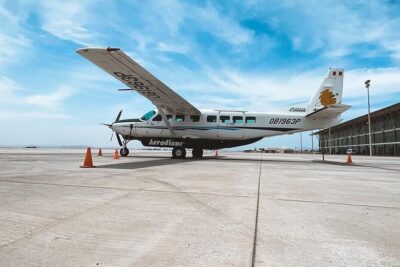
Private Tour to the Astonished Nazca Lines and Huacachina Oasis
Read our review →
Nazca Lines & Ballestas Islands Private Tour Bus&Flight from Lima
Read our review →
10-Day Taste Peru Experience: Lima, Nasca, Cusco & Machu Picchu
Read our review →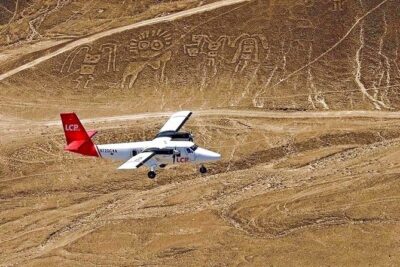
The Nazca Lines & Huacachina Oasis from Lima – Private Trip
Read our review →Browse the lists this tour appears in