
Reviewed · LIMA TOURS
Lima: Spiritual Healing with Xanga – The Smokeable Ayahuasca
A short ceremony with a serious purpose. This Lima experience takes place on a mountaintop rather than in the jungle, combining Xanga with Andean rituals, sound therapy, and quiet time for reflection. I like the small group limit of four, and I like that Paul gives each person plenty of personal attention. The main consideration is that this is still an intense psychedelic ceremony, not a casual sightseeing stop, and the $300 price is high for four hours.
The setting adds real value. You hike uphill from the meeting point, look out across the Lima area, and take part in a ritual built around Pachamama, coca, Palo Santo, sage, and Hapé. I also appreciate the shorter effect, usually 15 to 30 minutes per journey, though you may choose to take part more than once during the ceremony.
In This Review
- Key points to know before booking
- What this Lima ceremony actually offers
- Meeting Paul and setting your expectations
- The 20 to 30 minute hike to the ceremony site
- Cleansing with Palo Santo, sage, and sacred essences
- Pachamama, coca, and Hapé
- Sound therapy before the Xanga ceremony
- The Xanga journeys, lasting 15 to 30 minutes
- Fruit, refreshments, and time to process
- Is $300 a fair price?
- Who should consider this experience?
- Practical details for a smoother day
- What the strongest praise focuses on
- Should you book the Lima Xanga ceremony?
- FAQ
- Where does the Xanga ceremony take place?
- How long does the experience last?
- How long do the effects of Xanga last?
- How much does the experience cost?
- How large is the group?
- Which languages are available?
- Is transportation included?
- What should I bring?
- Who cannot participate?
- What should I do about medication or health conditions?
Key points to know before booking
- The ceremony takes place on a mountain above Lima, reached by a roughly 20 to 30 minute hike each way.
- Paul leads the session in English or Spanish, with a calm, personal approach and experience in Andean shamanic traditions.
- Xanga is smokeable and shorter acting than drinkable Ayahuasca, with effects generally lasting 15 to 30 minutes.
- The four-hour program includes several traditional elements, including a Pachamama offering, coca ceremony, Hapé, sound therapy, and cleansing rituals.
- The maximum group size is four people, which allows for close support and quiet personal time.
- You pay $300 per person, with transport to the meeting point and personal expenses extra.
What this Lima ceremony actually offers
This is not a standard city tour with a spiritual theme added at the end. It is a guided plant-medicine ceremony designed for personal reflection, emotional work, and spiritual exploration.
The central medicine is Xanga, a smokeable preparation made in-house from Mimosa Hostilis as its main ingredient, along with Egyptian Blue Lotus flower, Syrian Rue, and other plants. The experience is presented as having the same active ingredient associated with Ayahuasca, but with a much shorter effect.
That difference matters. Traditional drinkable Ayahuasca commonly lasts around four hours, while the stated effect here lasts about 15 to 30 minutes. You can take part in several journeys during the ceremony, so the shorter duration does not necessarily mean a brief overall session.
I would not describe the medicine as risk-free. The activity says Xanga is less likely than Ayahuasca to cause nausea, vomiting, or other unwanted effects, and that you return to normal by the end. Still, reactions to psychoactive substances vary. The safest approach is to treat the session seriously, follow the preparation rules, and speak with the provider before booking if you have a medical condition or take prescription medication.
A few more Peru trips worth weighing up
- Lima: Ultimate Peruvian Food Tour
★ 4.9 · 700 reviews - Full Day Paracas Ica and Huacachina from Lima All Included
★ 4.5 · 623 reviews - Lima’s Vibrant Heritage: Exploring the City’s Landmarks Half-day
★ 4.5 · 581 reviews
Meeting Paul and setting your expectations
Paul is the central figure in this experience. His role is not limited to lighting incense or explaining a few customs. He prepares you, guides the ceremony, watches how you are doing, and gives you room to process what happens.
That balance comes through in the strongest feedback about the experience. People describe Paul as patient, attentive, compassionate, and careful about when to speak and when to stay quiet. One particularly useful detail is that he contacts participants through WhatsApp before the appointment, which can help settle nerves and clarify what to expect.
The ceremony is individually tailored. That does not mean you receive a private session, since the group may include up to four participants. It means Paul adjusts the pace and amount of guidance to the people present.
I value that kind of close support in a setting involving a powerful psychoactive substance. You are not left to work out the meaning of the experience on your own, but you are also not pushed toward a particular interpretation.
The 20 to 30 minute hike to the ceremony site
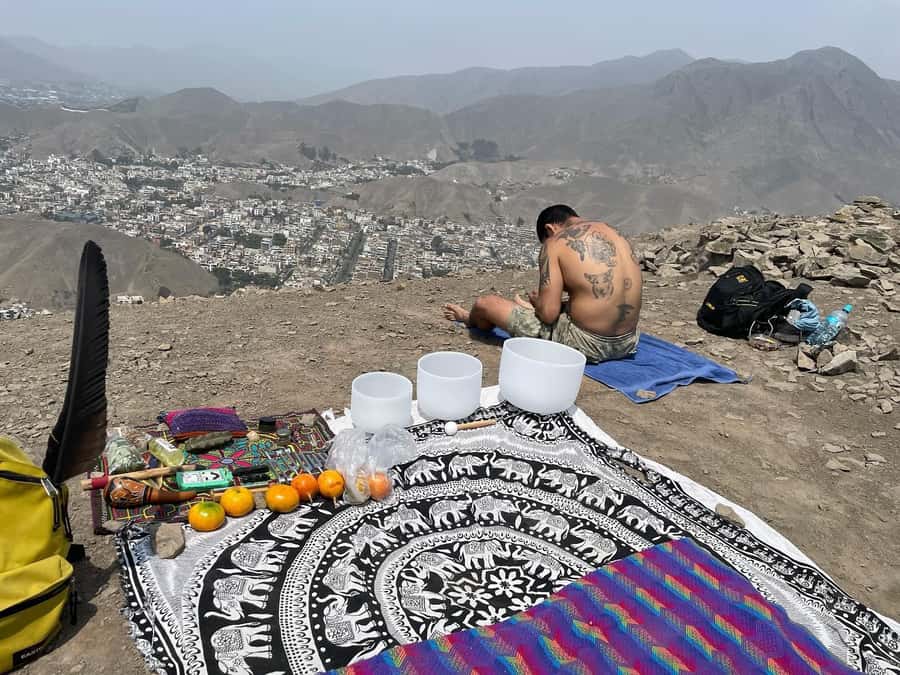
The day begins at Huaca de La Luna 420, in the area of Los Fresnos and Vilcabamba. From there, you hike up the mountain to the ceremony location. The stated walking time is about 20 minutes, while the schedule lists 30 minutes each way, so I would plan for the longer figure.
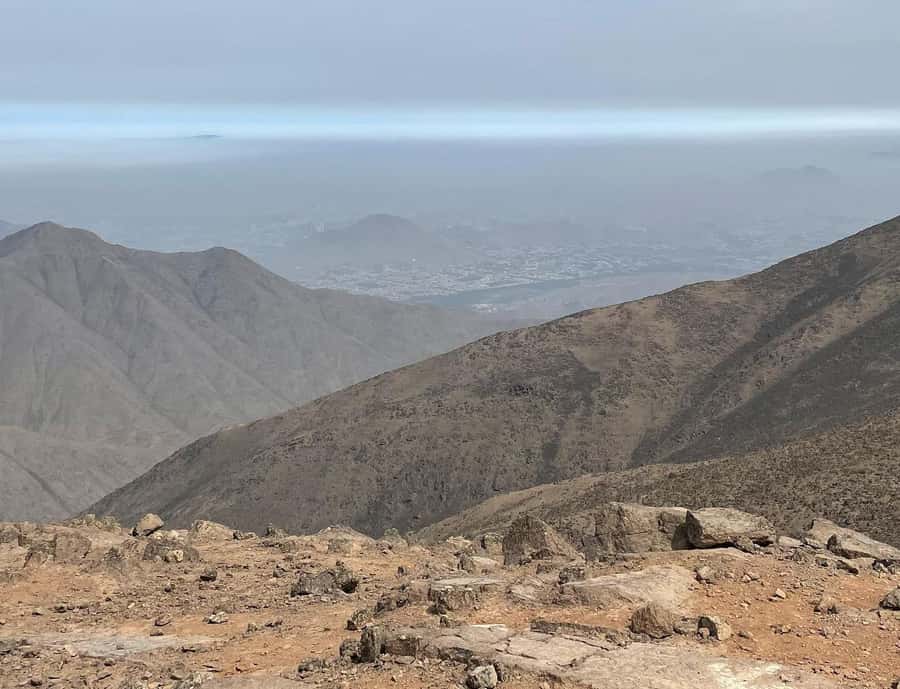
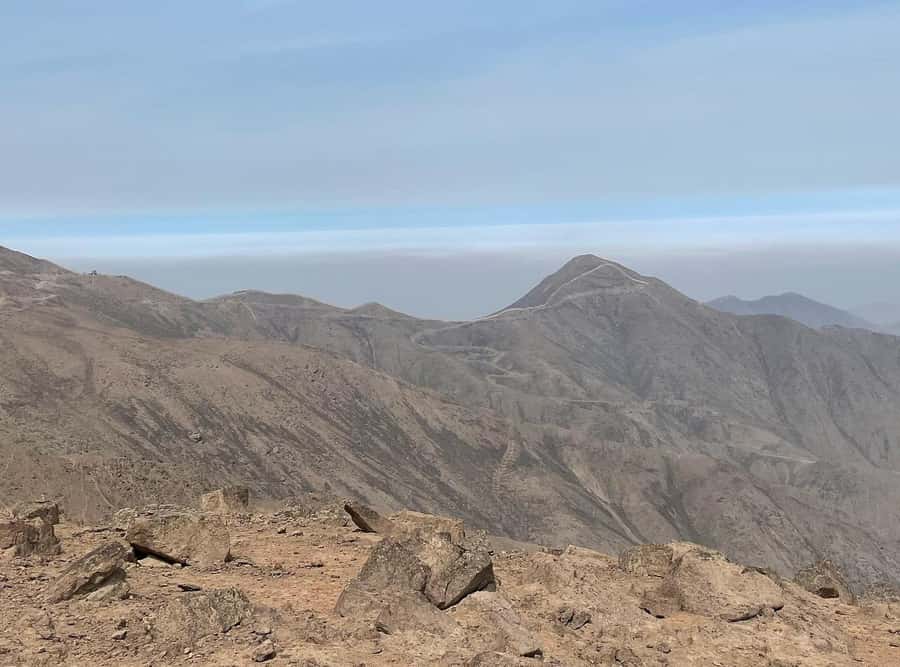
This climb is part of the experience, not just a transfer. Moving away from traffic and buildings helps mark a change in pace. The mountain setting also gives you an open view during and after the ceremony. One person described watching the view change as the day progressed, which gives you an idea of why the location matters.
The hike does create a practical limit. You need comfortable clothing and a sun hat, and a light jacket is sensible. Lima can feel warm in the sun, but a mountaintop can be cooler or breezier. Wear shoes suitable for an uphill walk.
You should also be honest with yourself about the physical effort. This is not a flat-access ceremony. The walk is only around half an hour each way, but you will be returning after several hours of ritual and reflection.
Cleansing with Palo Santo, sage, and sacred essences
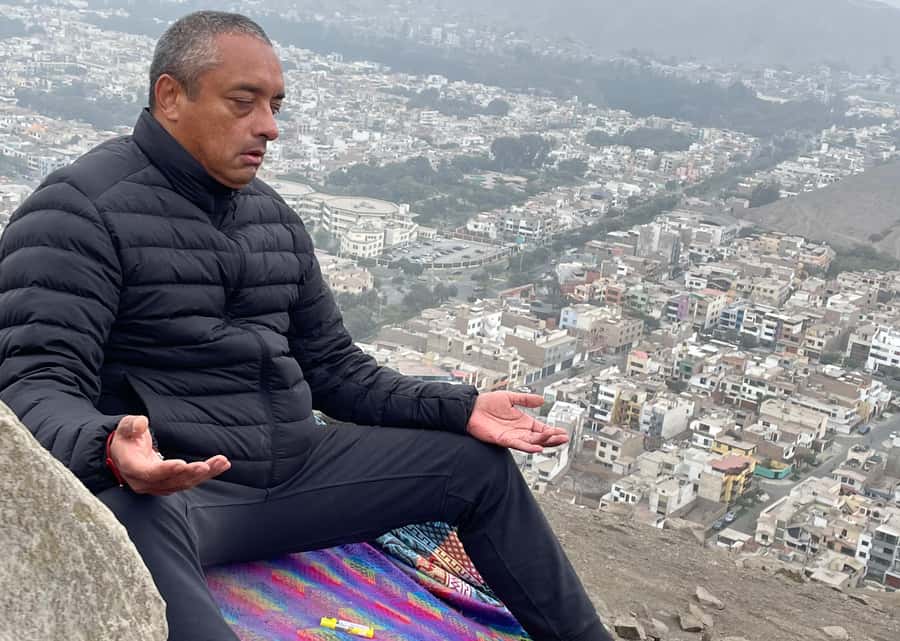
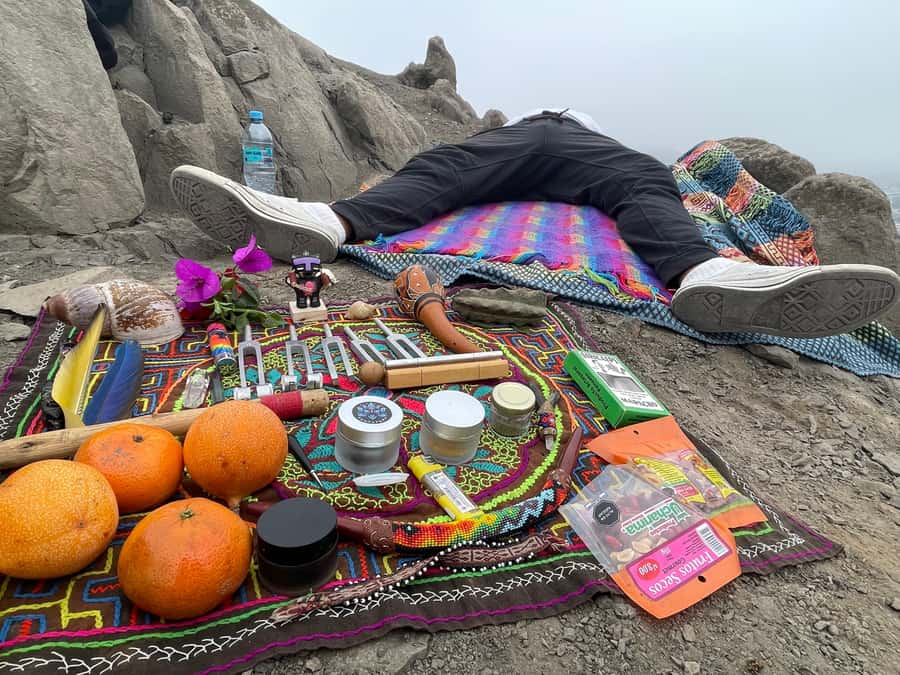
At the ceremony site, the process begins with cleansing. Palo Santo, White Mexican Sage, and sacred essences are used to purify the mind, body, and spirit according to the ceremony’s spiritual framework.
For many people, this opening ritual helps create a clear boundary between ordinary sightseeing and the session ahead. It gives you time to settle, listen, and focus before taking the medicine.
You do not need to share the same spiritual beliefs to appreciate the structure. The important practical point is that the experience has a deliberate sequence. You are not rushed from arrival straight into the most intense part.
A completely different sort of day out from Lima:
- From Lima: Day trip to Paracas, Ica and Oasis Huacachina
★ 4.6 · 409 reviews - Private transfers from Lima Airport or to Lima Airport
★ 4.0 · 359 reviews - Lima: Paracas and the Huacachina Oasis Guided Day Tour
★ 4.5 · 354 reviews - Lima: The Charm of Barranco & Pre Inca Pyramid in Miraflores
★ 4.9 · 322 reviews
Pachamama, coca, and Hapé
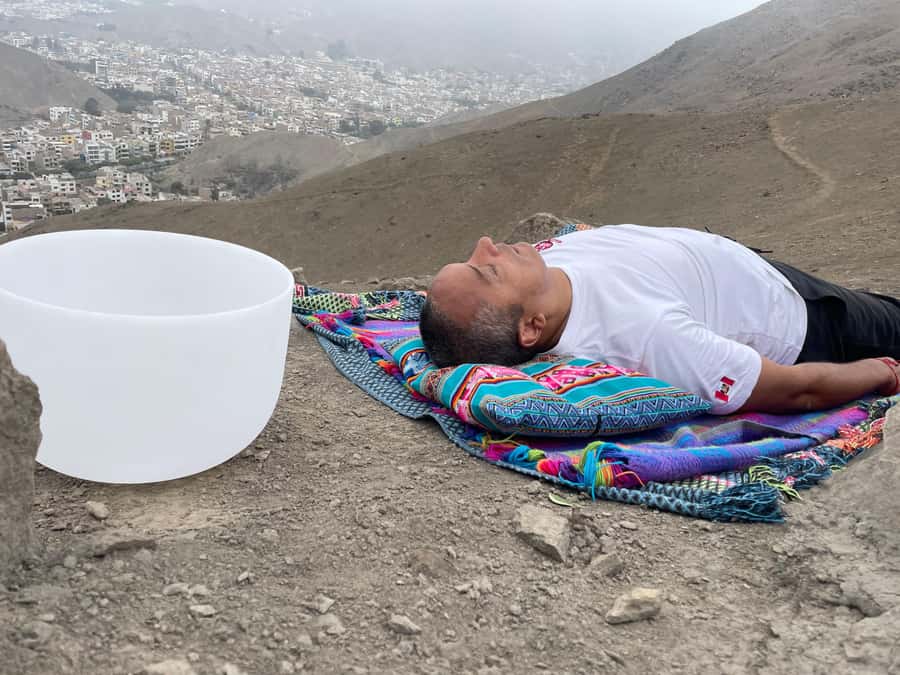
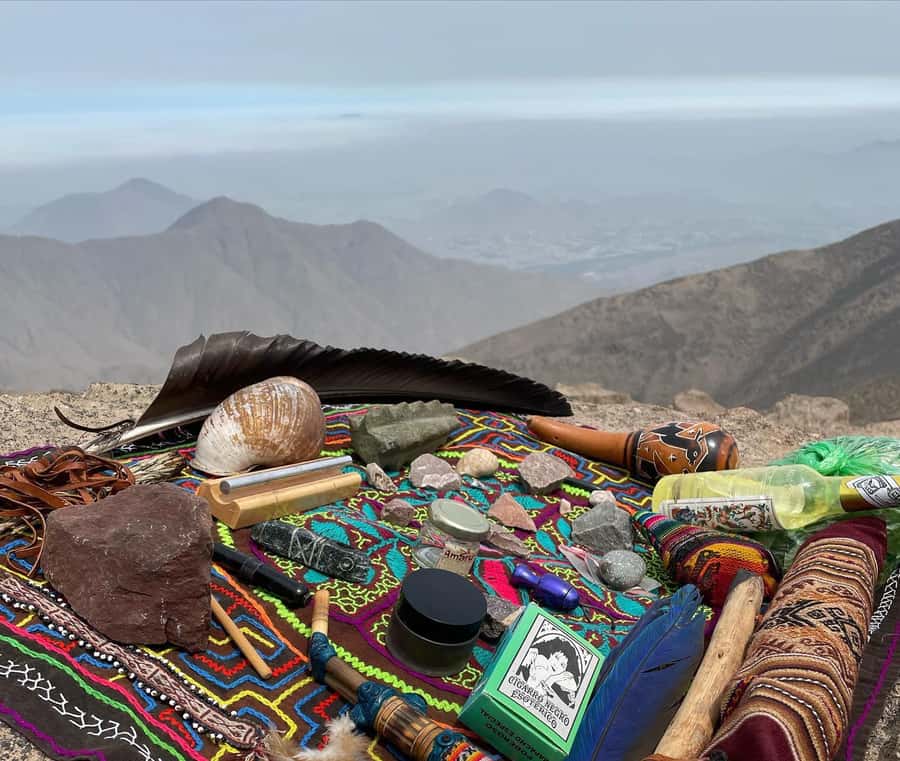
The ceremony then brings in several Andean and plant-based traditions. You make an offering to Pachamama, or Mother Earth, as an act of gratitude. You also take part in a coca ceremony intended to connect you with ancestral energies.
A Hapé ceremony is included to cleanse and open your energetic channels. Hapé is another plant-based ceremonial preparation, and you should ask Paul to explain exactly how it will be used before participating, especially if you are unfamiliar with it.
These parts give the session a cultural and ritual frame. They also make the ceremony longer and more layered than a simple encounter with Xanga. If you are looking only for a fast altered-state experience, this may feel like more ceremony than you want. If you value preparation, symbolism, and guided reflection, these steps are part of the price.
Sound therapy before the Xanga ceremony
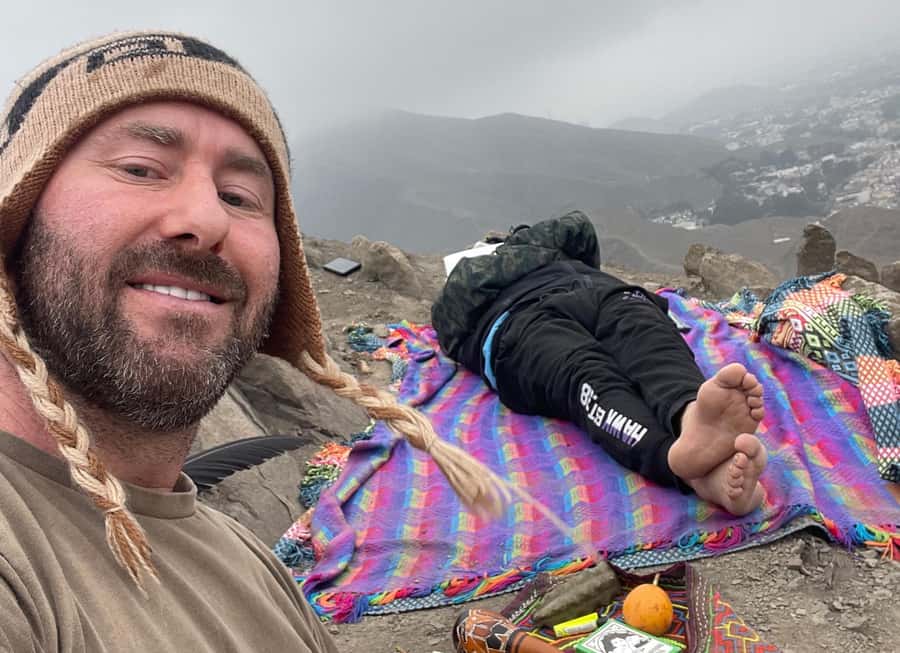
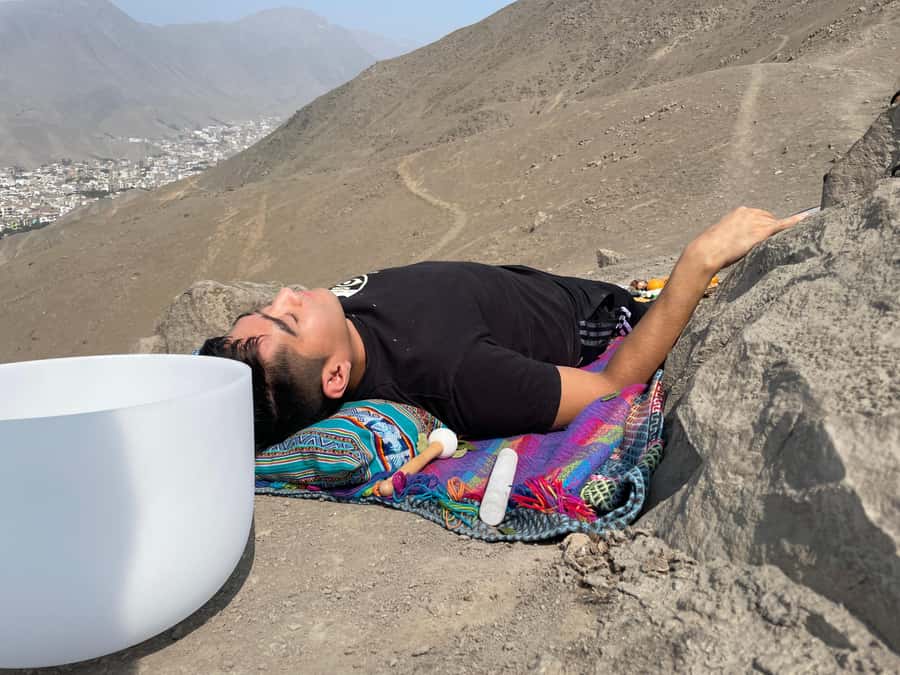
Sound therapy is used to help you relax and settle into the session. It is a quieter part of the program, but it can be useful after the hike and before the medicine.
I like that the ceremony includes a transition into stillness. A mountain setting, natural sounds, and sound vibrations can help you stop thinking about schedules and phones. You should expect the day to move slowly once the ritual begins.
The wording around the session promises emotional healing, mental clarity, spiritual growth, and freedom from addictive behavior. Those are aims of the ceremony, not guaranteed results. Personal accounts describe major shifts in outlook, including less anxiety and a greater appreciation for life, but you should not treat one session as a replacement for medical or psychological care.
The Xanga journeys, lasting 15 to 30 minutes
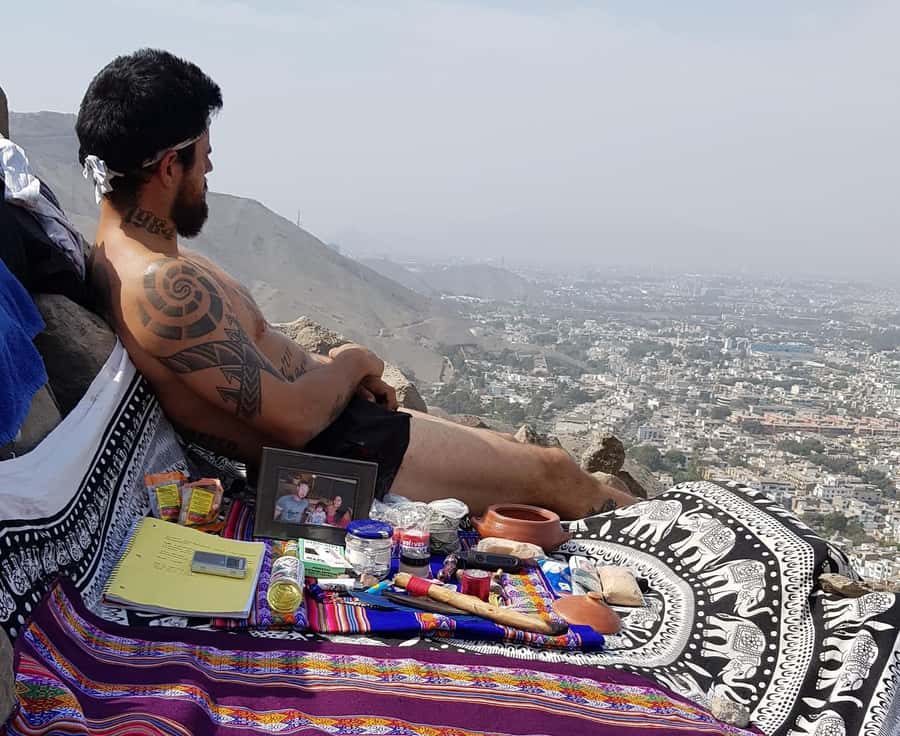
The main ceremony involves smoking the prepared Xanga medicine under Paul’s guidance. The stated effects normally last about 15 to 30 minutes, much shorter than the roughly four-hour effect associated with drinkable Ayahuasca.
That shorter window may appeal to you if you want a guided introduction without committing to an all-night or four-hour altered state. It also allows time to regain your normal awareness during the same appointment.
You may journey more than once during the ceremony. The number of journeys is not fixed in the information provided, so the pace depends on the ceremony and your comfort. Do not assume that shorter effects mean a lighter experience. A brief psychedelic state can still feel intense, emotional, confusing, or profound.
The small group matters here. With no more than four participants, Paul can offer closer attention than you might receive in a large group ritual. The strongest praise focuses on feeling safe, supported, and unhurried. You still need to be ready for private emotional material to surface.
Fruit, refreshments, and time to process
The closing part of the ceremony includes fruit, refreshments, and integration therapy. This gives you a chance to sit with what happened before making the hike back down.
That final conversation is one of the more useful features of the program. Psychedelic experiences can be difficult to explain immediately, and a guide who helps you reflect can make the transition easier.
The timing also matters. The full activity lasts about three to four hours, including the hike, rituals, medicine, and integration. It is not a quick appointment that ends the moment the main effect fades.
One person described being able to step away, reset, enjoy the fruit, and take in the view. That suggests the ceremony has room for different levels of participation. You can be deeply involved without feeling forced to maintain the same intensity throughout.
Is $300 a fair price?
At $300 per person, this is expensive compared with an ordinary Lima activity. You are paying for a small group, a three to four hour program, a mountain location, several rituals, the prepared medicine, and one-on-one attention from Paul.
The price makes more sense if you specifically want a guided spiritual ceremony and value close support. It makes less sense if you are curious about Ayahuasca only as a novelty or want a low-cost cultural outing.
The group limit of four is important to the value. A large ceremony can spread the guide’s attention thin. Here, the cost includes a setting where Paul can help prepare you, support you during the medicine, and talk through the experience afterward.
Transport is not included. You must arrange your own way to Huaca de La Luna 420, although one participant said Paul helped arrange a taxi to and from the location. I would confirm that help in advance rather than assume it is included in the price.
Cancellation is flexible, with a full refund available if you cancel at least 24 hours ahead. You can also reserve and pay later, which helps if your Lima schedule is still shifting.
Who should consider this experience?
I would consider this ceremony suitable for an adult who is sincerely interested in spiritual or personal exploration and wants a shorter alternative to drinkable Ayahuasca.
It may suit you if:
- You want a small, closely guided ceremony.
- You prefer a mountain setting to an urban room.
- You are comfortable with ritual elements from Andean and plant-medicine traditions.
- You want time for reflection after the medicine.
- You can manage the uphill walk.
- You are willing to avoid alcohol and other drugs for at least 48 hours beforehand.
I would not book it as a last-minute party activity. Alcohol and other drugs are not allowed, and you must not have consumed them during the 48 hours before the ceremony.
The session is not suitable for pregnant women or anyone under 18. If you have health problems or use prescription medication, contact Paul for advice before booking. That is not a minor footnote. It is an essential part of deciding if this is appropriate for you.
Practical details for a smoother day
The meeting point is at Huaca de La Luna 420, reached via Ovalo de los Condores, Los Fresnos, Prolongacion de Los Fresnos, and Vilcabamba. The directions say to continue to the grey building at number 420, then call Paul or press the top-right intercom button at the building opposite, which has wooden garage doors and no number.
Because the location instructions are detailed, save them before leaving. Transportation is not included, and the mountain address may be easier to reach with a taxi arranged ahead of time.
Bring:
- A sun hat
- Comfortable clothing
- A light jacket
You may also want to arrive with an open but steady mindset. The ceremony is presented as a place for emotional healing and spiritual insight, but you should avoid arriving with a demand for one particular answer. The experience can be intense, and its meaning may become clearer only after some time.
The ceremony is offered in English and Spanish. Ask about language support when booking if you need detailed guidance in one language.
What the strongest praise focuses on
The most consistent strength is Paul’s personal care. People describe him as calm, compassionate, attentive, and good at knowing when to guide and when to give silence.
The second strength is the mountain setting. The view adds a physical anchor to an inward experience. You are not sitting in an anonymous room, and the changing light and open air become part of the memory.
The third is the shorter Xanga effect. Participants who want access to the active ingredient associated with Ayahuasca, but do not want the longer duration or common nausea linked with the traditional drink, may find this format more manageable.
Still, I would keep expectations grounded. A few powerful personal accounts describe major changes in anxiety, perspective, and appreciation for life. Those reports show what can happen for some people, but they do not promise the same result for you.
Should you book the Lima Xanga ceremony?
Book this if you are seeking a serious, guided plant-medicine ceremony and the $300 cost fits your budget. The small group, mountain hike, layered rituals, and time for integration give the experience more substance than a quick smoke-and-go session.
Skip it if you are looking for ordinary sightseeing, dislike ceremonial practices, cannot manage the hike, or have medical concerns that have not been discussed with the provider. You should also skip it if you are hoping for a guaranteed cure for anxiety, addiction, or emotional pain.
For the right person, the appeal is clear: a short but potentially intense Xanga journey, careful support from Paul, and a quiet mountaintop setting without leaving Lima Province. Go prepared, follow the safety rules, and treat the experience as an invitation to reflect rather than a promise of a particular outcome.
FAQ
Where does the Xanga ceremony take place?
The meeting point is Huaca de La Luna 420 in Lima Province. The ceremony takes place on a mountain reached by a hike from the meeting point.
How long does the experience last?
The full ceremony lasts about three to four hours, including the hikes, rituals, Xanga ceremony, refreshments, and integration time.
How long do the effects of Xanga last?
The effects usually last approximately 15 to 30 minutes. You may be able to journey several times during the ceremony.
How much does the experience cost?
The price is $300 per person.
How large is the group?
The activity is limited to four participants.
Which languages are available?
The ceremony is offered in English and Spanish.
Is transportation included?
No. Transportation to the venue is not included. Personal expenses are also separate.
What should I bring?
Bring a sun hat, comfortable clothing, and a light jacket.
Who cannot participate?
The ceremony is not suitable for pregnant women or children under 18.
What should I do about medication or health conditions?
If you have health problems or take prescription medication, contact the provider for advice before participating. You must also avoid alcohol and other drugs for at least 48 hours before the ceremony.
Just added around Lima
- Enjoy Lima Walking Historic Center, Plaza San Martin and Plaza de Armas★ 5.0 · 3 reviews
- Full Day Lima: Local Market+ CityTour+ Barranco & Miraflores★ 5.0 · 3 reviews
- City Tour 1 day Lima★ 5.0 · 3 reviews
- Lima: Lunuhuaná Extreme All In + Cerro Azul + Rafting + ATV + Canopy★ 4.4 · 3 reviews
- Lima: Street Food Tasting Tour with Pisco Sour Class★ 5.0 · 3 reviews
- Lima: Villa El Salvador Shanty Town Tour★ 5.0 · 3 reviews
- Tour Panorámico en Miraflores en Scooter Eléctrico★ 4.6 · 3 reviews
- Private Tour Casa Aliaga,San Francisco Convent, Larco Museum★ 4.8 · 3 reviews
Lima Tours, compared.

Full Day Paracas Ica and Huacachina from Lima All Included
Read our review →
Lima’s Vibrant Heritage: Exploring the City’s Landmarks Half-day
Read our review →
Paracas and the Huacachina Oasis Guided Day Tour
Read our review →
The Charm of Barranco & Pre Inca Pyramid in Miraflores
Read our review →
Full Day to Paracas and Huacachina Desert Oasis
Read our review →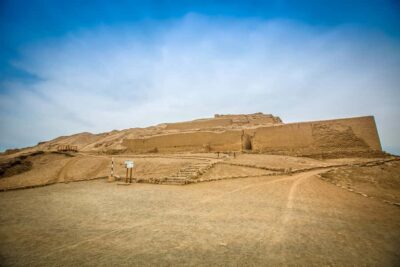
Pachacamac Ruins & Barranco Half-Day Guided Tour
Read our review →Browse the lists this tour appears in