
Reviewed · CUSCO TOURS
Excursion to the Planetarium of Cusco | New experience
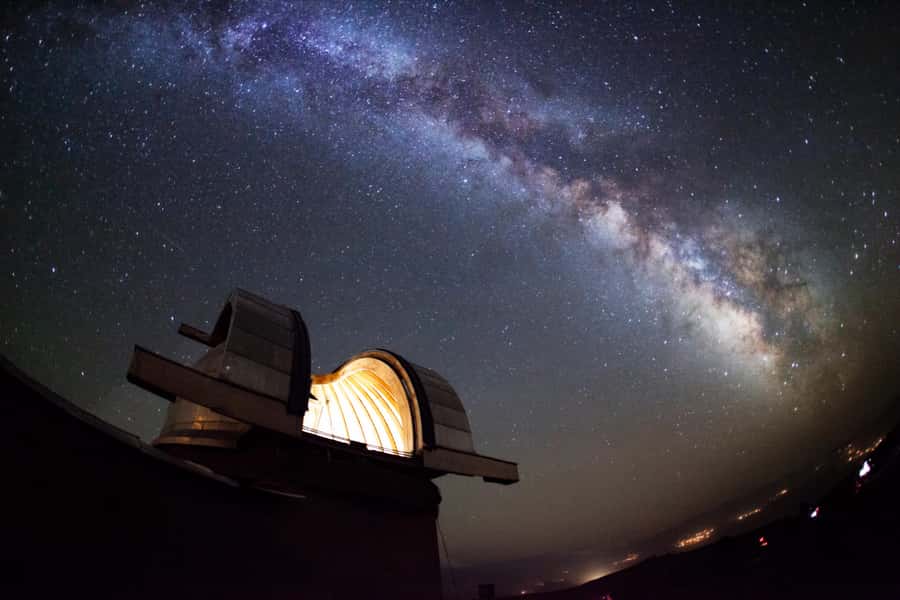
Look up from Cusco’s stone streets. This evening excursion gives you a clear introduction to Inca astronomy, then takes you outside the city for telescope viewing under the southern sky. I like the mix of science, culture, and night air. It is a simple way to add something different to a Cusco itinerary.
I also like the small group limit of 10 people and the English or Spanish guide. The main caution is timing: the tour is sold as four hours, but some departures have lasted closer to two hours from pickup to return, with only about 90 minutes at the planetarium.
The price is $39 per person. That can be fair if your visit includes a full talk, dome presentation, and outdoor telescope session. It feels less attractive if bad weather cancels the stargazing or if your group spends little time at the observatory.
In This Review
- Key things to know before booking
- Why Inca astronomy makes this more than a stargazing stop
- Leaving Plaza Regocijo between 5:30 and 6:00 PM
- Inside the interpretation rooms
- The dome projection and Inca constellations
- Outdoor stargazing through professional telescopes
- How four advertised hours can feel like two
- Is $39 a fair price?
- Who should book this Cusco night tour?
- Practical advice for a smoother evening
- Should you book the Cusco Planetarium excursion?
- FAQ
- Where does the tour begin?
- How long does the excursion last?
- How far is the planetarium from Cusco?
- Where does the tour end?
- What languages does the guide speak?
- How large is the group?
- Is telescope viewing guaranteed?
- What does the tour include?
- Are meals included?
- Can I cancel for a refund?
Key things to know before booking
- The planetarium sits less than 20 minutes from central Cusco, so this is an easy evening outing rather than a long ride into the countryside.
- The program begins with Inca astronomy, using interpretation rooms to explain how the Inca read the sky and understood constellations.
- A virtual sky show follows, projected onto the planetarium dome and focused on the constellations known in the Inca world.
- Professional telescopes are used outdoors, but this part depends on cloud cover and other weather conditions.
- Blankets may be provided for stargazing, a useful touch on a cold Cusco night.
- The advertised schedule is 5:30 or 6:00 PM to about 8:00 PM, though actual time at the planetarium can be shorter.
Why Inca astronomy makes this more than a stargazing stop
The best reason to book this outing is the connection between the sky and Andean life. This is not only a chance to point a telescope at a bright planet. The program explains Inca astronomy inside the cultural setting of Cusco, where the sun, moon, stars, and seasonal cycles shaped farming, ceremonies, and daily decisions.
The presentation focuses on Inca constellations, giving you a different way to think about the night sky. In many Western star maps, constellations are formed by drawing lines between bright stars. Andean sky watching also paid attention to dark shapes in the Milky Way. The tour information does not promise a full scholarly lecture, so you should expect an introduction rather than an advanced astronomy course.
That distinction matters. I would book this if you want a clear, accessible talk that connects the stars with pre-Inca and Inca culture. I would not book it expecting a long academic session or a large museum collection.
The planetarium is described as one of the world’s more unusual observatories. The appeal comes from the setting and subject rather than a huge indoor attraction. You are taken from central Cusco to a dedicated observatory, shown the sky through a dome projection, and then given the chance to see it through professional telescopes.
A few more Peru trips worth weighing up
- Cusco: Humantay Lake Tour with Breakfast and Buffet Lunch
★ 4.9 · 2,976 reviews - From Cusco: Sacred Valley & Maras Salt Mines Tour with Lunch
★ 4.8 · 2,227 reviews - From Cusco: Moray, Maras Salt Mines & Chinchero Weavers Tour
★ 4.8 · 1,925 reviews
Leaving Plaza Regocijo between 5:30 and 6:00 PM
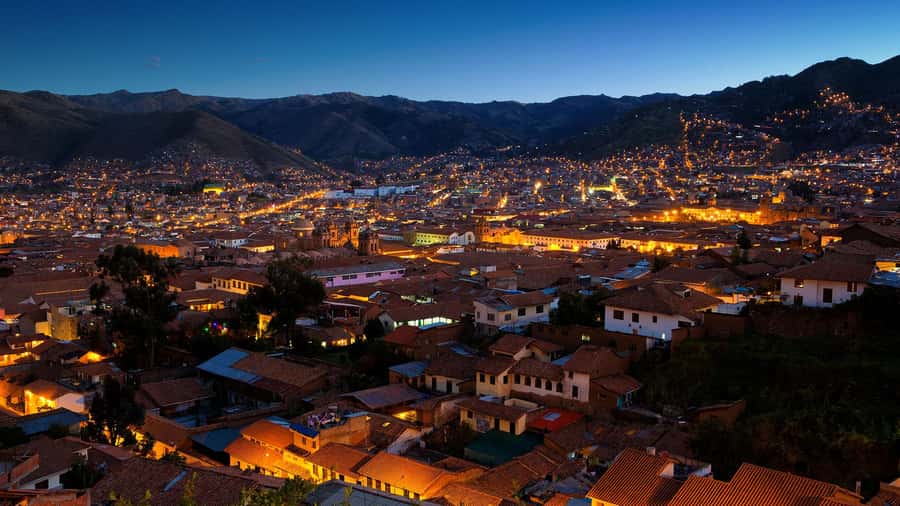
The meeting point is Plaza Regocijo, close to Cusco’s central historic area. Pickup is scheduled between 5:30 and 6:00 PM, depending on the departure you choose. The shuttle ride to the planetarium takes less than 20 minutes, so most of your evening is spent on the astronomy program rather than in transit.
The pickup details need careful attention. The activity information includes hotel pickup, but one person who booked a similar option found that hotel pickup was not provided. To avoid a frustrating start, confirm your exact meeting arrangement before the day of the tour. If you are told to meet at Plaza Regocijo, plan to be there early rather than arriving at the last minute.
This is also a useful time of day for a Cusco schedule. You can spend the afternoon visiting churches, markets, or archaeological sites, then shift to a calm evening activity. The short ride means you do not give up an entire night to transportation.
The small group limit, capped at 10 people, should make boarding and listening easier than on a large coach outing. Still, small group does not always mean private attention. The guide speaks English and Spanish, so the talk may be given in both languages.
Inside the interpretation rooms
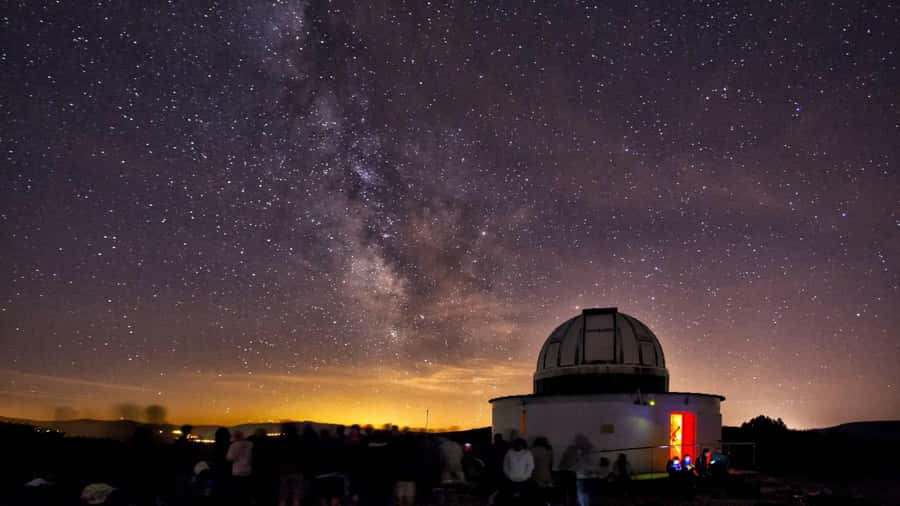
At the observatory, the first formal section takes place in the interpretation rooms. Here you receive a talk about Inca astronomy before seeing the projected night sky.
This order is sensible. If you went straight to the telescopes, you might see the Moon or a bright planet without understanding why the sky mattered to the people who lived in the Andes. The indoor talk provides a cultural frame before the outdoor viewing.
The strongest part of the presentation, based on the information available, is the link between history and science. You learn about constellations inside the Cusco Planetarium, then see how the sky can be represented in a controlled setting. This can help you follow the guide even if you do not know much about astronomy.
One area to keep in mind is depth. The experience is promoted as a way to become an expert in Inca astronomy, but a four-hour booking does not mean four hours of instruction. Actual programs have sometimes been much shorter, and one account described limited explanation of how the constellations were used by the Inca.
I would treat the talk as an informative introduction. If you already have a strong background in Andean astronomy, you may want more detail than this visit provides. If the subject is new to you, the basic structure should be easier to enjoy.
The dome projection and Inca constellations
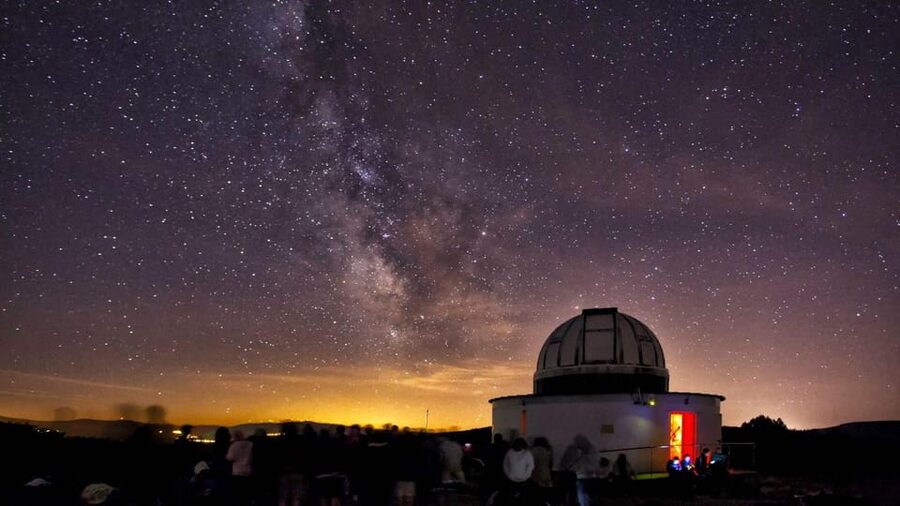
The next step is a virtual projection onto the planetarium dome. Instead of waiting for darkness or clear skies, you can see a planned presentation of the sky indoors.
This is especially useful in Cusco, where weather can change quickly. The dome program gives the tour a dependable educational element even if clouds block the telescopes later. It also lets the guide point out constellations in a steady, organized way.
For me, this section is likely to be the heart of the cultural program. You are not simply told to look upward and guess what you see. The projection should help you understand which stars and dark formations mattered in the Inca view of the heavens.
The experience may feel modest compared with a large city planetarium. That is not necessarily a problem. The attraction is aimed at a small group, and its subject is closely tied to Cusco. You are going for a focused Andean astronomy lesson, not a full day of exhibits.
A completely different sort of day out from Cusco:
- From Cusco: Full-Day Group Tour of Machu Picchu
★ 4.7 · 1,767 reviews - Machu Picchu Day Trip from Cusco
★ 4.5 · 1,644 reviews - Cusco: Half-Day City Tour with Sacsayhuaman and Q’enco
★ 4.6 · 1,129 reviews - Cusco: Sacred Valley, Pisac, Ollantaytambo, Salt Mines Moray
★ 4.6 · 1,058 reviews
Outdoor stargazing through professional telescopes
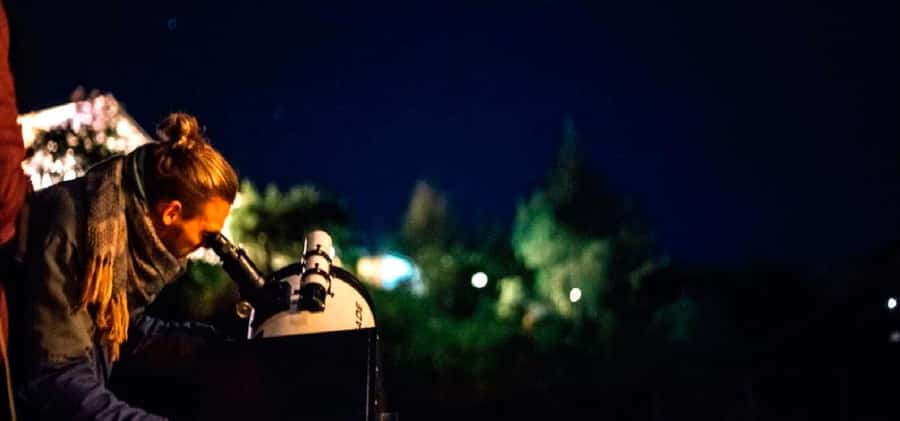
After the indoor presentation, the group uses professional telescopes outside. This is the part most likely to produce the memorable moment of the evening. Seeing a planet, star cluster, or another bright object through a serious telescope can make the earlier explanation feel real.
The outdoor section depends on weather. If clouds, rain, or poor visibility interfere, the tour cannot promise the same result. That is normal for astronomy outings, but it affects the value of the $39 price.
One useful detail is that blankets have been provided for outdoor viewing. Cusco evenings can feel cold, especially when you are standing still and looking through a telescope. I would still bring a warm layer. The supplied information does not guarantee blankets on every departure.
The telescope time may also be shared among the group. With a maximum of 10 people, the wait should be more manageable than with a large busload, but the length of each viewing opportunity is not specified. You should expect a guided look rather than unlimited personal telescope time.
The outdoor portion is best seen as a bonus, not the sole reason to reserve. If the sky is clear, it can make the outing worthwhile. If the weather is poor, the dome presentation and astronomy talk become much more important.
How four advertised hours can feel like two
The stated duration is four hours, with departure around 5:30 or 6:00 PM and return to central Cusco at about 8:00 PM. The schedule suggests time for transport, the indoor talk, the dome show, and telescope viewing.
Actual timing has been less consistent. One account described only about an hour and a half at the planetarium and roughly two hours including transportation. Another described being back in central Cusco in under two hours.
This is the biggest practical issue in the booking. A short evening can be pleasant, especially if you want something easy after a full day of sightseeing. But you should not plan your night around four full hours of programming unless the operator confirms the schedule.
The shorter duration has one benefit: you can return to Cusco in time for dinner. The drawback is that a $39 price can feel high if the actual program is brief and the outdoor viewing is limited.
I suggest asking one direct question before booking: how long will the group remain at the planetarium on this departure? That answer will help you judge the price more accurately than the advertised duration alone.
Is $39 a fair price?
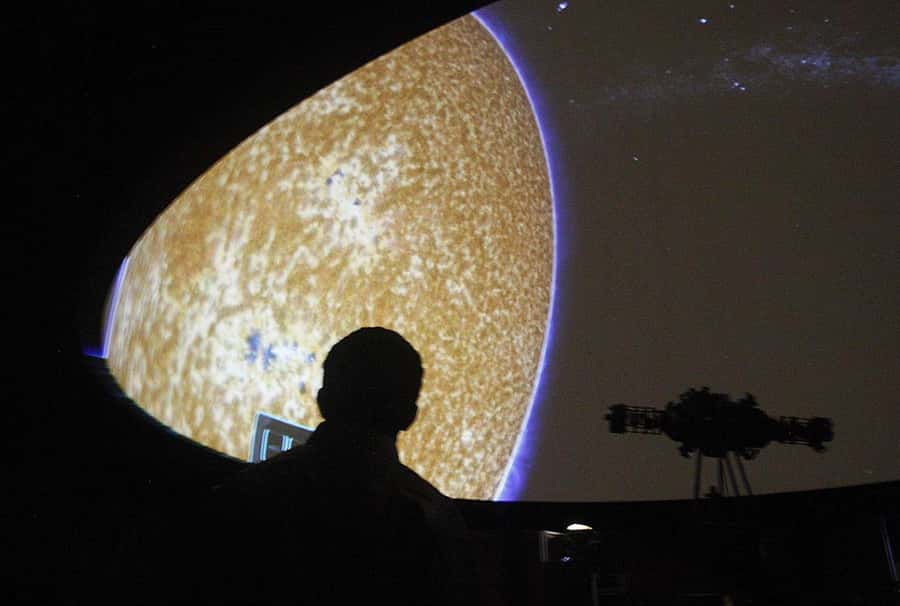
At $39, the tour includes transport, admission, and a bilingual guide. You also receive the indoor astronomy program, dome projection, and access to professional telescopes. For a small group, that is a reasonable package when the full schedule runs as expected.
The value depends on three things: the amount of time on site, the quality of the explanation, and the weather. Clear skies and a strong guide can turn the outing into a special evening. A short visit with little cultural detail makes the same price harder to justify.
I like that you do not need to arrange separate transport to an observatory. The shuttle handles the ride from central Cusco, and the location is close enough that the journey does not become an ordeal.
I am less convinced if your main goal is a long astronomy session. The available feedback gives the excursion an overall rating of 3.3 from three ratings, which reflects this mixed value. One person found the history and science enjoyable, while another felt the visit offered too little information and too little time for the cost.
Who should book this Cusco night tour?
I would recommend it to you if you enjoy cultural explanations, have an interest in the southern sky, or want an evening activity that does not involve another church, market, or restaurant. Families and first-time visitors may like the mix of pictures, storytelling, and telescope viewing.
It also suits anyone with a free evening in central Cusco. The short transfer keeps the outing manageable, and the bilingual format makes it accessible to English and Spanish speakers.
I would be more cautious if you are an experienced astronomer or want a long outdoor session. You may find the explanation too basic, especially if the guide gives only a short account of how Inca constellations were used.
I would also think twice if your schedule is tight. The tour may return earlier than expected, but the advertised four-hour duration is not a reliable measure of time spent at the observatory.
Practical advice for a smoother evening
Arrive at Plaza Regocijo before the scheduled pickup window. The listed departure range is 5:30 to 6:00 PM, and being early gives you time to confirm the shuttle and avoid confusion over hotel pickup.
Wear warm clothing for the telescope session. Blankets may be available, but outdoor stargazing is more enjoyable when you are comfortable and can stay focused on the sky.
Keep your expectations in the right place. This is an introduction to Inca astronomy with a chance to use professional telescopes. It is not a full observatory course, and the telescope portion cannot be guaranteed in poor weather.
The activity includes no meals, travel insurance, or extra expenses. Plan to eat before or after the outing. Since the return is expected at Plaza de Armas at about 8:00 PM, you can arrange dinner in central Cusco if the schedule runs close to plan.
Free cancellation is available up to 24 hours before departure, and you can reserve without paying immediately. Those terms are useful if your Cusco plans may shift, though they do not remove the weather risk.
Should you book the Cusco Planetarium excursion?
Book it if you want a compact, unusual evening that links the night sky with Andean culture. The strongest reasons are the Inca astronomy talk, the dome projection, the small group, and the chance to use professional telescopes close to Cusco.
Before paying $39, confirm the actual schedule and pickup point. If the operator can provide the full four-hour program, the price is easier to defend. If the visit will last closer to two hours, book it only if the subject itself appeals to you and you would value a relaxed evening activity.
For me, this is a conditional yes. Clear weather, a good bilingual guide, and a full program could make it a fine addition to a Cusco trip. A short visit with limited explanation may leave you wishing the stars had been given more time.
FAQ
Where does the tour begin?
Pickup begins at Plaza Regocijo between 5:30 and 6:00 PM. The activity information also mentions hotel pickup, so confirm the exact arrangement for your booking.
How long does the excursion last?
The advertised duration is four hours. The planned return to central Cusco is approximately 8:00 PM, though some departures have returned in under two hours.
How far is the planetarium from Cusco?
The Cusco Planetarium is located less than 20 minutes from the city by shuttle.
Where does the tour end?
The excursion concludes at Cusco’s Plaza de Armas.
What languages does the guide speak?
The live guide speaks English and Spanish.
How large is the group?
The activity is limited to 10 participants.
Is telescope viewing guaranteed?
No. The outdoor telescope activity depends on weather conditions.
What does the tour include?
It includes transport, a guide, admission to the Cusco Planetarium, and pickup according to the confirmed arrangement.
Are meals included?
No. Meals are not included.
Can I cancel for a refund?
You can cancel up to 24 hours in advance for a full refund.
Just added around Cusco
- Cusco: Rainbow Mountain and viewpoint red valley ( optional)★ 4.8 · 3 reviews
- Montaña de Colores: tour en cuatrimotos día completo★ 3.3 · 3 reviews
- Tour Pallay Punchu Trek Full Day★ 4.2 · 3 reviews
- Excursion Cusco – Puno – Titicaca Observatory Train★ 5.0 · 3 reviews
- Maras Moray★ 5.0 · 3 reviews
- Cusco: Palcoyo Mountain Day Trip with Breakfast and Lunch★ 4.8 · 3 reviews
- Tour to Laguna Humantay with breakfast and lunch from Cusco★ 4.7 · 3 reviews
- From Cusco:Chinchero, Moray, Maras, Ollantaytambo with lunch★ 5.0 · 3 reviews
Cusco Tours, compared.
Humantay Lake Tour with Breakfast and Buffet Lunch
Read our review →
Sacred Valley & Maras Salt Mines Tour with Lunch
Read our review →
Moray, Maras Salt Mines & Chinchero Weavers Tour
Read our review →


Half-Day City Tour with Sacsayhuaman and Q’enco
Read our review →
Sacred Valley, Pisac, Ollantaytambo, Salt Mines Moray
Read our review →