
Reviewed · SACRED VALLEY TOURS
Cusco: Zipline in the Sacred Valley
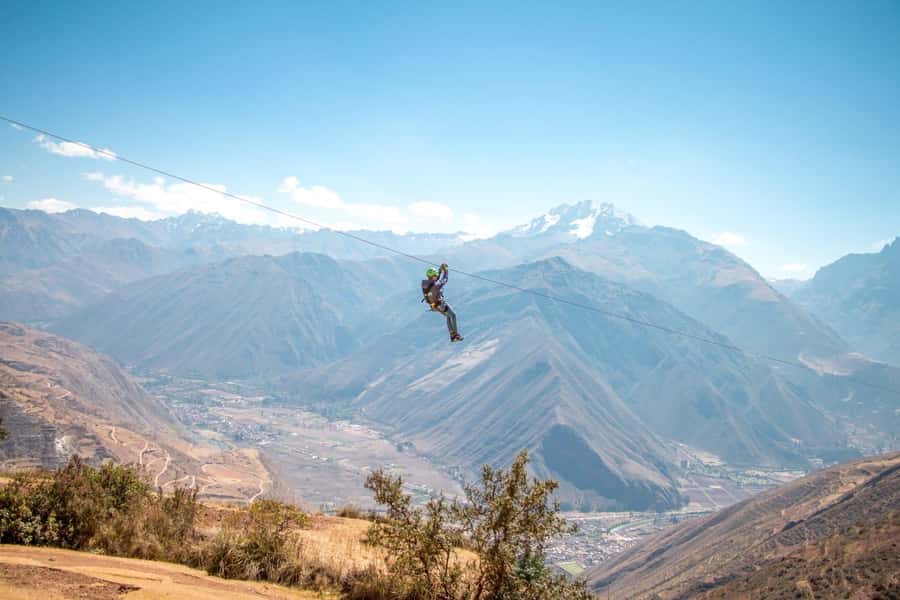
Feel the valley open beneath you. This three-hour zipline trip from Cusco combines four different cables with wide views of the Sacred Valley, snowy peaks, and mountain walls. It is a simple way to add a shot of adventure to a Cusco visit without giving up most of your day.
I like the gradual start and the variety of the four runs. The first cable lets you get comfortable, while the later cables add speed, unusual body positions, and better views. I also like that transport, helmets, harnesses, gloves, and the zipline itself are included. The main consideration is that this is not a gentle sightseeing outing. It is not suitable for pregnant women, wheelchair users, or people with pre-existing medical conditions.
The trip costs $45 per person, which is fair if you want an active experience with transport included. Food and personal spending are extra, and you should bring a camera and some cash. The guides speak English and Spanish, and the activity has earned strong praise for its helpful instruction, friendly manner, and spectacular views.
In This Review
- Key points at a glance
- From Cusco’s historic center to Mirador de Racchi
- Getting fitted with harness, helmet, and gloves
- Cable one: a calm start above the valley
- Cable two: the fastest run
- Cable three: Superman and Superwoman positions
- Cable four: the best views of the canyon and peaks
- What the $45 price includes
- Who will enjoy this zipline most
- Practical advice before you go
- Cancellation and booking flexibility
- Should you book the Sacred Valley zipline?
- FAQ
- How long does the Sacred Valley zipline activity last?
- How far is the zipline base from Cusco?
- Does the price include transportation?
- How many zipline cables are included?
- What equipment is provided?
- Is the activity suitable for everyone?
Key points at a glance
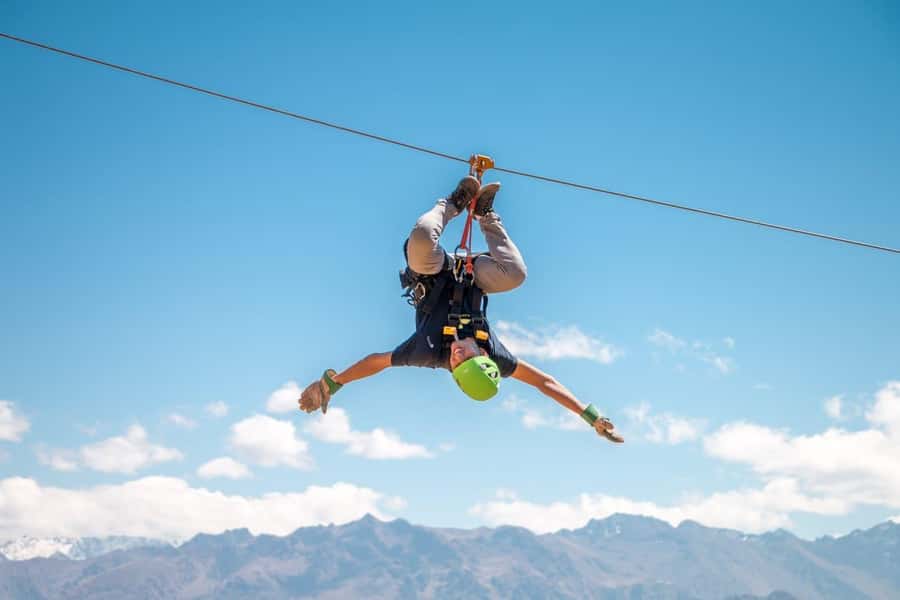
- Four cables, four different moods: Start gently, then move into a faster run, an acrobatic cable, and a final route with the best canyon and valley views.
- Racchi is the launch point: The base sits at the Mirador de Racchi, about 40 minutes from Cusco’s historic center by the provided transport.
- The second cable brings the speed: This is the run designed for the strongest flying sensation.
- The third cable allows Superman style: You can try an extreme position such as Superman or Superwoman, if conditions and instructions allow.
- The final cable is the scenic payoff: Expect views toward the canyon, Sacred Valley, mountains, and snowy peaks.
- The $45 price covers the main essentials: Hotel transport near or within the historic center, equipment, instruction, and all four zipline runs are included.
From Cusco’s historic center to Mirador de Racchi
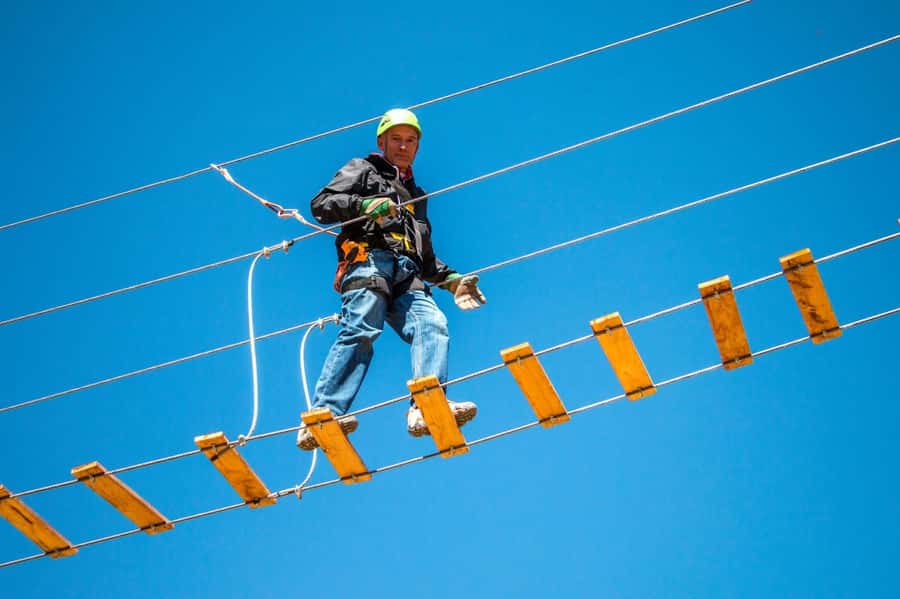
Your day begins with pickup from a hotel near or within Cusco’s historic center. The drive to the base at Mirador de Racchi takes about 40 minutes, so the three-hour activity includes a useful amount of road time as well as the zipline itself.
That transfer matters. You do not need to arrange a separate taxi to a remote meeting point, and the return ride is included too. Pickup coverage is not described for every part of Cusco, so if your hotel sits outside the historic center, check the meeting details before paying.
Mirador de Racchi is the starting point for the activity and the place where the views begin to frame the experience. The attraction here is not a long walk or a cultural lecture. You are arriving at a high viewpoint and preparing to cross open space above the Sacred Valley.
The 40-minute trip also means you should treat this as a half-day commitment, even though the listed activity duration is three hours. Check the available starting times carefully, especially if you have a fixed afternoon plan in Cusco.
More of the Sacred Valley in a day:
- From Cusco: Sacred Valley & Maras Salt Mines Tour with Lunch
★ 4.8 · 2,227 reviews - From Cusco: Moray, Maras Salt Mines & Chinchero Weavers Tour
★ 4.8 · 1,925 reviews - Cusco: Sacred Valley, Pisac, Ollantaytambo, Salt Mines Moray
★ 4.6 · 1,058 reviews
Getting fitted with harness, helmet, and gloves
At the base, you receive the safety equipment needed for the activity: a harness, helmet, and gloves. The guides then explain how the equipment works and how to approach each cable.
This safety briefing is an important part of the outing. Ziplining is easy to understand once you are set up, but the harness and braking instructions need your full attention. Listen closely before the first run, even if you have used a zipline elsewhere.
The first cable is deliberately gentle. It gives you time to learn the basic body position and get used to moving along the line. I like this order because the experience does not throw you straight into the fastest section. You can learn by doing before the height, speed, and open views become the main event.
The supplied feedback places strong emphasis on the guides being informative, helpful, experienced, and friendly. That is exactly what you want here. Good instruction can make the difference between spending the first cable tense and using it to get your bearings.
You should also wear clothing that allows easy movement and secure anything you bring. The official advice specifically calls for a camera and cash, but a camera should be easy to carry and not loose in a pocket. The details of storage are not provided, so ask the guides before starting if you are unsure where to keep personal items.
Cable one: a calm start above the valley
The opening cable is the warm-up. Its purpose is to help you become familiar with the equipment and the sensation of leaving the platform.
Do not judge the whole activity by this first run. It is meant to be soft, so it may feel less exciting than the cables that follow. That slower start is useful if you are nervous, have never tried ziplining, or simply want to understand how your body reacts before the faster sections.
You also get your first chance to look around. The Sacred Valley is the setting, with mountain views and snowy peaks forming the background. The first cable is less about speed and more about building confidence.
If your group includes people with different comfort levels, this progression should help. A confident participant can enjoy the anticipation, while a cautious participant gets a proper introduction rather than an instant rush.
Cable two: the fastest run
The second cable is the speedy one. It provides the strongest sensation of flying in the four-cable sequence.
This is likely the point when the activity feels most like a true adrenaline ride. The run is not simply another version of the first cable. It changes the pace and gives you a clearer sense of the distance between the launch point and the landing platform.
Pay attention to the instructions before you leave. Speed can make the arrival feel quick, and your position on the line matters. The guides control the process, so follow their signals rather than trying to improvise.
For many people, this will be the favorite cable. It offers the rush promised by the activity, while the final run saves the widest scenic reward. If you want action more than photography, this is the cable to remember.
More zip lines and cable runs:
- Sam’s Zip Line in Sacred Valley
★ 5.0 · 75 reviews - Rafting & Zip line Urubamba River 1 Day
★ 5.0 · 75 reviews - 4-Day Inca Jungle Adventure, Mountain Biking, Rafting and Zipline
★ 5.0 · 60 reviews - Cusco Rafting and Zipline Adventure
★ 4.5 · 47 reviews
Cable three: Superman and Superwoman positions
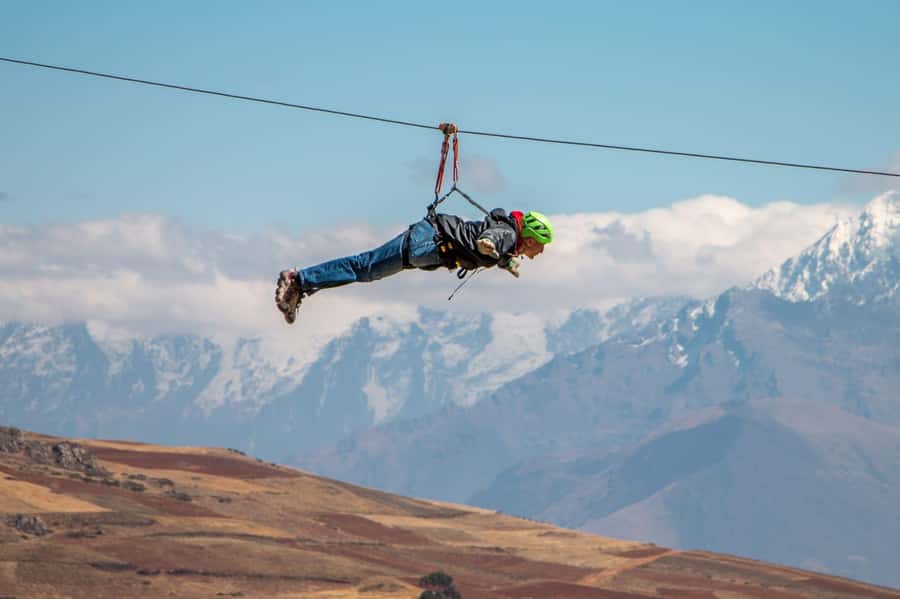
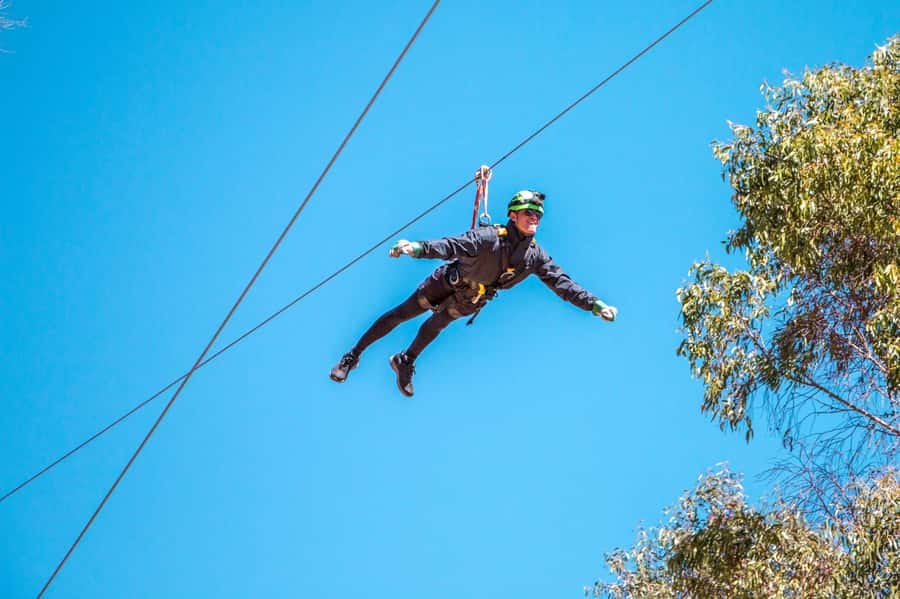
The third cable is designed for more extreme movement. It is the place to try a Superman or Superwoman position, with your body extended rather than sitting in the standard zipline posture.
This option adds a playful challenge. It also explains why the activity is not just four identical rides. Each cable has a different purpose, giving you a progression from basic technique to speed and then to movement.
The wording around these positions suggests they are available for participants who want the extra challenge, not a requirement for everyone. If you prefer a standard position, ask the guide what is appropriate for your run. You should never attempt an unusual position until the staff gives clear instructions.
A photo can be especially fun on this cable, but camera use must not distract you from the safety briefing or the guide’s commands. Bring a camera only if you can use it safely and securely.
Cable four: the best views of the canyon and peaks
The fourth cable is the scenic finale. It offers the best views of the canyon, Sacred Valley, surrounding mountains, and snowy peaks.
That makes the final run more than a closing burst of speed. It is the cable where you will want to look outward and take in the scale of the setting. The views are the main reason to keep a camera ready, though the exact conditions can affect what you see on the day.
This is also where the activity feels most connected to its location. You are not on a zipline placed beside a city amusement park. You are crossing open mountain scenery in the Cusco Region, with the Sacred Valley below and high peaks around it.
The scenic focus gives the four-cable format a good balance. The second cable supplies speed, the third adds a stunt-like option, and the fourth gives you time to appreciate where you are.
What the $45 price includes
At $45 per person, the value depends on how much you would otherwise spend arranging transport and a separate activity. This package includes pickup and return transport, safety equipment, the guides, and the four zipline runs.
That is a reasonable package for a three-hour outing. You are not paying only for a single short cable ride. You receive a sequence of four runs, with each one offering a different type of experience.
Food is not included, and extra expenses are your responsibility. The activity information specifically recommends bringing cash, so carry enough for anything you may need during the outing. No meal stop is promised, so eat before pickup or plan food separately.
The price is less attractive if you want a full-day Sacred Valley tour with ruins, villages, or a meal. Those features are not part of this experience. Think of it as a focused outdoor activity, not a broad cultural tour.
For an active half-day, the cost is easy to justify. For a visitor with limited time who mainly wants archaeological sites, you may prefer to reserve those hours for a different Cusco plan.
Who will enjoy this zipline most
I would recommend this experience to you if you want a clear dose of adventure without committing to a full day. The four cables make it suitable for someone who wants more than a quick ride, while the gentle first cable gives newcomers a sensible entry point.
It should also suit you if mountain views matter as much as speed. The final cable is built around the scenery, and the activity provides views of the canyon, Sacred Valley, mountains, and snowy peaks.
The trip is less suitable if you dislike heights, want a quiet viewpoint visit, or need a flexible schedule. The drive to and from the activity takes part of the three-hour window, and the exact start times depend on availability.
The activity is specifically not suitable for pregnant women, wheelchair users, or people with pre-existing medical conditions. If you have a health concern that is not covered by those categories, ask the provider before booking rather than guessing.
English and Spanish instruction is available. That is useful for international visitors, but you still need to understand the safety directions before each cable.
Practical advice before you go
Keep your plans simple around this outing. Since the activity takes three hours and includes a 40-minute transfer to the base, avoid booking another time-sensitive appointment too close to the pickup or return.
Bring a camera, but make security the first concern. A loose phone or camera can become a hazard on a moving cable. Ask the guides how they want you to carry it before you start.
Cash is also on the recommended packing list. Food is not included, and the activity has extra expenses, so do not assume every possible cost is covered by the $45 price.
Wear something comfortable for a harness and movement. The supplied information does not set out a dress code, so the safest approach is practical clothing that will not interfere with the harness or helmet.
Finally, use the first cable as a lesson. Learn the correct position, listen to the braking instructions, and ask questions before the faster second run or the Superman-style third run.
Cancellation and booking flexibility
You can cancel up to 24 hours in advance for a full refund. The reserve-now-and-pay-later option lets you hold a place without paying immediately, which is useful when your Cusco schedule is still shifting.
Starting times depend on availability, so check the time before you finalize your day. Pickup is provided from hotels near or within the historic center, with return transport included.
Should you book the Sacred Valley zipline?
Book it if you want a compact, well-structured adventure with four distinct runs and strong mountain views. The gradual first cable, fast second cable, acrobatic third cable, and scenic fourth cable give the outing a clear rhythm. The included transport and equipment make the $45 price easier to accept.
Skip it if your main goal is ruins, local culture, or a relaxed Sacred Valley drive. This is a focused zipline activity, not a full valley tour, and it asks you to be comfortable with heights and physical movement.
For the right visitor, it is a lively addition to a Cusco itinerary. The guides’ friendly, helpful instruction is a major plus, and the final cable gives you the visual reward that makes the trip feel tied to the Sacred Valley rather than just another ride.
FAQ
How long does the Sacred Valley zipline activity last?
The activity lasts three hours. Starting times vary, so check availability when choosing your date.
How far is the zipline base from Cusco?
The base at Mirador de Racchi is about 40 minutes from Cusco’s historic center by transport.
Does the price include transportation?
Yes. The price includes transport from the hotel near or within the historic center and return transport.
How many zipline cables are included?
Four cables are included. The first is gentle, the second is the fastest, the third allows Superman or Superwoman positions, and the fourth offers the best views of the canyon, Sacred Valley, and mountains.
What equipment is provided?
Safety equipment includes a harness, helmet, and gloves. The zipline and safety instructions are also included.
Is the activity suitable for everyone?
No. It is not suitable for pregnant women, wheelchair users, or people with pre-existing medical conditions.
Just added around Peru
- Cusco: Rainbow Mountain and viewpoint red valley ( optional)★ 4.8 · 3 reviews
- Montaña de Colores: tour en cuatrimotos día completo★ 3.3 · 3 reviews
- Tour Pallay Punchu Trek Full Day★ 4.2 · 3 reviews
- From Nazca: Cahuachi Pyramids Private Tour★ 4.3 · 3 reviews
- From Paracas | Excursion to Ica and Huacachina★ 3.1 · 3 reviews
- Monkey Island + Lake Sandoval 2D/1N★ 4.6 · 3 reviews
- Excursion Cusco – Puno – Titicaca Observatory Train★ 5.0 · 3 reviews
- From Lima: Paracas and Huacachina Guided Desert Oasis Trip★ 5.0 · 3 reviews
Sacred Valley Tours, compared.
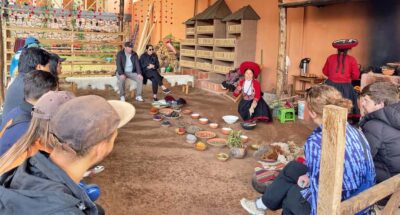
Sacred Valley & Maras Salt Mines Tour with Lunch
Read our review →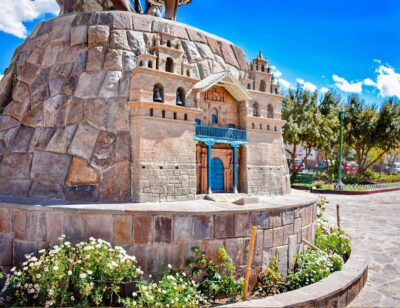
Moray, Maras Salt Mines & Chinchero Weavers Tour
Read our review →
Sacred Valley, Pisac, Ollantaytambo, Salt Mines Moray
Read our review →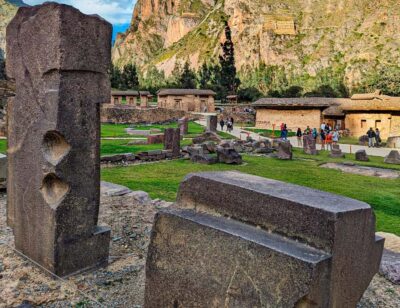
Chinchero,Moray & Salt Mines drop-off in Ollantaytambo
Read our review →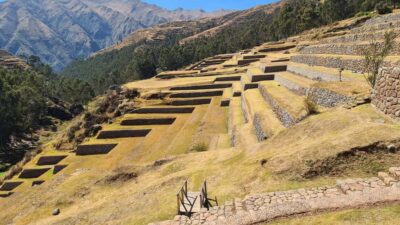
Sacred Valley: Chinchero, Moray, Ollantaytambo & Pisac+Lunch
Read our review →
Sacred Valley: Maras & Moray by Quad Bike from Cusco
Read our review →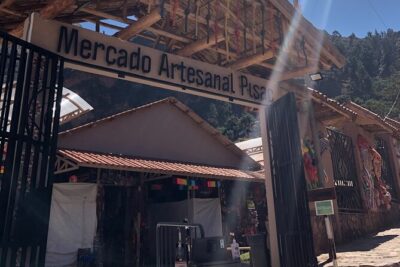
Pisac Indian Market and Ollantaytambo Fortress with Lunch
Read our review →
2-Day Trip to the Sacred Valley and Machu Picchu
Read our review →Browse the lists this tour appears in