
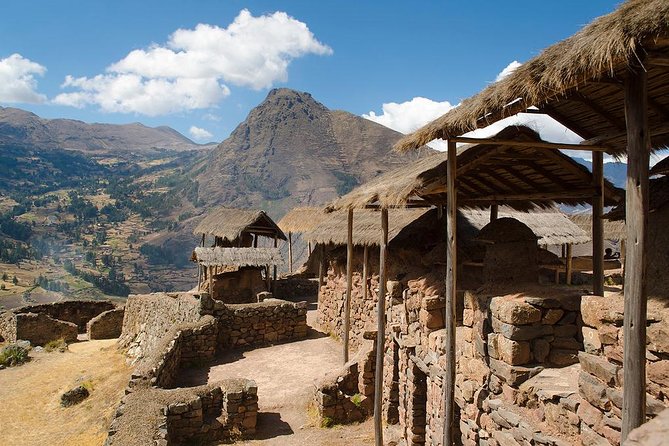
Reviewed · SACRED VALLEY TOURS
Complete Sacred Valley Tour (Full Day)
The Sacred Valley rewards an early start. This 13-hour outing packs Chinchero, Moray, Ollantaytambo, and Pisac into one sweeping day, with small-group transport and a traditional buffet lunch in Urubamba. I especially like the chance to see both Inca sites and living Andean culture, including weaving, village streets, markets, and local customs. The tradeoff is simple: this is a long, tightly timed day, and several entrance fees cost extra.
The guide can make or break a history-heavy tour, and Willy receives especially warm praise for his humor, patience, and ability to connect Inca spirituality with modern science. At $38 per person, the tour offers good value if you want one efficient introduction to the valley, but independent visitors who prefer slow walks or long market stops may find the schedule brisk.
In This Review
- Key points to know before booking
- Why this $38 Sacred Valley tour can be good value
- A long morning begins at Chinchero
- Moray explains Inca farming in 45 minutes
- Ollantaytambo brings the Inca city to life
- Urubamba lunch breaks up the sightseeing
- Pisac combines shopping with major ruins
- What the guide and group size mean
- Practical advice for making the day easier
- Who should book this Sacred Valley day trip?
- FAQ
- How long does the Sacred Valley tour last?
- What time does the tour start?
- Which places are included in the route?
- Is lunch included?
- Are entrance tickets included?
- Is the Maras salt-mine entrance included?
- How many people can join the tour?
- Should you book this tour?
Key points to know before booking
- Four major stops in one day: Chinchero, Moray, Ollantaytambo, and Pisac give you a broad look at the Sacred Valley.
- A 6:00 a.m. pickup is listed: The meeting information also says 7:00 a.m., so confirm your exact pickup time before departure.
- Willy is a guide worth requesting: His storytelling, patience, and humor received the strongest praise in the available feedback.
- Urubamba lunch is included: The buffet includes a vegan option, which makes the midday stop practical for different diets.
- Site tickets are not fully included: The partial Tourist Ticket costs 70 soles, while a full ticket costs 130 soles and lasts 10 days.
- The group-size details vary: The tour is promoted as a maximum of 12 people, while the additional information lists up to 15.
Why this $38 Sacred Valley tour can be good value
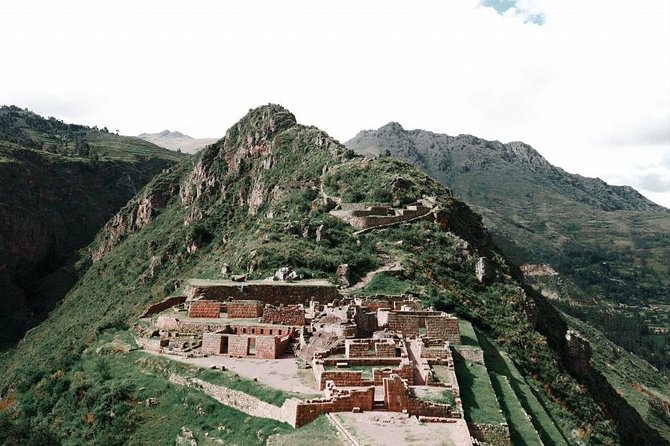
At $38 per person, this is priced as an accessible full-day introduction to one of Peru’s best-known cultural areas. You get transport, an English and Spanish speaking guide, and lunch in Urubamba. That matters in Cusco, where arranging four separate stops by taxi or private car can quickly cost more than the tour price.
The value comes from the route. You are not paying for one attraction and a short transfer. You are covering a large area, moving from highland village traditions to agricultural terraces, an Inca town, a market, and major ruins. The guide also gives the day shape, which is useful when the sites have different purposes and stories.
Still, $38 does not cover every admission charge. The partial Tourist Ticket is 70 soles per person, and the full version is 130 soles for 10 days. The full ticket may make sense if you plan to visit several other covered sites during your stay. Check which ticket your route requires before booking, since the listed admission details are not perfectly clear.
A separate fee of 10 soles is given for the Maras salt mines. Maras is not included among the four main stops described here, so ask the operator about this charge before paying. You want to know exactly which places your day includes and which fees apply to your chosen route.
More Sacred Valley Tours in Cusco
- From Cusco: Sacred Valley & Maras Salt Mines Tour with Lunch
★ 4.8 · 2,227 reviews - From Cusco: Moray, Maras Salt Mines & Chinchero Weavers Tour
★ 4.8 · 1,925 reviews - Cusco: Sacred Valley, Pisac, Ollantaytambo, Salt Mines Moray
★ 4.6 · 1,058 reviews
A long morning begins at Chinchero
The day is scheduled to begin with a hotel pickup in Cusco at 6:00 a.m., followed by about an hour in a tourist van to Chinchero. The meeting-point information lists a 7:00 a.m. start, so this is one detail I would confirm directly. A one-hour difference matters when you are arranging breakfast, sleep, and hotel pickup.
Chinchero gives you a gentle introduction to the valley. You will see adobe homes, narrow cobbled streets, and residents in traditional Peruvian clothing. The village is also associated with Inca traditions and textile crafts, so the stop is not just about photographing old walls.
If the demonstration is offered, you can watch wool being washed and dyed with native plants and minerals. This is one of the more useful cultural moments in the day because it connects the finished textile sold in a market with the work behind it. You can see how natural materials become color and cloth rather than treating handicrafts as simple souvenirs.
The archaeological complex and colonial temple add another layer. Chinchero shows how different periods overlap in the Andes, with Inca remains and Spanish colonial influence in the same setting. Your visit is scheduled for about one hour, which is enough for an introduction but not for an unhurried study of every detail.
The drawback is that the stop may feel early and quick. After a pre-dawn departure, you might still be waking up when the first explanations begin. Bring water and a small breakfast if your hotel does not provide one, but keep it practical because the tour soon moves on.
Moray explains Inca farming in 45 minutes
From Chinchero, the van continues to Moray, an unusual site built around circular agricultural terraces. The Incas used the area for agricultural experiments and seed cultivation, and the guide explains how the terraces were designed.
The drainage system is a key detail. Water management was essential in the Andes, especially during the rainy season, and the system at the bottom of the terraces helped prevent flooding. That practical engineering makes Moray more than an attractive set of rings cut into the ground.
You have about 45 minutes here. That is a short visit, but it suits the site well if your guide gives a clear explanation and you take time to look at the full structure. The value of the stop lies in understanding how the Incas adapted farming to difficult conditions, not simply in taking a quick photo.
Admission is not included. The tour information lists the partial Tourist Ticket at 70 soles and the full ticket at 130 soles for 10 days. Budget for this before you go, since the advertised tour price is only part of your total cost.
Moray also shows why a guide helps. Without context, you may see terraces and move on. With a strong explanation, you can understand the site as a working experiment in altitude, drainage, and food production. Willy’s praised approach, linking Inca ideas with science and modern life, sounds particularly well suited to this stop.
Ollantaytambo brings the Inca city to life
Ollantaytambo is the emotional center of this route for many people. The town retains traditional Inca urban construction, including narrow stone streets and water channels running beside them. As you walk, the sound of flowing water helps you picture the town as a living place rather than a pile of ruins.
The stop lasts about one hour. That gives you time to walk through the stone streets and see the upper ceremonial area, but it is not enough for a slow, detailed exploration of every terrace and wall. If you want extensive time at Ollantaytambo, a dedicated visit would serve you better.
The upper section includes a ceremonial center linked to water worship and a fortress that guarded access to the lower valley. These details give the site a clear purpose. You are seeing both religious planning and military control, set above a town that still preserves its old street pattern.
Ollantaytambo is also the point where the tour’s schedule may feel most demanding. The town rewards pauses and looking closely, but the wider route requires you to keep moving. I would stay with the group, listen carefully to the guide’s main explanation, and use any free minutes for the streets and water channels rather than trying to cover every corner.
Admission is listed as free for this stop, but the separate Tourist Ticket information should still be checked because ticket rules can apply across archaeological sites. The published details are not entirely consistent, so confirm what your guide will collect or what you must purchase yourself.
More of the Sacred Valley in a day:
- Cusco:Chinchero,Moray & Salt Mines drop-off in Ollantaytambo
★ 4.8 · 793 reviews - Sacred Valley: Chinchero, Moray, Ollantaytambo & Pisac+Lunch
★ 4.8 · 501 reviews - Sacred Valley: Maras & Moray by Quad Bike from Cusco
★ 4.6 · 418 reviews - Pisac Indian Market and Ollantaytambo Fortress with Lunch
★ 4.5 · 395 reviews
Urubamba lunch breaks up the sightseeing
A buffet lunch in Urubamba is included, with a vegan option. This is a practical feature, not just a pleasant extra. A full day of walking, standing, and riding between sites is easier when lunch is arranged rather than left to chance.
Urubamba sits in the valley and provides a natural pause between the archaeological stops. You can eat, regain energy, and prepare for the afternoon market and ruins at Pisac. The buffet format should also help a group move through lunch more efficiently than ordering individual meals.
The information does not specify the exact dishes, restaurant, or length of the meal. I would therefore treat this as a convenient included lunch rather than booking the tour for a particular culinary experience. If you have dietary needs beyond the stated vegan option, confirm them ahead of time.
Lunch also affects the value calculation. If you were arranging transport and meals separately, the day would require more planning. Here, the meal is built into the schedule, which keeps the total cost easier to manage.
Pisac combines shopping with major ruins
The final major section takes you to Pisac, a small village known for its artisan market. You get free time to browse handicrafts and souvenirs and to interact with local people. This is the most commercial part of the day, but it also gives you a chance to see how Andean craft traditions are presented to visitors.
Keep your expectations in check. The schedule gives about one hour for Pisac, and that includes both the market and the ruins. If you like to compare textiles, pottery, jewelry, and other goods at a relaxed pace, one hour will pass quickly.
The Pisac ruins provide the stronger historical finish. After the market, you explore the archaeological site before returning to Cusco. Putting the market and ruins together lets you see both present-day commerce and the older settlement above it, though the short timing means you will need to choose where to focus.
This is a good place to use the guide’s wider perspective. A guide such as Willy, praised for explaining Inca spirituality, stories, science, and modernity, can help connect the ruins to the people and communities you have seen during the day. That kind of context is more useful than a string of dates and names.
The return to Cusco is expected around 6:30 to 7:00 p.m. With the early pickup, you are looking at roughly 13 hours from start to finish. Plan nothing demanding for the evening. Your feet and attention will have earned a quiet dinner.
What the guide and group size mean
The strongest praise centers on Willy. The feedback describes him as patient, funny, and deeply informed, with a gift for telling Inca stories while also discussing spirituality, science, and modern life. That combination matters because the Sacred Valley can otherwise become a sequence of ruins viewed through a bus window.
A guide’s language skills matter here too. The tour includes bilingual guiding in Spanish and English. If your English is limited, confirm the language arrangement when booking, particularly because the group may include people with different preferences.
The group-size information needs a quick check. The highlights promise a maximum of 12 people, while the additional details say the activity may have up to 15. Either size is smaller than a large coach tour, but the difference can affect how easily you hear the guide and how quickly the group moves through narrow streets.
A small group also helps at Chinchero’s craft demonstration and Pisac’s market. You may have a better chance to ask questions and stay connected with the guide. On the other hand, a group tour still follows a shared schedule, so you will not control every stop.
Practical advice for making the day easier
Confirm the pickup time. The detailed route says 6:00 a.m., while the meeting information says 7:00 a.m. Ask for the exact hotel pickup time and meeting point before the morning of departure.
Budget for tickets separately. The partial Tourist Ticket is listed at 70 soles per person, and the full sites ticket at 130 soles for 10 days. The full ticket can be better value if you will visit additional covered attractions during the same period.
Ask about Maras. A 10-sol salt-mine entrance fee appears in the extra-cost information, but Maras is not one of the four main stops described. Clarify whether it applies to your departure, an optional variation, or another route.
Wear practical walking shoes. Chinchero has cobbled streets, and the archaeological sites include uneven stone surfaces and terraces. The tour information says most people can participate, but you should still be comfortable walking for much of the day.
Keep your purchases manageable. Pisac includes free time for handicrafts and souvenirs, but you will still carry anything you buy through the remaining parts of the route and the ride back to Cusco.
Finally, protect your energy. This is not a slow valley retreat. It is a broad survey of several important places, and the early start plus evening return makes it best for people who want coverage more than lingering.
Who should book this Sacred Valley day trip?
I would choose this tour if you have limited time in Cusco and want to see the valley’s main highlights without arranging separate taxis, tickets, and lunch. It suits first-time visitors, history fans, shoppers who want time at Pisac, and anyone who values a guide who can explain more than basic dates.
It also works well for people who prefer a smaller vehicle and a group smaller than a large coach. The included bilingual guide and Urubamba buffet make the day easier to manage, while the $38 price keeps the starting cost low.
I would hesitate if you dislike early mornings, long drives, fixed schedules, or short visits at major sites. You may also prefer a private outing if Ollantaytambo or Pisac is a personal priority and you want more than one hour there.
The best reason to book is the range. In one day, you see village life, textile work, Inca farming, ceremonial and military architecture, living streets, a market, and high archaeological sites. The best reason to pause is the pace. You will gain a strong first look, not a slow, exhaustive study.
FAQ
How long does the Sacred Valley tour last?
The tour lasts approximately 13 hours. The route begins with an early pickup in Cusco and returns around 6:30 to 7:00 p.m.
What time does the tour start?
The detailed route gives a 6:00 a.m. hotel pickup. The meeting-point information lists a 7:00 a.m. start, so confirm your exact pickup time with the provider.
Which places are included in the route?
The route includes Chinchero, Moray, Ollantaytambo, Urubamba for lunch, and Pisac, including its artisan market and ruins.
Is lunch included?
Yes. A buffet lunch in Urubamba is included, and a vegan option is available.
Are entrance tickets included?
No. The partial Tourist Ticket is listed at 70 soles per person, and the full ticket for covered sites is listed at 130 soles for 10 days.
Is the Maras salt-mine entrance included?
No. An entrance fee of 10 soles per person is listed for the salt mines of Maras. Maras is not one of the four main stops described, so confirm whether it applies to your specific route.
How many people can join the tour?
The tour is promoted with a maximum of 12 people, while the additional information lists a maximum of 15. Confirm the expected group size when booking.
Should you book this tour?
Book it if you want a well-priced, full-day overview with transport, lunch, a bilingual guide, and several major Sacred Valley stops. Pay special attention to the pickup time, ticket costs, Maras fee, and group-size discrepancy. If those details suit your plans, the combination of broad coverage and potentially excellent guiding, especially with Willy, makes this a sensible first Sacred Valley outing.
More Full-Day
- From Cusco: Full-Day Group Tour of Machu Picchu
★ 4.7 · 1,767 reviews - Machu Picchu: Full-Day Tour from Cusco with Optional Lunch
★ 4.6 · 927 reviews - Full-Day Excursion to Sacred Valley, Pisac and Ollantaytambo from Cusco
★ 4.5 · 174 reviews - Food and Culture Full day Tour in the Sacred Valley
★ 5.0 · 144 reviews
Just added around Cusco
- Cusco: Rainbow Mountain and viewpoint red valley ( optional)★ 4.8 · 3 reviews
- Montaña de Colores: tour en cuatrimotos día completo★ 3.3 · 3 reviews
- Tour Pallay Punchu Trek Full Day★ 4.2 · 3 reviews
- Excursion Cusco – Puno – Titicaca Observatory Train★ 5.0 · 3 reviews
- Cusco: Palcoyo Mountain Day Trip with Breakfast and Lunch★ 4.8 · 3 reviews
- Maras Moray★ 5.0 · 3 reviews
- Tour to Laguna Humantay with breakfast and lunch from Cusco★ 4.7 · 3 reviews
- From Cusco:Chinchero, Moray, Maras, Ollantaytambo with lunch★ 5.0 · 3 reviews
Sacred Valley Tours, compared.
Sacred Valley & Maras Salt Mines Tour with Lunch
Read our review →
Moray, Maras Salt Mines & Chinchero Weavers Tour
Read our review →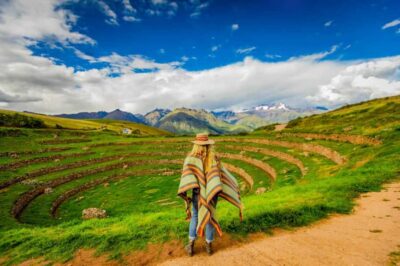
Sacred Valley, Pisac, Ollantaytambo, Salt Mines Moray
Read our review →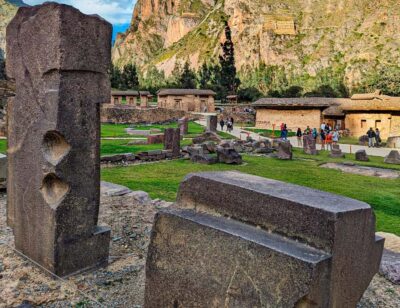
Chinchero,Moray & Salt Mines drop-off in Ollantaytambo
Read our review →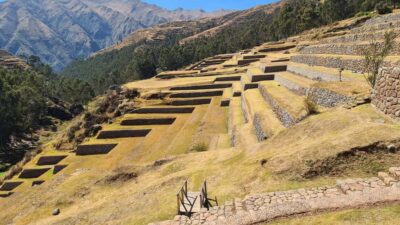
Sacred Valley: Chinchero, Moray, Ollantaytambo & Pisac+Lunch
Read our review →
Sacred Valley: Maras & Moray by Quad Bike from Cusco
Read our review →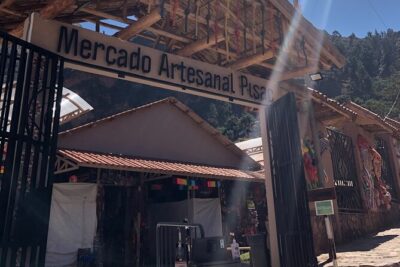
Pisac Indian Market and Ollantaytambo Fortress with Lunch
Read our review →
2-Day Trip to the Sacred Valley and Machu Picchu
Read our review →Browse the lists this tour appears in