
Reviewed · CUSCO TOURS
07 Day Andean Experience Through the Living Culture of the Incas
Machu Picchu is only part of the story. This seven-day Andean journey connects Cusco, the Sacred Valley, and the Inca citadel with local markets, weaving traditions, salt terraces, and working archaeological sites. I especially like the careful first-day acclimatization and the chance to see both famous ruins and living Andean culture. I also like that trains, buses, entrances, transfers, breakfasts, and a guide are bundled into one price.
The main caution is the pace. You reach high elevations quickly, spend long hours on the road, and face an especially full Machu Picchu day. The $1,299 price is reasonable for what it covers, but this is not a slow, free-form holiday. It suits you best if you want a well-organized first visit and can handle early starts, altitude, and several busy sightseeing days.
In This Review
- Key details before you book
- Your first afternoon in Cusco at 3,400 meters
- Sacsayhuaman and the four ruins above Cusco
- Machu Picchu by train, bus, and guided walk
- Moray and the Maras Salt Mines at high elevation
- A free Cusco day with four possible moods
- Pisac Ruins, wildlife, and the market
- The final morning and the practical value of the package
- Guide quality and the one serious caution
- What to pack and how to prepare
- Should you book this seven-day Andean journey?
- FAQ
- Where does the tour begin?
- How high is Cusco?
- Is the first day used for acclimatization?
- Is Machu Picchu entrance included?
- Is train transportation to Machu Picchu included?
- Are meals included?
- What hotels are provided?
- Is this a private tour?
- Can I cancel the booking?
Key details before you book
- Cusco begins at 3,400 meters: Day one is reserved for rest and acclimatization, a smart feature for anyone arriving from near sea level.
- Machu Picchu takes nearly a full day: You travel by train and bus, tour the citadel with a guide, and return to Aguas Calientes for lunch and rest.
- The tour includes major Sacred Valley sites: Ollantaytambo, Moray, the Maras Salt Mines, Pisac, and the Pisac Market all appear in the schedule.
- The price covers the costly essentials: Six hotel nights, six breakfasts, entrance fees, transfers, train travel, buses to Machu Picchu, and an English-speaking guide are included.
- You have one flexible Cusco day: You can explore independently or choose an optional activity such as Rainbow Mountain, horseback riding, a city tour, or an ATV outing.
- Guide quality matters here: Past experiences have praised guides including Yeny, Jonathan, Percy, Saul, Ronald, Julio, Herlin, and Grigio for their care, explanations, and practical help.
Your first afternoon in Cusco at 3,400 meters
Your arrival day is wisely light. A member of Inkayni Peru Tours meets you at Alejandro Velasco Astete Airport and takes you to your accommodation in Cusco, where the elevation is about 3,400 meters, or roughly 11,000 feet.
That altitude is not a minor footnote. You can feel tired, short of breath, or headachy even when walking slowly. The schedule gives you an afternoon to rest and get used to the thin air instead of rushing straight to ruins. I would use it for a gentle walk near your hotel, water, a light meal, and an early night.
At about 5:00 PM, you meet your group for a briefing. This is the time to confirm the next day’s departure, ask about meals and meeting points, and make sure your passport and university card are ready if you need a student discount.
The accommodation is described as a three-star hotel on a double-occupancy basis. That makes the trip practical rather than luxurious. If you are traveling alone, confirm the room arrangement and any single supplement before paying.
A few more Peru trips worth weighing up
- Cusco: Humantay Lake Tour with Breakfast and Buffet Lunch
★ 4.9 · 2,976 reviews - From Cusco: Sacred Valley & Maras Salt Mines Tour with Lunch
★ 4.8 · 2,227 reviews - From Cusco: Moray, Maras Salt Mines & Chinchero Weavers Tour
★ 4.8 · 1,925 reviews
Sacsayhuaman and the four ruins above Cusco
Day two begins with Sacsayhuaman, the huge stone complex above Cusco. Massive blocks, some weighing more than 100 tons, were fitted with remarkable precision. The site gives you a quick lesson in Inca construction: careful stonework mattered not only for beauty, but also for strength and protection.
The Spanish used parts of Sacsayhuaman after the conquest, so the site you see is not fully intact. Even so, the remaining walls are powerful. From here, Cusco spreads below you, making this a good place to understand the city’s setting.
You then visit Qenko, Tambomachay, and Puca Pucara. These stops are smaller, but they add variety. Qenko is linked with ritual use and carved stone features. Tambomachay is associated with water and ceremonial baths. Puca Pucara served as a guard post or way station.
The morning reaches about 3,700 meters, higher than Cusco. Keep your pace slow. You do not need to prove anything to the mountain, and the guide can explain far more when you are not trying to catch your breath.
The day continues toward Ollantaytambo at about 2,792 meters. This drop in elevation can feel welcome. Ollantaytambo is more than an archaeological stop. It is also a living town with Inca-era street planning and cobbled lanes still in use.
The ruins rise above the town and include terraces, ceremonial areas, and steep stonework. The site is physically demanding in places, with uneven ground and steps. Good shoes matter, even though this is not a multi-day trek.
Ollantaytambo is one of the strongest parts of the itinerary because it joins ancient stonework with present-day life. You are not looking at an isolated pile of ruins. You can see how the old town plan continues to shape daily movement.
Machu Picchu by train, bus, and guided walk
Day three is the centerpiece, and it starts early. After breakfast, you board a morning bus to Machu Picchu. The schedule lists about 12 hours, so think of this as a full expedition day rather than a quick sightseeing outing.
Train travel to Machu Picchu is included, using either Voyager or Expedition service with Inca Rail. The package also includes the round-trip buses from Aguas Calientes to the sanctuary entrance. Those inclusions matter because transport costs can add up quickly when arranged separately.
Inside the citadel, your English-speaking guide leads a detailed visit through temples, ceremonial spaces, terraces, and storage structures. A guide is particularly useful at Machu Picchu. The stones are impressive on their own, but the site makes more sense when someone explains how its buildings, water systems, terraces, and setting fit together.
The itinerary allows an additional climb to Huayna Picchu or Machu Picchu Mountain only if you secure the separate ticket in advance. That entrance fee is not included. Do not assume you can decide at the gate. If the extra mountain matters to you, arrange it before the trip and confirm which circuit or entry time applies.
After the citadel, you return to Aguas Calientes for rest and lunch. Lunch is not included, so set aside money for it. You then continue the return journey later in the afternoon or evening.
The practical drawback is the length of the day. You may be tired before the main visit even begins, and weather can change the mood quickly. Rain and cloud are possible in the mountains. Bring a waterproof jacket or rain poncho, and do not judge the site too quickly if your first view is gray. Conditions can shift.
Moray and the Maras Salt Mines at high elevation
Day four brings you back from Aguas Calientes to Ollantaytambo, then up into the highlands. The two main stops are Moray and the Maras Salt Mines, both around 11,000 feet.
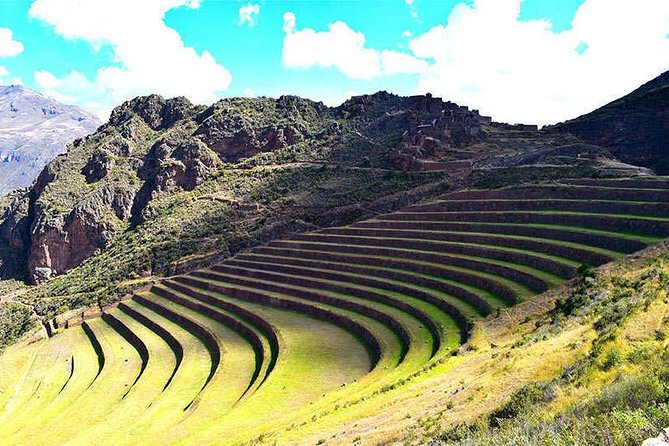
Moray consists of concentric terraces cut into a broad natural depression. The design is often described as an agricultural testing site because the terraces created different growing conditions at different levels. You can see how the Incas worked with temperature, altitude, water, and soil rather than treating the mountains as an obstacle.
The site is visually unusual and easy to remember. It also rewards a guide’s explanation, since the circular terraces can seem mysterious if you only take photographs from above.
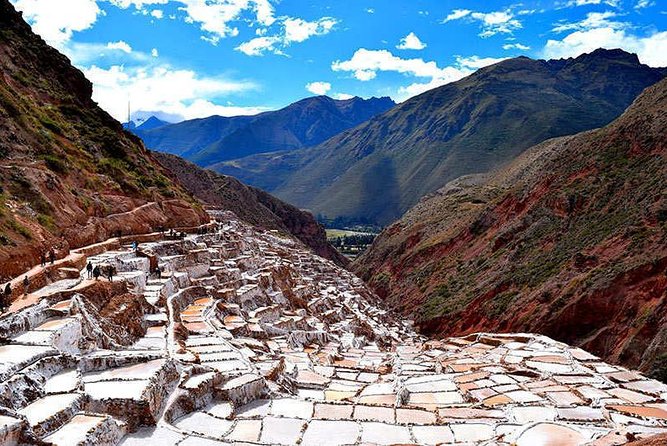
The Maras Salt Mines provide a very different scene. More than 3,000 small salt pools spread across the mountainside, fed by saltwater channels. Local families still harvest salt from the terraces, continuing a practice that began before the Inca period.
This is one of the clearest living-culture stops on the trip. You are seeing a working tradition, not just a monument. The bright pools can shimmer in strong sun, but the area may look less dramatic in wet weather. Sun cream with a factor of 35 or higher is sensible, along with a hat and water.
The day lasts about eight hours. Again, the altitude is the issue. Moray and Maras are beautiful, but they are not lowland outings. If you are still adjusting, expect the uphill portions and vehicle changes to take more energy than the distances suggest.
A completely different sort of day out from Cusco:
- From Cusco: Full-Day Group Tour of Machu Picchu
★ 4.7 · 1,767 reviews - Machu Picchu Day Trip from Cusco
★ 4.5 · 1,644 reviews - Cusco: Half-Day City Tour with Sacsayhuaman and Q’enco
★ 4.6 · 1,129 reviews - Cusco: Sacred Valley, Pisac, Ollantaytambo, Salt Mines Moray
★ 4.6 · 1,058 reviews
A free Cusco day with four possible moods
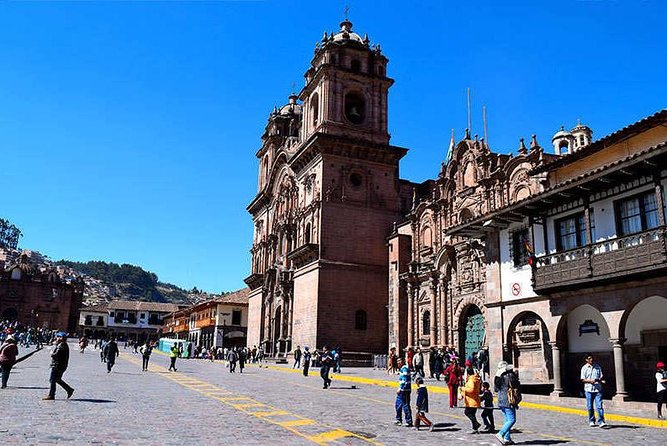
Day five gives you breathing room. You can spend it in Cusco, walk through the historic center, sit in the plazas, and see how Inca foundations and colonial buildings occupy the same streets.
This free day is valuable because the rest of the program is tightly arranged. You can slow down, shop, photograph doorways and stone walls, or simply recover. It is also a useful buffer if altitude or fatigue has caught up with you.
The operator offers several optional activities:
- Rainbow Mountain, also called Vinicunca, for a strenuous high-altitude outing.
- A Cusco city tour focused on the city’s past.
- Horseback riding around the hills near Sacsayhuaman.
- An ATV trip to Apukunaq Tianan, known for monumental stone carvings.
I would not automatically choose the hardest option. Rainbow Mountain is another demanding high-altitude day, and the schedule already includes several mountain sites. If you feel strong and want dramatic scenery, it may suit you. If your body needs a quiet morning, Cusco itself is the better choice.
One useful detail from past guide experiences is that guides have helped with restaurant reservations and local dining suggestions. Jonathan was praised for this kind of practical assistance, along with taking photographs and adjusting to the group’s needs. That sort of help can make a free day easier, especially when you do not speak Spanish.
Pisac Ruins, wildlife, and the market
Day six returns to the Sacred Valley. The first stop is the Cochawasi Animal Sanctuary, where you can see Andean animals including pumas, condors, alpacas, and llamas.
This adds a wildlife element to a schedule otherwise dominated by stonework. It also gives you a closer look at animals tied to Andean life and identity. The visit is likely to appeal to families and anyone who wants a change of pace.
Next comes the Pisac archaeological site at about 2,972 meters. Its terraces, temples, and mountain position make it one of the most memorable stops in the Sacred Valley. The ruins are described as having a layout associated with the shape of a condor, a powerful symbol in Andean tradition.
After the ruins, you descend to Pisac Market. This is where the trip’s focus on living culture becomes most practical. Stalls offer textiles, jewelry, ceramics, and other handmade goods. You can speak with artisans, compare weaving patterns, and shop for gifts without treating the market as a rushed souvenir stop.
You should still shop carefully. Prices are not fixed in every market setting, and quality varies. Look closely at the weave, stitching, and material. If supporting small businesses matters to you, tell your guide. Jonathan was specifically praised for helping people find local businesses and shopping opportunities.
The day lasts about seven hours. The combination of ruins and market works well, but the market can become a sales-heavy experience if you are not interested in shopping. You are free to look, ask questions, or buy nothing.
The final morning and the practical value of the package
Day seven is short. You may take an optional walking tour of Cusco’s historic center, then receive an airport transfer timed to your flight.
The package includes six nights in three-star hotels, six breakfasts, all entrance fees listed for the main program, transfers, the train, Machu Picchu buses, and an English-speaking guide throughout the trip. International and local flights are not included. Travel insurance is also your responsibility.
At $1,299 per person, the value depends on how much planning you want to hand over. Machu Picchu tickets, train seats, buses, multiple archaeological entrances, transfers, and six hotel nights make the price easier to justify than a simple seven-day hotel-and-guide comparison.
The package is especially useful for a first visit. You do not need to work out how to connect Cusco, Ollantaytambo, Aguas Calientes, Moray, Maras, and Pisac yourself. The tradeoff is less independence and a schedule that leaves little room for spontaneous changes.
The tour is described as private, with only your group participating. At the same time, the arrival briefing refers to an expedition group, so I would confirm the exact arrangement before booking if group size matters to you.
Guide quality and the one serious caution
The strongest praise centers on the guides. Yeny was praised for clear explanations of local culture and history, along with taking the group to an authentic restaurant. Jonathan received repeated praise for warmth, photographs, restaurant help, patience, and practical coordination.
Other guides named positively include Percy, Saul, Ronald Ccana Soralero, Julio, Herlin Apaza, and Grigio. Herlin was praised for making Machu Picchu entertaining and coordinating the visit well. Ronald was especially appreciated for looking after a solo participant, while Saul was described as attentive from start to finish.
That pattern matters. This itinerary involves many moving parts, and a good guide can explain why a place matters while also keeping transport and timing on track.
There is one important caution. One past account described inappropriate conduct by a guide that made a group of women uncomfortable. The operator acknowledged the concern and said it would address the matter. I would not ignore that point. Ask who your guide will be, make clear that respectful conduct is expected, and contact the company promptly if anything feels wrong.
What to pack and how to prepare
Bring your original passport. A current university card is needed if you want to qualify for a student discount. Pack a waterproof jacket or poncho, sun cream of factor 35 or higher, personal medication, and a camera.
You should also prepare for rapid changes in temperature and altitude. The schedule moves between Cusco, high Sacred Valley sites, and lower Ollantaytambo and Aguas Calientes. Comfortable walking shoes are a practical choice for uneven ruins and stone streets, even though they are not specifically listed among the requirements.
Do not plan demanding independent activities for every free hour. The program already includes early starts, long transport days, and high-altitude sightseeing. Your best memories may come from having enough energy to listen, look around, and enjoy a market conversation.
Should you book this seven-day Andean journey?
Book it if you want the major Cusco and Machu Picchu sights arranged in one package, with transport, tickets, hotels, breakfasts, and a guide handled for you. It is a good match for first-time visitors, solo participants who want support, families, and anyone interested in both Inca archaeology and present-day Andean traditions.
Think twice if you want luxury hotels, long unstructured mornings, or a relaxed pace. You also need to accept the non-refundable terms, since cancellations and amendments do not receive a refund.
For the right person, $1,299 buys a strong introduction to the Andes. Choose it for the careful route and logistical help, not because every day is easy. Arrive ready for altitude, keep your expectations practical, and ask about the guide and Machu Picchu mountain tickets before you commit.
FAQ
Where does the tour begin?
The tour begins in Cusco, Peru. Airport pickup is provided from Alejandro Velasco Astete Airport.
How high is Cusco?
Cusco is located at about 3,400 meters, or approximately 11,000 feet above sea level.
Is the first day used for acclimatization?
Yes. The first day is set aside for rest and acclimatization, followed by a group briefing at approximately 5:00 PM.
Is Machu Picchu entrance included?
Yes. The listed entrance fees include the main sites in the itinerary, including Machu Picchu. Huayna Picchu has a separate entrance fee and is not included.
Is train transportation to Machu Picchu included?
Yes. The package includes Voyager or Expedition train service with Inca Rail, along with round-trip buses to Machu Picchu.
Are meals included?
Six breakfasts are included. Lunch in Aguas Calientes is not included, and other meals are not listed as included.
What hotels are provided?
The tour includes six nights in three-star hotels, based on double occupancy.
Is this a private tour?
The experience is described as a private activity for your group only.
Can I cancel the booking?
No. The experience is non-refundable and cannot be changed for any reason.
Just added around Cusco
- Cusco: Rainbow Mountain and viewpoint red valley ( optional)★ 4.8 · 3 reviews
- Montaña de Colores: tour en cuatrimotos día completo★ 3.3 · 3 reviews
- Tour Pallay Punchu Trek Full Day★ 4.2 · 3 reviews
- Excursion Cusco – Puno – Titicaca Observatory Train★ 5.0 · 3 reviews
- Cusco: Palcoyo Mountain Day Trip with Breakfast and Lunch★ 4.8 · 3 reviews
- Maras Moray★ 5.0 · 3 reviews
- Tour to Laguna Humantay with breakfast and lunch from Cusco★ 4.7 · 3 reviews
- From Cusco:Chinchero, Moray, Maras, Ollantaytambo with lunch★ 5.0 · 3 reviews
Cusco Tours, compared.
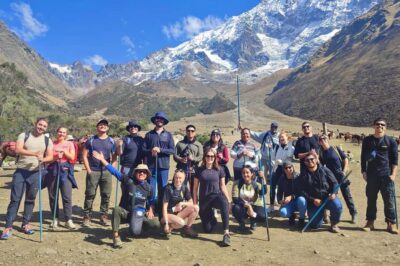
Humantay Lake Tour with Breakfast and Buffet Lunch
Read our review →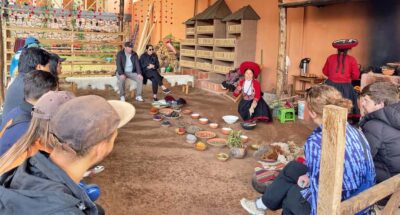
Sacred Valley & Maras Salt Mines Tour with Lunch
Read our review →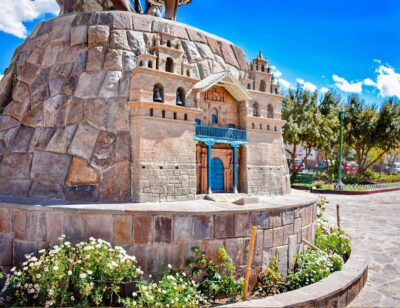
Moray, Maras Salt Mines & Chinchero Weavers Tour
Read our review →


Half-Day City Tour with Sacsayhuaman and Q’enco
Read our review →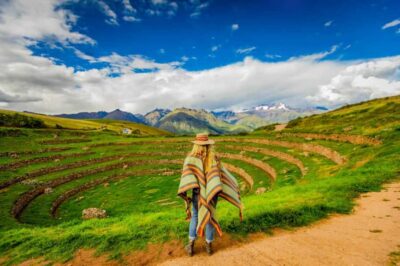
Sacred Valley, Pisac, Ollantaytambo, Salt Mines Moray
Read our review →