
Reviewed · INCA RUINS & ARCHAEOLOGY
From Cusco: Inka Suspension Bridge Qeswachaca – Qeswachaka
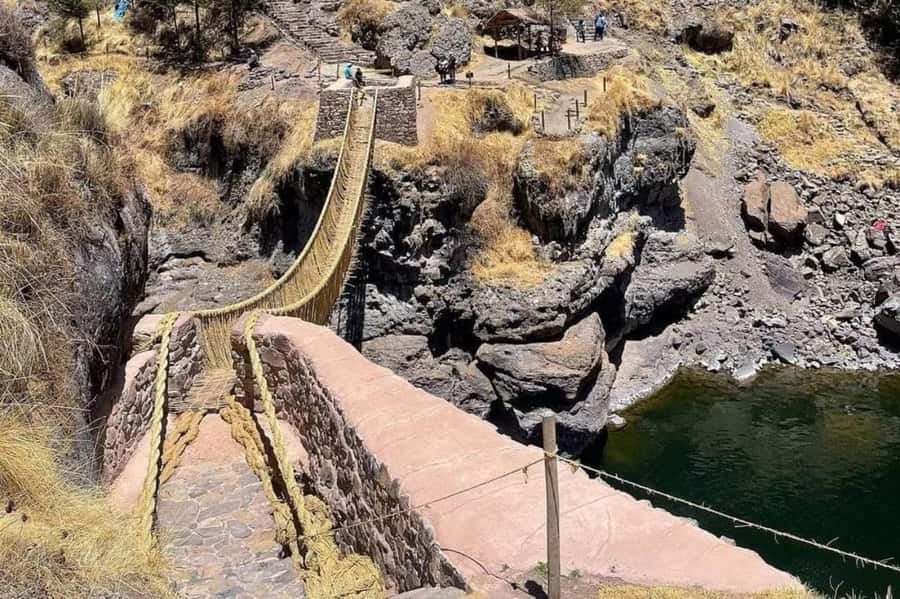
The bridge is the whole point. This long day from Cusco takes you through four highland lakes to Qeswachaka, an Inca-era suspension bridge rebuilt each year by local communities using ichu grass. I especially like the chance to walk across a living piece of Andean tradition and compare it with the Colonial Inca Bridge of Checacupe.
I also like the food arrangements, with breakfast and lunch included, and the guides’ ability to add useful context about Peru, the Andes, plants, animals, climate, and bridge-building. The main drawback is the long amount of time spent in the bus. A poorly paced day can leave you with long gaps between meals, few bathroom stops, and side visits that feel less important than the bridge itself.
In This Review
- Key points to know before booking
- Why Qeswachaka matters more than an ordinary bridge
- Leaving Cusco before sunrise
- Pomacanchi and the other highland lakes
- The Pabellones mini-volcano near Yanaoca
- Crossing the handwoven bridge over the Apurimac
- Checacupe and a useful comparison
- What the $47 price really covers
- Guide language and the quality of the day
- Who will enjoy this 12-hour outing
- Practical tips for a smoother day
- Should you book the Qeswachaka bridge tour?
- FAQ
- Where does the Qeswachaka tour start and finish?
- How long does the tour last?
- What languages are available?
- Is breakfast included?
- Are the bridge and mini-volcano entrance fees included?
- Is the tour suitable for wheelchair users?
- What can I cancel for a full refund?
Key points to know before booking
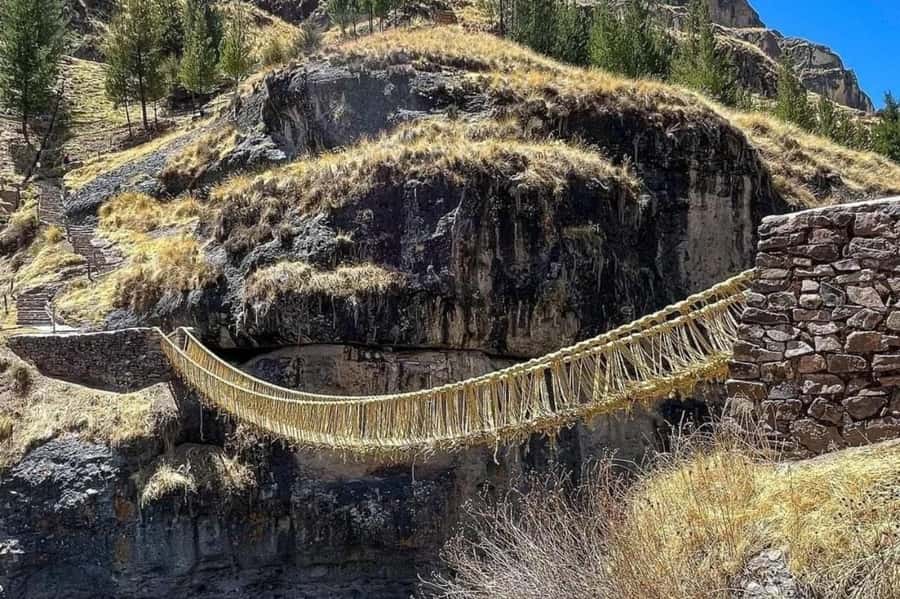
- Qeswachaka is rebuilt every year: Four nearby communities maintain the grass bridge with ichu, preserving an Inca construction tradition.
- The day begins very early: Hotel pickup is scheduled between 4:30 AM and 5:10 AM, with a return near Plaza Kusipata around 5:00 PM.
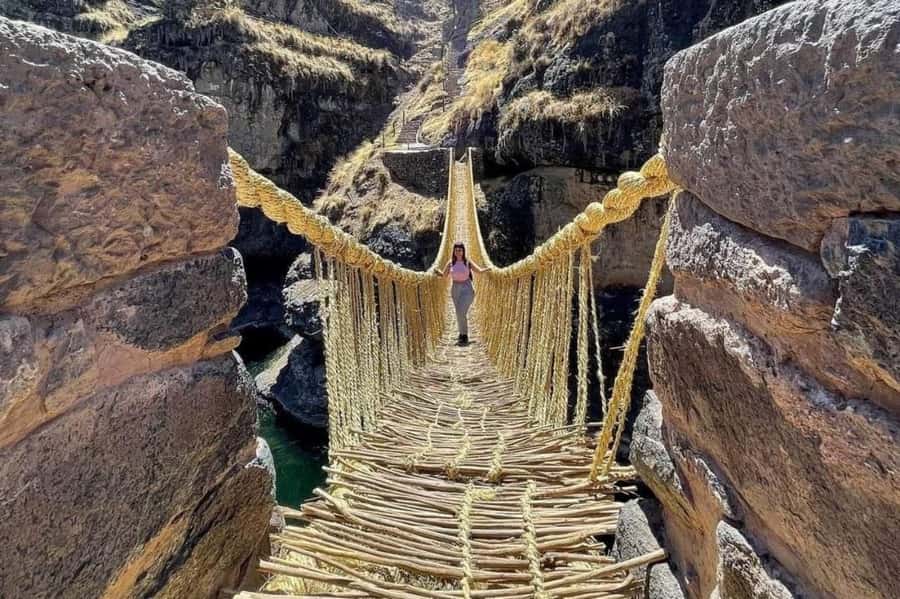
- The Apurimac River setting is dramatic: You walk across the handwoven bridge above the river, with highland views around you.
- The lakes are peaceful but secondary: Pomacanchi, Acopia, Asnaqocha, and Pampamarca or Tungasuca add scenery, but the bridge is the reason to book.
- Extra fees are modest but not fully covered: The bridge costs S/20, and the mini-volcano visit costs S/2. Personal purchases and possible optional activities are extra.
- English quality can vary: The tour is offered in English and Spanish, but you should be prepared for an English guide whose explanations may be limited.
Why Qeswachaka matters more than an ordinary bridge
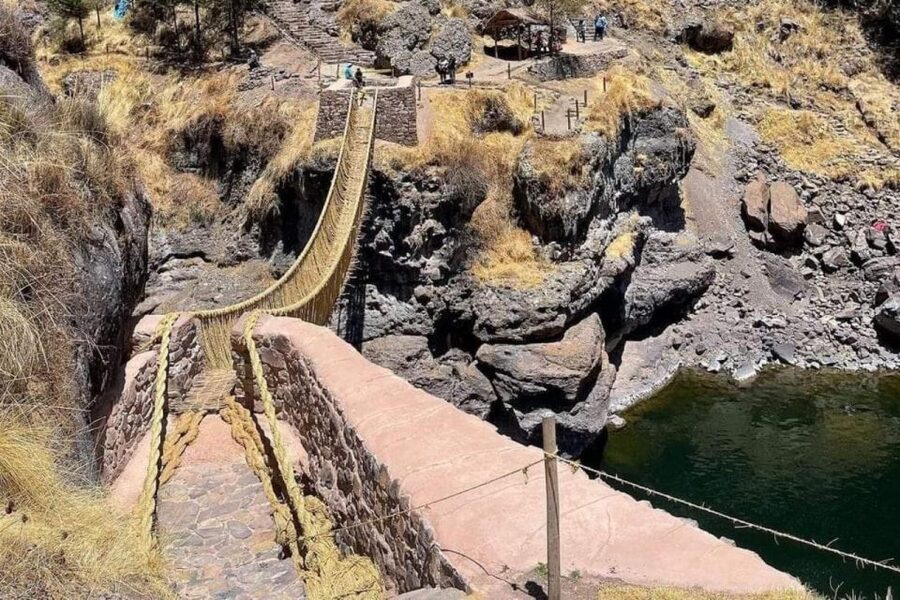
Qeswachaka is not simply an old structure left behind for tourists. It is a working tradition. The suspension bridge is woven from ichu, a tough Andean grass, and local residents from four surrounding communities renew and maintain it every year.
That detail changes the experience. You are not only looking at Inca engineering in a museum. You are seeing a method that still has a place in community life. The bridge stretches over the Apurimac River in the district of Quehue, and the setting gives the visit its drama.
The bridge is also high and wobbly. That is part of the appeal, but it may unsettle you if you dislike heights or moving footbridges. The walk itself is not described as a major hike, though you do take a short walk to reach the bridge. Wear shoes that are comfortable for uneven ground and bring a jacket for the early start.
At the bridge, your guide explains its construction and upkeep before you cross. The amount of information may depend on the guide. Roland, one of the guides working on this route, received especially warm praise for explaining the bridge technique, the idea behind Inca construction, and the surrounding Andean environment. His style was described as friendly and personal, which is exactly what helps at a place like this.
More Inca sites and ruins to walk around:
- Cusco: Half-Day City Tour with Sacsayhuaman and Q’enco
★ 4.6 · 1,129 reviews - City Tour Cusco Qoricancha Sacsayhuaman y Tambomachay
★ 4.7 · 617 reviews - Lima: The Charm of Barranco & Pre Inca Pyramid in Miraflores
★ 4.9 · 322 reviews
Leaving Cusco before sunrise
Pickup takes place from your hotel between 4:30 AM and 5:10 AM. You are asked to wait in the hotel lobby 10 minutes before the scheduled time, and that is good advice. One pickup arrived about an hour earlier than expected for one person, although the guide and driver returned at the agreed time.
The first part of the journey lasts about two hours as you head southwest from Cusco. This is not a quick half-day outing. The advertised duration is 12 hours, and the return is planned for around 5:00 PM at Plaza Kusipata, a short walk from the Plaza de Armas.
That schedule makes the tour a serious commitment. You spend much of the day in transportation, so I would not book it immediately after a late arrival in Cusco. You need to be ready for a pre-dawn start and a full day on the road.
Breakfast is included, which is welcome at that hour. Lunch is also included, and the food has been praised for its variety and generous portions. Still, the spacing can be a problem. One account described nearly nine hours between breakfast and lunch, so carry a small snack if you need regular food.
Bathroom planning matters too. The route covers remote highland areas, and one person reported no bathroom breaks or warnings during long stretches. Ask your guide about the next stop before leaving a restaurant or viewpoint. This is a simple habit that can make a long day much easier.
Pomacanchi and the other highland lakes
The route takes in Pomacanchi, Acopia, Asnaqocha, and Pampamarca or Tungasuca Lakes. These stops offer a quieter side of the Cusco Region, far from the city’s stone streets and busy central squares.
Pomacanchi is listed as a 25-minute photo stop. The broader route description also includes time beside the other lakes for peaceful views. Exact stop lengths can vary, so you should think of this part as a scenic introduction rather than a set of lengthy lake visits.
The lakes are useful for seeing the highland environment around the bridge. Guides may discuss the climate, plants, and animals of the Andes, adding meaning to what might otherwise be a quick roadside pause. Roland was praised for answering questions about these subjects, and that kind of explanation can make the long drive feel more worthwhile.
At the same time, keep your expectations in check. The lakes are not the central attraction, and they may feel like filler if you are focused on Qeswachaka. One person felt the lake stops and the small volcano added little to the day. If you enjoy broad scenery and quiet viewpoints, you may appreciate them. If you want more time at the bridge, the extra stops may feel less useful.
The Pabellones mini-volcano near Yanaoca
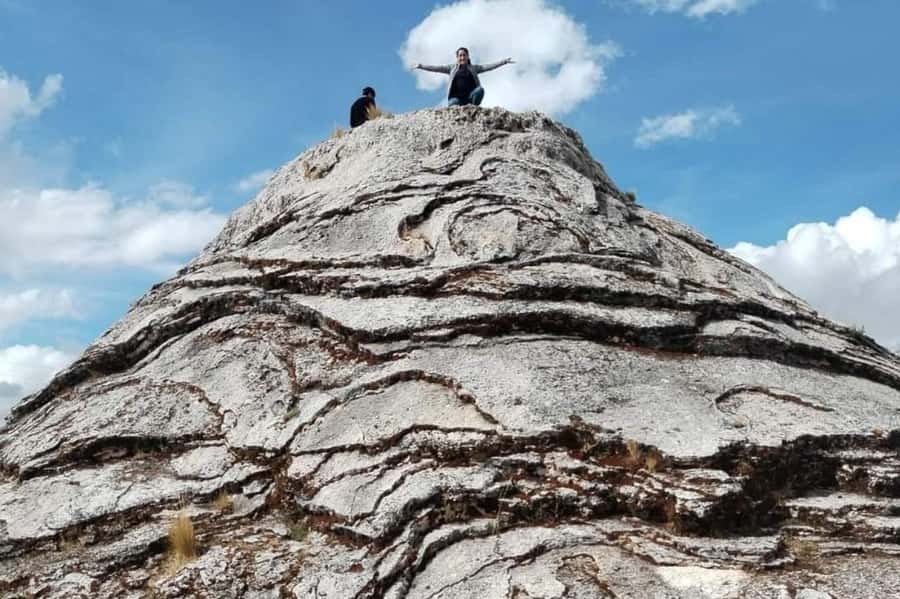
Near the town of Yanaoca, the tour stops at the small Pabellones Volcano. The entrance costs S/2 and is not included in the tour price.
This is a brief side attraction rather than a major volcanic visit. You should not expect a large geological site or a long walk. The stop gives you another unusual feature of the highland route, but its value depends on your interests.
I would treat it as optional in spirit, even if it forms part of the day’s planned route. One person found the mini-volcano uninteresting, while others may enjoy the oddity of seeing it along the way. If the guide offers extra activities around the stop, ask clearly what they cost before paying.
A completely different sort of day out from Peru:
- Cusco: Humantay Lake Tour with Breakfast and Buffet Lunch
★ 4.9 · 2,976 reviews - From Cusco: Sacred Valley & Maras Salt Mines Tour with Lunch
★ 4.8 · 2,227 reviews - From Cusco: Moray, Maras Salt Mines & Chinchero Weavers Tour
★ 4.8 · 1,925 reviews - From Lima: Paracas and Huacachina Oasis Full Day Guided Tour
★ 4.7 · 1,780 reviews
Crossing the handwoven bridge over the Apurimac
The main visit lasts about an hour, including the walk, explanations, sightseeing, and time on or around the bridge. You reach Qeswachaka in Quehue, where the structure crosses the Apurimac River.
The first view is likely to make the long drive feel justified. The bridge is narrow, suspended above the water, and made from plant fibers rather than modern metal or concrete. It moves as you walk, which gives the crossing a real sense of adventure.
You do not need to rush across. Take time to notice the woven surface and the way the structure hangs between its supports. The river and surrounding hills provide the setting, but the bridge itself deserves your attention. This is a place where a guide’s explanation adds real value, especially when you learn that the bridge is rebuilt each year rather than merely preserved as an old monument.
The tour price does not include the bridge entrance ticket. Expect to pay S/20 separately. Bring Peruvian soles for this and the S/2 mini-volcano fee, since the listing gives the charges in local currency.
There may also be an optional boat ride near the bridge. It has been presented as a way to see the bridge from another angle, but it is not a must-do. It can be pleasant for a different view of the structure, though the extra fee should be confirmed before you join. Do not assume it is part of the $47 package.
Checacupe and a useful comparison
On the return journey, the group stops at the Colonial Inca Bridge of Checacupe. This is a smart addition because it lets you compare two bridges shaped by different periods and building methods.
Qeswachaka is flexible, handwoven, and made from ichu. Checacupe gives you a contrasting example of colonial-era bridge architecture with Inca connections. Seeing both helps you understand that Andean transport routes changed over time, rather than existing as one fixed tradition.
The comparison is more valuable than treating Checacupe as another unrelated photo stop. Ask your guide to point out the differences in materials, structure, and purpose. The quality of this explanation will depend on the language ability and preparation of the guide.
What the $47 price really covers
At $47 per person, the tour is fairly priced if you want transportation, meals, a guide, and access to a remote attraction in one package. Hotel pickup, transport, a bilingual guide, breakfast, lunch, a first aid kit, and oxygen are included.
The value comes mainly from the logistics. Reaching Qeswachaka independently would require arranging transport across a long route and managing several remote stops yourself. The package also removes the need to find breakfast before dawn.
The price looks less attractive if you care only about the bridge and dislike long bus rides. The lakes and mini-volcano may not feel like equal value, and the bridge ticket is extra. You may also pay separately for an optional boat ride.
Food is one of the stronger parts of the package. Breakfast and lunch are described as varied and plentiful, which matters on a 12-hour outing. Still, bring a snack because the gap between meals can be long.
The tour offers free cancellation up to 24 hours before departure and a reserve-now, pay-later option. Those policies are useful if your Cusco plans may shift, though the early pickup means you should confirm the exact meeting time the day before.
Guide language and the quality of the day
The experience is offered with live guides in English and Spanish. In practice, English fluency may vary. One guide was friendly and helpful but rusty in English, while another guide, Roland, was praised for giving detailed explanations and answering questions well.
That difference matters here. The bridge is visually impressive on its own, but the annual rebuilding tradition, community role, and Inca techniques are what give it depth. If your guide speaks mostly Spanish despite an English booking, you may miss much of the cultural context.
If you need detailed English interpretation, confirm the language before departure and be ready to ask direct questions. A basic Spanish phrase or translation tool could also help, though the provider advertises both languages.
The first aid kit and oxygen are included. That is reassuring on a remote highland route, but it does not replace sensible pacing. You should tell the guide if you feel unwell during the day.
Who will enjoy this 12-hour outing
I would recommend this trip to you if you want an unusual cultural experience outside the standard Cusco circuit. The bridge is the kind of attraction that feels specific to this region, not a repeat of a city tour or a familiar archaeological site.
It suits you best if you:
- Enjoy traditional engineering and local community practices
- Are comfortable with a very early start
- Can handle a full day of bus travel
- Want a dramatic bridge crossing above the Apurimac River
- Like combining scenery with cultural explanation
- Do not mind paying small extra entrance fees
You may want another option if you have limited time in Cusco, need frequent bathroom stops, use a wheelchair, or dislike heights and moving bridges. The activity is not suitable for wheelchair users, and the schedule may feel tiring if you are still adjusting to Cusco.
The bridge crossing itself is the deciding factor. If you are excited by a high, wobbly rope bridge, the side stops become pleasant additions. If you are not interested in crossing it, the long ride may not offer enough reward.
Practical tips for a smoother day
Arrive in the hotel lobby early, but confirm the pickup time because the route has very early departures. Bring layers, since the day begins before sunrise and moves through highland areas.
Carry water, a small snack, and Peruvian soles for the S/20 bridge ticket, the S/2 mini-volcano ticket, and personal expenses. The tour includes meals, but the gap between them can be substantial.
Wear secure walking shoes. The walk to the bridge is short, yet the crossing is high and wobbly. If you are nervous, focus on the bridge’s construction and take the crossing at your own pace.
Ask about bathroom opportunities before long drives. Also ask about the price of any boat ride or other optional activity before you agree to it.
Finally, keep the day’s priorities clear. The lakes and Pabellones Volcano add variety, but Qeswachaka is the reason to make this journey.
Should you book the Qeswachaka bridge tour?
Book it if you want to see a handwoven Inca bridge that is still rebuilt each year, and if you are willing to spend 12 hours reaching it from Cusco. The river setting, the swaying crossing, and the chance to compare Qeswachaka with Checacupe make this a memorable outing.
Skip it if you want a tightly packed schedule with frequent activities, short transfers, or guaranteed polished English commentary. The day can feel bus-heavy, and some side stops may not hold your interest.
For the right person, this is a strong value at $47. You get transport, meals, a guide, and access to a remote Andean tradition that is difficult to reach on your own. Just book it for the bridge, not for the filler, and prepare for a long day.
FAQ
Where does the Qeswachaka tour start and finish?
Pickup is provided from your hotel in Cusco. The tour finishes around 5:00 PM at Plaza Kusipata, about one block from the Plaza de Armas.
How long does the tour last?
The experience lasts 12 hours. Pickup is scheduled between 4:30 AM and 5:10 AM, with a return around 5:00 PM.
What languages are available?
The tour offers live guiding in English and Spanish. English quality may vary by guide.
Is breakfast included?
Yes. Breakfast and lunch are included in the tour price.
Are the bridge and mini-volcano entrance fees included?
No. The Qeswachaka bridge ticket costs S/20, and the mini-volcano ticket costs S/2. Personal expenses are also separate.
Is the tour suitable for wheelchair users?
No. The activity is not suitable for wheelchair users.
What can I cancel for a full refund?
You can cancel up to 24 hours in advance for a full refund. The tour also offers a reserve-now, pay-later option.
Just added around Peru
- Cusco: Rainbow Mountain and viewpoint red valley ( optional)★ 4.8 · 3 reviews
- Montaña de Colores: tour en cuatrimotos día completo★ 3.3 · 3 reviews
- Tour Pallay Punchu Trek Full Day★ 4.2 · 3 reviews
- From Nazca: Cahuachi Pyramids Private Tour★ 4.3 · 3 reviews
- From Paracas | Excursion to Ica and Huacachina★ 3.1 · 3 reviews
- Monkey Island + Lake Sandoval 2D/1N★ 4.6 · 3 reviews
- Excursion Cusco – Puno – Titicaca Observatory Train★ 5.0 · 3 reviews
- From Lima: Paracas and Huacachina Guided Desert Oasis Trip★ 5.0 · 3 reviews
Inca Ruins & Archaeology, compared.

Half-Day City Tour with Sacsayhuaman and Q’enco
Read our review →
City Tour Cusco Qoricancha Sacsayhuaman y Tambomachay
Read our review →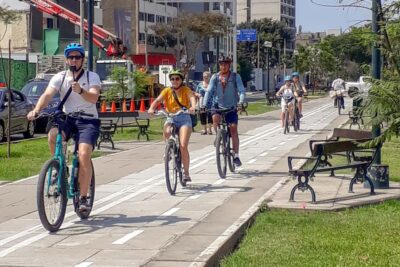
The Charm of Barranco & Pre Inca Pyramid in Miraflores
Read our review →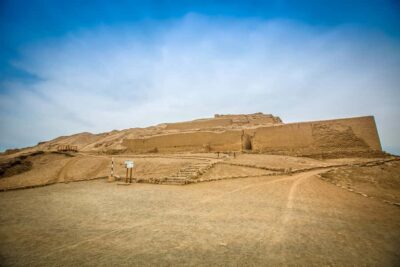
Pachacamac Ruins & Barranco Half-Day Guided Tour
Read our review →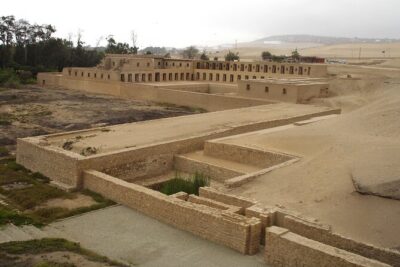
Pre Inca Temple of Pachacamac Half-Day Tour from Lima
Read our review →

Cusco City Sightseeing, San Pedro Market, Cathedral and Qorikancha Temple
Read our review →
3-Hour Horse Riding Tour to the Temple of the Moon
Read our review →Browse the lists this tour appears in