Reviewed · TOURS
Chiclayo: Chaparri Ecological Reserve Tour
Dry forest, rare birds, and rescued bears make this a memorable day out from Chiclayo. I like the chance to explore a protected ecosystem with a Spanish-speaking local guide, and I especially value the conservation work behind the spectacled bear rescue center. You also get more than a standard wildlife drive, with forest trails, mountain traditions, a reptile house, and the Tinajones Reservoir.
The main caution is simple: wild animals are not guaranteed. Pumas, jaguars, tapirs, and Andean bears live in or around the reserve, but you may see only tracks, birds, or distant movement. The drive from Chiclayo also includes rough roads, so this day suits you best if you can handle a bumpy ride and a long outing in the heat.
In This Review
- Key points at a glance
- From Chiclayo to Chongoyape
- Cerro Chaparri and the Enchanted Garden
- Three routes through a dry forest ecosystem
- Birdwatching is the safest wildlife success
- The spectacled bear rescue center
- Huachuma route and the reptile area
- The interpretation center puts it all together
- Tinajones Reservoir closes the day
- What $79 includes and what it does not
- Who should book this Chaparri day trip?
- Should you book it?
- FAQ
- Where is Chaparri Ecological Reserve?
- How long does the tour last?
- Is hotel pickup included?
- What language is the tour conducted in?
- Are food and drinks included?
- How much is the park entrance fee?
- What should I bring to Chaparri?
Key points at a glance
- A 34,142-hectare private conservation area: Chaparri protects dry forest around Cerro Chaparri, a sacred mountain for local communities.
- Three named walking routes: You visit the Spectacled Bear route, Huachuma or San Pedro route, and White-winged Guan route.
- Strong birdwatching potential: Look for red-headed parrots, Peruvian owls, emerald parakeets, woodpeckers, hummingbirds, and other regional species.
- A real bear rescue center: Meet Cuto, a bear rescued from a circus, and learn how rescued bears are prepared for possible release.
- A full-day trip with broad coverage: The tour combines Chongoyape, Chaparri, the reptile area, an interpretation center, and Tinajones Reservoir.
- A practical price point: At $79 per person, transportation, hotel or airport pickup, and an official guide are included, while food and the S/. 30 park fee cost extra.
From Chiclayo to Chongoyape
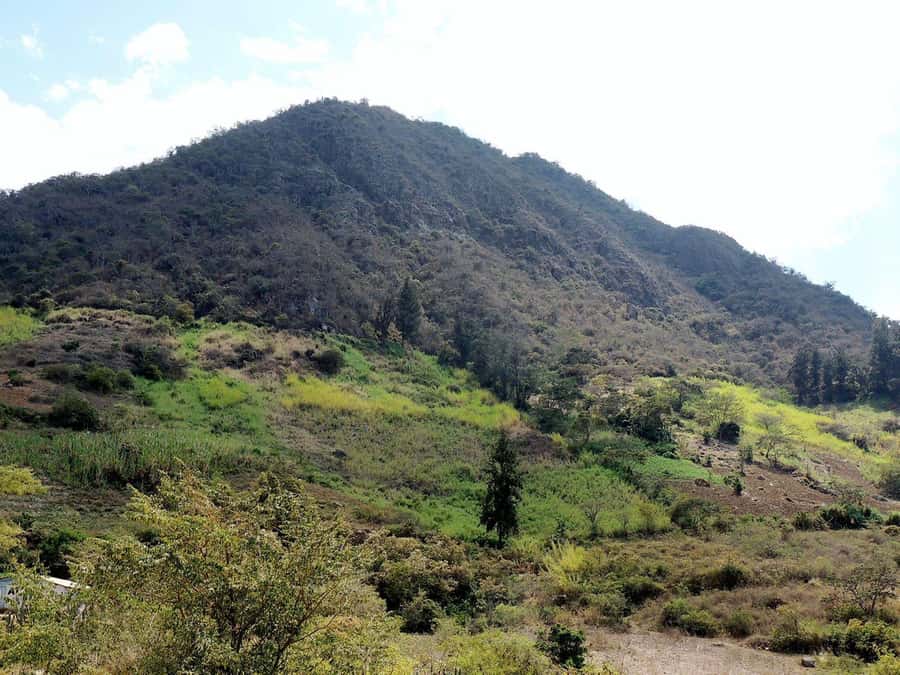
Your day begins with pickup at your hotel or at the airport in Chiclayo. Chaparri lies near Chongoyape, about 80 kilometers southeast of the city, so the first part of the outing is a road journey rather than an immediate walk in the forest.
That distance matters. This is not a quick half-day escape where you step out of a van and find yourself at a viewing platform. You spend much of the day moving through northern Peru, watching the urban setting give way to drier country and mountain scenery.
The road toward the reserve is part of the character of the trip. One published account praised the beautiful scenery and the chance to encounter ancestral cooking along the way, but also warned about the very rough roads near the reserve entrance. I would take that warning seriously. Wear a secure seat belt, keep water close, and do not expect a smooth ride on every section.
The vehicle is included, as is an official tourism guide. The guide service is in Spanish, and the guide’s role matters most once you reach the forest. A good bird guide can spot a small bird high in a thorn tree long before you do. One account specifically praised a passionate guide who could identify many small birds, which is exactly the sort of help that makes a dry forest walk rewarding.
Other Peru trips people pair with this one:
- Cusco: Humantay Lake Tour with Breakfast and Buffet Lunch
★ 4.9 · 2,976 reviews - From Cusco: Sacred Valley & Maras Salt Mines Tour with Lunch
★ 4.8 · 2,227 reviews - From Cusco: Moray, Maras Salt Mines & Chinchero Weavers Tour
★ 4.8 · 1,925 reviews
Cerro Chaparri and the Enchanted Garden
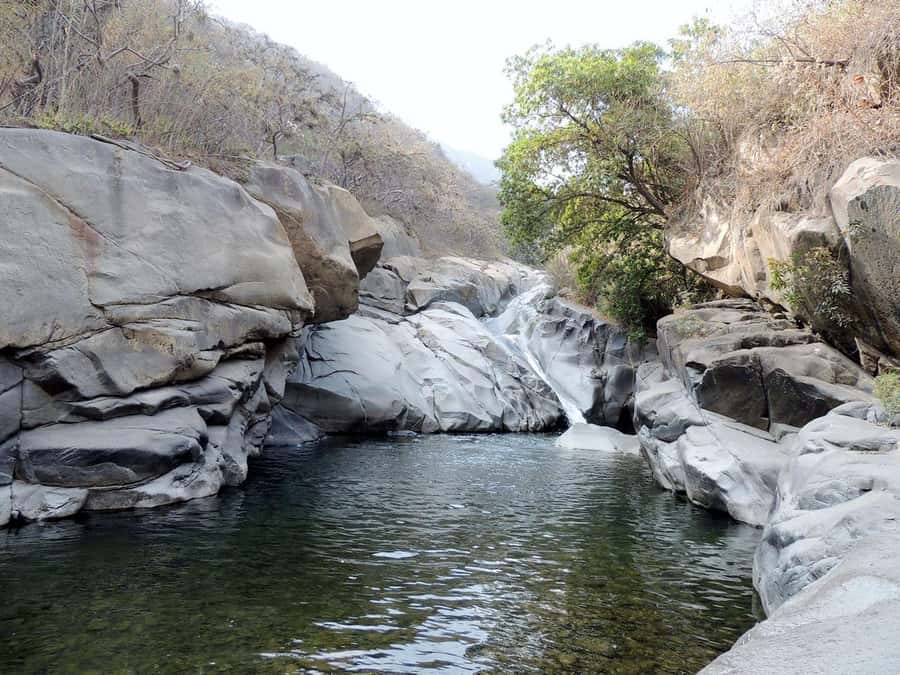
The first major stop is the Enchanted Garden in the Chaparri Private Conservation Area. The reserve covers 34,142 hectares and centers on Cerro Chaparri, a mountain regarded as sacred by local residents.
That cultural meaning adds something important to the visit. Chaparri is not simply a patch of dry woodland set aside for sightseeing. It is a place where conservation, local belief, and traditional knowledge meet. The Huachuma or San Pedro route introduces you to shamanic sessions, their meaning, and the respect shown to the Apus, or mountain spirits.
You will not be visiting a museum version of these traditions. Instead, the route gives you context for the area you are walking through. Listen carefully and treat the subject with respect. The value here is not entertainment, but a better understanding of why Cerro Chaparri matters to people who live near it.
The name Enchanted Garden may suggest a formal garden with paths and planted displays. The actual setting is a natural dry forest reserve, with winding trails and native vegetation. Expect a more rugged outing, with walking surfaces and conditions shaped by the environment rather than by a polished tourist facility.
Three routes through a dry forest ecosystem
The tour includes the Spectacled Bear route, the Huachuma or San Pedro route, and the White-winged Guan route. These names give you a sense of the reserve’s priorities: endangered wildlife, cultural traditions, and bird conservation all share the same space.
Dry forest can look sparse at first glance, especially if you have just come from Peru’s greener mountain regions. Give it time. The open spaces and thorny plants make birds easier to hear, while small changes in vegetation can reveal where water and wildlife gather.
The trails wind through the reserve and may lead toward secluded waterfalls. The supplied details do not promise that every waterfall will be flowing or that each route will reach every feature in all conditions, so think of the waterfalls as a possible reward rather than the main reason to book. The attraction is the full setting: forest, mountain, wildlife habitat, and changing views.
Bring comfortable shoes. You should also carry a sun hat, sunglasses, sunscreen, snacks, and drinks. A flashlight is recommended, which suggests that some parts of the day can involve low light or that it may be useful on the return. Since no meal is included, pack enough food for a full day.
Birdwatching is the safest wildlife success
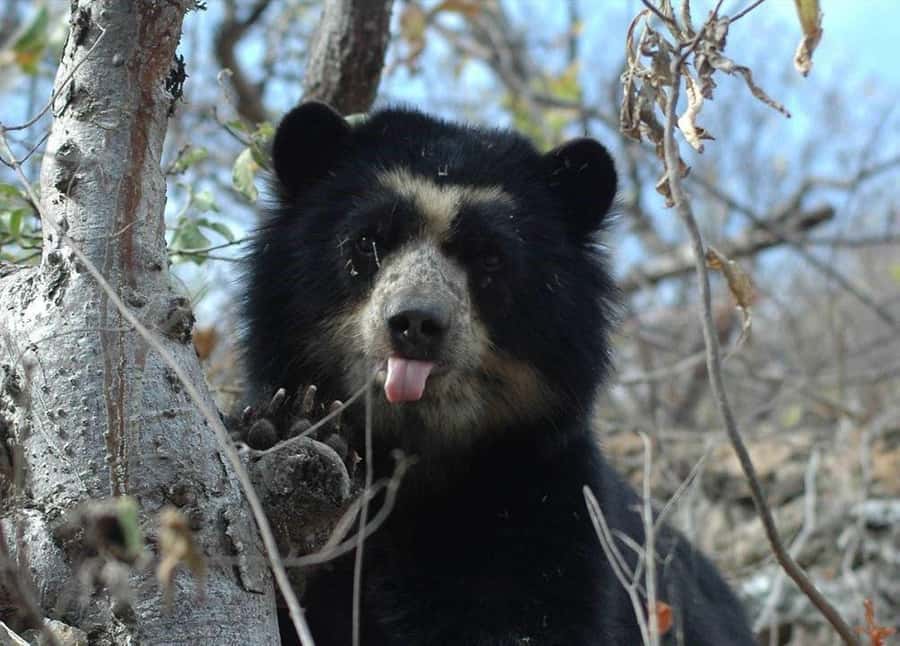
If you want the best chance of seeing wildlife, focus on birds. Chaparri is home to an impressive list of regional species, and the guide can help you notice small movement and unfamiliar calls.
Possible sightings include the red-headed parrot, Peruvian owl, emerald parakeet, bush nightjar, Tumbes swift, short-tailed starlet, scarlet-backed woodpecker, Peruvian woodpecker, Tumbes woodpecker, and eyebrow wren, also called the nightingale. You may also see hummingbirds, eagles, herons, royal vultures, and other birds around the reserve and reservoir.
Some of these names point to the special value of the dry forest. You are not simply adding common birds to a checklist. You are looking for species linked to northern Peru and the Tumbes region, including birds that are difficult to find elsewhere.
A pair of binoculars is not listed among the required items, but I would bring one if you have it. The official information does not promise equipment, and small birds can stay far from the trail. Even without binoculars, the guide’s sharp eyes can make a major difference.
The birdwatching also gives the day balance. A puma or jaguar may remain invisible, but an active forest can still provide plenty to notice. Slow down, scan branches, and listen. You will get more from this place by paying attention than by rushing from one attraction to the next.
A completely different sort of day out from Peru:
- From Lima: Paracas and Huacachina Oasis Full Day Guided Tour
★ 4.7 · 1,780 reviews - From Cusco: Full-Day Group Tour of Machu Picchu
★ 4.7 · 1,767 reviews - Machu Picchu Day Trip from Cusco
★ 4.5 · 1,644 reviews - Cusco: Half-Day City Tour with Sacsayhuaman and Q’enco
★ 4.6 · 1,129 reviews
The spectacled bear rescue center
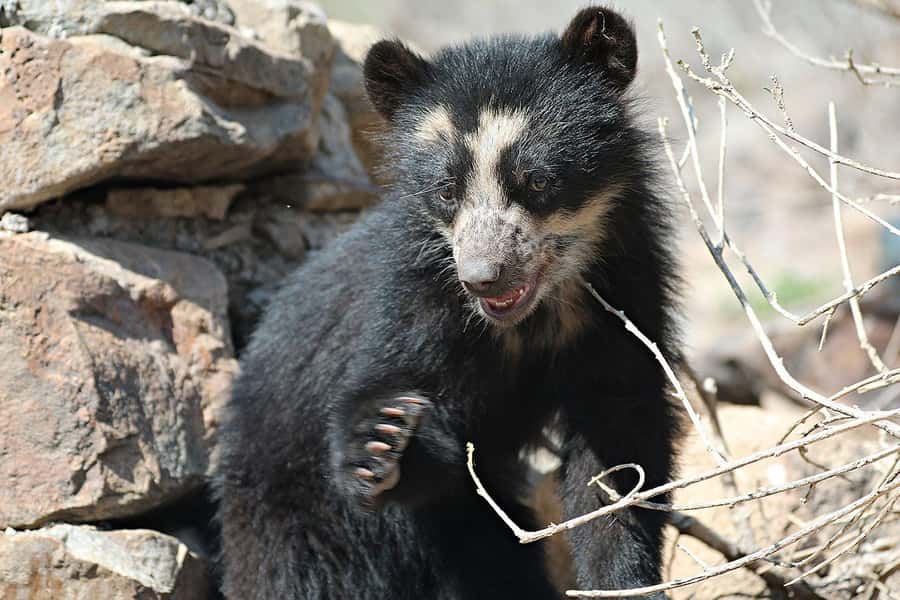
The rescue center is the emotional heart of the outing. Spectacled bears, also called Andean bears, are endangered, and Chaparri supports work to rehabilitate animals rescued from illegal captivity.
You will meet Cuto, a permanent resident rescued from a circus. The center cares for him in a natural setting, while other bears are taught to fend for themselves again with the goal of eventual release into the wild when possible.
This is an important distinction. You are not promised a close encounter with wild bears, and the rescue center is not a petting zoo. The purpose is to show the consequences of captivity and the long work needed to return an animal to a more natural life.
One published account noted that wild bears and pumas are difficult to spot, but that visitors could appreciate the calm of Tango and the female bear in their enclosure. That is useful advice. Approach the rescue center as a conservation visit, not as a guaranteed wildlife photo opportunity.
Chaparri also protects habitat for the Andean condor and the White-winged Guan, with conservation and reintroduction projects supporting both species. The reserve is also home to coastal foxes, guanacos, peccaries, deer, pumas, reptiles, and other wildlife.
The list is impressive, but the practical point is this: most of these animals are free to move through a large protected area. Seeing a sign, footprint, bird, or distant animal can be a successful sighting. The reserve’s value does not depend on putting every species in front of you.
Huachuma route and the reptile area
The Huachuma route adds a cultural and educational layer to the nature walk. You learn about shamanic sessions, their meaning, and the respect given to the Apus. The route is useful for anyone who wants the visit to go beyond wildlife photography.
You also visit the reptile area, where the guide explains local snakes and amphibians, including their habits and physical traits. This is a good stop if you are curious about the animals that are harder to see on the open trail.
Snakes and amphibians are often overlooked on a bird and bear-focused trip. The reptile area gives you a closer look at creatures that usually stay hidden under rocks, in vegetation, or near damp places. It also helps explain how life survives in a dry forest, where water and shelter are valuable.
Keep your expectations practical. The available information does not specify how many species are on display, how long you stay, or the exact format of the presentation. What you can expect is a guided introduction to local reptiles and amphibians rather than a large zoo-style collection.
The interpretation center puts it all together
Near the end of the reserve visit, the interpretation center explains Chaparri’s biodiversity, the threats facing the ecosystem, and ways to protect it. This stop may sound less dramatic than a waterfall or bear enclosure, but it gives the day a clear purpose.
Without this context, you might remember a few bird names and a scenic drive. With it, you can understand why dry forest conservation matters, why reintroduction projects take patience, and why local support is essential for the reserve’s future.
I like having this center at the end rather than the beginning. After walking the routes and seeing the rescue work, the information has something real to connect with. You can put the plants, animals, and cultural practices into a larger picture.
Tinajones Reservoir closes the day
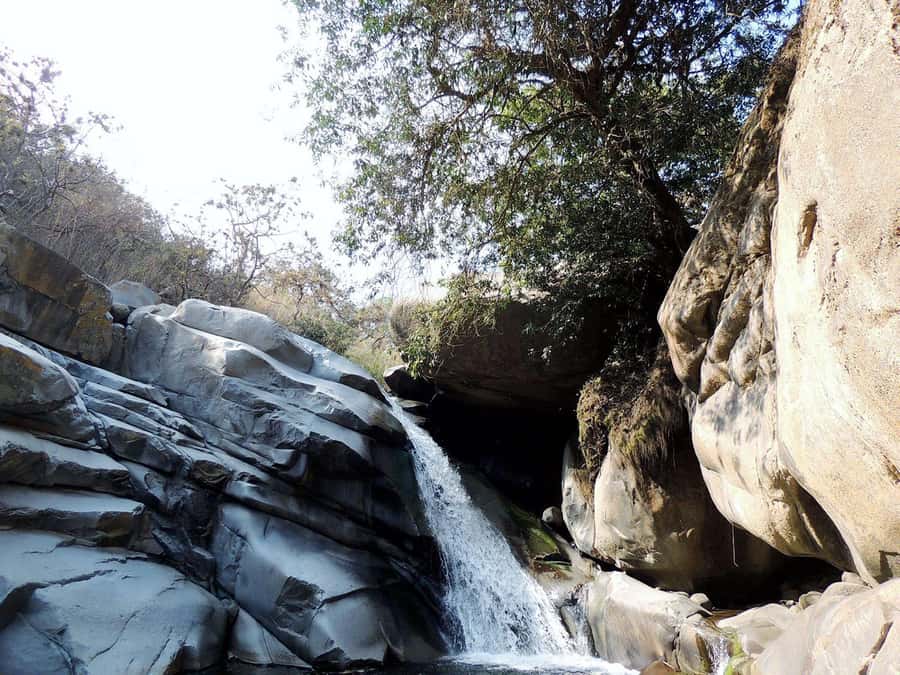
After Chaparri, the route continues to the Tinajones Reservoir, which supplies water to the Lambayeque region. It is a change of scene after the reserve’s trails and mountain setting.
The reservoir also provides another birdwatching opportunity. Eagles and herons are among the birds you might see, along with other water-associated species. This final stop makes the day feel broader than a single reserve visit, linking wildlife habitat with the water system that supports agriculture and communities in Lambayeque.
Do not expect another major hike here. The stated purpose is to enjoy the scenery and look for birds before returning to Chiclayo. After a long day on uneven roads and trails, that quieter stop can be welcome.
What $79 includes and what it does not
The cost is $79 per person. For a full-day trip from Chiclayo, that is a fair package if you value having transportation and a guide arranged for you.
The price includes hotel or airport pickup, tourist transportation, and an official tourism guide. It does not include food, drinks, or the park entrance fee, listed at S/. 30 and subject to change.
The extra costs are easy to manage, but you should include them in your budget. Bring snacks, drinks, and cash or another accepted payment method for the entrance fee. Since the day includes a long transfer and several stops, buying only a small snack in the morning would be a mistake.
The value comes from the range of the day. You are paying for transport into a remote conservation area, guided walking routes, wildlife interpretation, a bear rescue center, cultural information, a reptile visit, and Tinajones Reservoir. If you only want a short wildlife outing, it may feel long. If you want to use one day to see a less-visited side of the Lambayeque region, the price makes more sense.
Who should book this Chaparri day trip?
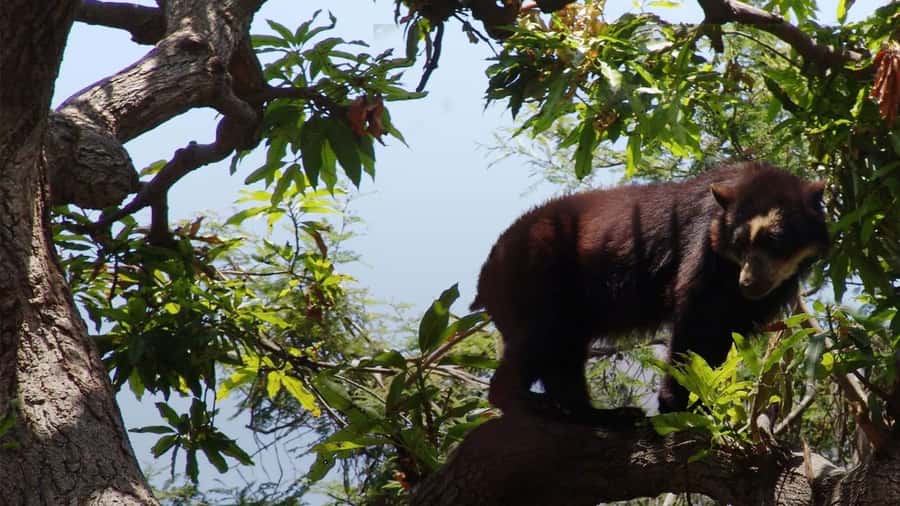
I would choose this tour if you enjoy nature, birdwatching, conservation, and regional culture more than polished attractions. It suits you especially well if you are staying in Chiclayo and want a full day outside the city without arranging a vehicle, driver, and local guide on your own.
It is also a good fit for visitors interested in Andean bears and environmental protection. The rescue center gives the trip real substance, particularly if you understand that Cuto is a rescued permanent resident and not an example of a wild bear sighting.
You should think twice if your main goal is to photograph a puma, jaguar, tapir, or bear in the wild. Those animals are associated with the reserve, but the tour cannot control where they move. Birdwatchers will probably get more dependable rewards.
The road conditions are another deciding factor. The rough approach to the reserve can be tiring, especially after several hours in a vehicle. Comfortable shoes, sun protection, water, snacks, and patience will make the day easier.
Cancellation is flexible if your plans change, with a full refund available when you cancel at least 24 hours before departure. You can also reserve now and pay later. Departure times depend on availability, so check the schedule before committing to another activity in Chiclayo on the same day.
Should you book it?
Book Chaparri if you want a serious nature day with conservation at its center, and if you are happy to trade smooth roads and guaranteed animals for open forest, rare birds, local stories, and the chance of an unexpected sighting.
I would not book it for a quick, easy excursion or a guaranteed big-cat encounter. I would book it for the bear rescue work, the strong birdwatching possibilities, the sacred mountain setting, and the chance to see how dry forest protection works in northern Peru. At $79, it offers good value for a long, well-filled day, provided you budget for the S/. 30 entrance fee, bring your own food and drinks, and prepare for a rough ride.
FAQ
Where is Chaparri Ecological Reserve?
Chaparri is in Peru’s Lambayeque Region, about 80 kilometers southeast of Chiclayo, near Chongoyape.
How long does the tour last?
The excursion lasts one day. The exact starting time depends on availability.
Is hotel pickup included?
Yes. Pickup from your hotel in Chiclayo is included, and pickup from the Chiclayo airport is also available.
What language is the tour conducted in?
The live tour guide service is in Spanish.
Are food and drinks included?
No. Food and drinks are not included, so you should bring snacks and beverages for the day.
How much is the park entrance fee?
The entrance fee is listed as S/. 30, but the amount may change.
What should I bring to Chaparri?
Bring comfortable shoes, sunglasses, a sun hat, snacks, drinks, sunscreen, and a flashlight.
Just added around Peru
- Cusco: Rainbow Mountain and viewpoint red valley ( optional)★ 4.8 · 3 reviews
- Montaña de Colores: tour en cuatrimotos día completo★ 3.3 · 3 reviews
- Tour Pallay Punchu Trek Full Day★ 4.2 · 3 reviews
- From Nazca: Cahuachi Pyramids Private Tour★ 4.3 · 3 reviews
- From Paracas | Excursion to Ica and Huacachina★ 3.1 · 3 reviews
- Monkey Island + Lake Sandoval 2D/1N★ 4.6 · 3 reviews
- Excursion Cusco – Puno – Titicaca Observatory Train★ 5.0 · 3 reviews
- From Lima: Paracas and Huacachina Guided Desert Oasis Trip★ 5.0 · 3 reviews
Tours, compared.
Humantay Lake Tour with Breakfast and Buffet Lunch
Read our review →
Sacred Valley & Maras Salt Mines Tour with Lunch
Read our review →
Moray, Maras Salt Mines & Chinchero Weavers Tour
Read our review →
Paracas and Huacachina Oasis Full Day Guided Tour
Read our review →

Half-Day City Tour with Sacsayhuaman and Q’enco
Read our review →
Vinicunca Rainbow Mountain ATV Tour with Meals
Read our review →