
Reviewed · AMAZON RAINFOREST TOURS
Amazon Rescue Center – Manatees Conservation Center Admission Ticket
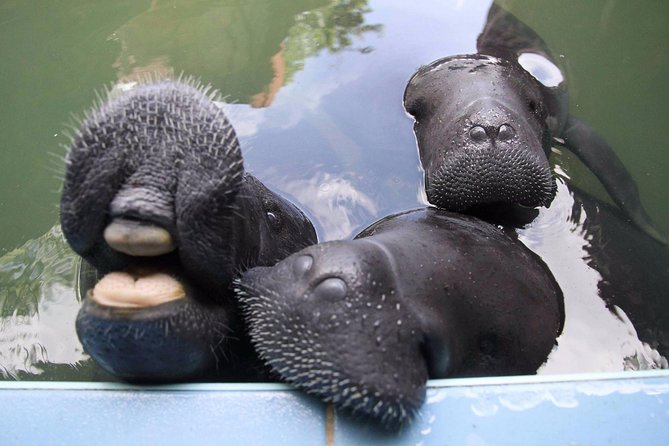
See Amazon wildlife at work, not behind zoo glass. The Amazon Rescue Center, or CREA, gives you a close look at animal rehabilitation near Iquitos, with special attention to endangered manatees and other animals rescued from illegal captivity. I like the low admission price and the way the one-hour visit packs real conservation information into a short walk. I also like that your money supports a working rescue project rather than a purely commercial attraction. The main drawback is simple: this is a modest facility, not a large wildlife park, so you may see only a few animals on a given day.
I especially appreciate the guides, who explain how animals move from rescue and quarantine to rehabilitation and, when possible, release into the wild. The visit is also easy to fit into an Iquitos schedule. Still, transportation is not included, and the ride from downtown can take anywhere from about 30 minutes by tuk tuk to an hour by bus, so allow extra time beyond the advertised one-hour tour.
In This Review
- Key Points Before You Go
- Why CREA Matters Beyond the Animal Encounters
- Reaching the Center From Iquitos
- The One-Hour Route Through CREA
- The Manatees Are the Main Event
- Monkeys, Birds, Turtles, and Reptiles
- The Flooded Forest Interpretation Center
- What the Guides Add to the Visit
- How Much Value Do You Get for $8.08?
- Heat, Mosquitoes, and the Walking Conditions
- Who Will Enjoy This Most?
- Booking and Cancellation Advice
- Should You Book the Amazon Rescue Center?
- FAQ
- Where is the Amazon Rescue Center located?
- How long does the visit last?
- How far is the center from downtown Iquitos?
- Is transportation included?
- What animals can I see at CREA?
- Is an English-speaking guide available?
- What should I bring?
- Can I cancel for a refund?
Key Points Before You Go
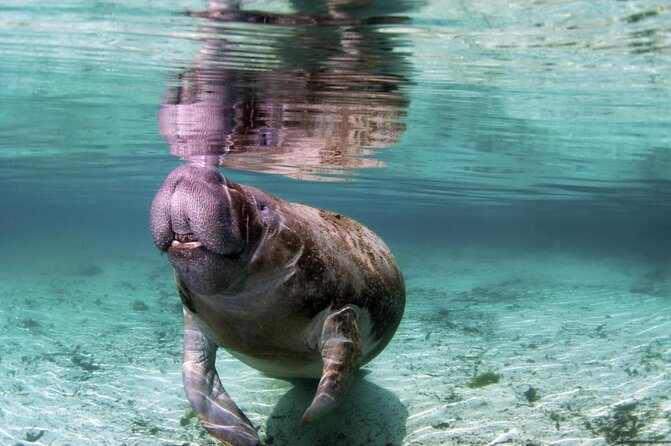
- Meet rescued Amazon animals: See manatees, monkeys, birds, turtles, reptiles, and possibly other animals receiving care.
- Learn the release process: Guides explain why animals need quarantine, treatment, feeding, and gradual preparation before returning to the wild.
- Expect a short forest walk: The visit lasts about one hour and includes the interpretation center called The Flooded Forest.
- Budget-friendly admission: At about $8.08 per person, the ticket is inexpensive, though you must arrange your own transportation.
- Plan for heat and insects: Wear outdoor clothing, carry water, and bring mosquito repellent.
- Book ahead when timing matters: Confirmation arrives at booking, and advance tickets can make entry easier.
Why CREA Matters Beyond the Animal Encounters
CREA was created as a conservation project in partnership with The Dallas World Aquarium Zoo and the Research Institute of the Peruvian Amazon. Its work centers on animals rescued from places where they were kept illegally, then cared for with the aim of returning them to suitable natural habitats.
That purpose changes the way you should approach the visit. This is not a petting zoo, and it is not designed to provide constant animal action. The center does not want animals to become tame or dependent on people. Its success is measured by healthy releases, not by how many creatures it can display.
The project has released manatees, pink dolphins, anteaters, sloths, turtles, and other Amazon species. The available information cites 23 released manatees in one description, while a later center response refers to 33. The exact number may change as the work continues, but the larger point is clear: animals are not meant to stay here forever.
I find that useful context before arriving. If you expect a large collection of animals, the center may feel sparse. If you want to understand what rescue work actually looks like, the smaller scale becomes part of the lesson.
More Amazon Rainforest Tours in Iquitos
- 3-Day All Inclusive Guided Jungle Tour from Iquitos at Maniti Eco-Lodge
★ 4.5 · 74 reviews - 2-Day All Inclusive Guided Jungle Tour from Iquitos at Maniti Eco-Lodge
★ 4.5 · 62 reviews - 3-Day Iquitos Amazon Jungle Adventure at Heliconia Lodge
★ 4.5 · 54 reviews
Reaching the Center From Iquitos
The meeting point is the Centro de Rescate Amazónico at Carr. Iquitos-Nauta km 13.8, San Juan 16024, Peru. It sits outside central Iquitos, so you need to arrange your own ride.
The stated travel time is about 30 minutes from downtown by tuk tuk or about an hour by bus. One detailed account describes roughly an hour each way by motocar, with a round-trip fare of about 100 soles. Treat these times and costs as practical estimates rather than fixed rules. Traffic, road conditions, and your chosen transport can all affect the journey.
This is one reason I would not book the center as a tight appointment between other activities. The visit itself is only about an hour, but the complete outing may take several hours once you add the ride, waiting, and time at the entrance.
You can visit on your own, but arranging transport may be the hardest part. A broader day tour that includes the center can make sense if you also want to see other places along the road. On the other hand, a direct ride gives you more control over how long you stay.
The ticket covers admission and a professional guide. It does not cover transportation, hotel pickup, food, drinks, or lunch. At $8.08, the entry price is very reasonable, but your total cost depends mainly on how you get there.
The One-Hour Route Through CREA
The tour follows a path through the forested grounds. A guide explains the animals and the center’s rehabilitation work as you move between different areas.
The pace is fairly quick, but the visit is information-heavy. You are not simply pointed toward an enclosure and left to look. The guide describes where the animals came from, what care they need, and how staff decide when an animal is ready for release.
The route includes sections for:
- Manatees
- Monkeys
- Birds
- Reptiles
- Turtles
- An interpretation area about the flooded forest
The center lists yellow-spotted river turtles and tortoises among the reptiles. You may also see fish and other animals connected to the Amazon ecosystem, depending on which animals are currently at the facility.
Conditions change because this is a rescue center. Some animals may be in quarantine or treatment, and others may have already been released. That means no two visits need to look exactly alike. It also means you should not arrive expecting a guaranteed animal checklist.
The Manatees Are the Main Event
For most people, the manatees are the heart of the visit. These gentle Amazon mammals require intensive care when they arrive young, injured, or weakened after illegal captivity.
The early stage can involve round-the-clock feeding and close monitoring. Newly rescued manatees may be held in smaller quarantine tanks before moving into larger areas as they recover. This explains why some enclosures can look surprisingly small. They are not necessarily permanent homes. They may be part of the first stage of treatment.
The center’s work is especially moving when you understand the long timeline. A manatee cannot simply be fed for a few weeks and released. It must become strong enough to live on its own and learn, or retain, the behaviors needed in the wild.
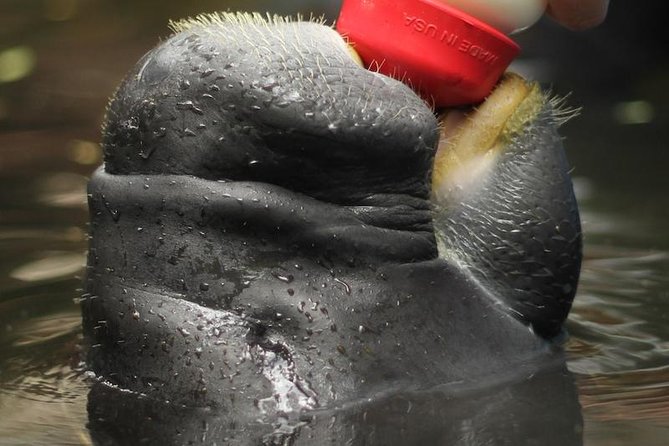
You may see young manatees being bottle-fed. That can be a powerful moment, especially for children, but it is best understood as medical care rather than a cute performance. Staff are trying to reduce human dependence, not encourage it.
One practical point: you should not expect to touch the animals. The center protects the animals from unnecessary contact so they have a better chance of returning to the wild. That is good conservation practice, even if it makes the experience less hands-on.
More rainforest lodges and river trips:
- From Iquitos: 3-Day Amazon Jungle Adventure Trip
★ 4.7 · 50 reviews - Monkey Island,Amazon River & Native Aquatic Species – All tickets
★ 5.0 · 44 reviews - From Iquitos: Full day tour in the Peruvian jungle
★ 4.4 · 25 reviews - Iquitos: Native Community Experience & Amazon River Tour
★ 4.6 · 15 reviews
Monkeys, Birds, Turtles, and Reptiles
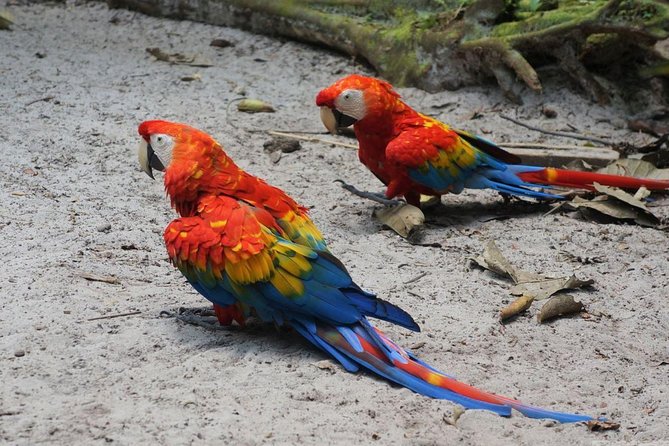
The manatees receive the most attention, but the center also works with a wider range of Amazon wildlife. The monkey, bird, and reptile sections show that illegal captivity affects many kinds of animals, not just the species that attract the most public sympathy.
You may see birds under care, turtles being rehabilitated, and reptiles such as tortoises and yellow-spotted river turtles. The guide helps connect these animals to the larger problem: removing wild creatures from their habitats often causes lasting harm, even when people believe they are rescuing or caring for them.
The range of animals also makes this a useful stop for families. Children can see familiar ideas, such as feeding and shelter, alongside less familiar conservation work. The visit can help explain why a wild animal is not a suitable household pet.
Still, keep your expectations in check. The facility may have only a few animals in some areas. One disappointed account described a couple of young manatees in small tanks, along with a few turtles and plants. That reaction is understandable if you expect a zoo. The center’s purpose, though, is to move animals out, not build a large permanent display.
The Flooded Forest Interpretation Center
The Flooded Forest is an interpretation area with full-size fiberglass statues of major aquatic species from the Amazon. It gives you a visual explanation of the river environment and helps place the rescue work in context.
This part may be less exciting than seeing a live manatee. One account found the plant section less interesting than the animals, although the area offered pleasant spots for photographs. I would treat this portion as a teaching stop rather than a highlight in its own right.
Its value is that it broadens the visit. You begin with individual animals, then see how those animals fit into the flooded forest ecosystem. The center is not only asking you to care about one orphaned manatee. It is showing you the habitat that must remain healthy if released animals are to survive.
What the Guides Add to the Visit
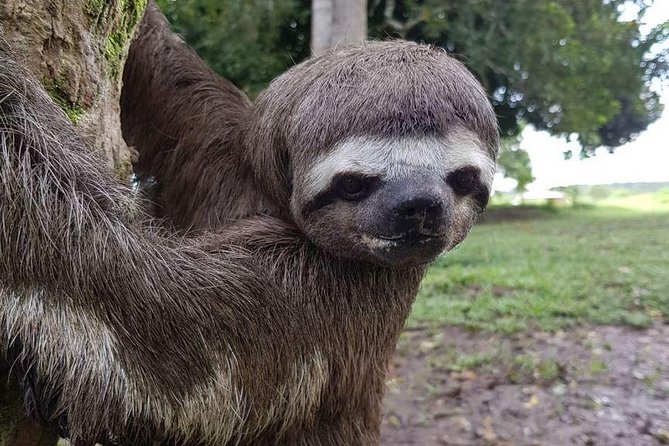
The guide can make or break a short tour. At CREA, the strongest part of the experience is the explanation of each animal’s treatment and future.
English-language guiding has been available, and one particularly praised guide was Jessica, described as friendly and clear during a private English tour. Another guide translated the full tour into English. English service may depend on the day and schedule, so if language is important to you, confirm it when booking.
A good guide explains the history of the center, the background of individual animals, and the steps involved in rehabilitation. You may hear about the treatment plan for a particular animal rather than receiving only general facts about the Amazon.
The experience is described as a private activity for your group. That can make the visit more personal, though exact guide arrangements can vary. If you are visiting alone, you may be offered a choice between joining an available group or waiting briefly for an English-language group, depending on the day.
How Much Value Do You Get for $8.08?
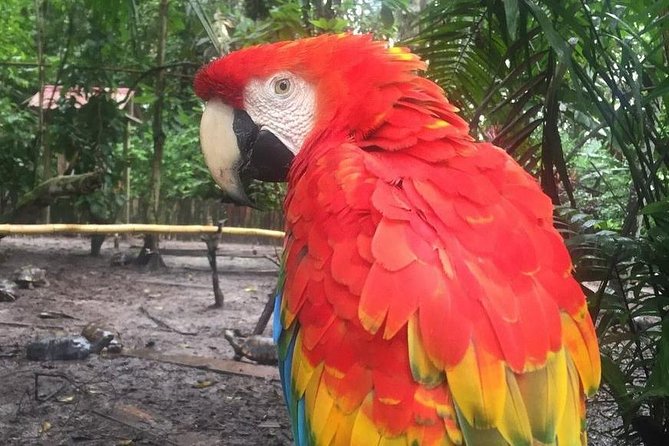
The admission price is one of the center’s strongest features. At about $8.08 per person, you get entry and a professional guided visit lasting roughly an hour.
That is good value if you judge the ticket by the quality of the mission and the information provided. Your payment helps a local conservation project care for rescued animals and prepare them for release. The price is less compelling if your only goal is a long list of animal sightings, since the collection is intentionally limited and can change.
Remember to add transportation. A round trip by motocar has been reported at about 100 soles, though that figure can vary. If you are sharing a ride with others, the transport cost becomes easier to manage. If you are alone, the ride may cost more than the admission.
I would think of the ticket as a low-cost contribution to conservation with a guided visit attached. You are paying for access, but also for the chance to support work that is difficult to see elsewhere in Iquitos.
Heat, Mosquitoes, and the Walking Conditions
The center is outdoors, so dress for the Amazon. Lightweight outdoor clothing, comfortable walking shoes, water, and mosquito repellent are the sensible basics.
Some visits may be nearly bug-free, while others bring more mosquitoes. Do not rely on luck. Apply repellent before you arrive and carry extra if you are spending more time outside afterward.
The heat matters more than the distance. The tour lasts only about an hour, but the combination of sun, humidity, and walking can tire you. Bring drinking water because food and drinks are not included.
The path may be difficult for wheelchair users, though access is not impossible with strong assistance. If mobility is a concern, ask about current conditions before you go. The facilities are practical rather than polished, with forest paths and animal-care areas instead of the smooth surfaces you might find at a modern zoo.
Who Will Enjoy This Most?
I would recommend CREA to you if you care about wildlife, want a meaningful activity near Iquitos, or enjoy learning how conservation works on the ground. It is also a strong choice for families because the visit is short, accessible in concept, and full of real examples.
It suits visitors who want to get outside the city and see a quieter stretch along the Iquitos-Nauta road. It also works well after an Amazon cruise, when you may be returning to Iquitos and want one final activity connected to the region’s wildlife.
I would be cautious about recommending it to someone who wants a large animal park, elaborate facilities, or close contact with wildlife. You may find the enclosures sparse, the route brief, and the plant-focused portions less engaging.
The center is best approached with a conservation mindset. You are seeing animals in recovery, not watching a staged show.
Booking and Cancellation Advice
Advance booking is useful if you have a tight schedule, since confirmation is provided at the time of booking and prearranged admission can make entry easier. The activity is usually booked about 12 days ahead, so reserving before your Iquitos visit is sensible if this stop matters to you.
Free cancellation is available if you cancel at least 24 hours before the start time. Cancellations made less than 24 hours in advance are not refunded, and late changes are not accepted. The cut-off follows local time in Peru.
Should You Book the Amazon Rescue Center?
I would book it if you want a compact, low-cost visit that supports genuine animal rehabilitation. The manatees are the main reason to go, but the monkeys, birds, turtles, reptiles, and flooded forest displays give the hour more substance.
Book with realistic expectations. You may see only a small number of animals, and the facilities are functional rather than fancy. That is not a flaw in the same way it would be at a zoo. It reflects a center built around rescue, care, and release.
Add enough time for the journey from Iquitos, arrange transport in advance, and bring water and repellent. If you do that, CREA offers a thoughtful and worthwhile way to spend part of a day while learning what conservation looks like beyond the postcard version of the Amazon.
FAQ
Where is the Amazon Rescue Center located?
The center is at Carr. Iquitos-Nauta km 13.8, San Juan 16024, Peru, outside central Iquitos.
How long does the visit last?
The guided visit lasts approximately one hour.
How far is the center from downtown Iquitos?
The center is described as about 30 minutes from downtown by tuk tuk or about one hour by bus. A motocar journey may also take about an hour each way.
Is transportation included?
No. Transportation to and from the center, hotel pickup, and hotel drop-off are not included.
What animals can I see at CREA?
The center cares for animals such as manatees, monkeys, birds, yellow-spotted river turtles, tortoises, and other reptiles. The animals present can change as creatures are rehabilitated and released.
Is an English-speaking guide available?
English-language tours have been provided, including tours led or translated by guides such as Jessica. Availability may depend on the day and schedule.
What should I bring?
Wear outdoor clothing and bring mosquito repellent. Water is also recommended because the Amazon climate is hot. Food and drinks are not included.
Can I cancel for a refund?
Yes, if you cancel at least 24 hours before the experience begins. Cancellations or changes made less than 24 hours in advance are not accepted for a refund.
Just added around Iquitos
- Tarapoto: Full-Day to Laguna Azul (Blue Lake) – El Sauce★ 3.8 · 3 reviews
- Iquitos: 5 Days inside the Rainforest | Amazon Jungle Tour★ 5.0 · 3 reviews
- 2-Day All Inclusive Guided Jungle Tour from Iquitos★ 4.3 · 3 reviews
- Iquitos: Amazon River Tribes Full-Day Tour with Lunch★ 3.5 · 3 reviews
- Iquitos : Full Day Excursion to Monkey Island★ 4.4 · 3 reviews
- Iquitos: Piranha Fishing Experience in the Amazon jungle★ 4.7 · 4 reviews
- Iquitos: Amazon Jungle in 3 Days: Adventure and Culture★ 4.8 · 4 reviews
- Iquitos: Amazon Jungle in 2 Days: Adventure and Expedition★ 4.5 · 6 reviews
Amazon Rainforest Tours, compared.
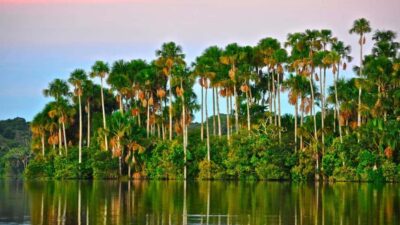
Tambopata Peruvian Amazon Jungle for Three Days/Two Nights
Read our review →
3-Day All Inclusive Guided Jungle Tour from Iquitos at Maniti Eco-Lodge
Read our review →
4 Day Tambopata Amazon Wildlife & Canopy Experience
Read our review →
2-Day All Inclusive Guided Jungle Tour from Iquitos at Maniti Eco-Lodge
Read our review →Browse the lists this tour appears in